
Conveyor Snub Pulley:Stop Belt Slippage & Boost Tension
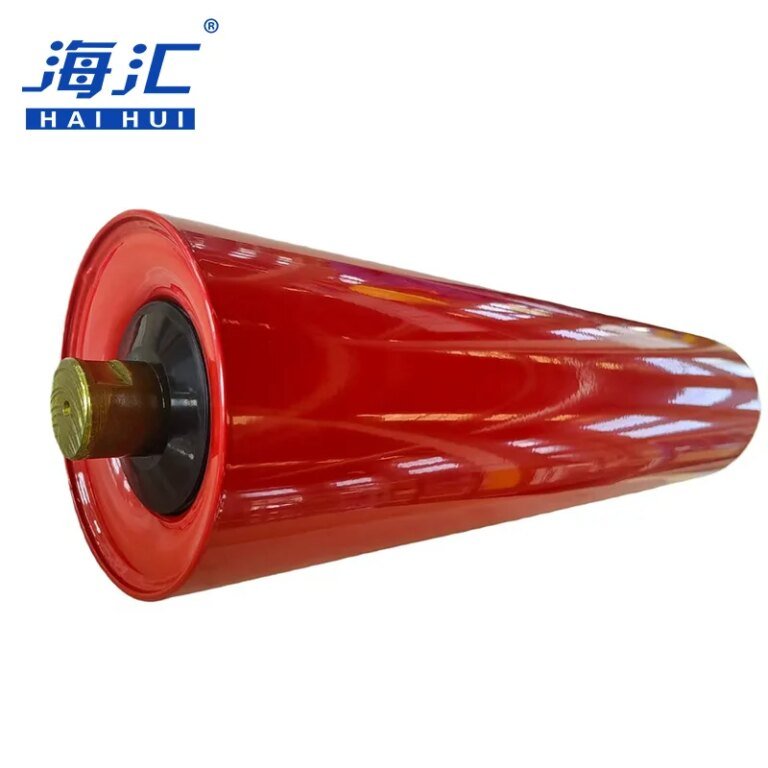
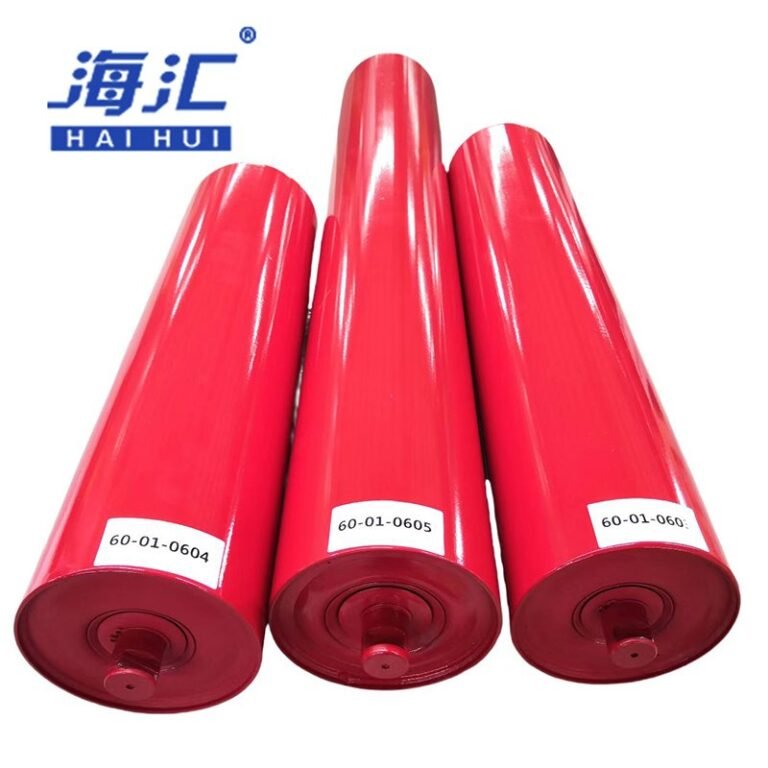
A conveyor snub pulley isn’t just a redirecting roll—it’s a silent performance optimizer fighting for belt tension in systems where inches of wrap angle cost real money in slippage and wear. Conveyors win when the snub pulley does its job quietly and consistently.
In bulk handling systems, belt tension decides who survives the shift. Proper wrap angle, durable lagging, and precise concentricity turn a simple redirect into a badge of reliability that operators trust without guessing.
Why Choose a Quality Conveyor Snub Pulley?
Mine operators today want components that perform reliably, last long, and keep production moving smoothly. That’s why conveyor snub pulleys are getting serious attention. From belt tension management to supply chain ease, proper snub pulley design just makes practical sense.
Enhanced Belt Tension Control with Proper Wrap Angle
When it comes to belt tension control, the details matter.
- Snub pulley placement plays a big role in overall belt tension management.
- Increased wrap angle (15-30°) improves traction on the drive pulley.
- Proper positioning reduces belt slip and edge wear.
In real conveyor systems, the process often works like this:
Design Stage
- Calculate required wrap angle based on belt tension and friction.
- Position snub pulley to achieve optimal belt-to-drive contact.
Installation Stage
- Align snub pulley face parallel to drive pulley.
- Verify concentricity (≤0.5mm TIR) for smooth belt tracking.
Final Check
- Confirm belt path stability under load.
- Adjust take-up tension if needed.
The result? Conveyor systems with stable belt tension and minimal slip that handle bulk material reliably.
Superior Durability from Fabricated Shell and Lagging
Strong components earn trust.
Quality snub pulleys rely on:
Base Material
- S355 fabricated steel shell
- Offers core structural strength
- Supports welded or rolled construction
Interior Protection
- Sealed bearings
- Prevents contamination
- Maintains shaft integrity
Exterior Defense
- Vulcanized rubber lagging
- Improves traction
- Supports long-term belt protection
This layered approach boosts durability, especially for quarry, aggregate, and mining conveyors. Snub pulleys don’t just redirect belts; they handle real-world tension stress.
Flexible Designs Enabled by Custom Fabrication
Design flexibility keeps conveyor engineers creative.
With custom fabrication:
- Custom shell lengths become affordable.
- Complex lagging patterns apply cleanly.
- Accurate shaft sizing protects component life.
Inside the design workflow:
- Shell dimensions adapt to various conveyor widths.
- Lagging options suit different belt cover materials.
- Shaft diameters match specific bearing requirements.
Customization options include:
- Rubber or ceramic lagging
- Grooved patterns
- Special coatings for corrosive environments
That’s why custom snub pulleys work for both new conveyors and retrofit applications. Even single-piece custom pulleys can achieve premium reliability without massive engineering costs.
Streamlined Supply Chain via OEM Manufacturer
Production speed matters just as much as design.
A smart OEM manufacturer supports a streamlined supply chain through:
Manufacturing Control
- Contract manufacturing alignment
- Consistent quality checks
- NDT weld inspection
Material Flow
- Global sourcing of plate steel
- Coordinated procurement schedules
Delivery & Storage
- Efficient logistics planning
- Better inventory efficiency
When sourcing conveyor snub pulleys at scale, this structure cuts lead time and avoids last-minute chaos. In simple terms, snub pulleys move from factory floor to conveyor line without drama—and that’s a win for everyone involved.
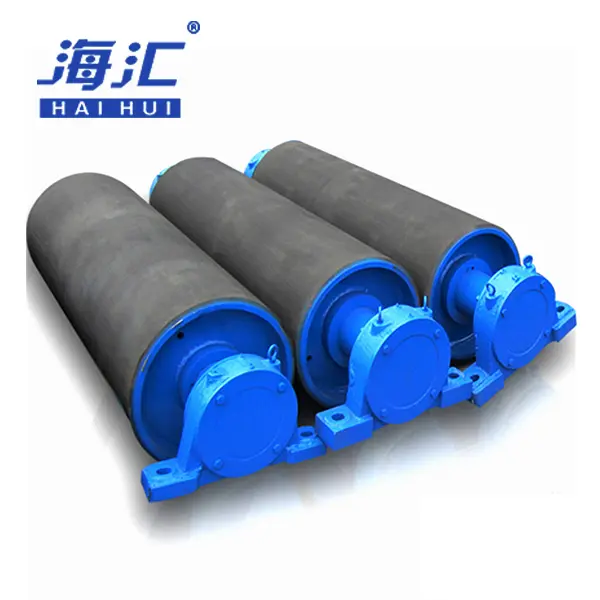
3 Reasons Conveyor Snub Pulleys Improve System Performance
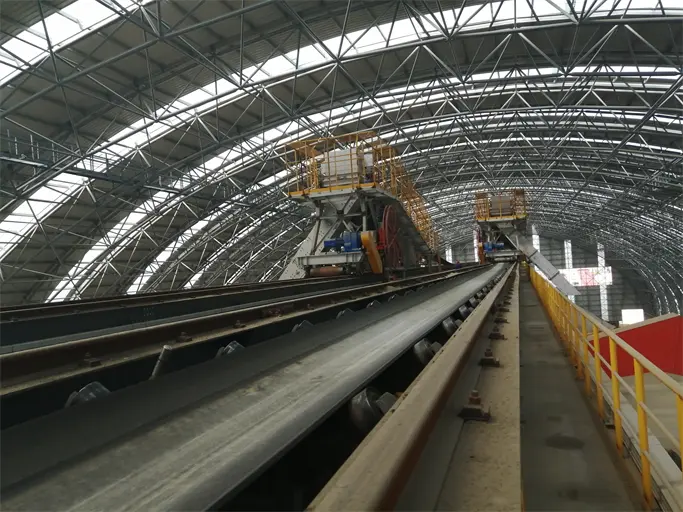
Walk into any quarry and you’ll see it—properly designed snub pulleys improve belt tracking and tension control noticeably. Smart components, robust construction, and careful installation turn simple redirects into uptime drivers. When operations invest in quality snub pulleys, maintenance crews notice. That’s exactly where Haihui helps conveyors run better.
1. Increased Wrap Angle Improves Traction
When conveyor engineers choose quality snub pulleys, belt tension starts with proper wrap angle and belt-to-drive contact.
Engineering Precision
- Snub pulley positioning increases wrap angle by 15-30 degrees
- Improved traction on drive pulley reduces slip
- Proper geometry enhances overall belt tension control
Operational Reliability
- Consistent belt contact reduces cover wear
- Balanced tension improves belt tracking
- Less slip means lower belt stress
System Performance
- Proper wrap angle reduces drive pulley slip
- Repeatable performance across varying loads
- Uniform belt contact across entire drive face
“Belt tension management through snub pulleys continues to outperform alternative methods in slip prevention and belt life extension.” — Smithers’ 2025 bulk handling outlook
With Haihui, conveyor systems using properly designed snub pulleys get reliable performance without belt damage or slippage.
2. Premium Shell Construction and Lagging Enhance Component Life
Component reliability shapes how maintenance crews judge pulley quality.
Structural Strength
- Thicker Gauge — S355 steel plate
- Greater material thickness improves dent resistance
- Reinforced structure withstands belt tension
Higher Durability
- Stronger stacking load capacity
- Longer service life
Interior Protection
- Sealed bearings prevent contamination
- Extends component life
- Clean internal surfaces preserve bearing function
Customer Perception
- Solid construction signals reliability
- Smooth finish indicates quality manufacturing
Quality snub pulleys feel robust and durable. That tactile confidence matters. Haihui carefully selects material grades to balance cost and performance without cutting corners.
3. Proper Concentricity and Alignment Improve Belt Tracking
Belt tracking often decides component longevity.
Engineering Precision
- Optimized shell concentricity (≤0.5mm TIR)
- Better belt path stability
- Precise face width improves belt contact
Tracking Stability
- Reduced misalignment
- Lower edge wear risk
- More stable belt path
User Experience
- Enhanced belt tracking
- Improved reliability
- Consistent operation
Smart structural details transform snub pulleys from simple redirects into system-performance enhancers. Smooth concentricity, balanced construction, and tight alignment make everyday operation feel reliable. That practical reliability, backed by Haihui manufacturing know-how, keeps conveyors competitive in demanding applications.
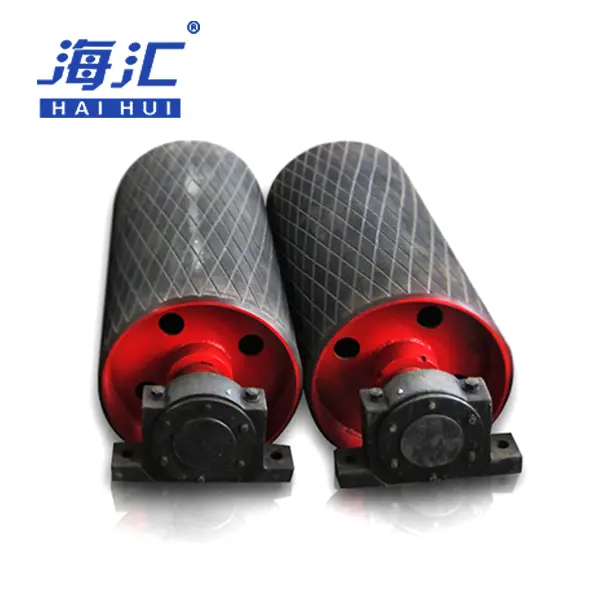
Types of Conveyor Snub Pulley Finishes
Surface finish can make or break snub pulley performance. It affects traction, corrosion control, lagging adhesion, and even how the pulley interacts with the belt. Manufacturers investing in quality snub pulleys know that finish is not just cosmetic—it protects component integrity and keeps conveyors running during shipping and operation.
Rubber Lagged Finish
When engineers choose rubber lagging for snub pulleys, the focus usually falls into two core layers:
Base Protection System
- Steel shell substrate strength
- Vulcanized rubber bonding
- Added traction layer improving friction coefficient
Visual & Operational Enhancement
- Adjustable durometer options (60-75 Shore A)
- Smooth running surface for better belt contact
- Long-term durability during operation
For snub pulleys used in wet or dusty conditions, this lagging works like armor. The rubber bonds tightly to the steel, keeping traction stable in humid storage or wet operation. At Haihui, rubber compounds are tuned to match belt cover materials, helping snub pulleys maintain reliable traction without slipping.
Ceramic Lagged Finish
Ceramic lagging sits on high-abrasion snub pulleys, forming a wear-resistant barrier that keeps traction consistent.
- Shields shell surface with extreme abrasion resistance
- Maintains traction in wet or muddy conditions
- Meets strict safety expectations for inclined conveyors
The ceramic acts as a non-slip interface between belt and pulley. Good bonding matters. Poor adhesion leads to tile loss; solid bonding supports long-term traction.
For regulated uses, including underground coal or inclined conveyors, lagging coverage and bond strength are carefully measured:
| Parameter | Standard Range | Test Method | Performance Impact |
|---|---|---|---|
| Tile coverage | 60-80% | Visual inspection | Traction area |
| Bond peel strength | ≥12 N/mm | Peel test | Tile retention |
| Durometer | 60-75 Shore A | Hardness test | Grip vs. wear |
| Groove depth | 6-10mm | Depth gauge | Water shedding |
Conveyor engineers choosing snub pulleys for aggressive applications rely on this layer to keep traction under control.
Bare Steel Finish
Bare steel keeps things simple. No lagging. No coating.
The natural metal finish gives a clean surface for dry, clean applications. Some operations prefer this traditional look for indoor, low-moisture conveyors.
It starts with high-quality raw material—solid steel plate shaped easily because the surface remains un-coated. That improves weldability and forming.
Still, there is mild rust susceptibility in humid air, so storage control matters. For projects needing post-fabrication lagging or special coatings, many manufacturers—including Haihui—offer this base option so engineers can finish snub pulleys exactly the way they need.
4 Performance Metrics to Track with Snub Pulleys
Strong conveyor performance with snub pulleys is not luck; it’s measured. From belt tension stability to maintenance intervals, every detail counts. Operations using quality snub pulleys know consistency builds trust. Here’s how to track performance without overcomplicating it.
Metric 1 – Belt Tension Stability via Wrap Angle
When assessing snub pulley performance, focus on how belt tension stability translates in real operation.
Operational visibility
- Wrap angle measurement accuracy
- Tension variation under load
- Friction coefficient consistency
Traction stability
- Lagging condition
- Groove depth retention
Belt path stability
- Tracking precision
- Belt path consistency
Well-made snub pulleys should maintain belt tension stability across varying loads and operating conditions. Subtle changes in wrap angle can affect slip, so tight controls matter.
Metric 2 – Slip Prevention Effectiveness
Tracking is simple: does the belt slip?
- Measure slip occurrence under varying loads.
- Record drive pulley speed vs. belt speed.
- Compare response between standard and properly configured snub pulleys.
Short checks help:
- Is slip occurrence below acceptable limits?
- Does lagging maintain consistent friction?
- Are belt speed and pulley speed consistent?
Metric 3 – Component Life Index via Wear and Corrosion Resistance
Component life protects both operation and maintenance budget.
Material integrity
- Shell thickness retention
- Bearing condition
- Corrosion protection
- Salt spray hours
- Humidity resistance rate
- Protective coating
- Lagging adhesion grade
- Abrasion resistance cycles
| Test Type | Standard Threshold | Avg. Result |
|---|---|---|
| Salt Spray (hrs) | ≥500 | 600 |
| Lagging wear (mm/year) | ≤2 | 1.5 |
| Bearing life (hrs) | ≥50,000 | 65,000 |
High scores mean longer component life, safer operation, and stronger structural integrity for snub pulleys.
Metric 4 – Supply Reliability through Lead Time & Inventory Management
Even the best snub pulleys fail if supply slips.
Supply chain
- Raw steel sourcing stability
- Backup vendors
- Production scheduling
- Batch cycle time
- Capacity buffer
Logistics efficiency
- On-time shipment rate
- Regional warehousing coverage
Inventory levels
- Turnover ratio
- Safety stock days
Haihui supports operations with tight delivery timelines and steady operational flow, keeping snub pulleys moving smoothly from factory to conveyor.
FAQs
What makes conveyor snub pulleys valuable on bulk handling systems?
Performance begins with physics and ends with reliability.
- Increased wrap angle (15-30°) enhances drive pulley traction.
- Proper positioning reduces belt slip on inclined or wet conveyors.
- Quality lagging maintains consistent friction coefficient.
- Strong shell construction ensures durability under tension.
When alignment, shell concentricity, and lagging suit the application, snub pulleys stop being simple redirects—they become belt tension managers.
How does material choice affect durability in aggregate and mining conveyors?
Material is the quiet guardian of component stability.
| Material Type | Key Protection Feature | Typical Application |
|---|---|---|
| S355 + rubber lagging | Traction and corrosion resistance | Quarry, aggregate |
| S355 + ceramic lagging | Extreme abrasion resistance | Mining, inclined |
| Stainless steel | Corrosion resistance | Washdown, chemical |
Combined with proper shell thickness and sealed bearings, these materials shield tension loads and prevent internal contamination.
Why do operations prefer custom fabrication for snub pulleys?
- An experienced OEM supplier coordinates shell rolling, shaft machining, and lagging application.
- Custom fabrication secures consistent plate steel supply despite market swings.
- Centralized manufacturing shortens lead time and improves quality control.
- When mounting dimensions, face width, and lagging pattern are managed under one system, procurement teams breathe easier and installation dates stay intact.
How do manufacturing processes influence snub pulley strength and safety?
Strength is engineered step by step:
- Shell rolling or fabrication defines structure.
- Full-penetration welding secures end plates.
- Vulcanization bonds lagging to shell.
- Dynamic balancing verifies smooth rotation.
From quarry belts to overland conveyors, every stage protects belt tension inside and the conveyor outside.
References
- CEMA – Conveyor Equipment Manufacturers Association
- DIN 22101 – Belt conveyors for bulk materials
- Smithers – Bulk Handling Components Outlook 2025
- ISO 9001 – Quality management systems
- MSHA – Mine Safety and Health Administration
- ASTM E18 – Rockwell hardness testing
- ASTM E709 – Magnetic particle inspection
- Haihui – Technical specifications for conveyor snub pulleys
 English
 العربية
 简体中文
简体中文 Nederlands
 Français
 Deutsch
 Bahasa Indonesia
 Italiano
 日本語
日本語 한국어
한국어 Bahasa Melayu
 Polski
 Português do Brasil
 Русский
 Español
 Türkçe