Especificaciones principales de las cintas transportadoras para la selección industrial
- Explicación de las categorías de especificaciones de las cintas transportadoras de núcleo
- Tabla de parámetros de las especificaciones estándar de las cintas transportadoras
- Principios clave para la selección de especificaciones adecuadas para distintos materiales
- Errores habituales en la comparación de especificaciones y métodos para evitarlos
- Cómo comprobar las especificaciones de una cinta transportadora antes de su adquisición
- Preguntas frecuentes sobre las especificaciones de las cintas transportadoras
- Personalización de especificaciones profesionales y asistencia técnica de Haihui
- Referencias
Las especificaciones de las cintas transportadoras son la base de un manejo industrial fiable de materiales. Muchos fallos operativos, la baja eficiencia y el desgaste prematuro de los equipos se deben a una inadecuada adecuación de las especificaciones, más que a una mala calidad de la maquinaria. Los compradores suelen pasar por alto los parámetros técnicos detallados y se centran únicamente en las dimensiones básicas y el precio, lo que da lugar a una capacidad de carga inadecuada, un funcionamiento inestable y elevados costes de mantenimiento a largo plazo.
Las especificaciones estandarizadas de las cintas transportadoras definen la estabilidad operativa, la eficiencia de transporte, la adaptabilidad al entorno y la vida útil. La selección precisa de los parámetros garantiza una integración perfecta en la línea de producción, reduce el consumo energético y evita paradas innecesarias. Como fabricante profesional de cintas transportadoras industriales, Haihui cumple estrictamente con las normas industriales nacionales e internacionales para estandarizar todas las especificaciones fundamentales en función de los distintos escenarios de trabajo.
Explicación de las categorías de especificaciones de las cintas transportadoras de núcleo
Las especificaciones completas de una cinta transportadora abarcan la estructura mecánica, los parámetros operativos, la configuración de los materiales, las normas de seguridad y la adaptación al entorno. Cada una de estas categorías influye de forma conjunta en el rendimiento global del equipo. Una sola discrepancia en los parámetros puede comprometer la estabilidad de todo el sistema de transporte.
1. Especificaciones dimensionales básicas
Las especificaciones dimensionales son los indicadores más fundamentales para la selección del modelo de cinta transportadora, ya que determinan directamente la adaptabilidad de la disposición y la capacidad de transporte en las instalaciones de producción.
Longitud de transporte
Se refiere a la distancia efectiva de transporte horizontal del equipo, que se divide en longitud fija de una sola unidad y longitud modular empalmada. Los modelos de corta distancia se utilizan para el traslado interno en talleres, mientras que las cintas transportadoras empalmadas de larga distancia son adecuadas para el transporte de materiales en minas, puertos y grandes fábricas. Haihui ofrece longitudes personalizadas de entre 2 m y 1 000 m para adaptarse a las diversas configuraciones de las instalaciones.
Ancho de la correa (calibre estándar)
El ancho de la cinta es el parámetro fundamental que limita el volumen máximo de transporte. Las especificaciones estándar industriales incluyen 300 mm, 500 mm, 650 mm, 800 mm, 1000 mm, 1200 mm, 1400 mm y 1600 mm. El ancho debe ajustarse al tamaño de las partículas del material: los materiales de gran tamaño requieren cintas más anchas para evitar derrames y acumulaciones.
Ángulo de inclinación del transportador
Las cintas transportadoras horizontales estándar permiten el transporte en plano a 0°. Los modelos inclinados cubren ángulos de elevación de entre 0° y 30°. Para el transporte vertical con ángulos pronunciados, se requieren estructuras personalizadas de deflectores y faldones para resolver los problemas de deslizamiento del material. El ángulo de inclinación influye directamente en la capacidad efectiva de transporte y en la seguridad operativa.
2. Especificaciones de rendimiento operativo
Las especificaciones de rendimiento determinan la eficiencia operativa y la capacidad de carga de las cintas transportadoras, y constituyen la base fundamental para adaptar la capacidad de producción industrial.
Velocidad de transporte
La velocidad estándar de las cintas transportadoras oscila entre 0,5 m/s y 4,0 m/s. La velocidad baja (0,5–1,5 m/s) es adecuada para materiales frágiles, alimentos y situaciones que requieren una clasificación precisa; la velocidad media (1,5–2,5 m/s) se aplica al transporte convencional de materiales a granel; la velocidad alta (2,5–4,0 m/s) es adecuada para operaciones de gran volumen en minería y carga portuaria. Todas las cintas transportadoras de Haihui admiten regulación de velocidad mediante conversión de frecuencia continua.
Capacidad de transporte por hora
Se calcula en función del ancho de la cinta, la velocidad de la cinta, la densidad del material y el coeficiente de llenado, con una capacidad estándar que oscila entre 5 t/h y 1000 t/h. Los distintos materiales (cereales, minerales, polvos químicos, productos acabados) presentan densidades y ángulos de apilamiento diferentes, lo que da lugar a un rendimiento real variable incluso con las mismas especificaciones dimensionales.
Configuración de la potencia del motor
La potencia del motor se adapta al peso de la carga, la distancia de transporte y el ángulo de inclinación. Los motores de baja potencia (0,75-5,5 kW) son adecuados para aplicaciones logísticas y del sector alimentario de baja intensidad; los motores de potencia media (5,5-22 kW) son adecuados para materiales a granel en aplicaciones industriales generales; los motores a prueba de explosiones de alta potencia (más de 22 kW) están diseñados para la minería con cargas pesadas y condiciones de elevación con gran inclinación.
3. Material de la correa y especificaciones estructurales
La cinta transportadora es el componente principal sujeto a desgaste, y las especificaciones de su material determinan directamente la durabilidad del equipo, su adaptabilidad al entorno y la compatibilidad con los materiales.
Especificaciones habituales de los tipos de correas
Correa de PVC/PU para uso ligero: Apto para uso alimentario, libre de polvo, resistente al aceite, adecuado para entornos electrónicos, alimentarios, farmacéuticos y talleres limpios, con una resistencia a temperaturas de entre 0 °C y 60 °C.
Correa de goma normal: Resistente al desgaste y antideslizante, rentable para cereales, materiales de construcción y materiales a granel industriales en general, y apto para entornos convencionales tanto interiores como exteriores.
Correa reforzada con alambre de acero: Resistente al desgarro y de gran resistencia, diseñada para la minería con cargas pesadas, el transporte de mineral con partículas de gran tamaño y el funcionamiento continuo las 24 horas del día, lo que evita eficazmente la rotura de la cinta ante impactos fuertes.
Cinturón funcional especial: Correas resistentes a altas temperaturas (≤200 °C), anticorrosivas, resistentes a ácidos y bases, ignífugas y a prueba de explosiones, diseñadas a medida para condiciones de trabajo extremas, como plantas químicas y talleres de procesamiento a altas temperaturas.
4. Especificaciones de los componentes principales
El funcionamiento estable depende de que los componentes de soporte estén normalizados. Las piezas no normalizadas provocarán desviaciones de la cinta, vibraciones y derrames de material, incluso si los parámetros generales coinciden.
Especificaciones de los rodillos
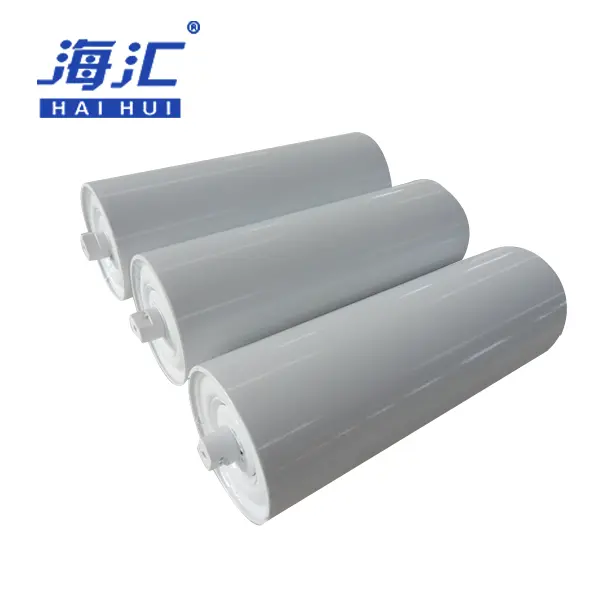
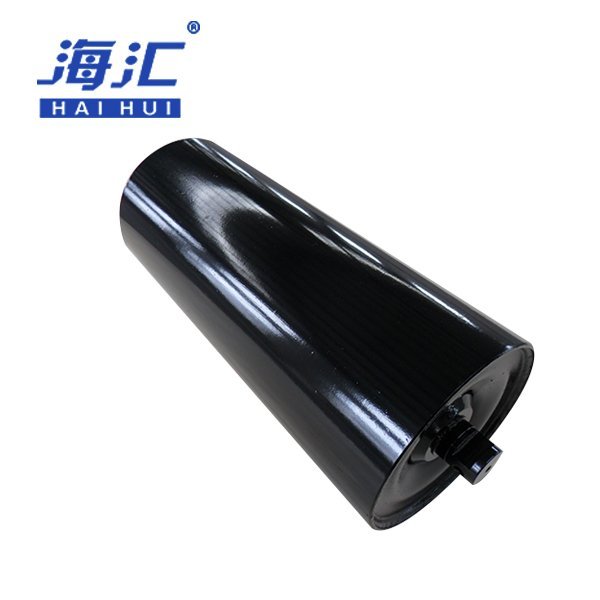
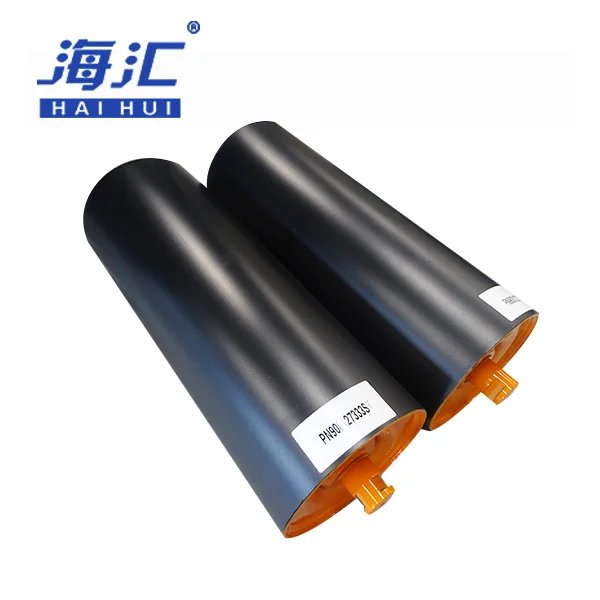
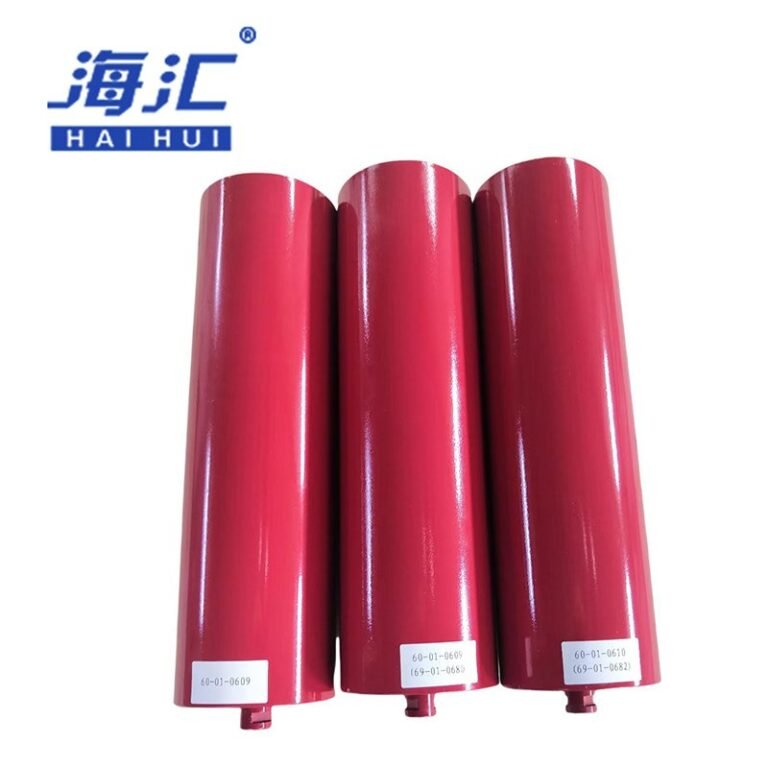
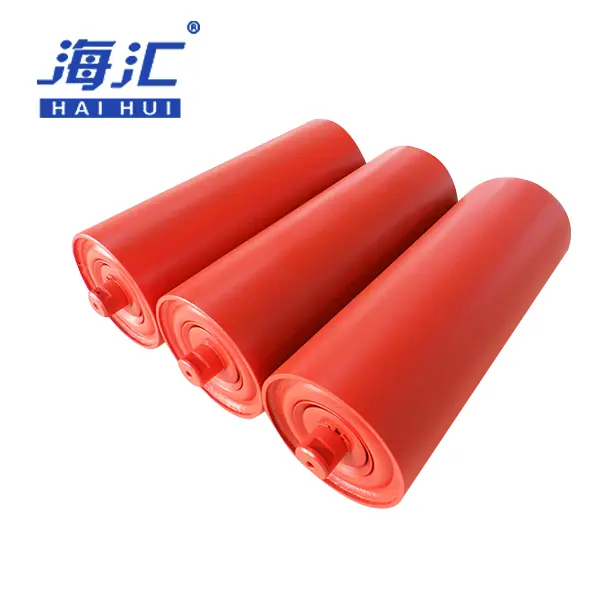
Los rodillos se clasifican en rodillos planos, rodillos de canal, rodillos amortiguadores y rodillos correctores de desviación. Los diámetros estándar son 50 mm, 63,5 mm, 76 mm, 89 mm y 108 mm. Los rodillos sellados y reforzados se utilizan en entornos polvorientos y húmedos para evitar la entrada de polvo y el deterioro de los rodamientos, lo que prolonga su vida útil.
Especificaciones de la polea
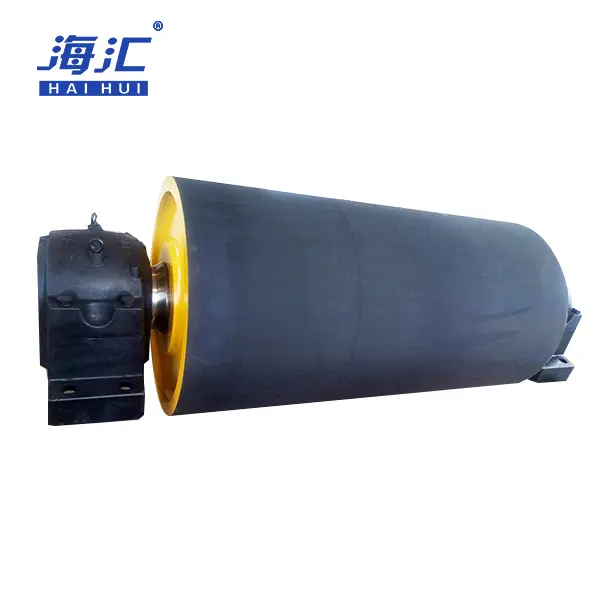
Las poleas motrices y las poleas de cola están fabricadas en acero al carbono recubierto de caucho o en acero inoxidable. El recubrimiento de caucho aumenta la fricción para evitar que la correa resbale; el diámetro de la polea se adapta al grosor de las capas de la correa para evitar una tensión de flexión excesiva y acelerar el envejecimiento de la misma.
Especificaciones del bastidor
Los bastidores para uso ligero están fabricados con acero al carbono de paredes finas pintado con pintura en aerosol; los bastidores para uso medio y pesado están fabricados con acero al carbono reforzado de mayor espesor; en casos especiales en los que se requiere protección anticorrosión, se utilizan bastidores de acero inoxidable 304 para garantizar la estabilidad estructural y la resistencia a la deformación durante un funcionamiento prolongado.
5. Especificaciones de seguridad y adaptación al medio ambiente
Las especificaciones de las cintas transportadoras de uso industrial incluyen normas completas de configuración de seguridad para adaptarse a entornos de trabajo complejos y cumplir con las normas de seguridad en la producción industrial.
Especificaciones de protección de seguridad
Las configuraciones estándar incluyen dispositivos de parada de emergencia, interruptores antidesviación, protección antideslizamiento y dispositivos de retención. Los equipos para largas distancias y grandes pendientes están equipados con sistemas de protección contra sobrecargas y de alarma de averías, con el fin de evitar daños en los equipos y accidentes de seguridad provocados por un funcionamiento con sobrecarga.
Especificaciones de adaptación ambiental
Los equipos convencionales se adaptan a temperaturas ambientales de entre -20 °C y 80 °C. Los modelos personalizados para bajas temperaturas permiten un funcionamiento resistente al frío de hasta -40 °C; los modelos para altas temperaturas se adaptan al transporte de materiales a temperaturas de hasta 200 °C. Las estructuras a prueba de polvo y totalmente cerradas son opcionales para entornos con mucho polvo, con el fin de reducir la contaminación ambiental y el desgaste de los equipos.
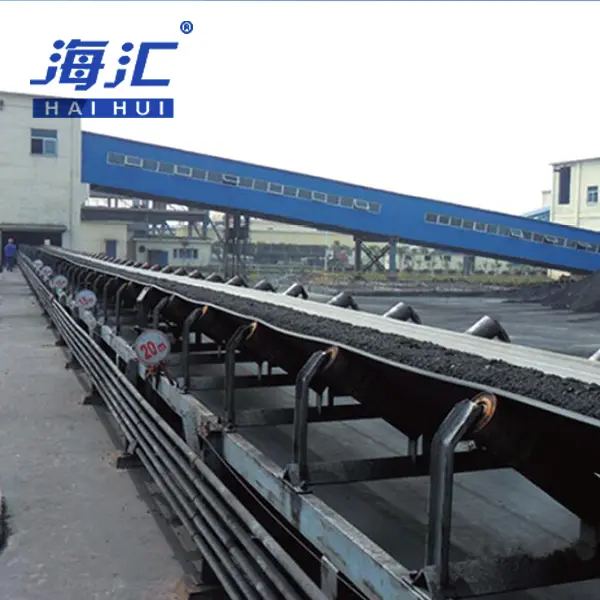
Tabla de parámetros de las especificaciones estándar de las cintas transportadoras
La siguiente tabla de parámetros estandarizados recoge los modelos más habituales de las cintas transportadoras Haihui, lo que permite realizar una comparación precisa y centralizada de las especificaciones principales para distintos escenarios, ayudando así a los usuarios a completar rápidamente la selección del modelo y la verificación de los parámetros.
| Modelo de cinta transportadora | Ancho de la correa (mm) | Velocidad de la cinta (m/s) | Capacidad de transporte (t/h) | Potencia correspondiente (kW) | Inclinación aplicable | Escenarios de aplicación principales |
|---|---|---|---|---|---|---|
| HH-300/500 para uso ligero | 300/500 | 0.5–2.0 | 5–50 | 0.75–3.0 | 0°–15° | Clasificación logística, procesamiento de alimentos, montaje de componentes electrónicos |
| HH-650/800 para uso medio | 650/800 | 1.0–2.5 | 50–200 | 3.0–11.0 | 0°–20° | Almacenamiento de cereales, materiales de construcción, materias primas químicas |
| HH-1000/1200 para uso intensivo | 1000/1200 | 1.0–3.0 | 200–500 | 11.0–22.0 | 0°–25° | Fábricas de cemento, procesamiento de áridos, minería en general |
| HH-1400/1600 ultrapesado | 1400/1600 | 1.5–4.0 | 500–1000 | ≥22,0 | 0°–30° | Carga a granel en puertos, grandes minas, industria del carbón |
| Modelo especial a medida | Personalizado | 0.3–4.0 | Personalizado | Personalizado | 0°–90° | Resistente a altas temperaturas, anticorrosivo, a prueba de explosiones, elevación vertical |
Todas las especificaciones de las cintas transportadoras Haihui cumplen estrictamente con la norma industrial GB/T 10595-2019, con tolerancias controlables en los parámetros y una consistencia estable entre lotes, lo que evita las desviaciones de las especificaciones provocadas por errores de montaje manual.
Principios clave para la selección de especificaciones adecuadas para distintos materiales
Las especificaciones unificadas no pueden adaptarse a todos los materiales. Una adaptación adecuada de las especificaciones de la cinta transportadora a las características del material es la clave para un funcionamiento estable y eficiente.
1. Materiales en polvo fino (cemento, harina, productos químicos en polvo)
Los materiales en polvo fino tienden a dispersarse y a derramarse. Es necesario combinar estructuras totalmente cerradas, una velocidad de cinta media-baja (1,0–1,8 m/s) y cintas transportadoras antiestáticas. La distancia entre rodillos debe reducirse adecuadamente para evitar que la cinta se hunda y se acumule material, y deben utilizarse cubiertas antipolvo a medida para controlar el desbordamiento de polvo.
2. Materiales duros con partículas de gran tamaño (mineral, guijarros, ganga de carbón)
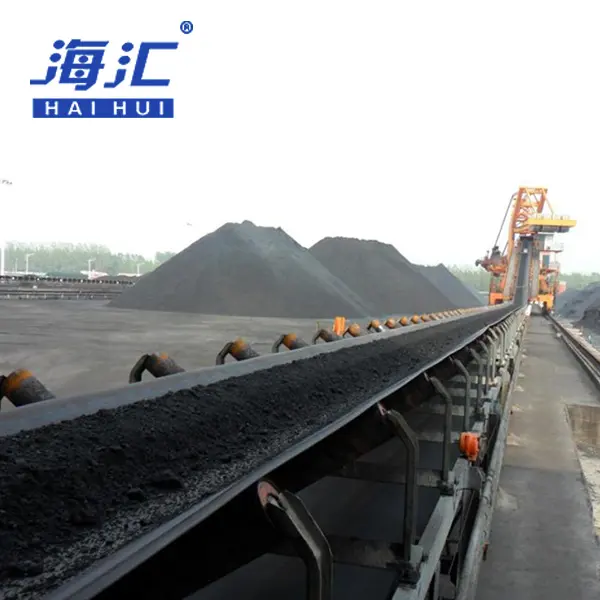
Las partículas de gran tamaño provocan un fuerte impacto y un gran desgaste. Las especificaciones exigen cintas de alambre de acero resistentes al desgarro, rodillos amortiguadores en la boca de alimentación, bastidores reforzados y motores de alta potencia. La anchura de la cinta debe ser superior a 2,5 veces el tamaño máximo de las partículas para garantizar un transporte estable del material y evitar atascos.
3. Materiales frágiles (alimentos, piezas acabadas, cereales)
Los materiales frágiles requieren un funcionamiento a baja velocidad (0,5-1,2 m/s), cintas de poliuretano aptas para uso alimentario y estructuras de transición suaves. No se permiten bordes ni esquinas afiladas en la superficie del equipo. La inclinación del sistema de transporte debe mantenerse dentro de un ángulo de 15° para evitar que el material ruede y se dañe.
4. Materiales corrosivos y resistentes a altas temperaturas
Para materiales ácidos, alcalinos y sometidos a altas temperaturas, es obligatorio el uso de estructuras de acero inoxidable anticorrosivo y correas especiales resistentes a altas temperaturas. Todos los pernos y componentes expuestos se someten a un tratamiento antioxidante y anticorrosivo para prolongar la vida útil de los equipos en entornos hostiles.
Errores habituales en la comparación de especificaciones y métodos para evitarlos
La mayoría de los problemas operativos se deben a una selección incorrecta de las especificaciones en las primeras fases. Resumir los errores más comunes puede contribuir de manera eficaz a mejorar la eficiencia operativa de los equipos y a reducir los costes.
Velocidad de la cinta excesivamente alta para materiales frágiles
La alta velocidad provoca colisiones entre los materiales, su desplazamiento y daños. Solución: dar prioridad a los modelos de regulación de velocidad a baja velocidad, ya sean fijos o de frecuencia variable, para los materiales frágiles, con el fin de garantizar un transporte estable.
Ancho de cinta insuficiente para materiales con partículas de gran tamaño
Las cintas estrechas provocan derrames frecuentes de material y una baja capacidad de transporte. Solución: Adaptar el ancho estándar de la cinta en función del tamaño máximo de las partículas y dejar un margen de tolerancia razonable.
Motor de bajo consumo para elevación con gran inclinación
Una potencia insuficiente provoca un bloqueo en el arranque y una desconexión por sobrecarga. Solución: Aumentar adecuadamente la potencia del motor para situaciones de transporte en pendiente y prever un margen de potencia de 20%–30%.
Correas normales para condiciones de trabajo exigentes
Las correas de goma normales son propensas al envejecimiento, la corrosión y los desgarros en entornos con altas temperaturas y corrosivos. Solución: Sustituirlas por correas funcionales especiales y combinarlas con las estructuras anticorrosivas y a prueba de polvo correspondientes.
Cómo comprobar las especificaciones de una cinta transportadora antes de su adquisición
La verificación de las especificaciones estándar antes de la compra permite evitar por completo los riesgos derivados de la incompatibilidad de parámetros. Haihui resume un proceso de verificación en cuatro pasos para que sirva de referencia a los compradores industriales.
Paso 1: Confirmar los parámetros de las condiciones de trabajo in situ
Anote el tipo de material, el tamaño de las partículas, la densidad, la temperatura, la demanda de transporte por hora, la distancia de transporte, el ángulo de inclinación y las condiciones ambientales (polvo, humedad, corrosión) para disponer de datos básicos que permitan determinar las especificaciones adecuadas.
Paso 2: Cumplir con las especificaciones del modelo estándar
Seleccione los modelos estándar correspondientes (para uso ligero, medio o intensivo) en función de los datos de las condiciones de trabajo y compruebe si el ancho de la cinta, la velocidad de la cinta, la potencia y la capacidad se ajustan a las necesidades de producción.
Paso 3: Comprobar las especificaciones funcionales especiales
En casos especiales, compruebe si las especificaciones funcionales —como la resistencia a altas temperaturas, la protección contra la corrosión, la protección contra explosiones y la protección contra el polvo— cumplen los requisitos de adaptación al entorno.
Paso 4: Comprobar el cumplimiento de las normas del fabricante
Asegúrese de que todas las especificaciones de los equipos cumplan con las normas industriales nacionales, compruebe la coherencia de los parámetros de los componentes y la estabilidad de los lotes, y evite que las piezas personalizadas no normalizadas afecten al mantenimiento y la sustitución posteriores.
Preguntas frecuentes sobre las especificaciones de las cintas transportadoras
¿Por qué las cintas transportadoras del mismo tamaño tienen capacidades de carga diferentes?
La capacidad de carga no solo viene determinada por el tamaño, sino también por características técnicas fundamentales como el material de la cinta, la potencia del motor, la configuración de los rodillos y el grosor del bastidor. Incluso con la misma longitud y anchura, los modelos de alta potencia y con una configuración reforzada presentan una estabilidad de carga y una capacidad máxima mucho mayores que los modelos estándar.
¿Se pueden modificar in situ las especificaciones estándar de una cinta transportadora?
Los pequeños ajustes de los parámetros, como la velocidad de la cinta, pueden realizarse mediante la puesta a punto del convertidor de frecuencia. Las especificaciones fundamentales, como la anchura de la cinta, la estructura del bastidor y la potencia del motor, no pueden modificarse in situ, y cualquier modificación forzada provocará averías en el equipo y riesgos para la seguridad.
¿Qué especificaciones deben confirmarse con prioridad en el caso de las cintas transportadoras a medida?
Se debe dar prioridad a la longitud del transporte, el ángulo de inclinación, la capacidad por hora y las especificaciones especiales de adaptación al entorno. Otras configuraciones auxiliares pueden ajustarse en función de las condiciones específicas de la obra, con el fin de garantizar que el rendimiento operativo básico satisfaga las necesidades de producción.
¿Cómo determinar si las especificaciones de una cinta transportadora son rentables?
La relación calidad-precio no se evalúa en función de una configuración básica y un precio bajo. La especificación óptima es aquella que se adapta con precisión a las condiciones de trabajo, sin el derroche que supone una configuración excesiva ni las deficiencias de rendimiento que conlleva una configuración insuficiente, lo que garantiza un funcionamiento estable a largo plazo y unos bajos costes globales de mantenimiento.
¿En qué se diferencia la vida útil de las distintas especificaciones de correas?
Las correas de PVC normales tienen una vida útil de entre 1 y 2 años; las correas de caucho estándar pueden funcionar de forma estable durante 3 a 5 años; las correas reforzadas con alambre de acero y las correas funcionales especiales tienen una vida útil de más de 5 años. Una elección adecuada de las especificaciones puede maximizar la vida útil de las piezas sujetas a desgaste.
Personalización de especificaciones profesionales y asistencia técnica de Haihui
Unas especificaciones precisas de las cintas transportadoras son la base para una producción eficiente y estable. Como fabricante profesional de equipos de transporte industrial, Haihui se basa en años de experiencia en proyectos sobre el terreno para ofrecer servicios integrales de adaptación de especificaciones, selección de modelos estándar y personalización de modelos no estándar.
Todos los productos de cintas transportadoras de Haihui se diseñan con parámetros estandarizados y se someten a rigurosos controles de cumplimiento de las especificaciones, y cuentan con documentación técnica completa sobre los parámetros y informes de certificación de calidad. Nuestro equipo de ingeniería puede adaptar rápidamente esquemas de especificaciones exclusivos a las condiciones de trabajo reales de los usuarios, evitando problemas de incompatibilidad de parámetros, redundancia en el rendimiento o capacidad insuficiente.
Ofrecemos asistencia técnica integral que abarca todo el proceso, incluyendo el asesoramiento sobre especificaciones antes de la venta, la optimización de los esquemas, el seguimiento de los parámetros durante la producción y la resolución de problemas relacionados con las especificaciones tras la venta. Tanto si se trata de modelos industriales estándar como de equipos especiales a medida para condiciones de trabajo extremas, Haihui puede ofrecer soluciones de cintas transportadoras de alta precisión que cumplen con la normativa vigente.
¡Ponte en contacto ahora mismo con el equipo técnico de Haihui para obtener informes profesionales de adecuación de especificaciones de cintas transportadoras y soluciones técnicas a medida!
Referencias
GB/T 10595-2019 Especificaciones técnicas para cintas transportadoras – Norma nacional de China
Norma sobre diseño y cálculo de parámetros de cintas transportadoras industriales – ASTM International
Manual de especificaciones de equipos industriales de manipulación de materiales 2026 – Informe de análisis del sector
Evaluación del rendimiento y la vida útil de los materiales de las cintas transportadoras – ScienceDirect
Norma sobre especificaciones de seguridad para cintas transportadoras mineras – Norma industrial de la CEPE
Directrices para el mantenimiento de los parámetros a lo largo de todo el ciclo de vida de las cintas transportadoras – Asociación de Ensayos de Equipos
Tendencia mundial en la optimización de las especificaciones de las cintas transportadoras industriales hasta 2026 – Instituto de Investigación del Sector
 English
 العربية
 Português do Brasil
 Русский
 Español