
Rodillos de rodamientos de alta resistencia: la única pieza en la que nunca debes “ahorrar”
- Por qué la mayoría de los rodillos de los cojinetes para cargas pesadas se estropean antes de tiempo
- El verdadero coste de los rodillos de rodamiento baratos
- No hay una especificación válida para todos: adapta el rodillo a la zona
- Rodillos de rodamientos de alta resistencia: OEM frente a recambios
- 5 aspectos que los compradores pasan por alto a la hora de adquirir rodillos para rodamientos
- Cómo comprobar la fiabilidad de un proveedor de rodillos para rodamientos
- Preguntas frecuentes
Comprar rodillos de rodamientos para uso intensivo Parece una decisión de adquisición rutinaria. Pero no lo es. Un rodillo con un eje blando, un cojinete que no estaba bien sellado, un tratamiento térmico que se omitió un viernes por la tarde… y, de repente, tu cinta transportadora está averiada, la carcasa del cojinete está destrozada y tu equipo de mantenimiento está sacando virutas de metal del bastidor con un imán en un palo. Para los directores de planta, eso no es un mal día. Es una pesadilla de tres turnos y una auditoría de compras que realmente no te apetece nada.
“Nos ahorramos doce dólares por rodillo”, me dijo un supervisor de mantenimiento, apoyado en un banco de trabajo cubierto de piezas averiadas. “Pensábamos que estábamos siendo listos. Esos rodillos duraron ocho meses. Los cojinetes se quemaron, los ejes se desgastaron y las carcasas se deformaron hasta adquirir forma de huevo. Al final, tuvimos que comprar los buenos de todos modos, tras aprender la lección a base de mucho dinero”.”
El mercado mundial de rodillos para rodamientos de alta resistencia se valoró en más de $4.2 mil millones en 2024, según fuentes del sector recopiladas por Modern Bulk Handling. Una parte abrumadora de ese gasto corresponde a la sustitución de rodillos que han fallado prematuramente, no por desgaste normal, sino por una especificación incorrecta, una fabricación deficiente o ambas cosas.
Así que, antes de dar el visto bueno a un pedido al por mayor de rodillos de rodamientos, comprueba la dureza del eje, la holgura del rodamiento, el tipo de junta, el grado de acero y los registros del tratamiento térmico. Porque en este sector, escatimar en los rodillos de los rodamientos no supone un ahorro de dinero, sino que acaba deteriorando las carcasas de los rodamientos y provocando paradas en la producción.
Respuestas rápidas: Conceptos básicos sobre los rodillos de rodamientos para cargas pesadas
➔ Eje y dureza: Especificar acero 40Cr o 42CrMo4, endurecido por inducción hasta un HRC de 52-58 en los muñones de los cojinetes, con registros certificados de la profundidad de la capa de endurecimiento.
➔ Rodamientos y holgura: Elija rodamientos con holgura interna C3 o C4 (de rodillos cónicos o de ranura profunda), de grado P6 como mínimo, con holgura radial documentada.
➔ Sellado y protección: Especificar juntas de doble contacto o de laberinto triple (IP66+), poliurea resistente a altas temperaturas o grasa de litio, y un volumen de llenado verificado.
➔ Carcasa y material del rodillo: Carcasa de acero S355 o acero endurecido, con un espesor de pared de entre 6 y 15 mm en función del uso, soldaduras de penetración total con inspección MPI.
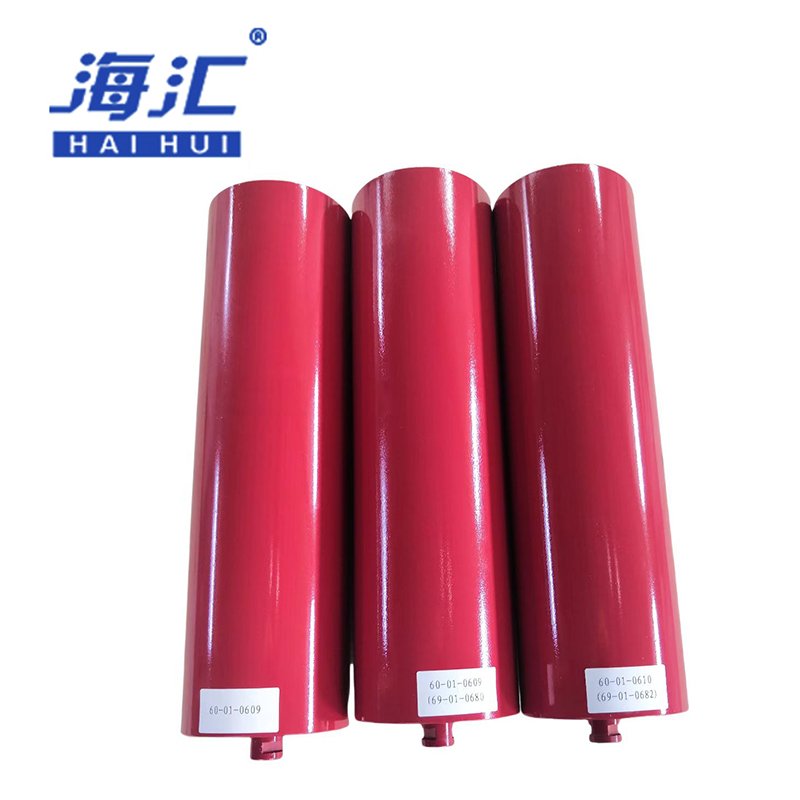
Por qué la mayoría de los rodillos de los cojinetes para cargas pesadas se estropean antes de tiempo
Los rodillos de rodamientos para servicio pesado no fallan por su antigüedad. Fallan por tres factores decisivos: la contaminación, una dureza inadecuada y una holgura incorrecta del rodamiento. Un rodillo que funcionaría durante cinco años en una cinta transportadora interior, limpia y seca, podría averiarse en seis meses en la descarga de una trituradora o en una planta de áridos húmeda.
He estado en fábricas en las que los rodillos de apoyo fallaban con tanta frecuencia que el equipo de mantenimiento tenía un carrito especial solo para los recambios de rodillos. Tres rodillos a la semana, cada semana. Eso no es mantenimiento. Es un trabajo a tiempo completo.
“Le echábamos la culpa al entorno”, me dijo un ingeniero de la planta. “El polvo, el agua, las cargas pesadas. Entonces abrimos un rodillo averiado y vimos que el eje no estaba endurecido. En absoluto. No era culpa del entorno. Era culpa de la pieza‘.”
Dureza del eje: la columna vertebral de un rodillo de rodamiento
El eje es sobre lo que realmente gira el rodamiento. Un eje blando se desgasta en la zona donde se asienta el rodamiento. Entonces, el ajuste se afloja. A continuación, el rodamiento gira sobre el eje. Después, el eje se raya. Luego, el rodillo se tambalea. Y, finalmente, todo falla.
| Tipo de rodillo | Diámetro del eje (mm) | Dureza (HRC) | Profundidad de la caja (mm) |
|---|---|---|---|
| Transportador para cargas ligeras | 20–35 | 48–52 | 1.5–2.5 |
| Uso intensivo / resistencia a los impactos | 35–55 | 52–56 | 2.5–4.0 |
| Extremo / minería | 55–80 | 54–58 | 4.0–5.5 |
“He cortado ejes que no tenían profundidad de temple”, un Haihui Me dijo el metalúrgico: “Blandísimo por dentro y por fuera. El anillo interior del rodamiento giraba sobre el eje como si estuviera sobre hielo. Esos rodillos estaban condenados desde el primer día”.”
Calidades de acero para ejes que dan buenos resultados
- 40Cr: Buen equilibrio entre resistencia y dureza
- 42CrMo4: Mayor resistencia mecánica, mayor resistencia a la fatiga, ideal para aplicaciones de alta exigencia
- Templado por inducción: Crea una superficie resistente al desgaste, al tiempo que mantiene un núcleo resistente
Holgura de los rodamientos: el detalle que todo el mundo pasa por alto
La mayoría de la gente elige los rodamientos en función del tamaño y la marca, y ahí se queda. El juego interno es igual de importante. Si no se calcula bien, el rodamiento se calienta, se gripa o falla prematuramente.
| Holgura del rodamiento | Código | Ideal para | Riesgo |
|---|---|---|---|
| Normal | CN | Uso ligero, temperatura constante | Puede calentarse en caso de carga elevada |
| C3 | C3 | Uso intensivo, temperatura moderada | Estándar para la mayoría de los sectores industriales |
| C4 | C4 | Carga elevada, alta temperatura, impactos | Ajuste más holgado, compensa la desalineación |
“Teníamos una línea en la que los rodamientos fallaban constantemente en verano”, me contó un ingeniero de fiabilidad. “Cambiamos la holgura de C3 a C4 en el mismo rodamiento. Los fallos cesaron. La holgura interna adicional permitió que el rodamiento soportara la expansión térmica sin atascarse”.”
La calidad de los rodamientos también es importante
- P0 (normal): Adecuado para trabajos ligeros y velocidades reducidas
- P6: Tolerancia más ajustada, estándar para rodillos de alta resistencia
- P5: Alta precisión, para altas velocidades o aplicaciones críticas
Tipos de juntas: cómo evitar la contaminación
El retén es la primera línea de defensa del rodillo del rodamiento. El polvo, el agua y las partículas finas deterioran rápidamente los rodamientos.
| Tipo de junta | Clasificación IP | Resistencia a la contaminación | Ideal para |
|---|---|---|---|
| Contacto con un solo labio | IP55 | Moderado | Limpieza de interiores, polvo ocasional |
| Contacto doble con los labios | IP65 | Bien | Industria general, nivel moderado de polvo |
| Triple labio / laberinto | IP66 | Muy bien | Mucho polvo, condiciones de humedad |
| Anillo en V con deflector | IP66+ | Excelente | Contaminación extrema, lavado a presión |
“He visto cómo el polvo fino de carbón obstruía por completo un cojinete en tres meses con un solo sello de labio”, me contó un operario de una planta de preparación. “Cambiamos a un sello de triple labio. Tres años después, los mismos cojinetes siguen funcionando”.”
Elección de la grasa: no todas las grasas son iguales
| Tipo de grasa | Viscosidad del aceite base | Rango de temperatura | Ideal para |
|---|---|---|---|
| Complejo de litio (NLGI 2) | 150–220 cSt | de –20 a +120 °C | Industria general |
| Poliurea (NLGI 2) | 150–220 cSt | de –20 a +150 °C | Alta temperatura, larga vida útil |
| Sintético (PAO) | Variable | De –40 a +180 °C | Frío o calor extremos |
El volumen de llenado también es importante
- Demasiado poco: El rodamiento funciona en seco y falla prematuramente
- Demasiado: La grasa se agita, se sobrecalienta y se filtra por las juntas.
- Justo lo que hace falta: 25–40% de cavidad del cojinete para la mayoría de las aplicaciones; 40–60% para uso intensivo
Integridad de la carcasa del rodillo y de las soldaduras
La carcasa soporta la carga. Un acero de mala calidad o unas soldaduras defectuosas provocan grietas en la carcasa y fallos en los rodillos.
| Calidad de la cáscara | Espesor de la pared (mm) | Ideal para |
|---|---|---|
| S355 | 6–10 | Estándar de alta resistencia |
| S355 templado | 8–12 | Entornos abrasivos |
| Acero fundido | 10–15 | Impacto extremo |
La inspección de las soldaduras es imprescindible
- Inspección por partículas magnéticas (MPI) para soldaduras de extremos y bridas
- Sin grietas, sin porosidad
- Penetración total en soldaduras de resistencia
“Compramos rodillos para rodamientos a un proveedor que nos envía fotos de MPI con cada lote”, me comentó un responsable de mantenimiento. “No tengo que adivinar si las soldaduras son buenas. Puedo verlas”.”
El verdadero coste de los rodillos de rodamiento baratos
| Factor de coste | Rodillo de calidad | Rodillo barato |
|---|---|---|
| Precio unitario | $85 | $55 |
| Marca de rodamientos | SKF/Timken/NSK | Sin nombre |
| Dureza del eje | HRC 52-56, documentado | Desconocido |
| Tipo de junta | Labio doble o triple | Labio único |
| Vida útil prevista | entre 8.000 y 12.000 horas | 2.000–3.000 horas |
| Mano de obra necesaria para la sustitución | Lo mismo | entre 3 y 4 veces más a menudo |
| Daños en la vivienda | Ninguno | Con forma de huevo, con estrías |
| Coste total de propiedad | Inferior | entre 3 y 5 veces mayor |
“Hicimos un cálculo del coste total de propiedad (TCO) a cinco años para los rodillos de los cojinetes”, me comentó el jefe de planta. “Los baratos costaban la mitad inicialmente. A lo largo de cinco años, nos costaron cuatro veces más en mano de obra, tiempo de inactividad y carcasas dañadas. Ya no compramos los baratos‘.”
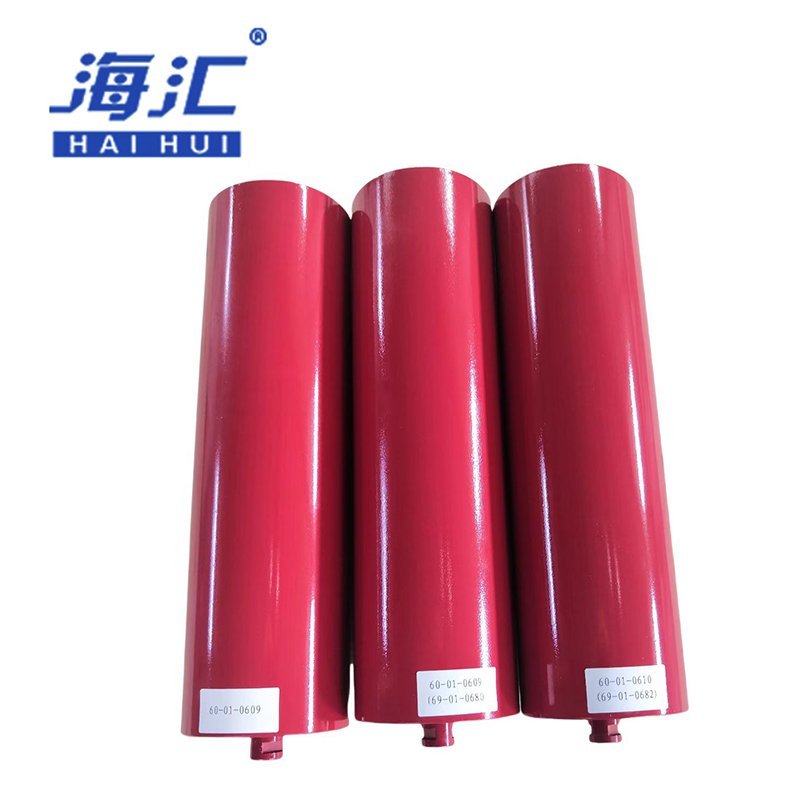
No hay una especificación válida para todos: adapta el rodillo a la zona
| Solicitud | Dureza del eje | Holgura del rodamiento | Tipo de junta | Pared de concha |
|---|---|---|---|---|
| Transportador en seco, carga ligera | HRC 48-52 | C3 | Labio único | 6–8 mm |
| Húmedo / con polvo, carga pesada | HRC 52-56 | C3 o C4 | Labio doble o triple | 8–12 mm |
| Zona de impacto, alimentación de la trituradora | HRC 54-58 | C4 | Anillo triple o anillo en V | 10–15 mm |
| Alta velocidad (>2 m/s) | HRC 52-56 | Rodamiento C3, P5 | Laberinto de baja resistencia | 8–10 mm |
“Utilizar las mismas especificaciones en todas partes es una falta de esfuerzo y resulta caro”, un Haihui Me lo dijo un ingeniero de aplicaciones: “Un rodillo sobredimensionado para una zona de trabajo ligero cuesta más de lo necesario. Un rodillo infradimensionado para una zona de impacto se estropea rápidamente. Hay que especificar las características según la zona, no según la planta‘.”
Rodillos de rodamientos de alta resistencia: OEM frente a recambios
Rodillos OEM
- Ventajas: Ajuste perfecto, calidad contrastada, documentación completa, garantía de alineación
- Contras: Precio elevado, plazos de entrega largos, flexibilidad limitada
- Ideal para: Equipos nuevos, aplicaciones en las que la garantía es un factor importante
Rodillos de recambio (de calidad)
- Ventajas: Precio más bajo, suele estar disponible en stock, se puede mejorar (juntas de mejor calidad, tolerancias más ajustadas)
- Contras: La calidad varía según el proveedor; es necesario evaluarlos minuciosamente
- Ideal para: Máquinas antiguas, flotas con limitaciones presupuestarias, actualizaciones
Haihui Suministra rodillos de recambio que cumplen o superan las especificaciones de los fabricantes de equipos originales (OEM): ejes endurecidos, rodamientos de calidad (SKF/Timken/NSK), juntas adecuadas y trazabilidad total. Tienen una regla sencilla: especifícalo, demuéstralo, garantízalo.
5 aspectos que los compradores pasan por alto a la hora de adquirir rodillos para rodamientos
1. Certificado de dureza
Solicita los informes de ensayo de HRC en los que figure la profundidad de temple. La expresión “templado” sin una cifra concreta no significa nada.
2. Especificaciones de holgura de los rodamientos
Pídelo por escrito: C3, C4 o CN. No des nada por sentado.
3. Tipo de sello — Por nombre
“La expresión ”junta de alta resistencia“ no tiene sentido. Elige una ”junta de doble labio, IP65“ o una ”junta de triple laberinto».”
4. Comprobación del nivel de grasa
Pregunta cómo controlan el volumen de llenado. Los rodillos que están demasiado llenos tienen fugas. Los que están poco llenos fallan.
5. Registros de inspección de soldaduras
Informes de pruebas MPI o de penetración con tinte para cada lote. No nos limitamos a decir “los comprobamos”.”
Cómo comprobar la fiabilidad de un proveedor de rodillos para rodamientos
| Comprobar | Indicador clave | Rango aceptable |
|---|---|---|
| Dureza del eje | HRC en el muñón del cojinete | 50-58, dependiendo del servicio |
| Marca de rodamientos | SKF, Timken, NSK o equivalentes | No se admiten marcas sin nombre |
| Holgura del rodamiento | C3 o C4 en expresión escrita | Aplicación de coincidencias |
| Tipo de junta | Doble labio / triple labio / anillo en V | IP65 como mínimo |
| Soldadura de la carcasa | Inspección del MPI | Sin grietas, penetración total |
| Prueba de giro | Giro gratis, sin tener que esforzarse | Rotación suave |
Haihui Proporciona documentación completa con cada pedido de rodillos para rodamientos: informes de dureza, certificados de los rodamientos, especificaciones de las juntas, registros de inspección de soldaduras y fotografías de los rodillos terminados. No tendrás que estar persiguiendo el papeleo.
Preguntas frecuentes
1. ¿Qué holgura de rodamiento debo utilizar para los rodillos de alta resistencia?
- C3: Uso general intensivo, el más habitual, adecuado para temperaturas moderadas.
- C4: Cargas elevadas, altas temperaturas, zonas de impacto o cuando la expansión térmica supone un problema.
- C2 (ajustado): Evítalo. Es demasiado ajustado para un uso intensivo.
2. ¿Cómo puedo saber si los rodillos de mi rodamiento están fallando?
- Visual: Fugas de grasa alrededor de las juntas, rayaduras en el eje, daños en la carcasa
- Audible: Chirridos, chirridos y golpes durante la rotación
- Temperatura: Si la carcasa está muy caliente (>80 °C), es señal de que hay un problema con los rodamientos.
3. ¿Qué debo comprobar antes de realizar un pedido al por mayor de rodillos para rodamientos?
- Certificado de dureza del eje (mínimo HRC 50+)
- Indicar por escrito la marca, el grado y la holgura del rodamiento
- Tipo de junta y índice de protección IP
- Registros de inspección de soldaduras (MPI o pluma de tinte)
- Especificaciones sobre el tipo de grasa y el volumen de llenado
- Muestra de corte del primer lote de un nuevo proveedor
4. ¿Puedo sustituir los rodamientos OEM por otros de mejor calidad?
Sí. Muchos proveedores del mercado de recambios ofrecen juntas mejoradas, de mayor dureza o con mejores holguras en los rodamientos que las originales. Solo hay que asegurarse de que las dimensiones y el ajuste sean idénticos.
Referencias
- Manipulación moderna de mercancías a granel: estimación del mercado de rodillos con cojinetes para 2024
- ISO 683‑17 – Aceros tratados térmicamente para rodamientos
- SKF – Guía sobre la holgura de los rodamientos y el ajuste interno
- ASTM E18 – Métodos de ensayo de dureza Rockwell
- Haihui – Fichas técnicas de rodillos para rodamientos de alta resistencia
 English
 العربية
 Português do Brasil
 Русский
 Español