
Rodillos de apoyo para cintas transportadoras de alta calidad | Tubos resistentes y rodamientos sellados
- Susurros sobre el dominio de los rodillos de apoyo de las cintas transportadoras
- Principales tendencias de diseño en los rodillos de apoyo de las cintas transportadoras: tubos, juntas y vida útil
- Elección de materiales y componentes clave para los rodillos de las cintas transportadoras
- 4 pasos para elegir el rodillo de apoyo adecuado para una cinta transportadora
- Paso 1: Adaptar el diámetro del rodillo y el espesor de la pared a la carga de la correa
- Paso 2: Esquema preliminar de la disposición de las juntas y especificaciones de la grasa
- Paso 3: Integrar la holgura del rodamiento y la tolerancia del eje
- Paso 4: Ajuste mediante pruebas de giro y objetivos de par
- Rodillos de transporte a medida frente a los estándar
- ¿Problemas con los rodamientos? El ajuste correcto y el sellado son la solución
- Mantenimiento sobre el terreno: rodillos de apoyo preparados para cumplir con la normativa
- Colabora con Haihui para satisfacer tus necesidades de rodillos transportadores a granel
- Referencias (selección)
La cinta transportadora zumba, un rodillo se atasca y, de repente, la cinta se comba, el bastidor tiembla y el teléfono del departamento de mantenimiento empieza a colapsarse. Parece sencillo, claro, pero el rendimiento es lo que mantiene tu planta en funcionamiento.
Ajusta bien el grosor de la pared del tubo, las juntas de los cojinetes y la rectitud del eje, o te arriesgas a sufrir daños en las correas, riesgos de incendio y llamadas de emergencia a medianoche. Las ruedas locas en buen estado giran con precisión y sin fricción. Las defectuosas desgastan las correas y suponen una pérdida de horas de trabajo.
Deja de permitir que los rodillos de baja calidad agoten tu presupuesto. Con más de 15 años de experiencia en el manejo de materiales a granel, Haihui Le ofrece una propuesta de solución en un día (planos, materiales y presupuesto definitivo) para resolver rápidamente sus problemas con las cintas transportadoras. Póngase en contacto con nuestro equipo de ingeniería hoy mismo.
Susurros sobre el dominio de los rodillos de apoyo de las cintas transportadoras
➔ Precisión dimensional: Optimice el diámetro de los rodillos, el espesor de la pared, el ajuste de los rodamientos y la longitud de la carcasa para equilibrar el soporte de la correa, la estabilidad del recorrido y la resistencia a los impactos.
➔ Equilibrio entre el material y el sellado: Seleccione tubos de acero soldados por alta frecuencia, un juego adecuado de los rodamientos (C3 o C4) y juntas laberínticas o de contacto para entornos propensos al polvo o húmedos.
➔ Especificaciones de diseño y rendimiento: Adapta el calibre de rodillos a la velocidad y la carga de la cinta; ten en cuenta la eficacia del sellado, el par de funcionamiento y la concentricidad.
➔ Cumplimiento normativo y control de calidad: Cumple con las normas ISO 9001, DIN 22107 y las normas de seguridad minera. Aplica las pruebas de centrifugado 100%, la inspección de soldaduras y la trazabilidad de los lotes para garantizar un envío seguro y duradero.
Principales tendencias de diseño en los rodillos de apoyo de las cintas transportadoras: tubos, juntas y vida útil
Los sistemas inteligentes de manipulación de materiales a granel ya no se basan en conjeturas a la hora de elegir los rodillos de apoyo. Analizan las señales que proporcionan el grosor del tubo, el tipo de junta del cojinete y la rectitud de la carcasa. Desde las cintas transportadoras de canteras hasta las cintas subterráneas, los cambios en el diseño de los rodillos de apoyo pueden parecer insignificantes, pero marcan la diferencia entre un funcionamiento sin problemas y las inspecciones semanales.
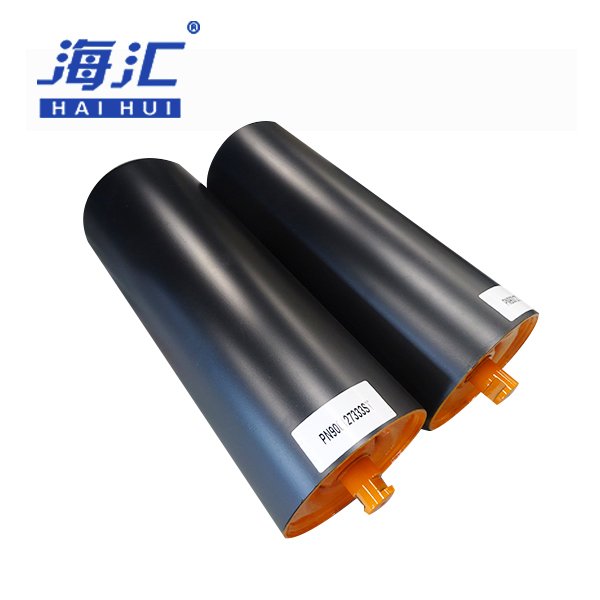
Nuevas exigencias en cuanto al diámetro de los rodillos y el espesor de las paredes
En el ámbito actual de la manipulación de materiales, el diámetro de los rodillos, el espesor de las paredes y la geometría general de la carcasa se están adaptando a los impactos y las cargas de la cinta que se producen en la práctica. ¿El objetivo? Una vida útil más larga sin comprometer el alineamiento.
Entre los principales factores impulsores se encuentran:
- Velocidades de cinta más elevadas (2,5-4 m/s) que exigen una concentricidad más precisa
- Cargas de impacto más intensas en los puntos de transferencia
- Requisitos más estrictos en materia de entrada de polvo y agua
- Diámetros mayores mejorar el soporte de la correa y reducir su holgura.
- Paredes más gruesas resistir las abolladuras provocadas por grumos pesados.
- Mejores juntas Evita que entre arena en los rodamientos.
Parámetros de rendimiento de los rodillos de apoyo de las cintas transportadoras
| Tipo de rodillo | Diámetro (mm) | Espesor de la pared (mm) | Carga máxima (kg) | Tipo de junta |
|---|---|---|---|---|
| Para uso ligero | 89 | 2.5 | 300 | Laberinto |
| De carga media | 114 | 3.2 | 500 | Doble labio |
| De alta resistencia | 133 | 4.0 | 750 | Triple laberinto |
| Impacto | 159 | 5.0 | 1000 | Contacto + Flinger |
*“La geometría optimizada de los rodillos influye directamente en el alineamiento de la cinta y en los intervalos de mantenimiento, lo que la convierte en un factor diferenciador clave en la manipulación de materiales a granel”. — Actualización del sector según las normas DIN 22107 / 2025*
Marcas como Haihui Adaptar las especificaciones de las ruedas locas a las condiciones reales de la cinta transportadora: de forma práctica, sin sobredimensionarlas.
Previsión de las tendencias en tecnología de juntas y holgura de los rodamientos
El cambio en el diseño de las juntas y en la holgura de los rodamientos es sutil, pero muy eficaz. Las ruedas locas modernas combinan la eficiencia estructural con el control de la contaminación, lo que mejora la fiabilidad a largo plazo.
La evolución del diseño suele seguir este camino:
- Analizar la exposición al polvo y al agua en la zona de la cinta transportadora.
- Elige juntas de laberinto para polvo seco y fino, o juntas de contacto para condiciones húmedas o con barro.
- Selecciona la holgura del rodamiento (C3 para la mayoría de los casos, C4 para altas temperaturas o impactos).
- Verificar mediante pruebas de par de funcionamiento y de giro.
En los sistemas avanzados de poleas tensoras:
- Juntas laberínticas – baja resistencia al avance, ideal para condiciones limpias y secas
- Contacto doble con los labios – mayor resistencia al aire, ideal para el polvo
- Triple laberinto + lanzador – protección extrema contra la contaminación
Aquí es donde las poleas tensoras inteligentes se diferencian de las normales: la fiabilidad que se esconde en su interior.
Evolución de los acabados superficiales: del acero sin tratar a la protección contra la corrosión
El proceso que va desde el acero sin tratar hasta los recubrimientos anticorrosivos refleja la evolución de las expectativas en cuanto a durabilidad, aspecto y coste total del ciclo de vida.
Esto es lo que está pasando:
- Acero sin recubrimiento que todavía se utiliza en trabajos en interiores en condiciones secas.
- Galvanizado con zinc aporta una resistencia moderada a la corrosión.
- Recubrimiento en polvo o epoxi Es habitual en entornos húmedos, con productos químicos o al aire libre.
En la práctica:
- Una mayor protección contra la corrosión triplica la vida útil de los rodillos en aplicaciones en húmedo.
- Un acabado más liso reduce el desgaste de la cubierta de la correa.
- Una mejor adherencia de la pintura hace que tu planta tenga un aspecto profesional.
Actualmente, muchas soluciones de rodillos tensores de alta gama combinan una pintura multicapa con inhibidores de la corrosión. Haihui incorpora sistemas de recubrimiento de alta resistencia que combinan un buen equilibrio entre coste y durabilidad, ya que un rodillo oxidado tiene tan mal aspecto como mal funciona.
Elección de materiales y componentes clave para los rodillos de las cintas transportadoras
Elegir los componentes para los rodillos tensores es muy parecido a elegir los neumáticos de un camión: el ajuste es fundamental y los pequeños detalles pueden pasar factura más adelante. Si aciertas con la combinación adecuada, tus rodillos tensores girarán sin problemas, sellarán bien y durarán años.
Calibre de los tubos de acero y calidad de las soldaduras
En el caso de los rodillos de apoyo, el espesor del tubo no es solo una cuestión de calibre, sino que es una decisión relacionada con la resistencia mecánica y la resistencia a las abolladuras, vinculada a cada clase de servicio.
- Para trabajos ligeros (2,0-2,5 mm) – ideal para la manipulación de paquetes, de bajo impacto
- Carga media (2,5–3,5 mm) – norma para áridos y mercancías a granel en general
- De alta resistencia (3,5–5,0 mm) – zonas de impacto, trozos grandes, alta velocidad de la cinta transportadora
Resumen rápido de las especificaciones de los rodillos de apoyo (información habitual para realizar pedidos)
| Calidad del tubo | Pared (mm) | Tipo de soldadura | Uso habitual |
|---|---|---|---|
| S235 | 2.5 | ERW | Industria ligera |
| S355 | 3.2 | ERW | Canteras, cemento |
| S355 templado | 4.0 | ERW + sin tensiones residuales | De alto impacto, minería |
Holgura de los rodamientos y tipos de juntas
Los rodamientos fallan por causas bastante comunes: entrada de polvo, secado de la grasa o giro del anillo interior sobre un eje blando. Por eso, la holgura del rodamiento y la elección del retén deben adaptarse a las condiciones de trabajo y al entorno.
- Holgura C3 – Es el modelo estándar para la mayoría de las aplicaciones y soporta un calor moderado.
- Holgura C4 – para zonas de alta temperatura o de gran impacto.
- Juntas laberínticas – baja fricción, solo en seco o en frío.
- Contacto doble con los labios – Buena fricción, excelente estanqueidad frente al polvo.
- Triple laberinto + lanzador – Ideal para polvo húmedo, embarrado o finamente abrasivo.
Comprueba que los datos sean veraces (sin complicarlo):
- Las pruebas de giro deben mostrar una rotación suave y silenciosa.
- Las pruebas de estanqueidad (si se pueden engrasar) deben retener la grasa sin que se produzca fugas.
- El desmontaje in situ debería revelar que la grasa está limpia y no presenta contaminación.
Haihui suele hacer una pregunta muy sencilla: ¿Buscas un coste inicial bajo o el menor coste total de propiedad?
Ajuste del rodamiento y dureza del eje
Un ajuste incorrecto no parece grave al principio: se manifiesta en forma de rodillo que funciona a trompicones, un alojamiento que se calienta y llamadas airadas de tu jefe de turno.
Qué hay que tener en cuenta en cuanto al estado físico:
- Tolerancia del eje: h7 o h6 para un ajuste adecuado del anillo interior
- Diámetro interior del alojamiento: H7 para el ajuste del anillo exterior
- Concentricidad: mantén la excentricidad por debajo de 0,2 mm
Aspectos que hay que tener en cuenta en lo que respecta al proceso:
- Rectitud del eje: los ejes combados estropean rápidamente los rodamientos.
- Calidad de las soldaduras en los tapones: las soldaduras defectuosas permiten la entrada de humedad.
- Cantidad de grasa: si se pone demasiada, se cuaja demasiado; si se pone muy poca, se seca.
Controles en la planta de producción que realmente sirven de ayuda:
- Prueba de giro con una escama de pez: medir el par de giro.
- Presta atención a si se oyen chirridos o ruidos sordos.
- Toma una muestra tras 1.000 horas para comprobar el estado de la grasa.
4 pasos para elegir el rodillo de apoyo adecuado para una cinta transportadora
Haihui mantiene sencilla la fase inicial de especificación: fija el tamaño del tubo, define a grandes rasgos la disposición de los cojinetes y las juntas, y luego adapta las condiciones de funcionamiento a los límites reales del diseño.
Paso 1: Adaptar el diámetro del rodillo y el espesor de la pared a la carga de la correa
Empieza con una matriz de carga para que las dimensiones no se calculen a ojo. Cada combinación debe corresponderse con el ancho de la correa, el peso del material y la energía de impacto.
| Ancho de la correa (mm) | Diámetro recomendado del rodillo (mm) | Pared de contención (mm) |
|---|---|---|
| 500–800 | 89 | 2.5–3.0 |
| 800–1200 | 114 | 3.0–3.5 |
| 1200–1600 | 133 | 3.5–4.5 |
| 1600–2000 | 159 | 4.5–5.5 |
Comprobación logística:
- Apiladores de palés: los rodillos estándar de 89 mm y 114 mm se apilan fácilmente.
- Plazo de envío: elige los tamaños habituales del programa de existencias de Haihui para evitar problemas con los plazos de entrega.
Comprobación de fabricación:
- Tolerancia: establecer los límites de «apto/no apto» en el diámetro exterior del tubo para que el ajuste del rodamiento se mantenga constante.
- Cambio de formato: un menor número de familias de rodillos se traduce en menos imprevistos en la línea de producción.
Paso 2: Esquema preliminar de la disposición de las juntas y especificaciones de la grasa
El diseño debe ser sencillo, pero no hay que descuidar las juntas. El tipo de junta y las especificaciones de la grasa son determinantes para la durabilidad en entornos polvorientos o húmedos.
Consejos rápidos de maquetación: Marca las posiciones de las juntas interior y exterior y, a continuación, traza el recorrido de la contaminación.
Una visión realista de la forma física:
- Exposición al polvo → laberinto o triple laberinto.
- Salpicaduras de agua o condiciones de barro → doble contacto con el labio o deflector.
- Contaminación extrema → junta de contacto con deflector externo.
Paso 3: Integrar la holgura del rodamiento y la tolerancia del eje
Aquí es donde la ingeniería deja de ser teoría y empieza a ser fiable. En el caso de los rodillos de las cintas transportadoras, las especificaciones de los rodamientos y los ejes deben tener tolerancias muy ajustadas para que el alineamiento se mantenga correcto y el par de funcionamiento sea bajo.
Configuración de los rodamientos:
- Holgura C3 para la mayoría de las cintas transportadoras.
- Holgura C4 para altas temperaturas o impactos fuertes.
Características del eje:
- Rectitud ≤ 0,2 mm por metro.
- Concentricidad ≤ 0,1 mm.
Normas de alineación (anidadas para que no se pierda nada):
- Primario: eje al orificio de la carcasa.
- Secundario: distancia entre el orificio de alojamiento y el eje del tubo.
Haihui suele incluir estas indicaciones directamente en el plano de fabricación, para que nadie tenga que hacer conjeturas sobre las tolerancias de montaje.
Paso 4: Ajuste mediante pruebas de giro y objetivos de par
Ahora aprieta el último 10% que provoca 90% de fallos de campo. Utiliza la prueba de giro como comprobación funcional, no solo como un trámite burocrático.
Decisiones sobre las pruebas:
- Elige el método de prueba de centrifugado (manual o automático).
- Ajusta el par de funcionamiento admisible (por ejemplo, <1,0 Nm para un rodillo de 114 mm).
- Límites de aprobación/suspenso del mapa: rotación suave, sin rozaduras, sin zonas planas.
Normas que evitan tener que volver a hacer el trabajo:
- Lleva un registro de las pruebas por lote.
- Descarta cualquier rodillo cuya rotación sea irregular o intermitente.
- Confirma las condiciones de la prueba (temperatura ambiente frente a arranque en frío).
Si estás aumentando la producción en la cadena transportadora, Haihui recomienda también realizar un corte de muestra aleatoria antes de dar luz verde al envío completo.
Rodillos de transporte a medida frente a los estándar
A la hora de elegir entre rodillos personalizados y rodillos de serie, no solo hay que tener en cuenta el precio, sino también el ajuste, el plazo de entrega y el número de rodillos que necesitas. Este breve resumen te ofrece una visión realista.
Rodillos tensores a medida
Las ruedas locas a medida se diseñan partiendo del trazado de tu cinta transportadora y, a partir de ahí, se adaptan a tus necesidades específicas.
Un plan a medida, adaptado a tu aplicación
- Geometría de los rodillos: longitudes únicas, diámetros irregulares, extremos de eje especiales.
- Superficie y protección: pintura de alta resistencia, tubos de acero inoxidable, conjuntos de juntas especiales.
- Imagen de marca: grabados o etiquetados según tu sistema de numeración de instalaciones.
Ideal para:
- Cintas transportadoras terrestres de gran longitud
- Minas de gran tonelaje
- Proyectos de rehabilitación con una distribución irregular de los marcos
Tolerancias habituales
| Artículo | Objetivo (mm) | Tolerancia (mm) |
|---|---|---|
| Diámetro exterior del tubo | 114.0 | ±0,20 |
| Longitud total | 1200 | ±0,50 |
| Espesor de la pared | 3.2 | ±0,10 |
| Rectitud del eje | — | ≤0,2 mm/m |
Rodillos tensores de serie
Las poleas tensoras de serie son la opción “listas para llevar”: están disponibles en stock, listas para enviar y, por lo general, se entregan rápidamente en camión.
Comprueba el ajuste
- Comprueba que las longitudes estándar se ajusten a la distancia entre los montantes de tu estructura.
- Comprueba que el tipo de junta sea adecuado para tu entorno.
Bloquear la línea de tiempo
- La disponibilidad inmediata reduce los plazos de entrega y garantiza el funcionamiento continuo de tu planta.
Nota rápida: muchos compradores siguen hablando de “rodillos personalizados” cuando se refieren a cualquier rodillo con un recubrimiento especial; los rodillos de serie no siempre ofrecen el mismo ajuste, pero ganan en rapidez y precio. Haihui suele combinar rodillos de serie con mejoras de sellado «Smart Seal» cuando el presupuesto es ajustado.
¿Problemas con los rodamientos? El ajuste correcto y el sellado son la solución
Las averías en los rodamientos de las ruedas locas resultan molestas porque dan la impresión de que se trata de “rodamientos defectuosos”, cuando en realidad el verdadero problema radica en el ajuste, la junta o la instalación. Este conjunto de recursos ofrece información práctica: qué hay dentro de los sistemas de juntas, cómo elegir ajustes de rodamientos que se mantengan correctos y cómo comprobar los resultados mediante pruebas de giro, todo ello adaptado a los proyectos de Haihui.
Anatomía de un buen retén de rodamiento
En el caso de los rodillos de las cintas transportadoras, los sistemas de sellado no son mágicos: se trata de un control de la contaminación por capas.
Componentes fundamentales (por qué son importantes)
- Senderos del laberinto: espacios largos y sinuosos para impedir que el polvo llegue al rodamiento.
- Puntos de contacto: de goma o poliuretano que limpia el eje.
- Cavidad de engrase: depósito para eliminar la contaminación.
Detalles de construcción que determinan los resultados en la vida real
- Demasiadas etapas laberínticas ralentizan el proceso; muy pocas dejan entrar el polvo.
- Presión de contacto del labio: lo suficientemente ligera como para no sobrecalentarse, lo suficientemente fuerte como para sellar.
- Carga de grasa: 30–50% de volumen libre — sin compactar.
Selección de la holgura de los rodamientos y la grasa para una mayor vida útil
En los rodillos de las cintas transportadoras, el juego y la grasa deben complementarse.
Opciones básicas que te ahorran dolores de cabeza:
- Holgura C3 para uso estándar (la mayoría de las cintas transportadoras).
- Holgura C4 para altas temperaturas o impactos fuertes.
- Grasa de complejo de litio con aditivos EP — NLGI 2.
- Llenado de grasa: 25–40% de la cavidad del cojinete para C3, 30–50% para C4.
Pruebas rápidas de la realidad (pequeñas, baratas y útiles):
- Prueba de giro a temperatura ambiente: par de funcionamiento ≤ 1,0 Nm para un rodillo de 114 mm.
- Prueba de arranque en frío (si la temperatura en tu planta desciende por debajo de cero): el par motor debería descender en un plazo de 60 segundos.
- Toma una muestra al cabo de 3 meses: la grasa debe estar limpia, sin ennegrecimientos.
Algunas “cosas a tener en cuenta” (sí, estas duelen):
- Par de funcionamiento elevado desde el primer momento → exceso de grasa o resistencia de la junta.
- Par bajo pero rotación irregular → ya hay suciedad en el interior.
- Rozamiento intermitente → daños en la pista de rodadura por rodadura excesiva.
Pruebas de durabilidad de los rodillos mediante ensayos de giro y par
Para demostrar que las poleas de inercia no se atascarán en tu cinta transportadora, los talleres reproducen condiciones reales en una prueba de giro. Se miden el par de funcionamiento, el ruido y el tiempo de inercia.
Flujo de prueba utilizado para la liberación del rodillo:
- Configuración: Coloca el rodillo en el banco de pruebas y aplica una ligera tensión a la correa.
- Rodaje: centrifugar durante 2 minutos a 150 RPM.
- Medida: aprieta con una llave dinamométrica calibrada y presta atención a si se oye algún ruido.
La mentalidad de «aprobado/suspenso»:
- Ajusta los límites para las cintas transportadoras de alta velocidad (>2,5 m/s); relaja ligeramente los límites para las cintas lentas.
| Duración de la prueba de centrifugado (min) | Par de funcionamiento (Nm) | Valoración del ruido (1–5) |
|---|---|---|
| 0 | 0.8 | 2 |
| 2 | 0.9 | 2 |
| 5 | 1.0 | 2 |
| 10 | 1.0 | 2 |
| 20 | 1.1 | 2 |
Analizar las cifras sin complicarlas demasiado:
- Si el par motor aumenta de forma constante, hay que sospechar que se debe a una resistencia en las juntas o a una desalineación de los cojinetes.
- Si el par motor se dispara al cabo de 5 minutos, significa que la grasa se está agitando: hay demasiada cantidad.
Los equipos de Haihui suelen volver a realizar las pruebas tras un descanso de 24 horas, por lo que la “solución” se basa en los mismos estándares de trabajo sobre el terreno.
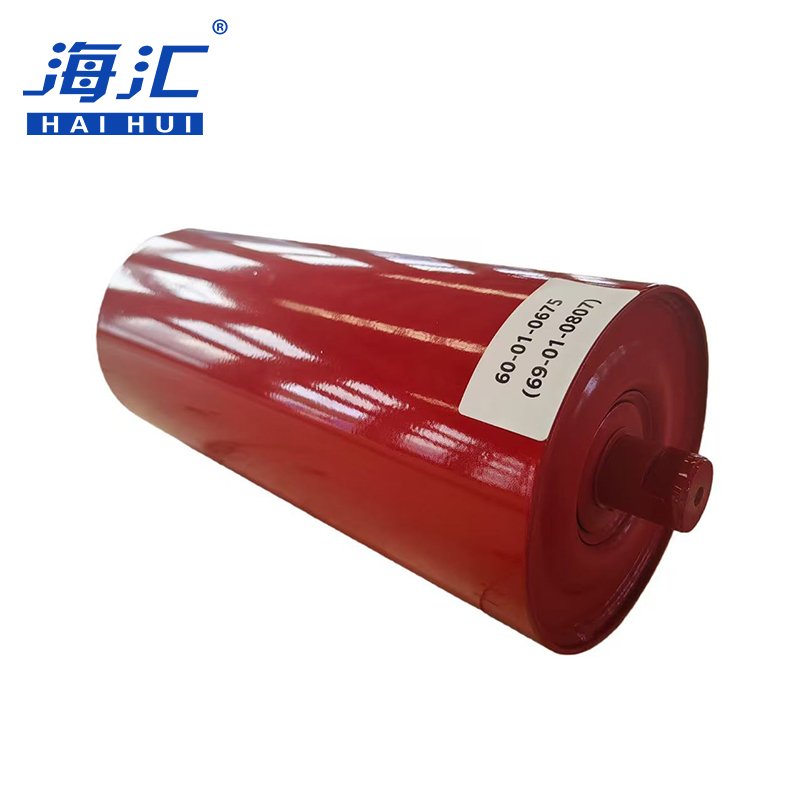
Mantenimiento sobre el terreno: rodillos de apoyo preparados para cumplir con la normativa
En el caso de los rodillos de las cintas transportadoras, el papeleo es solo la mitad del trabajo: el rodillo tiene que funcionar correctamente en condiciones reales de polvo, barro e impactos fuertes. En este artículo se repasan las normas ISO, el ajuste de los rodamientos y los hábitos de trazabilidad que hacen que las auditorías sean «aburridas» (en el buen sentido).
Ajuste del rodamiento y tolerancia de funcionamiento
En el caso de los rodillos utilizados en cintas transportadoras, cumplir con los requisitos no consiste simplemente en “utilizar un rodamiento”, sino en combinar todos los componentes de forma que el rodillo no se sobrecaliente ni se gripé.
Puntos de ajuste del rodamiento:
- Eje a anillo interior: h7 o h6.
- Tolerancia del agujero del casquillo respecto al anillo exterior: H7 para los normales, H8 para los lubricables.
- Comprueba la concentricidad: un valor superior a 0,2 mm reduce la vida útil de la junta.
Garantizar el control de la contaminación mediante juntas adecuadas
En el caso de los rodillos de apoyo, la junta es el héroe silencioso. Una buena junta impide la entrada de polvo, mantiene la grasa en su interior y evita que el rodillo empiece a girar con dificultad tras un mes en una cinta transportadora polvorienta.
Lo que suele verse:
- Labyrinth: aplicaciones en entornos limpios y secos.
- Contacto doble con los labios: polvoriento, humedad moderada.
- Triple laberinto + deflector: polvo húmedo, con barro o abrasivo fino.
Reglas de campo rápidas que la gente utiliza de verdad:
- Si el sellado es de metal contra metal, se trata de un sistema de laberinto; es adecuado para uso en interiores.
- Si ves un borde de goma, significa que hay contacto; es mejor para el polvo.
- Si tiene un deflector de goma externo, es para obras con humedad o barro.
Trazabilidad de lotes y registros de ensayos
La mantenimiento de los rodillos de guía resulta mucho más sencillo cuando cada unidad está vinculada a un historial completo: trazabilidad por lotes, además de registros del par de funcionamiento y de la inspección de las juntas.
Identifica:
- Anota el número de lote, el número de identificación del laminador de tubos y la fecha de montaje.
- Proveedor de conjuntos de cojinetes de enlace y juntas.
Registro:
- Almacena los resultados de las pruebas de giro, los datos de par y los registros de inspección de soldaduras.
- Añade notas sobre el almacenamiento: fecha de la prueba, identificación del responsable de la prueba.
Recuperar:
- Establece una regla de “dos clics”: busca cualquier orden de compra → extrae el registro de prueba y el lote de fabricación en cuestión de minutos.
- Lleva un registro de las devoluciones: cliente, fecha de envío, número de palé.
Colabora con Haihui para satisfacer tus necesidades de rodillos transportadores a granel
Deja de conformarte con lo “suficientemente bueno”. Desde su centro de fabricación de 45 000 m², Haihui garantiza la precisión mediante pruebas de giro 100% en cada rodillo y el cumplimiento de las normas ISO 9001, DIN 22107 y las normas de seguridad minera aplicables. Tanto si necesitas rodillos de impacto para la alimentación de una trituradora como rodillos autoalineables para una cinta transportadora terrestre de gran longitud, te ofrecemos rodillos duraderos y de alto rendimiento que protegen tu cinta transportadora y mejoran tu operación.
¿Listo para ponerte en marcha con unos rodillos que dan la talla? Te garantizamos una respuesta en un plazo de 12 horas. Solicita hoy mismo una revisión gratuita de tu solicitud y obtén un presupuesto definitivo.
Referencias (selección)
- DIN 22107 – Rodillos de apoyo para cintas transportadoras
- ISO 9001:2015 – Sistemas de gestión de la calidad
- SKF / FAG – Guías de selección y montaje de rodamientos
- Haihui – Especificaciones de ensayo interno para rodillos de apoyo de cintas transportadoras

 English
 العربية
 Português do Brasil
 Русский
 Español