
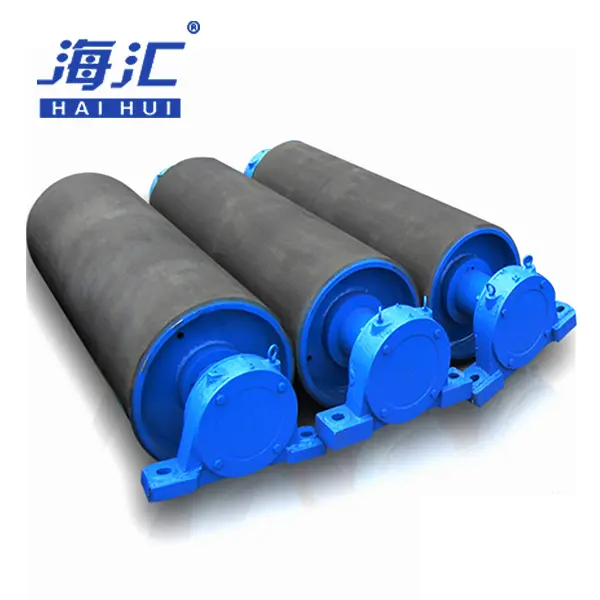
Rolo-guia de transportador revestido de borracha: como evitar a corrosão
- 5 principais normas de 2026 para roletes revestidos de borracha que você precisa conhecer
- Especificações do rolo-guia revestido de borracha: novos limites revelados
- Como adaptar sua linha de roletes para revestimento de borracha
- Rolos-guia revestidos de borracha x rolos-guia padrão de aço
- Perguntas frequentes
- Referências
Os roletes-guia revestidos de borracha costumavam ser os ‘cavalos de batalha” silenciosos do suporte das correias — simples, substituíveis, fáceis de ignorar. Mas isso acabou. Em 2026, novas normas estão abalando o setor, tornando mais rigorosos os requisitos de aderência entre borracha e aço, ajustando as tolerâncias de espessura do revestimento e colocando cada camada de adesão sob o microscópio. Se você opera transportadores em ambientes úmidos, corrosivos ou de alto atrito, isso atinge exatamente onde dói: riscos de desalinhamento da correia, delaminação do revestimento e custos inesperados com a troca de roletes, que podem corroer rapidamente as margens de lucro.
“A atualização de 2026 não se refere apenas ao amolecimento do revestimento — é estrutural‘, afirmou um engenheiro sênior da Haihui em uma reunião informativa do setor realizada em 2025. As revisões da CEMA e da DIN estão impondo limites mais elevados de resistência de aderência e controles mais rigorosos sobre os compostos de borracha, e as fábricas que demorarem a se adaptar sentirão o impacto com roletes emperrados e produção paralisada.
Pense nisso como se as normas sobre o uso de sal nas estradas tivessem se tornado mais rígidas da noite para o dia. A mesma esteira transportadora, novas regras. As operações que passam sem problemas são aquelas projetadas para isso.
5 principais normas de 2026 para roletes revestidos de borracha que você precisa conhecer
As normas globais mais rigorosas que entrarão em vigor em 2026 estão redefinindo a forma como os roletes-guia revestidos de borracha resistem ao desgaste, protegem as correias e são aprovados nas inspeções. Desde os testes de aderência na fábrica até a validação da resistência à corrosão em campo, cada rolete-guia revestido de borracha passa agora por um escrutínio mais rigoroso. Se você produz ou especifica roletes-guia revestidos de borracha, essas são informações que você não pode ignorar.
Requisitos da CEMA relativos à resistência da ligação entre borracha e aço
De acordo com as normas atualizadas da CEMA, os roletes-guia revestidos de borracha devem atender a índices de resistência de aderência definidos, com base nas condições de uso e no ambiente.
Âmbito do controle
- Velocidades da correia de até 4 m/s
- Diâmetros das roldanas: 89–159 mm
- Ambientes úmidos, secos ou com produtos químicos
Classificação de títulos
1.1 Serviço leve: resistência mínima ao descolamento de 6 N/mm
1.2 Carga média: resistência mínima à separação de 8 N/mm
1.3 Alta resistência: resistência mínima ao descolamento de 10 N/mm
1.4 Serviço extremo: resistência mínima ao descolamento de 12 N/mm
Validação de materiais
2.1 Tolerância do durômetro de borracha (Shore A)
2.2 Uniformidade da espessura do revestimento (±0,5 mm)
2.3 Integridade da linha de ligação após ciclos térmicos
| Classe de serviço | Adesão mínima (N/mm) | Espessura mínima da borracha (mm) | Resistência à névoa salina (horas) |
|---|---|---|---|
| Luz | 6 | 4 | 96 |
| Médio | 8 | 6 | 240 |
| Pesado | 10 | 8 | 480 |
| Extremo | 12 | 10 | 720 |
Essas normas de 2026 se concentram na durabilidade dos roletes durante operações em ambiente úmido, exposição a produtos químicos e variações de temperatura. Os fabricantes de roletes revestidos de borracha agora realizam uma verificação de aderência em duas etapas antes do envio. Em Haihui, os dados de aderência são registrados por lote, garantindo que os roletes revestidos de borracha estejam em conformidade e prontos para auditoria.
Requisitos da norma DIN 22107 relativos ao revestimento de borracha e à resistência ao desgaste
Para as exportações para os mercados europeus, a conformidade com a norma DIN 22107 torna mais rigorosos os procedimentos de aprovação relativos à formulação de compostos de borracha e à resistência à abrasão.
Padrões de fabricação
- Processo de revestimento com borracha vulcanizada
- Trajetória da manga de borracha com fixação mecânica
Processo de aprovação
1.1 Certificação de compostos de borracha (rastreabilidade de lotes)
1.2 Ensaio de perda por abrasão (DIN 53516)
1.3 Inspeção periódica da garantia por terceiros
Validação da integridade do rolo guia
2.1 Continuidade da aderência entre o revestimento e o aço
2.2 Verificação da dureza da borracha (±5 Shore A)
2.3 Deformação residual por compressão após 1.000 horas de envelhecimento
Os órgãos reguladores europeus tornaram mais rigorosas as exigências de documentação tanto para roletes revestidos de borracha quanto para roletes resistentes à corrosão.
“Os roletes com revestimento de borracha, de acordo com a norma DIN 22107, estão enfrentando uma maior frequência de auditorias e uma aplicação mais rigorosa das normas de rastreabilidade da cola nos Estados-membros no período de 2025 a 2026”, observou a Associação Alemã de Transportadores em sua perspectiva de conformidade para 2025.
Para as fábricas que exportam roletes de transporte revestidos de borracha para os mercados da UE, falhas na documentação estão causando, atualmente, a retenção das remessas. Haihui alinha a produção de revestimentos vulcanizados às normas de fabricação atualizadas, ajudando os roletes a serem aprovados na inspeção sem complicações.
Requisitos da ASTM para ensaios de aderência e abrasão de revestimentos
Os requisitos revisados da ASTM dão especial ênfase à aderência do revestimento e à resistência à abrasão das roldanas revestidas de borracha utilizadas no manuseio de materiais abrasivos.
Requisitos para instalações de teste
1.1 Banco de ensaio de resistência ao descascamento
2.2 Aparelho com disco de abrasão (DIN 53516 / ASTM D5963)
1.3 Câmara de ciclos térmicos (-20 °C a +80 °C)
Controles de testes operacionais
2.1 Condicionamento da amostra à temperatura de operação
2.2 Teste de adesão com hachura cruzada para a ligação borracha-metal
2.3 Perda de volume recorde após 1.000 ciclos de abrasão
Interface de relatórios de desempenho
3.1 Grau de resistência à abrasão (perda em mm³)
3.2 Retenção da resistência de aderência após o envelhecimento
3.3 Medição do coeficiente de atrito
Um revestimento com especificações inadequadas pode causar deslizamento da correia ou travamento do rolo-guia. Testes de aderência bem realizados garantem a conformidade das operações e o alinhamento correto das correias.
Normas de resistência à corrosão e ao teste de névoa salina
O revestimento de borracha protege o tubo de aço, mas as bordas cortadas e os pontos danificados continuam vulneráveis. Os órgãos reguladores agora exigem testes rigorosos de névoa salina para todo o conjunto.
Verificações de integridade estrutural
- Resistência à corrosão de tubos revestidos (ASTM B117)
- Requisito de proteção contra bordas cortantes
- Eficácia da vedação do compartimento do rolamento
Sequência de avaliação de desempenho
1.1 Preparar a amostra com danos intencionais no revestimento
1.2 Submeter à prova de névoa salina 5% a 35 °C
1.3 Verificar se há corrosão progressiva às 96, 240 e 480 horas
1.4 Nível de proteção contra corrosão
Análise da resistência do rolo-guia
2.1 Comparar com as especificações de projeto (mínimo de 240 horas)
2.2 Verificar a margem de segurança para ambientes úmidos ou com produtos químicos
2.3 Arquivar a curva do teste de corrosão digital
Para roletes revestidos de borracha utilizados em aplicações úmidas ou costeiras, é obrigatório a realização de testes prolongados de névoa salina. Os dados comprovam que compostos de borracha devidamente formulados protegem o aço mesmo após danos no revestimento.
Validação do durômetro de borracha e da deformação residual por compressão
A aprovação final dos roletes revestidos de borracha depende dos testes de dureza da borracha e de deformação permanente sob compressão.
Caminhos de falha
1.1 Muito macio (<55 Shore A): desgaste excessivo, mau alinhamento
1.2 Muito duro (>75 Shore A): atrito insuficiente, deslizamento da correia
1.3 Alta deformação permanente por compressão: pontos planos, vibração
Verificações de integridade
2.1 Medição com durômetro (Shore A, Tipo 2)
2.2 Deformação residual após deflexão 70% (ASTM D395)
2.3 Resiliência ao rebote à temperatura de operação
Validação da proteção do produto
3.1 Coeficiente de atrito (correia com borracha)
3.2 Previsão da taxa de desgaste com base no durômetro
3.3 Desempenho em envelhecimento acelerado
Um bom controle de qualidade protege o alinhamento da correia, a vida útil dos roletes e a eficiência do transportador. Quando as propriedades da borracha se alteram, o alinhamento é prejudicado e as correias se desviam. Roletes revestidos de borracha confiáveis mantêm o atrito consistente e as correias centralizadas. Essa é a base para 2026 — e o padrão que os compradores sérios esperam atualmente.

Especificações do rolo-guia revestido de borracha: novos limites revelados
Os roletes de transporte revestidos de borracha estão passando por uma profunda reformulação. Desde a espessura da borracha até as faixas de dureza, as últimas atualizações redefinem o desempenho desses roletes revestidos em transportadores molhados, abrasivos ou com presença de produtos químicos.
Requisitos mínimos de espessura e cobertura da borracha
As regras atualizadas sobre espessura mínima se concentram em duas dimensões essenciais de proteção.
Áreas de controle primárias
- Espessura da borracha – garante que o tubo de aço fique protegido contra impactos e corrosão
- Cobertura – encapsulamento total do tubo ou padrão de anel tipo pneu
Impacto operacional
- Maior proteção em ambientes úmidos ou corrosivos
- Menor risco de ferrugem no tubo e de travamento do rolo guia
Fabricantes como Haihui Ajuste a espessura da borracha com cuidado, para que as roldanas revestidas resistam ao desgaste sem custos excessivos. Pequenas variações na espessura podem fazer toda a diferença.
Regras revisadas relativas ao durômetro e ao coeficiente de atrito
As novas regras estabelecem uma relação direta entre a dureza da borracha e os requisitos de atrito da correia no ponto de contato com a polia guia.
- 55–60 Shore A: macio, alto coeficiente de atrito, ideal para correias escorregadias
- 60–70 Shore A: balança padrão, a mais comum
- 70–80 Shore A: firme, baixo atrito, alta resistência ao desgaste
No caso de roletes revestidos de borracha em transportadores inclinados ou molhados, a lógica funciona assim:
- Defina o coeficiente de atrito necessário (normalmente entre 0,4 e 0,6)
- Escolha o durômetro adequado ao material do revestimento da correia
- Definir a tolerância de dureza (±5 Shore A)
- Validar por meio de ensaio de atrito em campo
“A demanda global por componentes de transportadores resistentes à corrosão continua se voltando cada vez mais para modelos revestidos de borracha com controles mais rigorosos de dureza”, observou a Smithers em sua perspectiva para 2025 sobre o setor de manuseio de granéis.
Essa tendência leva as fábricas a optarem por roletes revestidos de borracha mais confiáveis. Haihui alinha suas especificações de produção a esses padrões em constante evolução, garantindo que os roletes revestidos sejam práticos e não danifiquem a correia.
Novos requisitos relativos à frequência dos testes de ligações
O cronograma de testes de aderência agora segue regras mais rigorosas para garantir a integridade do revestimento ao longo do tempo.
Testes durante o processo
- Teste de colagem do primeiro artigo por configuração de ferramenta
- Teste de descascamento a cada hora durante a produção
- Amostragem destrutiva no final do lote
No caso das roldanas revestidas de borracha, mesmo uma pequena irregularidade na aderência pode causar o descolamento do revestimento e o desgaste acelerado.
Normas atualizadas de proteção de bordas e cobertura de pontos de corte
As novas diretrizes de proteção de bordas redefinem a cobertura mínima de borracha nas extremidades dos tubos e nas costuras de solda.
No cerne:
- Fim da cobertura – a borracha deve se estender pelo menos 5 mm além do tubo de aço
- Proteção das costuras – espessura da borracha na solda ≥ 70% da espessura nominal
- Cobertura do ponto de corte – sem aço à mostra em nenhuma superfície
A borracha mais fina nas bordas reduz os custos, mas acelera a falha. As normas atualizadas alcançam um equilíbrio, protegendo o aço sem exagerar no reforço.
Para instalações que utilizam roletes revestidos de borracha em aplicações úmidas ou com produtos químicos, isso significa maior resistência à corrosão, operação mais segura da correia e durabilidade a longo prazo. Haihui mantém as roldanas revestidas dentro desses limites, de modo que o desempenho se mostra sólido sob carga — sem corrosão gradual, sem falha na aderência, apenas uma proteção revestida de borracha confiável e bem feita.
Como adaptar sua linha de roletes para revestimento de borracha
A modernização de uma linha de produção de roletes revestidos de borracha não se resume apenas a uma mudança no revestimento; trata-se de uma mudança de mentalidade em relação ao processo. Desde a formulação da mistura de borracha até a verificação da aderência, cada detalhe é importante. Se você fabrica roletes revestidos de borracha, esses ajustes mantêm seus produtos competitivos e preparados para as exigências das esteiras transportadoras modernas.
Etapa 1 – Mudança para um composto de borracha de alta resistência à abrasão
Ao revestir roletes, o segredo da qualidade está no composto de borracha. Uma modernização inteligente começa com a análise de:
- Perda atual por abrasão da borracha (mm³ conforme a norma DIN 53516)
- Histórico de campo da resistência à descolagem da ligação
- Resistência ambiental (óleo, produtos químicos, raios UV)
Nessa análise, o foco deve ser:
- Seleção de compostos – avaliar tipos de materiais com alta resistência à abrasão para condições de uso severas
- Impacto na produção – ajustar os tempos de mistura no moinho para obter um durômetro consistente
- Validação da qualidade – realizar ensaios de abrasão e de aderência
A troca do composto das roldanas revestidas de borracha costuma reduzir as reclamações relacionadas ao desgaste e aumentar a confiança. Haihui ajuda os clientes a adequar as melhorias nos compostos às condições reais das esteiras transportadoras, e não a suposições feitas em laboratório.
Etapa 2 – Instalação de linhas automatizadas de teste de ligações
As verificações manuais desatualizadas das ligações podem deixar passar falhas intermitentes. A adoção de testes automatizados de ligações muda completamente o panorama.
As principais áreas de atualização incluem:
- Controle preciso da temperatura de vulcanização (±3 °C)
- Monitoramento em tempo real da integridade da colagem (ultrassônico)
- Integração com o teste de descascamento em linha
Os benefícios se acumulam:
- Melhor repetibilidade da colagem
- Melhoria perceptível na retenção do revestimento
- Menos desperdício nas roldanas revestidas de borracha
Para roletes de alta carga, a verificação automatizada da aderência oferece dados de qualidade mais precisos e um controle de processo mais rigoroso.
Etapa 3 – Integração dos testes de névoa salina e de corrosão
Mesmo revestimentos de borracha perfeitos falham se a proteção das bordas for insuficiente. É por isso que os testes de corrosão devem ir além do revestimento.
Concentre-se nessas camadas:
- Resistência à corrosão da borda de corte
- Cobertura do cordão de solda
- Encapsulamento em borracha da tampa terminal
Fluxo de inspeção dentro do laboratório:
- Rastreamento automatizado da câmara de névoa salina
- Amostragem aleatória de borda cortada
- Classificação de resistência à corrosão para aplicações em ambiente úmido
Para os fabricantes de roletes revestidos de borracha utilizados em instalações químicas ou costeiras, essa atenção à proteção das bordas evita falhas em campo que podem ser onerosas e embaraçosas.
Etapa 4 – Adaptação do ciclo de cura às normas da CEMA
A mudança do composto de borracha não se resume apenas a alterar as proporções da mistura. Ela abrange todo o ciclo de cura.
Principais pontos da atualização:
- Otimização do tempo de Scorch
- Uniformidade da temperatura de cura (±3 °C em todo o molde)
- Monitoramento da força de desmoldagem
Na área de imprensa:
- Calibrar o ciclo de cura de acordo com a reologia do composto
- Instalar monitores de temperatura em vários pontos
- Estar em conformidade com as especificações de materiais da CEMA
Em ambientes extremos, como fábricas de produtos químicos, uma cura adequada aumenta a resistência da aderência e a durabilidade do revestimento. Haihui trabalha em estreita colaboração com as fábricas para ajustar com precisão os ciclos de cura, de modo que os roletes revestidos de borracha funcionem sem problemas em transportadores de alta velocidade e alta carga.
Etapa 5 – Incorporação dos protocolos de conformidade com as normas CEMA e DIN
A conformidade não pode ficar restrita a uma pasta. Ela precisa fazer parte das rotinas diárias.
Organize o trabalho em:
- Documentação – registros de rastreabilidade de lotes, certificados de testes de adesão, registros de ensaio de névoa salina
- Testes – verificações de rotina da aderência em conformidade com as normas da CEMA, validação da corrosão
- Treinamento – cursos de reciclagem para operadores sobre inspeção de laços, procedimentos claros de conformidade para auditorias
Para os exportadores de roletes revestidos de borracha, a falta de um único documento pode atrasar as remessas. Haihui ajuda a integrar essas verificações nos fluxos de trabalho digitais, transformando a papelada em um hábito rotineiro, em vez de uma correria de última hora.
Quando sua linha de roletes conta com revestimento de borracha certificado e documentação completa, seus roletes revestidos operam em ambientes adversos sem problemas. E esse é o tipo de melhoria que se paga rapidamente.
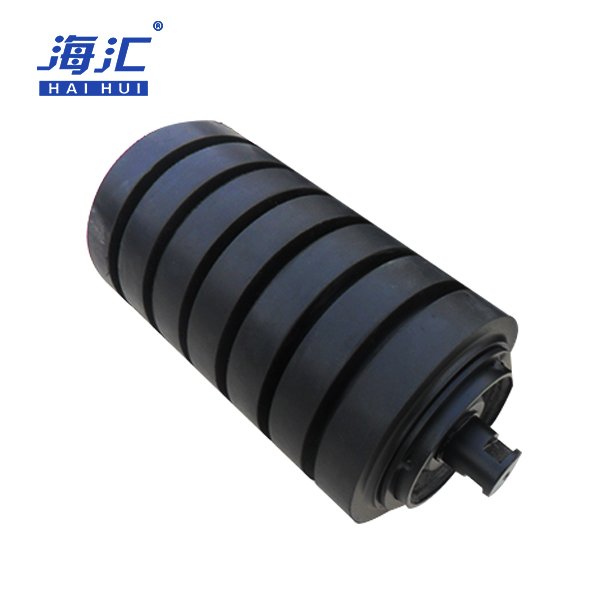
Rolos-guia revestidos de borracha x rolos-guia padrão de aço
A escolha entre roletes revestidos de borracha e roletes de aço padrão não é apenas uma questão de material; ela define toda a estratégia de proteção contra corrosão e desgaste. Desde o atrito da correia até a frequência de substituição, os roletes revestidos de borracha desempenham um papel distinto na resistência dos roletes em ambientes úmidos ou abrasivos.
Rolos-guia revestidos de borracha
Quando se trata de proteção contra corrosão e desgaste, a vantagem está no encapsulamento em borracha e na otimização do atrito.
Base material
- Camada central – o tubo de aço proporciona resistência estrutural.
- Camada de borracha – protege o aço e otimiza o atrito da correia.
- Resultado – maior vida útil das polias em condições úmidas/corrosivas.
Caminho de proteção
- Etapa de revestimento – a borracha adere ao aço, impedindo a entrada de umidade.
- Fase de campo – a borracha absorve pequenos impactos e reduz o desgaste da correia.
- Resultado – auxilia no alinhamento da correia e prolonga a vida útil dos componentes.
Impacto na redução de resíduos
- A redução no número de substituições de roletes diminui o consumo de aço.
- Uma vida útil mais longa reduz os custos de manutenção.
Marcas como Haihui Soluções com revestimento de borracha projetadas para serviços em ambientes úmidos e abrasivos, comprovando que os roletes com revestimento de borracha não são apenas macios — eles são inteligentes.
Rolos-guia de aço padrão
Os roletes de aço geralmente começam como tubos sem revestimento e passam por uma fase de vida útil em que estão mais suscetíveis à corrosão.
Limitações do material
- Características estruturais – maior rigidez do que os revestidos com borracha.
- Resposta à corrosão – enferruja rapidamente em ambientes úmidos.
- Resultado – contaminação do compartimento do rolamento, grippagem.
Desafios relacionados à durabilidade
- Problema de corrosão – a propagação da ferrugem sob a pintura leva à formação de corrosão pontual no tubo.
- Deterioração da qualidade – uma superfície áspera acelera o desgaste do revestimento da correia.
Resultados comparativos de corrosão
- Proteção limitada contra umidade em comparação com o revestimento de borracha.
- Maior desgaste da correia em ambientes úmidos ou com produtos químicos.
É por isso que Haihui continua apostando nas roldanas revestidas de borracha — porque a proteção contra a corrosão, a otimização do atrito da correia e o aumento real da vida útil simplesmente superam as desvantagens do aço nu, que é propenso à ferrugem.
Perguntas frequentes
Quais atualizações de 2026 relativas a revestimentos e colagem afetam os roletes revestidos de borracha para ambientes úmidos?
Novas normas reforçam o controle desde a fábrica até o campo, aumentando a importância de cada rolo ocioso produzido.
Requisitos relativos aos títulos da CEMA
- Definir a resistência mínima à descolagem por classe de serviço (6–12 N/mm).
- Exigir testes documentados de aderência e verificação da dureza da borracha.
Conformidade com a norma DIN 22107
- Tornar mais rigorosos os processos de aprovação para a formulação de compostos de borracha.
- Exija a rastreabilidade dos lotes de borracha e dos registros dos testes de abrasão.
Requisitos de corrosão da ASTM
- Metodologia de controle dos ensaios de névoa salina.
- Certifique-se de que a proteção das bordas e a cobertura dos pontos de corte sejam condições imprescindíveis antes do embarque.
A falta de um teste pode interromper a produção; dados certificados garantem que os roletes revestidos de borracha protejam as correias com segurança em ambientes úmidos, abrasivos e com presença de produtos químicos.
Como a dureza da borracha e a espessura do revestimento afetam o alinhamento da correia e a vida útil dos roletes?
Os roletes revestidos de borracha podem parecer simples, mas a dureza e a espessura determinam o atrito da correia e sua vida útil. Principais fatores estruturais:
- Durometro de borracha (Shore A) – mais macio (55–60) aumenta o atrito em correias escorregadias; mais duro (70–80) tem maior durabilidade, mas pode escorregar
- Espessura do revestimento (mm) – quanto mais espessa, maior a proteção do aço por mais tempo, mas o custo é maior; quanto mais fina, menor o custo, mas há risco de ferrugem
- Resistência de aderência (N/mm) – a parte superior mantém a borracha presa sob carga
Quando a dureza, a espessura e a aderência estão em equilíbrio com a velocidade da correia e as condições ambientais, o alinhamento da correia melhora e a vida útil dos roletes aumenta.
O que os compradores devem verificar em relação à integridade da ligação e à resistência à corrosão antes de fazerem pedidos em grandes quantidades?
Uma fixação fraca ou uma proteção inadequada das bordas transforma um rolo-guia revestido em um risco de ferrugem. Uma verificação cuidadosa protege tanto a correia quanto a instalação. Antes da aprovação, confirme:
- Resultados do teste de resistência à descolagem (mínimo de 6–12 N/mm, dependendo da aplicação)
- Certificação de dureza da borracha (valor de referência Shore A ±5)
- Relatório do teste de névoa salina (mínimo de 240 horas para ambientes úmidos)
- Verificação da proteção das bordas de corte (sem aço exposto)
Resumindo: a composição da borracha, a integridade da colagem e a cobertura das bordas devem funcionar como um único sistema. Haihui garante que, quando esses elementos são testados em conjunto, os roletes-guia revestidos de borracha proporcionem um alinhamento confiável, proteção estável da correia e vida útil confiável.
Referências
- Normas da CEMA – Associação dos Fabricantes de Equipamentos de Transporte
- DIN 22107 – Rolos-guia para transportadores de correia
- DIN 53516 / ASTM D5963 – Ensaio de abrasão de borracha
- ASTM B117 – Norma para o ensaio de névoa salina
- ASTM D395 – Ensaio de deformação permanente por compressão da borracha
- Smithers – Relatório sobre Componentes para Manuseio de Granéis 2025
- Associação Alemã de Transportadores – Perspectivas de conformidade para 2025
- Haihui – Folhetos técnicos para roletes de transporte revestidos de borracha
 English
 العربية
 Português do Brasil
 Русский
 Español