
بكرة ناقل مغلفة بالمطاط: كيفية منع التآكل
كانت بكرات التوجيه المطلية بالمطاط في أنظمة النقل تُعتبر في الماضي ‘العمود الفقري» الصامت لدعم الحزام — فهي بسيطة وقابلة للاستبدال ويسهل تجاهلها. لكن الأمر لم يعد كذلك. ففي عام 2026، تهز المعايير الجديدة أركان الصناعة، حيث تُشدد متطلبات الترابط بين المطاط والفولاذ، وتُعدل التفاوتات المسموح بها في سماكة الطلاء، وتخضع كل طبقة لاصقة للفحص الدقيق. وإذا كنت تشغل ناقلات تعمل في بيئة رطبة أو تآكلية أو عالية الاحتكاك، فإن هذا الأمر يضربك في مقتل: مخاطر انحراف الحزام، وتقشر الطلاء، وتكاليف استبدال بكرات التوجيه غير المتوقعة التي يمكن أن تلتهم هوامش الربح بسرعة.
“قال أحد كبار المهندسين في شركة ‘هايهوي” خلال إحاطة صناعية عُقدت عام 2025: «تحديث عام 2026 ليس مجرد تحديث يهدف إلى تليين الطلاء، بل هو تحديث هيكلي». وتدفع تعديلات معايير CEMA وDIN إلى رفع عتبات قوة الالتصاق وفرض ضوابط أكثر صرامة على مركبات المطاط، وستشعر المصانع التي تتباطأ في التكيف مع هذه التغييرات بتعطل العجلات الوسيطة وتوقف الإنتاج.
تخيل الأمر وكأن اللوائح المتعلقة بملح الطرق أصبحت أكثر صرامة بين عشية وضحاها. نفس الناقل، قواعد جديدة. العمليات التي تنجز المهمة بسهولة هي تلك المصممة خصيصًا لهذا الغرض.
5 معايير رئيسية لعجلات التوجيه المطلية بالمطاط لعام 2026 يجب أن تعرفها
تعمل المعايير العالمية الأكثر صرامة التي ستدخل حيز التنفيذ في عام 2026 على إعادة تشكيل الطريقة التي تقاوم بها بكرات النقل المطاطية التآكل، وتحمي الأحزمة، وتجتاز عمليات الفحص. بدءًا من اختبارات الالتصاق في المصنع وصولاً إلى اختبارات التحقق من مقاومة التآكل في الميدان، تخضع كل بكرة مطاطية الآن لفحص أكثر دقة. إذا كنت تنتج أو تحدد مواصفات بكرات النقل المطاطية، فهذه هي الأمور التي لا يمكنك تجاهلها.
متطلبات قوة الالتصاق بين المطاط والفولاذ وفقًا لمعايير CEMA
بموجب معايير CEMA المحدثة، يجب أن تستوفي بكرات التوجيه المطلية بالمطاط مستويات محددة من قوة الالتصاق بناءً على طبيعة الاستخدام والبيئة المحيطة.
نطاق الرقابة
- سرعات الحزام تصل إلى 4 م/ث
- أقطار العجلات الوسيطة: 89–159 ملم
- البيئات الرطبة أو الجافة أو الكيميائية
تصنيف السندات
1.1 الاستخدام الخفيف: قوة تقشير لا تقل عن 6 نيوتن/ملم
1.2 الأحمال المتوسطة: قوة تقشير لا تقل عن 8 نيوتن/ملم
1.3 الاستخدام الشاق: قوة تقشير لا تقل عن 10 نيوتن/مم
1.4 الاستخدام الشاق: قوة تقشير دنيا تبلغ 12 نيوتن/ملم
التحقق من صحة المواد
2.1 التفاوت المسموح به في مقياس صلابة المطاط (شور أ)
2.2 تناسق سماكة الطلاء (±0.5 مم)
2.3 سلامة خط الترابط بعد التعرض لدورات حرارية
| فئة الواجب | الحد الأدنى لقوة التمزق (N/مم) | الحد الأدنى لسمك المطاط (مم) | مقاومة رذاذ الملح (ساعات) |
|---|---|---|---|
| الضوء | 6 | 4 | 96 |
| متوسط | 8 | 6 | 240 |
| ثقيل | 10 | 8 | 480 |
| متطرف | 12 | 10 | 720 |
تركز معايير عام 2026 هذه على متانة العجلات الدوارة أثناء التشغيل في الظروف الرطبة، والتعرض للمواد الكيميائية، والتقلبات في درجات الحرارة. ويقوم مصنعو العجلات الدوارة المطلية بالمطاط الآن بإجراء فحص ثنائي المراحل للتأكد من جودة الالتصاق قبل الشحن. في هايهوي, ، ويتم تسجيل بيانات الالتصاق لكل دفعة، مما يضمن توافق العجلات الدوارة المطلية بالمطاط مع المعايير وجاهزيتها للتدقيق.
متطلبات DIN 22107 الخاصة بالطلاء المطاطي ومقاومة التآكل
بالنسبة للصادرات الموجهة إلى الأسواق الأوروبية، فإن الامتثال لمعيار DIN 22107 يفرض شروطًا أكثر صرامة على إجراءات الموافقة المتعلقة بتركيبة مركبات المطاط ومقاومتها للتآكل.
معايير التصنيع
- طريقة طلاء المطاط المفلكن
- مسار الجلبة المطاطية المربوطة ميكانيكيًا
عملية الموافقة
1.1 شهادة مركب المطاط (إمكانية تتبع الدُفعات)
1.2 اختبار فقدان المادة بسبب التآكل (DIN 53516)
1.3 الفحص الدوري للسندات من قبل جهة خارجية
التحقق من سلامة العجلة الوسيطة
2.1 استمرارية الارتباط بين الطلاء والفولاذ
2.2 التحقق من قسوة المطاط (±5 شور أ)
2.3 انكماش الانضغاط بعد 1,000 ساعة من التعرض للشيخوخة
شددت الهيئات التنظيمية الأوروبية متطلبات التوثيق الخاصة بالعجلات الدافعة المطلية بالمطاط والبكرات المقاومة للتآكل على حد سواء.
“وأشارت ”الرابطة الألمانية للناقلات» في تقريرها حول توقعات الامتثال لعام 2025 إلى أن «العجلات الخاملة ذات الأسطح المطاطية المطابقة لمعيار DIN 22107 ستشهد زيادة في وتيرة عمليات التدقيق وتشديدًا في تطبيق متطلبات تتبع السندات عبر الدول الأعضاء خلال الفترة 2025–2026».
بالنسبة للشركات التي تشحن بكرات ناقل مغلفة بالمطاط إلى أسواق الاتحاد الأوروبي، تتسبب الثغرات في الإجراءات الورقية حالياً في تعليق الشحنات. هايهوي تضمن مواءمة إنتاج الطلاء المفلكن مع أحدث معايير التصنيع، مما يساعد العجلات الوسيطة على اجتياز عملية المراجعة دون أي مشاكل.
متطلبات اختبار التصاق الطلاء ومقاومته للتآكل وفقًا لمعايير ASTM
تركز متطلبات ASTM المعدلة بشكل كبير على التصاق الطلاء ومقاومة التآكل بالنسبة للعجلات الدوارة المطلية بالمطاط والمستخدمة في مناولة المواد الكاشطة.
متطلبات مرافق الاختبار
1.1 منصة اختبار مقاومة التقشير
2.2 جهاز عجلة الكشط (DIN 53516 / ASTM D5963)
1.3 غرفة الدورات الحرارية (من -20 درجة مئوية إلى +80 درجة مئوية)
ضوابط الاختبار التشغيلي
2.1 تجهيز العينة عند درجة حرارة التشغيل
2.2 اختبار التصاق الخطوط المتقاطعة للرابطة بين المطاط والمعدن
2.3 انخفاض حجم قياسي بعد 1,000 دورة تآكل
واجهة إعداد تقارير الأداء
3.1 درجة مقاومة التآكل (فقدان الحجم بالمليمتر المكعب)
3.2 الحفاظ على قوة الالتصاق بعد التعرض للشيخوخة
3.3 قياس معامل الاحتكاك
قد يؤدي استخدام طلاء غير مطابق للمواصفات إلى انزلاق الحزام أو انحشار العجلة التوجيهية. ويضمن إجراء اختبارات التصاق جيدة التزام العمليات بالمعايير والحفاظ على استقامة مسار الحزام.
معايير مقاومة التآكل ورش الملح
يحمي الطلاء المطاطي الأنبوب الفولاذي، لكن الحواف المقطوعة ونقاط التلف تظل معرضة للتلف. وتفرض الهيئات التنظيمية الآن إجراء اختبارات صارمة لرش الملح على المجموعة الكاملة.
فحوصات السلامة الهيكلية
- مقاومة التآكل للأنابيب المطلية (ASTM B117)
- متطلبات حماية الحواف المقطوعة
- فعالية مانع التسرب في مبيت المحمل
تسلسل تقييم الأداء
1.1 تحضير عينة بها تلف متعمد في الطلاء
1.2 التعرض لاختبار رش الملح 5% عند درجة حرارة 35 درجة مئوية
1.3 فحص وجود الصدأ الزاحف بعد مرور 96 و240 و480 ساعة
1.4 معدل مستوى الحماية من التآكل
تقييم قوة العجلة الوسيطة
2.1 المقارنة مع مواصفات التصميم (240 ساعة على الأقل)
2.2 التحقق من هامش الأمان في البيئات الرطبة أو الكيميائية
2.3 أرشفة منحنى اختبار التآكل الرقمي
بالنسبة للعجلات الوسيطة المطلية بالمطاط المستخدمة في التطبيقات الرطبة أو الساحلية، يُعد إجراء اختبار رش الملح المطول أمرًا إلزاميًا. وتثبت البيانات أن مركبات المطاط المُصنَّعة بشكل صحيح تحمي الفولاذ حتى بعد تلف الطلاء.
التحقق من دقة مقياس صلابة المطاط ومقياس انضغاطه
تتوقف الموافقة النهائية على العجلات الدوارة المطلية بالمطاط على اختبار صلابة المطاط واختبار الانضغاط.
مسارات الفشل
1.1 لينة جدًّا (<55 شور أ): تآكل مفرط، ضعف في التتبع
1.2 صلابة عالية جدًّا (>75 شور أ): احتكاك ضعيف، انزلاق الحزام
1.3 ارتفاع معدل الانضغاط الدائم: ظهور بقع مسطحة، اهتزاز
فحوصات النزاهة
2.1 قياس الصلابة (شور أ، النوع 2)
2.2 انخفاض الارتداد بعد انحراف 70% (ASTM D395)
2.3 مرونة الارتداد عند درجة حرارة التشغيل
التحقق من فعالية حماية المنتج
3.1 معامل الاحتكاك (بين الحزام والمطاط)
3.2 توقع معدل التآكل استنادًا إلى مقياس الصلابة
3.3 اختبار الشيخوخة المعجلة
تساهم الرقابة الجيدة على الجودة في الحفاظ على استقامة مسار الحزام، وعمر العجلات التوجيهية، وكفاءة الناقل. فعندما تتغير خصائص المطاط، يتأثر مسار الحزام سلباً ويبدأ الحزام في الانحراف. أما العجلات التوجيهية المطلية بالمطاط والموثوقة، فهي تحافظ على ثبات الاحتكاك وتبقي الحزام في الوسط. وهذا هو المعيار الأساسي لعام 2026 — والمعيار الذي يتوقعه المشترون الجادون الآن.

مواصفات العجلات الوسيطة المطلية بالمطاط: الكشف عن آفاق جديدة
تشهد بكرات الدفع المطلية بالمطاط في أنظمة النقل إعادة نظر جادة. فمن سماكة المطاط إلى نطاقات قسوة المطاط، تعمل أحدث التحديثات على إعادة تشكيل أداء بكرات الدفع المطلية على أنظمة النقل الرطبة أو الكاشطة أو الملوثة بالمواد الكيميائية.
متطلبات الحد الأدنى لسمك المطاط ومساحته
تركز القواعد المحدثة المتعلقة بالسمك الأدنى على جانبين أساسيين من جوانب الحماية.
مناطق المراقبة الرئيسية
- سماكة المطاط – يضمن حماية الأنبوب الفولاذي من الصدمات والتآكل
- التغطية – تغليف كامل للأنبوب أو نمط حلقي على غرار الإطارات
التأثير على العمليات
- حماية أفضل في البيئات الرطبة أو المسببة للتآكل
- انخفاض خطر تعرض الأنابيب للصدأ وانحشار العجلات الوسيطة
شركات تصنيع مثل هايهوي اضبط سماكة المطاط بعناية، حتى تتمكن العجلات الوسيطة المطلية من مقاومة التآكل دون تكلفة زائدة. فالتغيرات الطفيفة في السماكة يمكن أن تغير كل شيء.
القواعد المنقحة الخاصة بمقياس الصلابة ومعامل الاحتكاك
تربط القواعد الجديدة مقياس صلابة المطاط مباشرة بمتطلبات الاحتكاك للحزام عند نقطة التلامس مع العجلة الوسيطة.
- 55–60 شور أ: ناعم، عالي الاحتكاك، مناسب للأحزمة الزلقة
- 60–70 شور أ: الميزان القياسي، الأكثر شيوعًا
- 70–80 شور أ: صلب، منخفض الاحتكاك، عالي المقاومة للتآكل
بالنسبة للعجلات الدوارة المطلية بالمطاط في الناقلات المائلة أو الرطبة، فإن المنطق يسير على النحو التالي:
- تحديد معامل الاحتكاك المطلوب (يتراوح عادةً بين 0.4 و0.6)
- يجب أن يتوافق مقياس الصلابة مع مادة غطاء الحزام
- ضبط تفاوت الصلابة (±5 شور أ)
- التحقق من الصحة من خلال اختبار الاحتكاك الميداني
“وأشارت شركة ”سميثرز» في تقريرها حول توقعات قطاع مناولة البضائع السائبة لعام 2025 إلى أن «الطلب العالمي على مكونات الناقلات المقاومة للتآكل يستمر في التحول نحو التصاميم المطلية بالمطاط التي تتميز بمعايير أكثر دقة في قياس صلابة المطاط».
ويدفع هذا الاتجاه المصانع إلى استخدام عجلات توجيه مطلية بالمطاط أكثر موثوقية. هايهوي تقوم الشركة بمواءمة مواصفات إنتاجها مع هذه المعايير المتطورة، مما يضمن أن تظل العجلات الدوارة المطلية عملية ومناسبة للاستخدام مع الأحزمة.
المتطلبات الجديدة المتعلقة بتواتر اختبار السندات
يخضع جدول اختبار الترابط الآن لقواعد أكثر صرامة لضمان سلامة الطلاء على المدى الطويل.
الاختبار أثناء التصنيع
- اختبار السند الأول لكل إعداد من إعدادات القوالب
- اختبار التقشير كل ساعة أثناء الإنتاج
- أخذ العينات التدميرية في نهاية الدفعة
بالنسبة للعجلات الوسيطة المطلية بالمطاط، فإن أي تباين طفيف في الترابط قد يؤدي إلى تقشر الطلاء وتسريع التآكل.
معايير محدثة لحماية الحواف وتغطية نقاط القطع
تُعيد الإرشادات الجديدة المتعلقة بحماية الحواف تحديد الحد الأدنى لتغطية المطاط في أطراف الأنابيب وخطوط اللحام.
في جوهر الأمر:
- نهاية التغطية – يجب أن يمتد المطاط بمقدار 5 مم على الأقل خارج الأنبوب الفولاذي
- حماية اللحامات – سمك المطاط عند اللحام ≥ 70% من القيمة الاسمية
- تغطية نقاط القطع – لا توجد أجزاء فولاذية مكشوفة على أي سطح
يؤدي استخدام مطاط أرق عند الحواف إلى خفض التكلفة، لكنه يعجل بحدوث الأعطال. وتحقق المعايير المحدثة توازنًا بين حماية الفولاذ وتجنب الإفراط في التصميم.
بالنسبة للمصانع التي تستخدم بكرات توجيه مطلية بالمطاط في التطبيقات الرطبة أو الكيميائية، فإن هذا يعني عمرًا أطول في مقاومة التآكل، وتشغيلًا أكثر أمانًا للحزام، ومتانة على المدى الطويل. هايهوي تحافظ على بقاء العجلات الوسيطة المطلية ضمن هذه الحدود، مما يضمن أداءً متينًا تحت الحمل — لا تآكل بسبب الصدأ، ولا فشل في الالتصاق، بل حماية موثوقة ومطلية بالمطاط تم تنفيذها على أكمل وجه.
كيفية تعديل خط العجلات الوسيطة لتطبيق الطلاء المطاطي
إن تحديث خط إنتاج العجلات الدوارة المطلية بالمطاط لا يقتصر على تغيير الطلاء فحسب؛ بل هو تحول في طريقة التفكير تجاه العملية برمتها. فمن تركيب مركب المطاط وصولاً إلى التحقق من قوة الالتصاق، كل تفصيل له أهميته. وإذا كنت تقوم بتصنيع العجلات الدوارة المطلية بالمطاط، فإن هذه التعديلات تحافظ على تنافسية منتجاتك وتجعلها جاهزة لتلبية متطلبات أنظمة النقل الحديثة.
الخطوة 1 – التحول إلى مركب مطاطي عالي المقاومة للتآكل
عند طلاء العجلات الدوارة، يكمن جوهر الجودة في مركب المطاط. وتبدأ عملية التحديث الذكية بمراجعة:
- معدل فقدان المطاط الحالي بسبب التآكل (مم³ وفقًا لمعيار DIN 53516)
- سجل قياس قوة تقشير السندات في الميدان
- المقاومة البيئية (للزيوت، والمواد الكيميائية، والأشعة فوق البنفسجية)
في إطار هذا الاستعراض، ينبغي التركيز على:
- اختيار المركب – تقييم أنواع المواد شديدة المقاومة للتآكل المخصصة للاستخدامات الشاقة
- التأثير على الإنتاج – ضبط أوقات الخلط في المطحنة للحصول على قراءة ثابتة على مقياس الصلابة
- التحقق من الجودة – إجراء اختبارات التآكل والتصاق
غالبًا ما يؤدي تغيير مركب العجلات الوسيطة المطلية بالمطاط إلى تقليل الشكاوى المتعلقة بالتآكل وتعزيز الثقة. هايهوي تساعد العملاء على مواءمة تحسينات المركبات مع الظروف الفعلية للناقلات، وليس مع التخمينات المختبرية.
الخطوة 2 – تركيب خطوط الاختبار الآلي للوصلات
قد تؤدي عمليات الفحص اليدوي القديمة للوصلات إلى إغفال الأعطال المتقطعة. أما الانتقال إلى الاختبار الآلي للوصلات، فيُحدث تغييرًا جذريًّا في هذا المجال.
تشمل المجالات الرئيسية للتحديث ما يلي:
- التحكم الدقيق في درجة حرارة الفلكنة (±3 درجات مئوية)
- المراقبة في الوقت الفعلي لسلامة السندات (بالموجات فوق الصوتية)
- التكامل مع اختبار التقشير المدمج
المزايا تتراكم:
- تحسين قابلية تكرار السندات
- تحسن ملحوظ في ثبات الطلاء
- تقليل الخردة على العجلات الدوارة المطلية بالمطاط
بالنسبة للعجلات الدوارة المخصصة للاستخدام المكثف، يوفر التحقق الآلي من الترابط بيانات جودة أكثر دقة وتحكمًا أقوى في العملية.
الخطوة 3 – دمج اختبار رش الملح واختبار التآكل
حتى الطلاءات المطاطية المثالية تفشل إذا كانت الحماية على الحواف ضعيفة. ولهذا السبب يجب أن يمتد اختبار التآكل إلى ما وراء الطلاء.
ركز على هذه الطبقات:
- مقاومة التآكل عند الحواف المقطوعة
- تغطية خط اللحام
- تغليف مطاطي للغطاء الطرفي
مسار الفحص داخل المختبر:
- التتبع الآلي لغرفة رش الملح
- أخذ العينات العشوائي من الحواف المقطوعة
- تصنيف التآكل الوظيفي للتطبيقات الرطبة
بالنسبة لمصنعي العجلات الدوارة المطلية بالمطاط المستخدمة في المصانع الكيميائية أو الساحلية، فإن هذا الاهتمام بحماية الحواف يمنع حدوث أعطال ميدانية مكلفة ومحرجة.
الخطوة 4 – تكييف دورة المعالجة وفقًا لمعايير CEMA
إن تغيير مركب المطاط لا يقتصر على تغيير نسب المزيج فحسب، بل يمتد ليشمل دورة المعالجة بأكملها.
أهم نقاط التحديث:
- تحسين وقت عملية الحرق
- توحيد درجة حرارة المعالجة (±3 درجات مئوية عبر القالب)
- مراقبة قوة إزالة القالب
داخل المنطقة المخصصة للصحافة:
- معايرة دورة المعالجة وفقًا لخصائص الريولوجيا للمركب
- تركيب أجهزة مراقبة درجة الحرارة في نقاط متعددة
- التوافق مع مواصفات المواد الخاصة بـ CEMA
في البيئات القاسية مثل المصانع الكيميائية، يؤدي المعالجة الصحيحة إلى تحسين قوة الالتصاق ومتانة الطلاء. هايهوي تعمل عن كثب مع المصانع لضبط دورات المعالجة بحيث تعمل العجلات الدوارة المطلية بالمطاط بسلاسة على الناقلات عالية السرعة وذات الأحمال الثقيلة.
الخطوة 5 – تضمين بروتوكولات الامتثال لمعايير CEMA وDIN
لا يمكن أن يقتصر الامتثال على ملف ورقي. بل يجب أن يكون جزءًا لا يتجزأ من الروتين اليومي.
تنظيم العمل على النحو التالي:
- الوثائق – سجلات تتبع الدُفعات، وشهادات اختبار الالتصاق، وسجلات اختبار رش الملح
- الاختبار – عمليات الفحص الروتينية للسندات وفقًا لمعايير CEMA، والتحقق من مقاومة التآكل
- التدريب – دورات تنشيطية للمشغلين حول فحص السندات، وإجراءات امتثال واضحة لعمليات التدقيق
بالنسبة لمصدري العجلات الدوارة المطلية بالمطاط، قد يؤدي فقدان مستند واحد إلى تعطيل الشحنات. هايهوي يساعد على دمج هذه الإجراءات الرقابية في سير العمل الرقمي، مما يجعل إنجاز الأعمال الورقية عادةً معتادةً بدلاً من أن يكون أمراً يُنجز على عجل في اللحظة الأخيرة.
عندما يكون خط بكرات التوجيه الخاص بك مزودًا بطبقة مطاطية معتمدة ووثائق دقيقة، فإن بكرات التوجيه المطلية الخاصة بك تعمل في البيئات القاسية دون أي مشاكل. وهذا هو النوع من التحسينات التي تعود بفوائد سريعة.
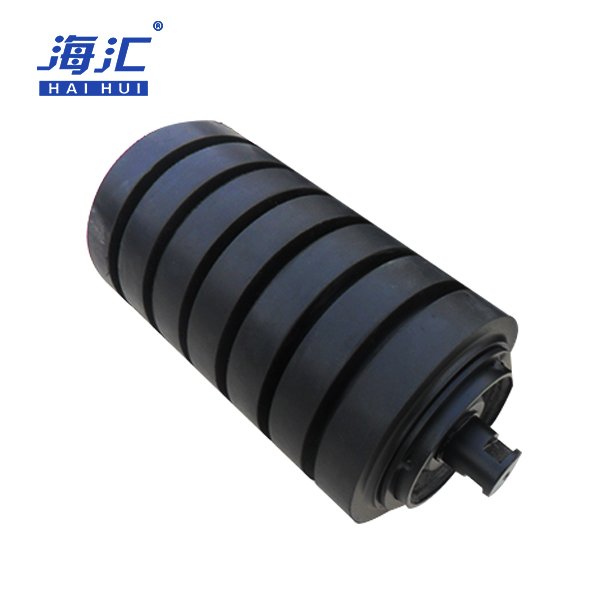
العجلات الدافعة المطلية بالمطاط مقابل العجلات الدافعة الفولاذية القياسية
لا يقتصر الاختيار بين العجلات الدوارة المطلية بالمطاط والعجلات الدوارة الفولاذية القياسية على مجرد اختيار المادة فحسب؛ بل إنه يحدد استراتيجية الحماية الكاملة من التآكل والتآكل. بدءًا من احتكاك الحزام وصولاً إلى وتيرة الاستبدال، تلعب العجلات الدوارة المطلية بالمطاط دورًا بارزًا في قدرة العجلات الدوارة على الصمود في البيئات الرطبة أو الكاشطة.
عجلات توجيه مطلية بالمطاط
عند الحديث عن الحماية من التآكل والتلف، فإن الميزة تكمن في التغليف بالمطاط وتحسين الاحتكاك.
الأساس المادي
- الطبقة الأساسية – يوفر الأنبوب الفولاذي القوة الهيكلية.
- طبقة مطاطية – يحمي الفولاذ، ويحسن احتكاك الحزام.
- النتيجة – عمر أطول للعجلات الوسيطة في الظروف الرطبة أو المسببة للتآكل.
مسار الحماية
- مرحلة الطلاء – يلتصق المطاط بالفولاذ، ويمنع دخول الرطوبة.
- المرحلة الميدانية – يمتص المطاط الصدمات الطفيفة، ويقلل من تآكل الحزام.
- النتيجة – يدعم ضبط مسار الحزام، ويطيل عمر المكونات.
تأثير الحد من النفايات
- يؤدي تقليل عدد مرات استبدال العجلات الوسيطة إلى خفض استهلاك الفولاذ.
- يؤدي طول العمر التشغيلي إلى خفض تكاليف الصيانة.
علامات تجارية مثل هايهوي حلول الدفع المطلية بالمطاط المصممة للاستخدام في البيئات الرطبة والكاشطة، مما يثبت أن العجلات الدوارة ذات الأسطح المطاطية ليست ناعمة فحسب، بل ذكية أيضًا.
عجلات التوجيه الفولاذية القياسية
غالبًا ما تبدأ العجلات الدوارة الفولاذية كأنابيب عارية، وتمر بمرحلة تكون فيها أكثر عرضة للتآكل.
القيود المتعلقة بالمواد
- السمات الهيكلية – صلابة أعلى مقارنةً بالأنواع المطلية بالمطاط.
- التعامل مع التآكل – يتعرض للصدأ بسرعة في البيئات الرطبة.
- النتيجة – تلوث مبيت المحمل، وانحشاره.
تحديات المتانة
- مشكلة التآكل – يؤدي تسلل الصدأ تحت الطلاء إلى ظهور حفر في الأنابيب.
- تدهور الجودة – يؤدي السطح الخشن إلى تسريع تآكل غطاء الحزام.
نتائج مقارنة التآكل
- حماية محدودة من الرطوبة مقارنةً بالطلاء المطاطي.
- زيادة تآكل الحزام في البيئات الرطبة أو التي تحتوي على مواد كيميائية.
ولهذا السبب هايهوي تواصل المراهنة على العجلات الوسيطة المطلية بالمطاط — لأن الحماية من التآكل، وتحسين احتكاك الحزام، وإطالة العمر التشغيلي الفعلي تتفوق ببساطة على الفولاذ العاري المعرض للصدأ.
الأسئلة الشائعة
ما هي تحديثات الطلاء والربط لعام 2026 التي تؤثر على بكرات الدوران المطلية بالمطاط والمخصصة للبيئات الرطبة؟
تشدد المعايير الجديدة الرقابة بدءًا من المصنع وصولاً إلى الميدان، مما يزيد من أهمية كل قطعة تروس يتم إنتاجها.
متطلبات سندات CEMA
- تحديد الحد الأدنى لقوة المقاومة للانفصال حسب فئة الاستخدام (6–12 نيوتن/مم).
- يشترط إجراء اختبارات موثقة للسندات والتحقق من قسوة المطاط.
التوافق مع معيار DIN 22107
- تشديد إجراءات الموافقة على تركيبات مركبات المطاط.
- اطلب إمكانية تتبع دفعات المطاط وسجلات اختبارات التآكل.
متطلبات ASTM المتعلقة بالتآكل
- منهجية اختبار رش الملح.
- اجعل حماية الحواف وتغطية نقاط القطع أمرًا غير قابل للتفاوض قبل الشحن.
قد يؤدي عدم إجراء الاختبار إلى توقف الإنتاج؛ أما البيانات المعتمدة فتضمن أن العجلات الدوارة المطلية بالمطاط تحمي الأحزمة بأمان في البيئات الرطبة والكاشطة والكيميائية.
كيف يؤثر مقياس صلابة المطاط وسماكة الطلاء على استقامة مسار الحزام وعمر العجلة الوسيطة؟
قد تبدو العجلات الدوارة المطلية بالمطاط بسيطة، لكن قسامة المطاط وسماكته هما اللتان تحددان احتكاك الحزام وعمره التشغيلي. العوامل الهيكلية الرئيسية:
- مقياس صلابة المطاط (شور أ) – كلما كانت أكثر ليونة (55–60)، زاد الاحتكاك في الأحزمة الزلقة؛ وكلما كانت أكثر صلابة (70–80)، زادت مدة صلاحيتها ولكنها قد تنزلق
- سماكة الطلاء (مم) – الفولاذ الأكثر سمكًا يوفر حماية أطول مدةً، لكنه أكثر تكلفةً؛ أما الفولاذ الأقل سمكًا فيوفر التكلفة، لكنه يعرض الفولاذ لخطر الصدأ
- قوة الالتصاق (نيوتن/مم) – يحافظ على ثبات المطاط تحت الضغط
عندما تتوافق قراءة مقياس الصلابة والسماكة وقوة الالتصاق مع سرعة الحزام والظروف البيئية، يتحسن مسار الحزام وتطول مدة خدمة العجلات الدوارة.
ما الذي يجب على المشترين التأكد منه بشأن سلامة السلاسل ومقاومتها للتآكل قبل تقديم الطلبات بالجملة؟
فإن السلاسل الضعيفة أو الحماية غير الكافية للحواف تجعل من العجلة الوسيطة المطلية عبئًا صدئًا. ويحمي الفحص الدقيق كلًا من الحزام والمنشأة. قبل الموافقة، تأكد من:
- نتائج اختبار قوة التماسك (6–12 نيوتن/مم كحد أدنى، حسب الاستخدام)
- شهادة صلابة المطاط (القيمة المستهدفة وفق مقياس شور A ±5)
- تقرير اختبار رش الملح (240 ساعة على الأقل للبيئات الرطبة)
- التحقق من حماية الحواف المقطوعة (عدم وجود فولاذ مكشوف)
باختصار: يجب أن يعمل كل من مركب المطاط، وسلامة الارتباط، وتغطية الحواف كنظام واحد. هايهوي يضمن ذلك أنه عند اختبار هذه العناصر معًا، توفر بكرات التوجيه المطلية بالمطاط في الناقل تتبعًا موثوقًا به، وحماية مستقرة للحزام، وعمرًا تشغيليًّا يمكن الاعتماد عليه.
المراجع
- معايير CEMA – رابطة مصنعي معدات النقل
- DIN 22107 – بكرات التوجيه للناقلات الحزامية
- DIN 53516 / ASTM D5963 – اختبار مقاومة التآكل للمطاط
- ASTM B117 – معيار اختبار رش الملح
- ASTM D395 – اختبار ثبات المطاط بعد الانضغاط
- سميثرز – تقرير مكونات مناولة البضائع السائبة لعام 2025
- الرابطة الألمانية للناقلات – توقعات الامتثال لعام 2025
- Haihui – أوراق البيانات الفنية الخاصة بالبكرات الدوارة المطلية بالمطاط للناقلات
 English
 العربية
 Português do Brasil
 Русский
 Español