
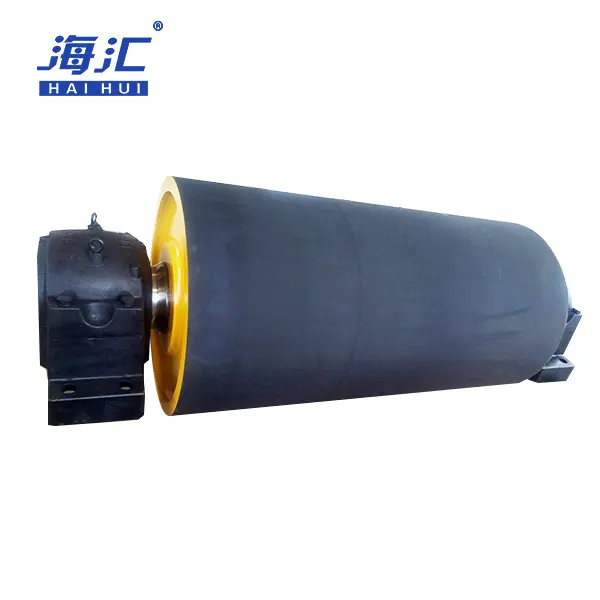
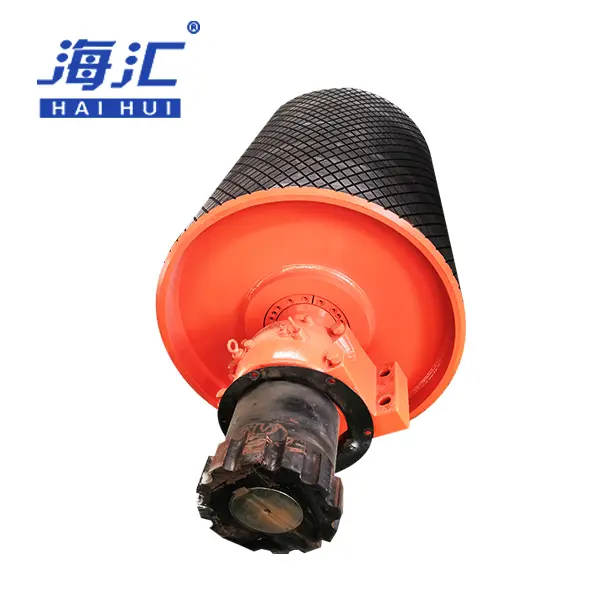
Motorized Conveyor Pulley for Mining & Aggregate Plant
- Motorized Conveyor Pulleys: Engineering Overview
- How to Test Motorized Conveyor Pulley Performance
- 5 Steps to Ensure Motorized Conveyor Pulley Compliance
- Key Factors Affecting Motorized Conveyor Pulley Performance
- Motorized Conveyor Pulley Compliance Checklist
- Insights on Future Motorized Conveyor Pulley Standards
- FAQs
- References
Motorized conveyor pulleys sit at the crossroads of power transmission and operational uptime, a bit like turbocharging a classic engine while still keeping it reliable. OEM buyers want perfect torque delivery, fast line speed, zero headaches at the plant—and no knock from maintenance teams. Miss the mark on shaft hardness or sealing integrity, and the whole batch turns into expensive downtime.
Here’s the tension: performance still matters. Torque, belt tracking, longevity—no one wants a “quiet” drive that fails like a leaky seal. CEMA spells it out plainly: proper pulley design is a key contributor to reliable material flow, which is why standards keep tightening across industries. That pressure lands squarely on procurement desks.
Conveyor component manufacturing isn’t magic; it’s discipline. Precision machining, controlled induction hardening, documented test reports, tags that tell the truth. Do it right, and reliability fades into the background like good brakes—silent, essential.
This is where engineered solutions stop being risky and start pulling their weight. The story ahead shows how smart motorized conveyor pulley systems keep operations fast, legal, and still a little bold.
Key Answers for Motorized Conveyor Pulley Performance
➔ Ensure motor selection (IE3/IE4) and shaft hardening (HRC 50-55) meet regional efficiency and reliability standards.
➔ Automate fabrication lines and test motor windings to maintain batch consistency and accurate torque transfer.
➔ Prepare detailed test reports and tags aligned with CEMA classifications and transportation guidelines.
➔ Monitor shaft hardness, bearing fits, and lagging types to balance torque delivery, belt life, and emission limits (energy consumption).
Motorized Conveyor Pulleys: Engineering Overview
Motorized conveyor pulleys are not just about moving belts and smooth operation. Behind every batch of motorized conveyor pulleys sits a stack of rules on torque capacity, transport, and safety documentation. If you produce or source motorized conveyor pulleys, staying compliant keeps your conveyor systems moving across industries without drama.
Understanding Efficiency Standards and Environmental Certifications
When producing motorized conveyor pulleys, managing motor efficiency is the core task.
Regulatory Framework:
- Regional regulatory limits define allowable energy consumption.
- National agencies set compliance standards tied to efficiency goals.
- Local bodies like utilities enforce energy controls during operation.
Certification Path:
- Review certification requirements for energy labels (IE3, IE4).
- Adjust motor designs to lower energy impact.
- Document testing results for each pulley batch.
For brands like Haihui, aligning motorized conveyor pulleys with global efficiency caps keeps distribution smooth and brand reputation solid.
Shaft Systems and Performance Classifications
The design of a shaft system shapes both torque feel and legal status.
- Shaft diameter affects torque rating and classification.
- The hardening mechanism influences service life and reliability profile.
- Identify classification codes for high-torque or continuous operation per CEMA regulations.
- Match components to application safety regulations.
- Verify bearing compatibility with motorized conveyor pulley formulas.
A smart shaft choice keeps motorized pulleys efficient while meeting operational rules.
Test Reports for Motorized Conveyor Pulleys
For motorized conveyor pulleys, the test report acts as the legal backbone.
I. Core Technical Data:
- Full material composition, including shaft grade and shell thickness.
- Clear performance identification aligned with CEMA standards.
II. Operational Guidance:
- Detailed handling precautions for storage and use.
- Practical installation measures for alignment and torque transfer.
- Responsible disposal guidelines for end-of-life pulleys.
Well-prepared test reports help Haihui keep every motorized conveyor pulley shipment compliant, safe, and ready for market.
How to Test Motorized Conveyor Pulley Performance
Tight quality control keeps motorized conveyor pulleys compliant and reliable. From shaft checks to motor balance and bearing setup, every detail affects performance. If you produce motorized conveyor pulleys at scale, testing isn’t optional—it’s how your pulleys stay legit.
Sampling Shaft Hardness for Quality Analysis
When testing motorized conveyor pulleys, start with the shaft.
Hardness Collection:
1.1 Connect a calibrated hardness tester to the bearing seat surface.
1.2 Transfer readings into a pre-configured data log using standard Rockwell C method.
1.3 Record hardness and case depth before documentation.
Hardness Analysis Setup:
2.1 Install the correct indenter for Rockwell C.
2.2 Calibrate tester response using certified standards.
2.3 Run blank, then sample, for accurate hardness analysis.
Data Review:
- Compare hardness values against CEMA requirements.
- Flag abnormal hardness readings.
- Store data for batch traceability.
This workflow keeps motorized conveyor pulleys consistent and audit-ready.
Motor Efficiency Measurement via Load Testing
Load testing next. Motor efficiency in motorized conveyor pulleys defines total performance.
Process overview:
- Connect motor to rated load.
- Measure current draw and temperature rise.
- Calculate efficiency (output/input).
- Confirm accuracy through duplicate testing.
| Sample ID | Load (kW) | Current (A) | Efficiency (%) |
|---|---|---|---|
| M101 | 15.0 | 32.4 | 94.2 |
| M102 | 15.0 | 33.1 | 93.8 |
| M103 | 15.0 | 32.8 | 94.0 |
Brands like Haihui monitor this per batch so motorized conveyor pulleys meet target efficiency ratios without drift.
Verifying Bearing Fit and Seal Configurations
Even perfect motors fail with poor hardware.
- Remove cover; inspect bearing seating.
- Check bearing fit against shaft tolerance spec.
- Perform radial load testing under controlled conditions.
- Track temperature rise for seal performance.
- Measure running torque for operational stability.
- Confirm seal integrity before release.
For motorized conveyor pulleys, tiny misalignments skew performance and waste energy. Reliable motorized conveyor pulleys—like those refined by Haihui—keep operations steady, safe, and ready for market.
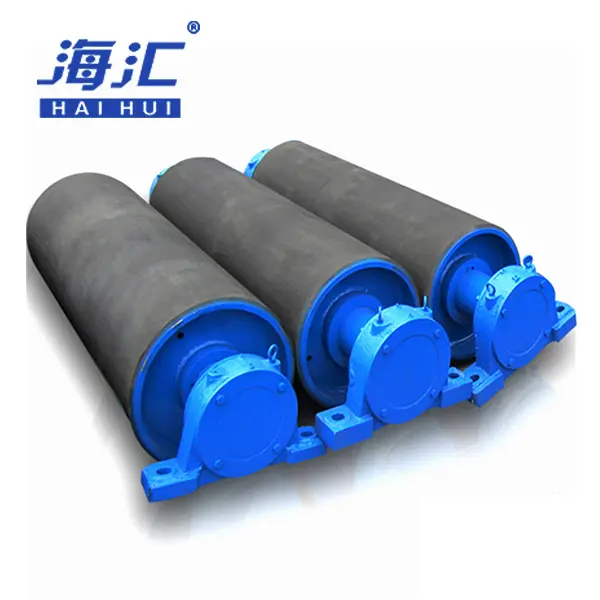
5 Steps to Ensure Motorized Conveyor Pulley Compliance
Staying compliant in the world of motorized conveyor pulleys is not just about ticking boxes. It’s about tight control, smart systems, and real accountability. From custom conveyor solutions to integrated drive systems, every detail shapes performance and market trust.
Step 1: Automating Fabrication Line for Batch Consistency
For motorized conveyor pulleys, stability begins at the fabrication line.
Core Production Layer:
- Automated fabrication improves dimensional accuracy.
- Closed-loop process control reduces tolerance drift.
- Sensors log data for batch consistency.
Operational Gains:
- Tighter dimensional tolerances.
- Improved production efficiency.
- Reduced variability across motorized conveyor pulleys.
For brands scaling motorized conveyor pulleys, a manufacturer like Haihui integrates precision fabrication systems that lock in repeatability without slowing throughput. The result? Cleaner data. Cleaner batches. Better compliance.
Step 2: Induction Hardening within Application Guidelines
Motorized conveyor pulley reliability also depends on correct shaft hardening.
Hardening Control System:
- Calibrated induction coils.
- Verified power and frequency ratios.
- Routine case depth integrity testing.
Regulatory Alignment:
- Conformity with CEMA application guidelines.
- Adherence to safety regulations for rotating equipment.
For motorized conveyor pulleys shipped globally, proper hardening protects both performance limits and application approval.
Step 3: Quality Control Protocols for Bearing Fits
Consistent bearing fit keeps motorized conveyor pulleys compliant and operationally reliable.
Lab Verification:
- Micrometer measurement for fit accuracy.
- Recorded batch testing reports.
- Checks on housing alignment for assembly adherence.
Performance Tracking Data:
| Test Batch | Bearing Fit (mm) | Runout (mm) | Temperature Rise (°C) |
|---|---|---|---|
| P102 | 0.015 | 0.02 | 35 |
| Q214 | 0.018 | 0.03 | 38 |
| R337 | 0.016 | 0.02 | 36 |
Maintaining stable readings protects performance targets while keeping motorized conveyor pulley operation sharp.
Step 4: Labeling Equipment with Test Reports
Clear labels matter.
- Integrated labeling machinery syncs with updated test reports.
- Real-time database links improve traceability communication.
- Automated label printing reduces manual error.
Accurate product information supports CEMA standards for regulatory compliance and smooth export approval for motorized conveyor pulleys.
Step 5: Assessing Shell Materials for Performance Limits
Long-term performance depends on shell materials and component design.
Material Evaluation:
- Steel grade verification.
- Coating resistance tests.
- Weld durability checks.
Performance Protection:
- Monitoring stress concentrations.
- Testing for fatigue and deformation.
- Lifecycle measurement of torque capacity.
Haihui engineers its motorized conveyor pulleys to minimize micro-wear over time, helping brands meet strict performance limits without sacrificing operational reliability.
Key Factors Affecting Motorized Conveyor Pulley Performance
When producing motorized conveyor pulleys, small design tweaks can swing torque numbers fast. From shaft balance to sealing control, every detail counts. If you’re sourcing motorized conveyor pulleys or building a conveyor line, understanding what drives performance keeps operations tight and maintenance stress low.
Shaft Hardening vs. Through-Hardening
In motorized conveyor pulleys, performance starts with the balance between shaft hardening and structural integrity. The heat treatment defines service life, reliability, and regulatory fit.
Shaft Hardening:
- Composition: Induction hardening at bearing seats.
- Performance: Direct impact on wear resistance and bearing retention.
- Effect: Hard surface with tough core.
Through-Hardening:
- Composition: Heat treat entire shaft.
- Performance: Uniform hardness throughout.
- Effect: Consistent strength but less surface wear resistance.
Additive Treatments:
- Functional Additives: Corrosion protection, stress relief.
- Performance Strategy: Lower maintenance demand, longer service intervals.
For producers of motorized conveyor pulleys, innovation in heat treatment reduces failures while keeping torque delivery and reliability right where customers want them.
Bearing Grades and Housing Materials
The backbone of motorized conveyor pulleys is the mix of bearing grades and housing materials. Bearing type defines load capacity; housing material decides corrosion resistance.
- Higher grade bearings (P6, P5) – Improve alignment, reduce vibration.
- Stainless steel housings – Improve corrosion resistance, support even load distribution.
In motorized conveyor pulleys, heavier loads often require larger bearings. That pushes cost upward. Smart material selection trims that excess.
| Bearing Type | Load Rating (kN) | Service Life (hrs) | Cost Index |
|---|---|---|---|
| P0 (Standard) | 25 | 20,000 | 1.0 |
| P6 (Improved) | 35 | 35,000 | 1.4 |
| P5 (Precision) | 40 | 50,000 | 1.8 |
Manufacturers like Haihui optimize bearing selection so motorized conveyor pulleys stay compliant without losing durability.
Seal Types Impact on Service Life
For motorized conveyor pulleys used in harsh environments, seals protect against contamination, yet they subtly shift the maintenance interval.
Seal Selection:
- Labyrinth seals: Low friction, moderate dust protection.
- Contact seals: High contamination protection, increased drag.
- Application Balance:
- Adjust seal type for operating conditions.
- Fine-tune grease fill.
- Test under varied application conditions.
In motorized conveyor pulleys, dialing in seal protection without dragging out maintenance intervals is a tightrope walk, but worth it for long-term reliability.
Lagging Types and Belt Tracking Consistency
Even perfect mechanicals fail if delivery is messy. In motorized conveyor pulleys, lagging types shape the belt tracking, and that shapes wear dispersion.
Traction Control:
- Ceramic lagging: Extreme grip, longer life.
- Rubber lagging (60-75 Shore A): Good general traction.
- Herringbone grooves: Self-cleaning, water shedding.
Pattern Geometry:
- Herringbone: Better uniformity, improved self-cleaning.
- Plain: Even wear, dry applications.
- Diamond: Good general purpose.
Stable motors and precision actuators, like those used by Haihui, keep motorized conveyor pulleys delivering smooth power, clean tracking, and smarter torque distribution.
When the design, materials, and application align, motorized conveyor pulleys perform cleaner, last longer, and feel effortless in operation.
Motorized Conveyor Pulley Compliance Checklist
Staying compliant with CEMA and efficiency standards is not just paperwork; it directly affects how motorized conveyor pulleys are stored, shipped, tested, and branded. From warehouse racks to test tags, every detail matters. If you work with motorized conveyor pulleys, this checklist keeps things practical and on point.
Inventory Management of Motorized Conveyor Pulleys
Managing stock for motorized conveyor pulleys starts with tight performance tracking and clean product classification. A messy system can push non-compliant pulleys out the door, and that’s a fast way to fail CEMA compliance audits.
Warehouse Control:
- Shelf-life management: Monitor batch dates, apply FIFO stock rotation, flag near-expiry stock.
- Storage Conditions: Temperature logs, ventilation checks, segregation by size class.
Regulatory Oversight:
- Regulatory reporting schedules.
- Torque threshold alerts for conveyor lines.
- Digital dashboards for motorized conveyor pulley inventory:
- Real-time torque alerts.
- Batch-level traceability.
- Automated audit trails.
Done right, inventory becomes predictable, clean, and inspection-ready.
Packaging Specifications for Motorized Pulley Shipments
Shipping motorized conveyor pulleys means strict labeling requirements, clear dimensional symbols, and verified crate integrity. Even minor dents can cause compliance trouble.
Transport Regulations Checklist:
- Confirm crate-rated packaging.
- Validate shipping documentation.
- Check material compatibility between shaft, bearings, and seals.
- Review regional transport regulations.
| Test Item | Standard Limit | Measured Avg | Max Allowed | Pass Rate (%) |
|---|---|---|---|---|
| Shaft Hardness (HRC) | 50-55 | 52 | 55 | 99.2 |
| Face Runout (mm) | 0.5 | 0.3 | 0.5 | 98.7 |
| Motor Temp Rise (°C) | 65 | 58 | 65 | 99.5 |
| Lagging Bond (N/mm) | 12 | 14 | 12 | 99.0 |
| Salt Spray (hrs) | 240 | 280 | 240 | 97.8 |
No shortcuts here. A clean shipment protects both brand and buyer.
Torque Transfer and Service Life Tests
Performance still matters. Motorized conveyor pulleys must pass alignment checks and confirm compatibility before launch.
Testing flow:
- Clean and inspect bearing seats.
- Apply defined torque load.
- Monitor under controlled conditions.
- Measure temperature rise and vibration.
- Record service life after endurance testing.
Quick notes:
- Thin shafts fail faster.
- Poor prep kills alignment.
- Efficiency limits should not weaken durability.
Balanced engineering for motorized conveyor pulleys can stay compliant and still perform like they should.
Private Label Branding in Line with CEMA Limits
Branding motorized conveyor pulleys is more than good looks. It starts with a careful engineering review and clear performance disclosure.
Brand Development Flow:
- Regulatory check: Torque capacity verification, regulatory approval.
- Artwork stage: Tag design aligned with performance codes, approved marketing claims only.
- Documentation: Updated product test data, archived revision control.
Short reality check: Flashy tags mean nothing if torque numbers exceed limits. Clean data, honest claims, and tight documentation keep private label conveyor programs smooth and safe.
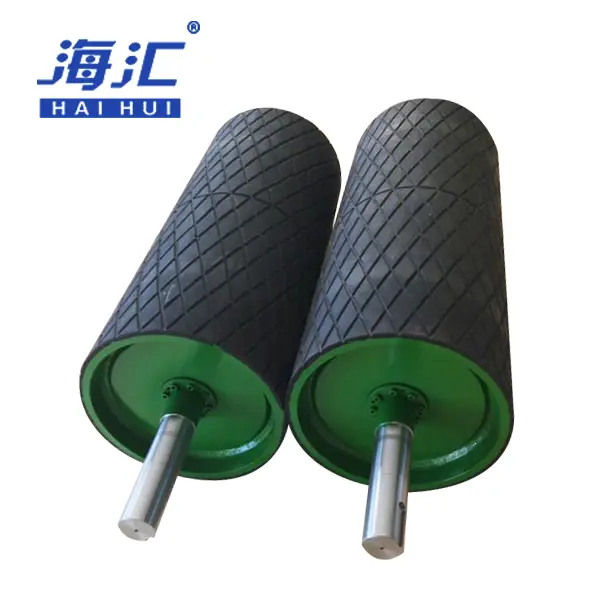
Insights on Future Motorized Conveyor Pulley Standards
Tighter rules on efficiency and reliability are changing how motorized conveyor pulleys are designed and sold. For brands producing motorized conveyor pulleys, the pressure is real but manageable. From lab tests to tag claims, every detail matters. If you work with motorized conveyor pulleys or engineered drive solutions, staying ahead keeps your projects smooth and compliant.
Anticipated Changes in Global Efficiency Thresholds
Global shifts in energy standards are pushing lower consumption controls across North America, Europe, and parts of Asia. For producers of motorized conveyor pulleys, this reshapes material choices and testing routines.
Regulatory Direction:
- International regulations: Gradual reduction of allowable energy consumption, stricter cross-border documentation.
- Regional regulatory updates: Industry-driven efficiency caps, expanded reporting of motor performance.
Compliance Impact:
- Updated requirements for motor selection.
- Reformulating cooling systems.
- Switching to high-efficiency IE4/IE5 motors.
- Certification alignment: Efficiency audits, third-party lab validation.
For Haihui, adapting motorized conveyor pulleys means engineering smarter designs while keeping torque performance sharp and reliability tight.
Impact on Custom Performance and Finish Variations
Lower efficiency caps directly affect motor design, especially for motorized conveyor pulleys used in demanding applications.
Design Adjustments:
- Binder modifications: Maintain torque durability, improve material compatibility.
- Balance optimization: Support advanced design techniques, reduce energy consumption under load.
- Production & Design: Refined application methods, testing across duty cycles.
Innovation Path:
- R&D in high-efficiency motor designs.
- Fewer creative limitations through smart product development.
Motorized conveyor pulleys still deliver bold torque and smooth operation. Haihui keeps motorized conveyor pulleys aligned with evolving rules while protecting performance and that clean, reliable operation plants expect.
FAQs
What makes motorized conveyor pulleys compliant with CEMA and efficiency regulations?
Compliance begins in the engineering and ends on the production floor.
Performance control:
- Balanced shaft design and controlled bearing fits.
- Optimized motor selection to limit energy loss.
- Carefully selected seals within operational guidelines.
Manufacturing discipline:
- Automated fabrication and precise induction hardening.
- Ongoing quality control protocols for batch consistency.
- Accurate performance data reflected in updated test reports.
Certified output:
- Verified efficiency certifications.
- Integrated labeling displaying legal performance limits.
The result is a pulley that operates smoothly while staying inside compliance thresholds.
How can OEM buyers verify performance levels in bulk shipments?
Performance trust is built on data, not promises.
- Request hardness and test reports tied to specific batch numbers.
- Cross-check motor efficiency and shaft specs against CEMA application guidelines.
- Confirm alignment between lab data and production records.
For added assurance:
| Verification Point | What to Check | Why It Matters |
| :— | :— | :— | :— |
| Batch Reports | Torque % by rating | Confirms legal compliance |
| Test Documents | Hardness & material data | Matches declared design |
| Motor Logs | Winding integrity | Prevents field failure |
Clear documentation protects both compliance and brand reputation.
What packaging and transport rules apply to motorized conveyor pulleys?
Conveyor components travel under load, so logistics must be precise.
- Approved crate types rated for component weight.
- Durable materials tested for impact resistance.
- Proper classifications printed clearly.
- Inclusion of batch-level test reports.
Behind the scenes:
- Shaft systems, bearing designs, and seal configurations are checked through inspections before warehousing and delivery schedules are confirmed. Transport guidelines are not optional—they define market access.
How do engineering and components affect performance and service life?
Performance is felt the moment the belt starts moving.
Torque control system:
- Matched shaft and bearing designs.
- Stable torque delivery consistency.
- Controlled flow through tuned seal configurations.
Service life balance:
- Calibrated material properties for durability.
- Refined additive treatments for longevity.
- Managed operating temperatures across application needs.
Customization completes the picture:
- Custom engineering services, finish variations, shaft and seal selection, and private label branding allow OEM buyers to tailor performance without stepping outside CEMA regulations.
References
- Motor Efficiency Standards – iec.ch
- CEMA Conveyor Equipment Standards – cemanet.org
- Ground-level Ozone Pollution – U.S. EPA – epa.gov
- Global Conveyor Market Analysis – Grand View Research – grandviewresearch.com
- Industrial Standards – OSHA – osha.gov
- Motorized Pulley Performance Testing – Smithers – smithers.com
- Hardness Testing Methodology – ASM International – asminternational.org
- IE3/IE4 Efficiency Guidelines – Department of Energy – energy.gov
- CEMA Pulley Application Guide – cemanet.org
- ISO 9001 Quality Management – iso.org
- Statista Industry Data – statista.com
- PHMSA Hazmat Registration – phmsa.dot.gov
- Haihui – Technical specifications for motorized conveyor pulleys

 English
 العربية
 简体中文
简体中文 Nederlands
 Français
 Deutsch
 Bahasa Indonesia
 Italiano
 日本語
日本語 한국어
한국어 Bahasa Melayu
 Polski
 Português do Brasil
 Русский
 Español
 Türkçe