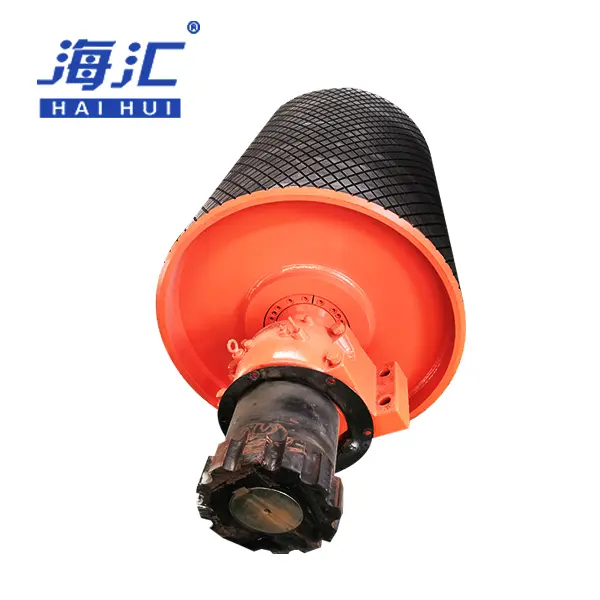
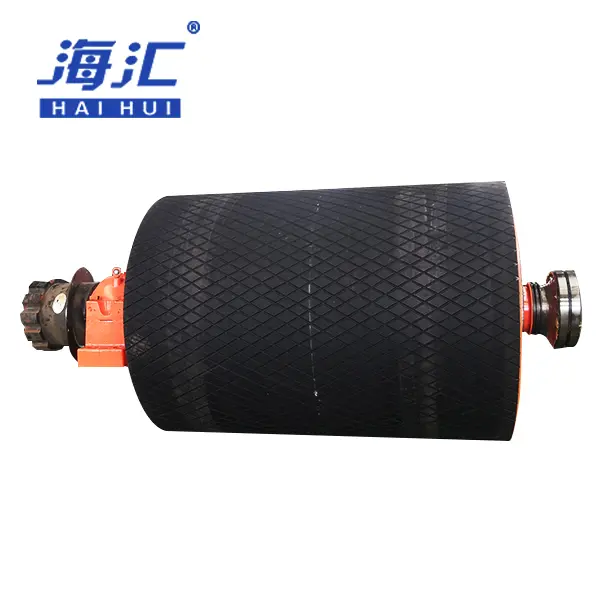
Head Pulley and Tail Pulley for Mining & Aggregate Conveyor
According to recent research from Grand View Research and Smithers, conveyor component demand continues rising through 2026, driven by mining expansion and aggregate production growth. Buyers need partners built for compliance, consistency, and scale, not just a slick sales pitch.
Types Of Head Pulley And Tail Pulley Manufacturers
Head pulley and tail pulley manufacturers shape the conveyor systems that move bulk materials we rely on without thinking—aggregate, coal, cement, grain. From small fabrication shops to global pulley manufacturers, each type serves a distinct role in the wider mining, quarry, and aggregate ecosystem.
Head Drive Pulley Specialists
Head pulley and tail pulley manufacturers focused on head drives operate with tight process control and serious precision. Within this niche:
Material & Forming
- S355 steel shell selection
- Corrosion-resistant base (epoxy or polyurethane coating)
- Optimized for rolling and welding
- Shell construction – Rolled plate with full-penetration welds
Functional Integration
- Torque transfer compatibility
- Matched to belt tension requirements
- Drive components
- Forged 42CrMo4 shaft
- Induction-hardened bearing seats (HRC 50-55)
- Precision bearing fitment (h7/h6)
Surface & Protection
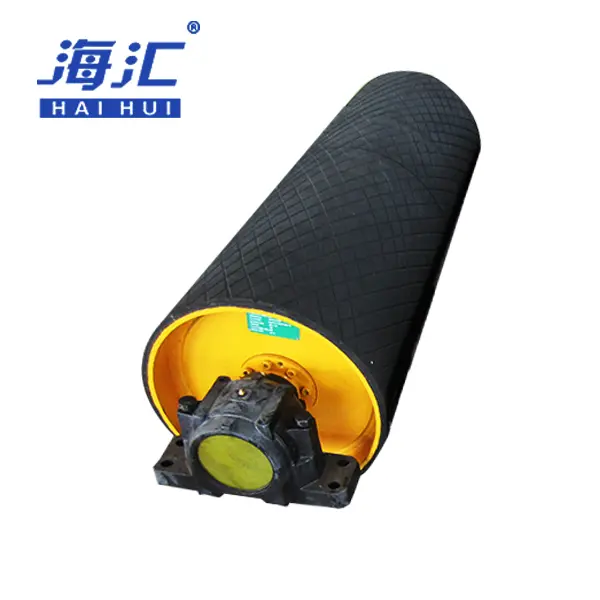
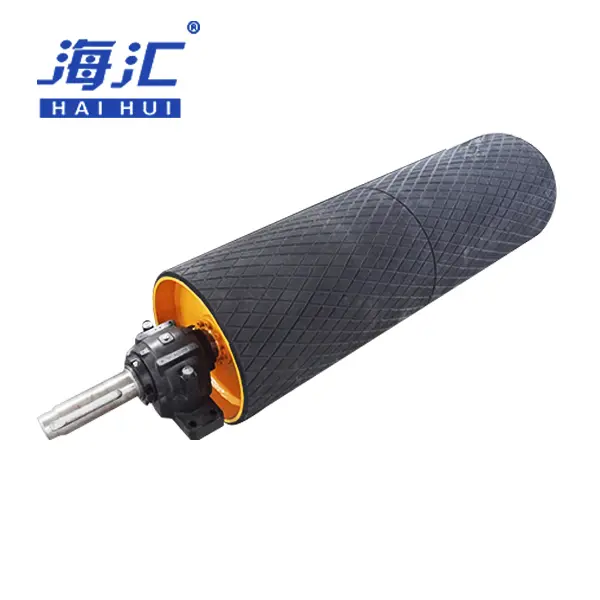
- Vulcanized rubber or ceramic lagging for traction
- Herringbone or plain groove patterns
Reliable head pulley manufacturers in this space don’t just form shells; they must align torque capacity with CEMA compliance. That’s where brands like Haihui step in, balancing output speed with reliable traction.
Tail Pulley & Take-Up Specialists
Among head pulley and tail pulley manufacturers, tail pulley specialists handle return side and take-up applications.
Product Types
- Standard tail pulleys (bare or light lagging)
- Gravity take-up pulleys
- Wing pulleys for self-cleaning
Structural Features
- Fabricated S355 steel shell
- Reinforced end plates
- Sealed bearings for contamination protection
Certification & Use
- CEMA-rated performance
- Built for mining and aggregate supply chains
According to Grand View Research (2024 update), industrial conveyor component demand continues to rise alongside mining and aggregate growth, reinforcing the role of certified pulley manufacturers worldwide.
Component suppliers in this category focus on durability over flash. Pulley manufacturers serving this field earn trust by passing torque, tension, and wear tests—no shortcuts allowed.
Ceramic Lagged Pulley Manufacturers
This corner of pulley manufacturing works with extreme traction requirements.
Forming Process
- Shell rolling and welding
- Ceramic tile placement (92-95% Al₂O₃)
- Vulcanized rubber matrix
Application Focus
- High-tension head drives
- Inclined and wet conveyors
- Long overland belts
Finishing
- Herringbone groove patterns
- Secure tile retention
- Bond peel strength ≥12 N/mm
The result? High-traction, wear-resistant pulleys that keep belts moving in wet or muddy conditions. Good pulley manufacturers here know that a smooth shell and proper lagging keep belt slip where it belongs.
Recycled-Content Steel Plate Fabricators
Sustainability has moved from buzzword to baseline. Pulley manufacturers now rethink sourcing through:
Material Streams
- Post-consumer scrap (steel plate)
- Post-industrial returns
Processing
- Sorting and cleaning
- Controlled melting
- Precise alloying
Impact Goals
- Reduced environmental load
- Support for the circular economy
- Measurable sustainability benchmarks
Scrap becomes plate. Plate becomes shell. That loop matters.
Forward-looking pulley manufacturers prove that recycled content doesn’t mean weaker performance. With the right alloy balance and weld control, strength holds steady. That’s how Haihui positions itself—serious about steel, serious about the future.
In the end, head pulley manufacturers, tail pulley manufacturers, and specialized metal fabricators all fit into one evolving story: smarter materials, safer components, and pulleys that simply get the job done.
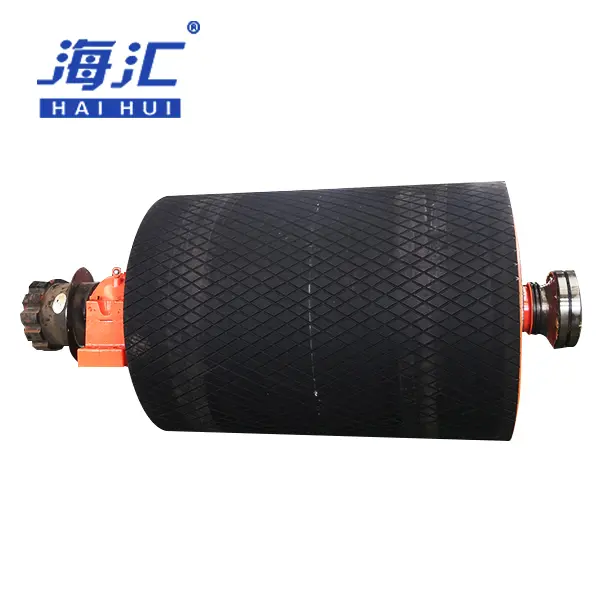
4 Criteria For Selecting Head Pulley And Tail Pulley Manufacturers
Choosing the right head pulley and tail pulley manufacturers can feel tricky. A good partner keeps your conveyor line smooth, your belt safe, and your production targets sharp. Not all manufacturers operate at the same level, so it pays to check the details behind their fabrication systems, skills, and service mindset.
ISO 9001 & CEMA Compliance
When reviewing head pulley and tail pulley manufacturers, focus on structured compliance:
Quality foundation
- Verified ISO 9001 certification
- Documented quality management system
- Clear auditing standards
- Continuous improvement records
Transparent process control
- Batch tracking
- Full material traceability
- NDT weld inspection logs
Regulatory alignment
- Adherence to CEMA standards
- Control of shaft hardness (HRC 50-55)
- Updated environmental regulations records
- Conformance with MSHA safety standards
- Export-ready documentation
- Third-party compliance validation
Reliable pulley manufacturers such as Haihui back every shipment with paperwork that actually makes sense, not vague promises.
Shell Rolling and Welding Expertise
Strong metal performance starts with core fabrication skills:
Forming capability
- Advanced shell rolling process
- Precise plate forming
- Controlled material shaping
Joining technology
- Automated welding techniques (robotic)
- Seam integrity testing (NDT: UT/MPI)
- Stable structural integrity
Production consistency
- High-volume line compatibility
- Tight tolerance precision manufacturing
- Scalable fabrication capabilities
Experienced pulley manufacturers understand that tiny weld flaws can ruin concentricity and tracking. Good ones catch issues before they hit your conveyor line.
Just-in-Time Delivery & Logistics Solutions
Supply flow matters just as much as pulley quality.
Operational coordination
- Integrated logistics management
- Real-time shipment tracking
- Responsive scheduling
Smart inventory control
- Safety stock planning
- Demand forecasting
Network strength
- Global distribution networks
- Consistent on-time delivery
- Streamlined efficient fulfillment
With mature just-in-time delivery systems and serious supply chain optimization, leading pulley manufacturers reduce warehouse pressure and keep operations humming.
Custom Engineering and Prototyping Services
Innovation separates average pulley fabricators from true OEM partners.
Engineering depth
- In-house custom engineering
- Advanced shaft design
- Cost-controlled tooling lifecycle
Rapid prototyping services
- Fast sample production
- Functional validation
- Design iteration
Creative flexibility
- Tailored bespoke designs
- Agile engineering solutions
- Real design flexibility
Haihui supports mine growth through tight collaboration, turning rough sketches into market-ready pulleys without dragging timelines. That’s how serious pulley manufacturers build long-term trust.
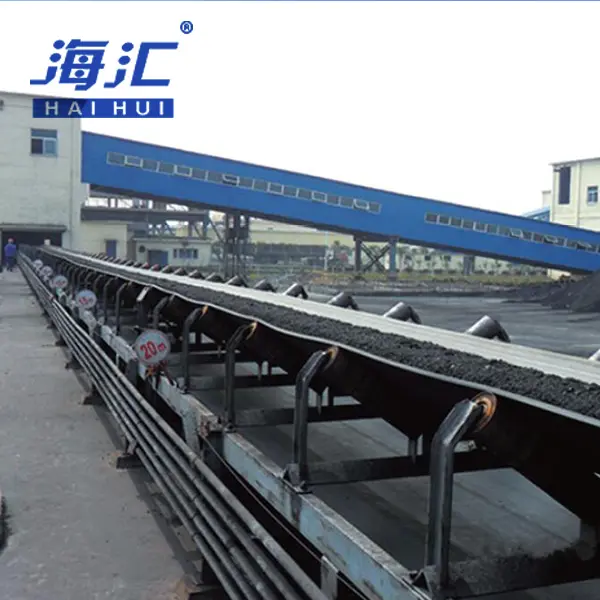
How Head Pulley And Tail Pulley Manufacturers Ensure Reliability
Reliability is serious business, and pulley manufacturers know it. From raw steel plate to finished pulleys on conveyors, every move matters. Let’s break down how smart head pulley and tail pulley manufacturers keep belts tracking and mines protected.
Shaft Hardening and Quality Standards
For responsible pulley manufacturers, shaft hardening control sits at the core of reliability.
Raw material control
- Selection of certified forged 42CrMo4 steel
- Verified material specifications
- Hardness tolerance within HRC 50-55
- Supplier audits for steel grade
- Compliance with CEMA standards
- Confirmation of induction hardening
Surface protection
- Induction hardening of bearing seats
- Case depth 3-5mm minimum
- Temperature control during heating
- Hardness traverse verification
Corrosion resistance validation
- Salt spray exposure tests (240-500 hours)
- Coating adhesion testing
- Long-term corrosion resistance verification
| Test Item | Standard Limit | Typical Result (Haihui) |
|---|---|---|
| Shaft Hardness (HRC) | 50-55 | 52-54 |
| Case Depth (mm) | 3-5 | 4.0 |
| Weld NDT | 100% | No defects |
| Concentricity (mm TIR) | ≤0.5 | 0.3 |
Reliable pulley manufacturers like Haihui treat these numbers as daily checkpoints, not marketing talk.
NDT Weld Inspection and Dynamic Balancing
When it comes to pulley integrity, manufacturers follow a tight system.
Weld verification
- Full-penetration weld inspection
- Measurement of weld penetration depth
- Monitoring weld quality
- Visual defect scanning for porosity
Automated testing
- Inline NDT inspection (ultrasonic, MPI)
- Dynamic balancing (G-16 minimum for >3 m/s)
- Vibration-based balancing verification
- Detection sensitivity to ISO standards
Quality control loop
- Real-time defect identification
- Rejection of compromised units
- Documentation under strict quality control rules
No guesswork here. Strong shell welds and proper balance mean smooth belt tracking and extended component life. Leading pulley manufacturers run these checks 24/7 because one weak weld can ruin a whole conveyor batch.
Full Material Traceability Practices
Smart pulley manufacturers build trace systems that connect every pulley to its origin.
Upstream tracking
- Raw material sourcing
- Steel plate ID registration
- Supplier batch coding
- Recording of coating lot numbers
Production monitoring
- Digital batch tracking
- Time stamp per shift
- Machine ID logging
- Storage of production records
Downstream assurance
- Linking finished pulleys to plate origin
- Centralized documentation systems
- Recall simulation drills under quality assurance programs
Through tight traceability and disciplined supply chain management, experienced pulley manufacturers make recalls faster and risk smaller. At Haihui, trace codes follow each unit from steel mill to mine site. That’s how modern pulley manufacturers keep belts safe—and keep trust intact.
Scenario: OEM Pulleys For Mining And Aggregate
Mining and aggregate operations rely on head pulley and tail pulley manufacturers that can handle torque, volume, and strict compliance. From bulk OEM production to precision engineering, the right pulley partner keeps supply steady and safe.
Contract Manufacturing for High-Volume Production
Working with experienced pulley manufacturers means aligning contract manufacturing with serious OEM production goals. High-volume mine clients expect stability, not surprises.
Core manufacturing framework
- Manufacturing capacity planning
- Automated fabrication lines calibrated for mass output
- Real-time quality control checkpoints
- Secured supply chain coordination
- Qualified raw material vendors
- Dual-source steel plate procurement
Performance priorities
- Consistent mass production cycles
- Batch traceability
- Torque resistance validation
Reliable pulley manufacturers don’t just produce shells; they manage risk across every shift. As one of the established heavy industrial manufacturers, Haihui supports global mines that need heavy-duty pulleys at scale.
Shafts, Bearings & Lagging Integration
Mining conveyors demand precise component integration. Skilled pulley manufacturers coordinate:
Drive assembly
- Shafts matched to torque requirements
- Bearings tuned for load capacity
- Lagging engineered for traction control
Safety & compatibility
- Corrosion-resistant coatings
- Pressure-tested closure systems
- Certified conveyor components
In mining environments, tiny misalignment in drive systems can create big trouble. That’s why leading pulley manufacturers run compatibility simulations before full rollout.
Lead Time Optimization through Global Distribution
Fast supply keeps production lines moving. Top-tier pulley manufacturers coordinate global flow like this:
Demand forecasting
- Shared production schedules
- Buffer planning
Inventory control
- Vendor-managed inventory programs
- Regional warehousing hubs
Distribution execution
- Optimized transportation networks
- Data-driven logistics optimization
Shorter lead time is not luck. It’s structured supply chain logistics backed by global distribution routes. With integrated planning and steady output, Haihui works alongside international mines that expect pulley manufacturers to deliver on time, every time.
FAQs
How do head pulley and tail pulley manufacturers guarantee reliability for mining use?
Reliability is built into every stage of production.
Material control
- Certified forged 42CrMo4 shafts under strict supplier qualification
- S355 steel plate for shells with material traceability
- Full material traceability from steel mill to finished pulley
Process discipline
- Precision shell rolling and welding for uniform strength
- Automated welding on end plates
- Inline NDT inspection before shipment
Behind every pulley, there is ISO 9001 documentation, hardness test records, and engineers who treat compliance as personal responsibility—not paperwork.
What production capabilities matter most in high-volume mining conveyor applications?
For OEM contract manufacturing, consistency is everything.
Core manufacturing strengths
- High-volume production on synchronized fabrication lines
- Integrated NDT for weld verification
- Accurate shaft and bearing installation
Engineering support layer
- Custom tooling for unique diameters
- Prototyping services that shorten validation cycles
- Design engineering that aligns pulley geometry with belt tension
When output reaches thousands of pulleys, even a millimeter matters. Skilled teams, stable tooling, and disciplined fabrication protect both performance and reputation.
How do head pulley and tail pulley manufacturers reduce lead times in global supply chains?
Speed comes from coordination, not shortcuts.
Supply chain integration model
- Just-in-time delivery tied to OEM forecasts
- Vendor-managed inventory near mine sites
- Inventory management systems synced with global distribution hubs
Partnership development approach
- Strategic sourcing of steel plate and forged shaft material
- Long-term agreements to stabilize capacity
- Logistics solutions focused on lead time optimization
Sustainability initiatives now run alongside scheduling: higher recycled content, efficient transport planning, and careful pulley design. The result is a supply network that feels steady—even under pressure.
References
- Conveyor Component Market Size & Share – grandviewresearch.com
- The Future of Bulk Handling to 2026 – smithers.com
- ISO 9001 Quality Management – iso.org
- CEMA Standards – cemanet.org
- NDT Weld Inspection – asnt.org
- MSHA Safety Standards – msha.gov
- ASTM E18 Hardness Testing – astm.org
- Induction Hardening Guidelines – heat treating net
 English
 العربية
 简体中文
简体中文 Nederlands
 Français
 Deutsch
 Bahasa Indonesia
 Italiano
 日本語
日本語 한국어
한국어 Bahasa Melayu
 Polski
 Português do Brasil
 Русский
 Español
 Türkçe