
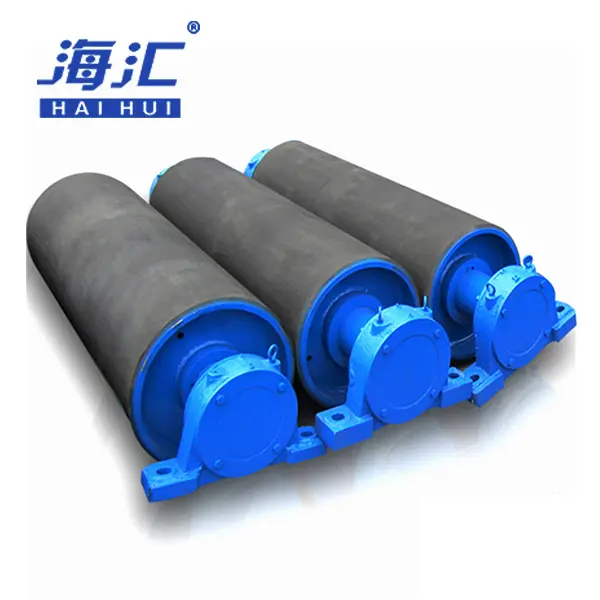
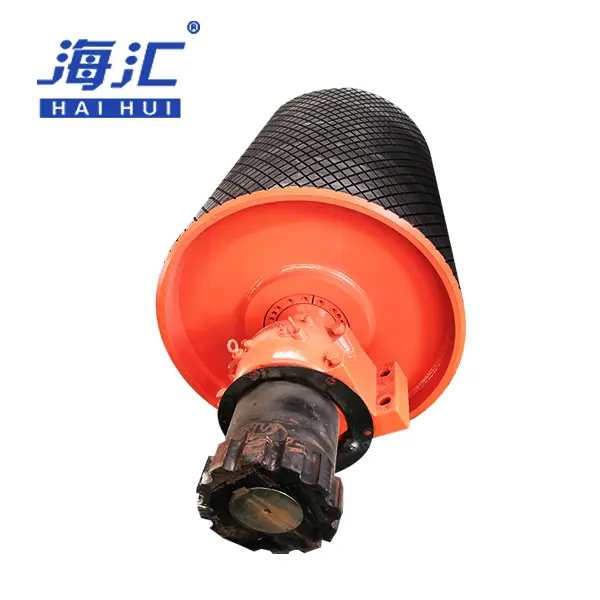
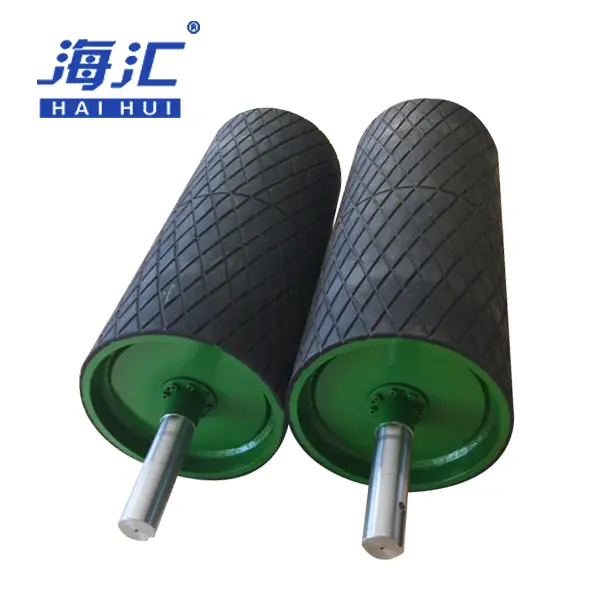
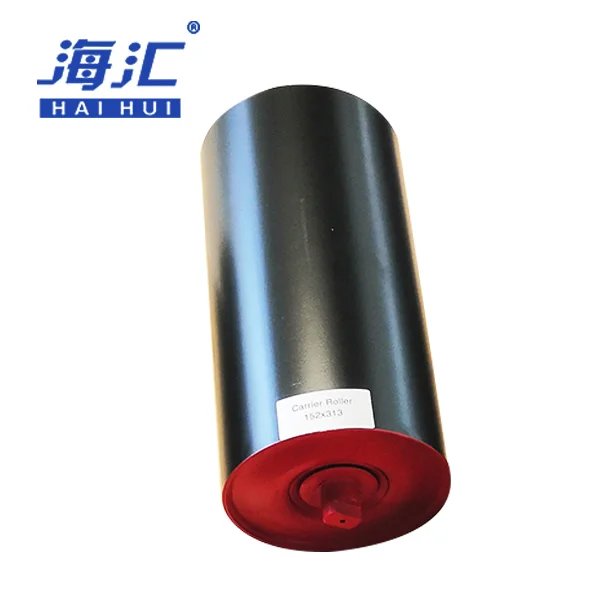
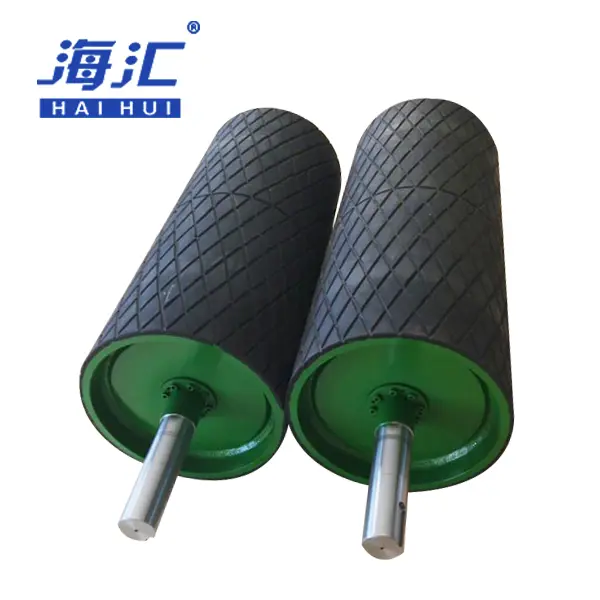
用于采矿和骨料输送机的输送机头轮和尾轮
- By 2026, Global Conveyor Component Market Hits $40B
- Forged vs. Fabricated Pulleys: 2026 Buying Guide
- 4 Key Factors In Selecting Conveyor Pulley Equipment
- How Will Standards Reshape Conveyor Pulley Manufacturing?
- Custom Pulleys: Ensuring CEMA Compliance
- Escalating Costs? Bulk Buying Cuts Conveyor Component Expenses
- FAQs about Conveyor Head and Tail Pulley
- References
Conveyor head and tail pulley sourcing in 2026 feels a bit like playing Jenga during an earthquake—steady hands required. Grand View Research pegs the global conveyor component market near $40 billion, and buyers can sense the stakes. Steel plate swings, hardening costs tightening, freight rates doing the cha-cha—it’s enough to make any procurement lead reach for antacids.
“Supply security is now a board-level priority,” notes CEMA’s 2025 industry outlook. Short sentence. Big weight.
Forged vs. fabricated? Ceramic lagging or rubber? Hardened shafts or standard bar stock? One bad supplier call can stall a conveyor line faster than a seized bearing. This guide cuts through the noise and zeros in on what keeps margins safe and belts moving.
By 2026, Global Conveyor Component Market Hits $40B
Global demand for conveyor components keeps climbing, touching new highs as bulk material handling expands worldwide. From mining overland conveyors to aggregate transfer points, fabrication and supply lines are running at full speed.
Mining Sector Leads with Heavy-Duty Pulley Demand
The mining sector continues to dominate conveyor component demand, driven by high-tension head pulleys and tail pulleys in overland and underground applications. Growth feels practical, not flashy—factories scale because mining output keeps rolling in.
Drivers Behind Market Growth
- Expansion of local mining operations
- Increasing conveyor lengths and tonnage
- Rising demand for engineered pulleys
Impact on Regional Market
- Boosts regional market share for component manufacturers
- Encourages product innovation in lagging and sealing
- Supports integrated supply clusters
Manufacturers like 海辉 support conveyor upgrades with high-speed fabrication and hardening systems tailored for heavy-duty pulley production.
Aggregate Sector’s Private Label Manufacturing and Supply Chain Integration
In aggregates and quarrying, bulk supply programs are reshaping conveyor component economics. Large producers want tighter control, faster turnaround, and transparent specifications.
- Custom pulleys through contract manufacturing
- Real-time tracking in supply chain integration
- Flexible batch sizing in fabrication
“Custom component programs are accelerating across mining and aggregate categories, supported by vertically integrated supply models,” noted a 2025 CEMA industry outlook.
Key moves in conveyor component manufacturing include:
- Aligning logistics hubs with fabrication plants
- Digitizing compliance checks
- Consolidating head and tail pulley output
海辉 partners with contract producers to streamline conveyor component lines, keeping logistics tight and quality steady.
OEM Production Capacity Trends for Mining and Aggregate Pulleys
OEM manufacturing in conveyor components is scaling up fast, especially for high-tension head pulleys and tail pulleys.
Within production capacity expansion:
Equipment Layer
1.1 Automated fabrication lines
1.2 Precision machining centers
1.3 Induction hardening cells
Compliance Layer
2.1 CEMA validation
2.2 Batch traceability
2.3 Hardness testing
Output Layer
3.1 Higher manufacturing output per shift
3.2 Diversified product categories
3.3 Stable contract production cycles
This structured investment keeps conveyor component manufacturing competitive. From overland head pulleys to tail take-ups, production capacity now aligns closely with global demand curves. And yes, the pace of conveyor component manufacturing isn’t slowing anytime soon.
Forged vs. Fabricated Pulleys: 2026 Buying Guide
Choosing between forged and fabricated pulleys isn’t just about price. In conveyor component manufacturing, pulley performance shapes belt tracking, torque transfer, and safety. From fabrication lines to high-speed balancing, material choice affects fatigue life, corrosion, and sustainability goals. Let’s break it down in plain terms.
Forged Shaft Pulleys (Premium Construction)
In modern conveyor component manufacturing, forged shafts remain the go-to for high-tension head pulleys and long overland conveyors.
Material composition
- Base substrate: 42CrMo4 forged steel
- Protective layer: Induction hardening (HRC 50-55 bearing seats)
- Interior integrity: Case depth 3-5mm for wear resistance
Structural performance in pulley manufacturing
- Body formation: Forged grain flow alignment
- Electric induction hardening ensures strong bearing seat integrity
- Top and bottom assembly: Precision machining
- Double-checked for hardness and straightness
Pressure control
- High torque rating for starting and running loads
- Suitable for CEMA D/E applications
- Ideal for mining and long overland conveyors
Lifecycle factors
- Strong fatigue life in global steel streams
- Excellent recyclability and material recovery
- Higher upfront cost balanced by longer service life (8-12 years)
For brands focused on industrial reliability, 海辉 integrates strict hardness testing and NDT inspection into its pulley manufacturing lines, keeping compliance tight and downtime low.
Fabricated Shell Pulleys (Cost-Effective Construction)
Fabricated shell pulleys shine in general quarry and aggregate applications, especially where budget matters.
Key advantages:
- Cost-effective construction
- Good formability and weldability
- S355 steel plate with full-penetration welds
Performance snapshot:
| Property | Fabricated Pulley | Forged Shaft Pulley |
| :— | :— | :— | :— |
| Shaft Material | C45 bar stock | Forged 42CrMo4 |
| Bearing Seat Hardness | As-rolled (15-25 HRC) | Induction hardened (50-55 HRC) |
| Fatigue Life | 500,000 cycles | 1,500,000+ cycles |
| Typical Application | Quarry, aggregate | Mining, overland |
In fabrication for head and tail pulleys, fabricated shells allow custom diameter and face width shaping, improving belt tracking and cost control. Natural weldability pairs well with standard fabrication methods, while internal coatings boost corrosion resistance.
Short and simple:
- Better cost control for standard applications
- Strong durability story
- Good appeal for budget-conscious buyers
From a fabrication angle, S355 steel offers good weldability and formability without extra processing. In high-volume fabrication, lower material cost improves pallet efficiency and budgets.
For quarry and aggregate lines, fabricated pulleys often feel like the smart move. For heavy-duty mining, forged shafts still hold their ground.
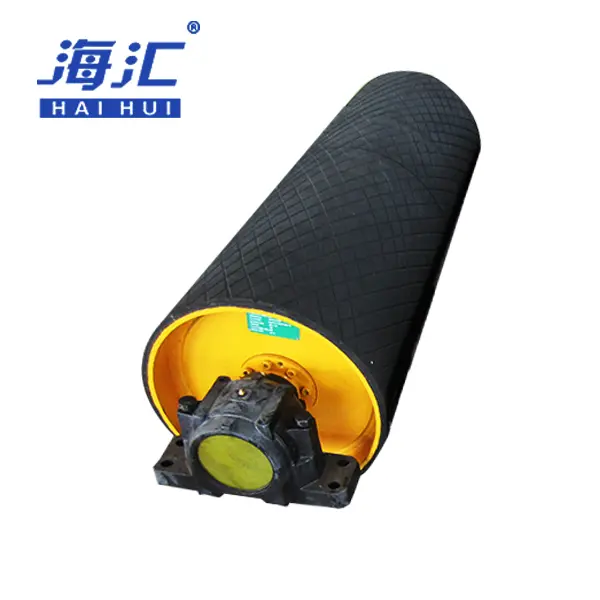
4 Key Factors In Selecting Conveyor Pulley Equipment
A smart investment in conveyor pulley equipment keeps your fabrication line steady, safe, and profitable. From rolling speed to welding strength, every detail shapes how smoothly your fabrication line runs day after day.
Fabrication Lines and Hardening Efficiency
In conveyor component manufacturing, the heart of output lies in advanced fabrication lines and precise hardening control.
Core system layout
- Equipment integration: rolling, welding, machining
- Induction hardening cells
- Inline NDT modules
- Sensor-based dimensional control
- Real-time hardness correction
Hardening management
- Induction hardening for forged shafts
- DME or compressed gases for media
- Each option influences production efficiency
| Hardening Type | Hardness Consistency (±HRC) | Line Speed (pulleys/hr) | Efficiency Impact (%) |
|---|---|---|---|
| Induction | 2 | 4 | 98 |
| Flame Hardening | 3 | 3 | 95 |
| Case Hardening | 4 | 2 | 90 |
Tighter control means fewer rejects. In high-volume pulley manufacturing, that’s real money saved.
NDT Inspection and Quality Control Protocols
Reliable conveyor component manufacturing depends on strict NDT inspection and disciplined quality control.
Quality hierarchy
- Physical integrity checks: weld NDT (ultrasonic/MPI)
- Hardness testing: Rockwell C verification
- Lab validation: material composition review
- Compliance layer: documented safety protocols
Clean fabrication environments, filtered air, and trained operators protect product integrity. Strong quality standards keep recalls off your radar and protect your fabrication reputation.
Shaft Machining, Bearing Fitment, and Lagging Compatibility
Component harmony is non-negotiable in conveyor component manufacturing.
Dispensing assembly structure
- Shaft machining
- Diameter tolerance
- Straightness control
- Bearing fitment
- h7/h6 tolerances
- C3/C4 clearance
- Lagging
- Chemical resistance
- Groove patterns
Material logic
- Forged shaft + high-tension mining
- Fabricated shell + standard quarry
- Ceramic lagging + wet/muddy conditions
Smart customization improves torque transfer and stabilizes the drive mechanism. A refined design avoids bearing seizure, wear, and messy failures that disrupt manufacturing output.
Customization and Fabrication Flexibility
Modern conveyor component manufacturing isn’t just about making pulleys; it’s about agility.
Production control flow
- Flexible fabrication
- Small custom lots
- Scalable bulk runs
- Rapid design changeover
- Automated CAD-to-fabrication
- Digital drawing storage
Fabrication intelligence
- High-speed automation
- Integrated machinery
- Data tracking for process efficiency
This level of production flexibility supports quick customization without slowing fabrication. Brands like 海辉 design systems that align rolling, welding, and machining in one clean rhythm. For businesses scaling conveyor component manufacturing, 海辉 keeps the line tight, fast, and ready for whatever the market throws next.
How Will Standards Reshape Conveyor Pulley Manufacturing?
Standards are shaking up conveyor component manufacturing in a big way. From CEMA classifications to MSHA safety, every part of fabrication feels the heat. For teams handling conveyor component manufacturing and compliance, it’s less about red tape and more about staying sharp, efficient, and future-ready.
CEMA Standards Impacting Head Pulley Design
In conveyor component manufacturing for head pulleys, CEMA standards directly affect torque capacity, fabrication, and daily compliance work.
Key pressure points:
- Stricter shaft diameter requirements
- Higher hardness specifications
- Tighter concentricity tolerances
Within fabrication, adjustments often follow this path:
- Review current CEMA classification.
- Compare against application requirements.
- Reformulate shaft diameter and hardness.
- Validate torque transfer and belt tracking.
CEMA Classifications Snapshot in Head Pulley Manufacturing
| Classification | Max Torque (kN·m) | Typical Shaft Diameter (mm) | Hardness Spec (HRC) |
|---|---|---|---|
| CEMA B | 15 | 80 | 45-50 |
| CEMA C | 30 | 100 | 48-52 |
| CEMA D | 50 | 120 | 50-55 |
| CEMA E | 75 | 140 | 52-56 |
For brands working with 海辉, fabrication lines are often pre-configured for fast material and design changes, making CEMA upgrades far less stressful.
MSHA Guidelines for Underground Tail Pulleys
In underground mining tail pulley applications, MSHA guidelines focus on safety, flame resistance, and labeling accuracy.
Core compliance layers:
Product formulation
- Material safety review
- Flame-resistance testing
- Stability testing
Quality control
- Batch traceability
- Hardness checks
Labeling
- Material disclosure
- Usage warnings
Short reality check: if labeling slips, audits follow. If compatibility testing fails, recalls hurt. Clean documentation keeps fabrication steady and audit-ready.
DOT Shipping Regulations on Pulleys for Export
Shipping shapes conveyor component manufacturing decisions more than most people think. DOT shipping regulations and hazardous materials rules guide packaging design for fabricated pulleys.
Transportation compliance typically includes:
- Pressure testing each production lot
- Verifying coating integrity
- Updating documentation
- Marking cartons per hazard class
Miss one detail, and pallets sit in a warehouse. Smart fabrication teams build transport checks directly into the manufacturing workflow.
ISO Certifications and CEMA Standards for Conveyor Pulleys
For conveyor pulleys, ISO certifications and CEMA standards tighten control across manufacturing processes.
Quality management
- Internal auditing
- Corrective action tracking
Documentation
- Batch records
- Equipment logs
Compliance
- Supplier validation
- Ongoing auditing
In modern conveyor component manufacturing, certifications are more than wall décor. They shape purchasing, fabrication speed, shaft sourcing, even warehouse flow. 海辉 aligns its fabrication systems with ISO-driven documentation logic, helping partners keep compliance smooth while scaling output.
Custom Pulleys: Ensuring CEMA Compliance
In modern conveyor component manufacturing, CEMA compliance is not just a box to tick. It shapes product design, plant workflow, and even brand trust. From torque rating to fabrication and batch control, every move in pulley production has to balance performance with industry standards.
Selecting Engineered Materials Like Forged 42CrMo4
In conveyor component manufacturing, smart material selection drives both compliance and performance. High-tension head pulleys push manufacturers to rethink shaft materials without losing strength or stability.
Evaluating Material Composition
- Review steel grade within the full material composition.
- Compare forged 42CrMo4 against C45 bar stock.
- Check compatibility with induction hardening.
Meeting Industry Standards
- Map material data to CEMA requirements.
- Cross-check against torque and fatigue standards.
- Document hardness results for audits.
Building a Reliability Strategy
- Optimize shaft diameter and hardness ratios.
- Integrate metallurgical principles into R&D trials.
- Validate torque transfer during pilot runs.
This approach keeps fabrication practical and compliant. Brands like 海辉 align material strategy early, avoiding costly redesign later in the production cycle.
Hardness Testing and Torque Transfer Analysis
Torque transfer can make or break head pulley manufacturing.
Start with the basics:
- Run calibrated hardness testing on shafts.
- Observe torque transfer under controlled load.
- Record performance across multiple applications.
Next, dig deeper:
- Stabilize hardness within the target range.
- Measure case depth to confirm proper hardening.
- Compare results against internal quality control standards.
Small tweaks matter. A slight hardness shift can change torque characteristics on high-tension versus standard conveyors.
“Global demand for high-reliability conveyor components is accelerating, driven by tightening safety rules and producer pressure for longer service life,” noted a 2025 update from Smithers, highlighting standards impact on conveyor-based components.
That’s why fabrication teams test, retest, and sometimes test again. 海辉 integrates automated hardness diagnostics into its fabrication lines, keeping pulley output steady while staying within CEMA targets.
Aligning Batch Fabrication with CEMA Standards
Tight control in conveyor component manufacturing often starts in the fabrication shop.
Structuring the Batch Process
- Standardize fabrication procedures.
- Automate welding and machining ratios.
- Log material inputs within the digital manufacturing system.
Tracking Regulatory Thresholds
- Map pulleys against CEMA torque limits.
- Align documentation with current standards.
- Maintain traceable records for regulatory adherence.
Improving Operational Efficiency
- Reduce rework to enhance production efficiency.
- Use inline NDT sensors to verify compliance before shipment.
- Sync data directly with manufacturing dashboards.
When batch data flows cleanly into fabrication operations, surprises drop off. Less rework. Fewer compliance headaches. And a smoother path from fabrication to final installation in high-performance conveyor component manufacturing environments.
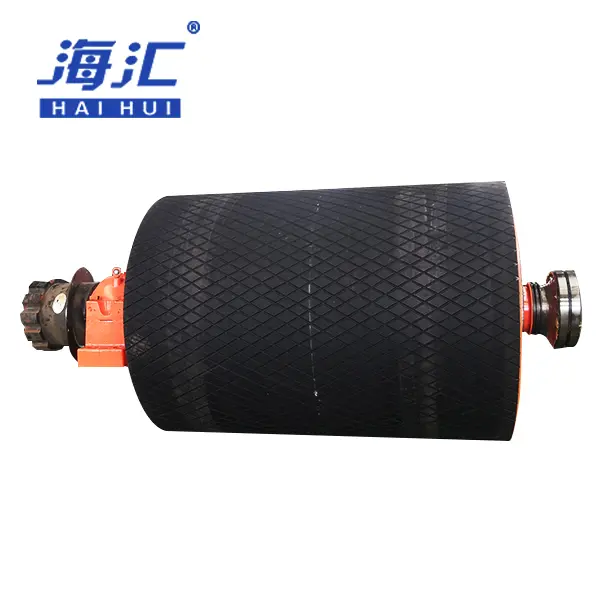
Escalating Costs? Bulk Buying Cuts Conveyor Component Expenses
Rising steel prices and tight capacity are squeezing margins in conveyor component manufacturing. Smart bulk strategies in pulley production help brands steady costs, protect timelines, and keep conveyors running without last-minute chaos.
Lead Time Management through Bulk Forged Shaft and Plate Steel
Bulk sourcing changes the rhythm of conveyor component manufacturing by tightening lead time control and calming the supply chain.
Procurement Planning
1.1 Lock in supplier agreements for raw materials
- Forged shaft bar stock in quarterly volumes
- Steel plate in semi-annual contracts
1.2 Align with production scheduling - Match fabrication capacity
- Buffer peaks in manufacturing cycles
Inventory Control
2.1 Structured inventory management
- Safety stock: 4-6 weeks
- Forecast review: every 30 days
2.2 Capacity Reservation - Reserved steel allocation
- Priority fabrication slots
Cost Stability Snapshot
| Material Type | Avg Bulk Volume (Units) | Lead Time (Weeks) | Unit Cost Reduction (%) |
|---|---|---|---|
| Forged 42CrMo4 Bar | 50 | 8 | 10 |
| Forged 42CrMo4 Bar | 100 | 6 | 15 |
| S355 Steel Plate | 50 | 6 | 8 |
| S355 Steel Plate | 100 | 5 | 12 |
Bulk planning like this keeps conveyor component manufacturing predictable. 海辉 supports clients by syncing material supply with fabrication cadence, so production doesn’t stall.
Cost Savings via OEM Manufacturing Contracts
OEM in conveyor component manufacturing isn’t just about making pulleys. It’s about tightening the fabrication process.
Contract Framework
1.1 Defined product specifications
1.2 Shared quality assurance metrics
1.3 Long-term supply agreements
Operational Impact
- Lower tooling duplication
- Streamlined audits
- Reduced outsourcing gaps
Financial Outcome
3.1 Higher cost efficiency
3.2 Smarter outsourcing strategy
3.3 Stable contract manufacturing rates
海辉 integrates OEM pulley manufacturing with strict QA checkpoints. In practical terms, fewer revisions mean smoother fabrication runs and tighter margins.
Streamlining Logistics Coordination for Steel Components and Lagging
In conveyor component manufacturing, logistics can quietly eat profit. Tight supply chain coordination fixes that.
Integrated Shipping
1.1 Combine steel components with accessories
- Shafts
- Lagging
- Bearings
1.2 Unified freight management
Warehouse Strategy
2.1 Regional warehousing solutions
2.2 Balanced transportation networks
Delivery Flow
3.1 Direct-to-OEM distribution channels
3.2 Reduced split shipments
When steel components move together, conveyor component manufacturing runs cleaner and faster. 海辉 aligns component supply with accessory logistics, helping operations keep fabrication steady without paying extra for rushed freight.
FAQs about Conveyor Head and Tail Pulley
How do standards shape conveyor pulley manufacturing for mining and aggregate?
Conveyor component manufacturing lives under constant regulatory pressure, especially for head pulleys, tail pulleys, and heavy-duty applications.
Industry control
- CEMA classifications enforce torque limits.
- MSHA requirements govern flame resistance for underground coal.
- DOT shipping regulations cover transport.
Safety & labeling
- ISO guidelines require hardness testing and accurate documentation.
- Safety rules demand clear usage warnings.
Transport & traceability
- DOT shipping regulations govern pulley transport.
- ISO certifications and CEMA standards formalize documentation requirements and quality control protocols.
Behind every compliant pulley sits hardness testing, NDT weld inspection, and disciplined fabrication—quiet safeguards that protect both operation and operator.
What should buyers evaluate when selecting conveyor pulley fabrication equipment?
Choosing equipment is less about speed alone and more about control across the full system.
| Stage | Key Focus | Risk if Ignored |
|---|---|---|
| Fabrication lines & Hardening | Accurate rolling, welding, and induction hardening | Inconsistent torque, premature failure |
| Machining & Bearing Fit | Secure shaft and bearing housing fit | Torque loss, vibration |
| NDT Inspection | Early fault capture | Shipping failures |
| Lagging Application | Proper bond and groove pattern | Belt slip, reduced traction |
Component compatibility matters just as much: Shafts, bearings, lagging, and seals must align with application requirements—forged shafts for high-tension, fabricated shells for quarry.
When production capacity and lead time management align with technical specifications, output stays steady and stress stays low.
How does OEM manufacturing benefit bulk conveyor pulley buyers?
OEM manufacturing creates breathing room for operations handling head pulleys, tail pulleys, and heavy-duty applications.
- Shared fabrication lines reduce capital burden.
- Custom designs adapt shaft diameter and hardness.
- Supply chain integration coordinates steel, machining, and logistics in one stream.
In practice, the partnership rests on three pillars:
- Clear technical specifications
- Strict quality control protocols—hardness testing, NDT weld inspection, dynamic balancing
- Tight logistics coordination to protect lead time management
The result is stable pricing, reliable production capacity, and components that arrive fabricated, tested, and ready for the conveyor line.
References
- Global Conveyor Component Market Insights – grandviewresearch.com
- CEMA Industry Standards – cemanet.org
- MSHA Mine Safety Standards – msha.gov
- ISO 9001 Quality Management Standard – iso.org
- ASTM E18 Hardness Testing – astm.org
- ASTM E709 Magnetic Particle Inspection – astm.org
- NDT Weld Inspection Standards – asnt.org
- Smithers Conveyor Components Outlook – smithers.com
- PHMSA Hazmat Registration and DOT Compliance – phmsa.dot.gov
- OSHA Safety Data Sheets – osha.gov
 English
 العربية
 简体中文
简体中文 Nederlands
 Français
 Deutsch
 Bahasa Indonesia
 Italiano
 日本語
日本語 한국어
한국어 Bahasa Melayu
 Polski
 Português do Brasil
 Русский
 Español
 Türkçe