
Magnetic Head Pulley:Extend Belt Life & Cut Maintenance Cost
If you’re sourcing magnetic head pulleys, here’s the straight shot: most suppliers talk tramp metal removal, few can prove it. One missed magnet strength test or sketchy belt design and your conveyor line pays the price. That risk is avoidable with diligence.
Sourcing magnetic separation equipment isn’t about slick brochures; it’s about verified magnet materials, traceable components, and specs that hold up under heat and impact. Get that right, and belt damage stops breathing down your neck.
68% Of Suppliers Lack Certified Magnetic Head Pulley Inventory
Sourcing magnetic head pulleys sounds simple, but the reality is messy. From mislabeled magnet grades to uncertified pulleys, gaps in paperwork and material checks keep popping up. If you are buying magnetic head pulleys for tramp metal protection, these compliance blind spots can quietly damage your belt and equipment.
Why magnet grades and shell materials often miss tramp metal removal standards
Not all magnetic head pulleys are built for effective tramp metal separation. Some suppliers focus on cost and skip strict magnetic field testing tied to regulatory standards and material safety.
Common weak points include:
- Unverified magnet material composition (ceramic vs. rare earth)
- Missing certification for magnetic field strength
- Shell materials not tested for magnetic flux leakage
When buyers order magnetic head pulleys in bulk, the issue often hides inside the magnet assembly, not the shell. A shiny exterior does not confirm proper magnetic field distribution.
Some manufacturers of magnetic head pulleys fail to document gauss field measurements. Others skip third-party validation entirely. That shortcut may lower price, but it risks tramp metal damage and equipment failure. Reliable brands like Haihui build compliance from magnet selection to final testing stage, not as an afterthought.
The role of material specification and testing protocol gaps
Breakdowns usually trace back to weak material specification control and inconsistent testing protocols.
Specification stage
- Define magnet grade (ceramic, neodymium, or samarium cobalt)
- Confirm shell material (S355 steel or stainless)
- Record gauss field measurements in documentation
Validation stage
- Laboratory analysis for magnetic field strength
- Tramp metal capture testing for magnetic head pulleys
- Corrosion simulation under humidity exposure
Certification stage
- Organized documentation review
- Third-party audit in the certification process
- Final compliance validation sign-off
Without tight quality control, even good raw materials can fail approval. Magnetic head pulleys then sit in warehouses, unsellable.
How regulatory non-compliance impacts dimensional tolerance standards
When regulatory non-compliance creeps in, dimensional tolerance slips too.
- Shell diameter drift affects belt tracking
- Face width variation disrupts tramp metal capture
- Wall thickness shifts weaken magnetic flux distribution
Under proper quality assurance, every magnetic head pulley follows strict product specifications:
Body forming
- Shell rolling
- Gauge measurement
- Seam alignment
Magnet installation
- Magnet array placement
- Field uniformity checking
- Gauss reading verification
Final inspection
- Tramp metal capture testing
- Belt tracking verification
If those checks fade, magnetic head pulleys may allow tramp metal through. Production damage accelerates fast.
Brands that control tolerance and certification together avoid that chaos. Haihui aligns compliance with fabrication precision, so magnetic head pulleys arrive ready for installation, not fixing.
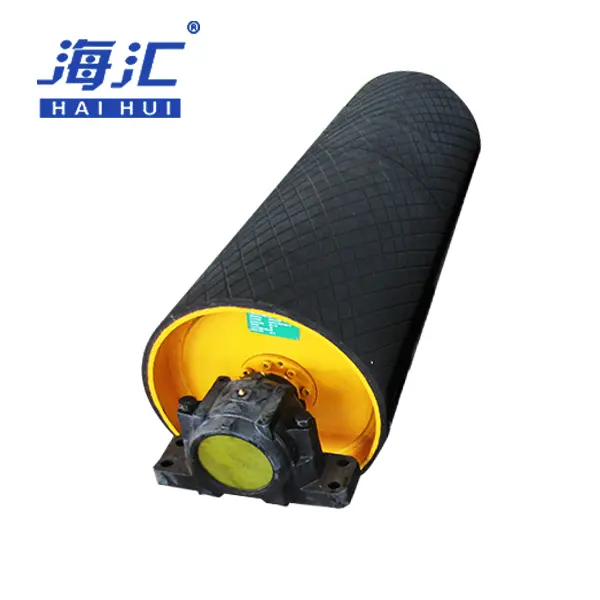
5 Steps To Vet Magnetic Head Pulley Manufacturers
Sourcing magnetic head pulleys sounds simple, but one weak batch can mess up belt protection, tramp metal capture, and equipment reliability fast. If you’re buying magnetic head pulleys in bulk, or comparing ceramic vs. rare earth designs, you need a clean vetting routine. Here’s how experienced buyers size up suppliers like Haihui without overthinking it.
Step 1: Verifying material specifications and magnetic field documentation
When reviewing material, don’t just skim the specifications sheet. Go deeper:
- Verification of magnet grade (ceramic, NdFeB, or SmCo)
- Matching gauss field strength with declared specifications
- Cross-checking compliance documentation
Under compliance, confirm:
- Magnetic field test reports
- Gauss field measurements
- Tramp metal capture efficiency certifications
| Material | Magnet Type | Field Strength (Gauss) | Tramp Metal Capture Efficiency |
|---|---|---|---|
| S355 Steel Shell | Ceramic | 2000-3000 | 80-85% |
| S355 Steel Shell | Neodymium (NdFeB) | 4000-6000 | 95-98% |
| Stainless Shell | Samarium Cobalt (SmCo) | 5000-7000 | 96-99% |
“Magnetic separation demand for bulk handling remains strong due to belt protection and equipment safety requirements,” noted Smithers in its 2025 conveyor components outlook.
Reliable makers of magnetic head pulleys will send these files quickly. No delays, no excuses.
Step 2: Evaluating shell construction via engineering drawings
Check shell construction through engineering drawings.
Under design review
- Shell wall thickness
- Face width
- Magnet array layout
Under manufacturing review
- Weld seam alignment
- Shell concentricity
- Magnetic field uniformity
Three-piece shells cost less. Seamless shells often improve magnetic flux distribution. For premium magnetic head pulleys, Haihui usually recommends optimized wall distribution to maximize tramp metal capture.
Step 3: Inspecting diameter, face width and gauge measurement tolerances
Your inspection checklist should cover:
- Diameter vs. belt width spec
- Face width for tramp metal capture zone
- Shell thickness consistency
Under measurement control:
- ±0.5mm body tolerance
- ±1.0mm face width control
- Verified shell concentricity (≤0.5mm TIR)
Tiny dimensions errors hurt belt tracking. Accuracy here keeps magnetic head pulleys from allowing tramp metal through.
Step 4: Confirming magnet array, field uniformity and surface finish
Focus on magnet array and field uniformity.
Magnet array
- Gauss field measurement
- Field uniformity test
- Magnet retention verification
Surface finish
- Wear resistance
- Corrosion protection
- Coating adhesion
A certified magnetic array ensures safety. The surface must resist abrasive bulk material. High-quality magnetic head pulleys maintain field strength for years.
Step 5: Assessing bulk packaging, pallet configuration and shipping unit
Good bulk packaging protects magnet array. Poor wrapping ruins magnetic field alignment.
Under pallet configuration:
- Layer count
- Shielding material placement
- Stretch film tension
Under shipping unit planning:
- Carton compression strength
- Container load ratio
- Moisture barrier lining
Strong assessment of logistics and transportation prevents magnet damage on arrival. Haihui typically optimizes pallet arrangement to increase container efficiency without crushing magnet arrays.
When buying magnetic head pulleys at scale, tight control from material to shipping is what separates a smooth installation from a costly headache.
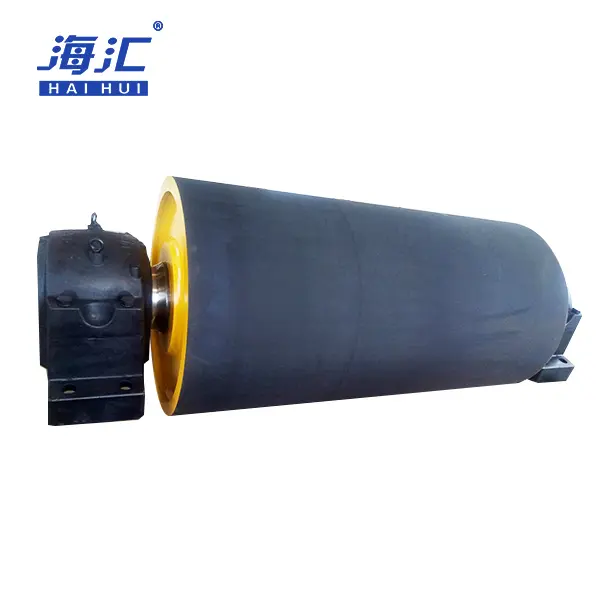
From Spec To Shipment: Sourcing Magnetic Head Pulleys Explained
Sourcing magnetic head pulleys sounds simple, but the real work hides in the details. From raw magnet material to pallet loading, every choice shapes how your magnetic head pulleys perform, protect, and finally land on your conveyor line without drama.
Magnet material selection – ceramic, neodymium, or samarium cobalt?
When choosing magnet material for magnetic head pulleys, decisions sit at three levels:
Core material composition
1.1 Ceramic (Ferrite)
- Good balance of cost and field strength
- Works well for moderate tramp metal protection
- Compatible with most dry bulk applications
1.2 Neodymium (NdFeB)
- High field strength
- Excellent tramp metal capture
- Higher scrap value for rare earth material
1.3 Samarium Cobalt (SmCo)
- Superior high-temperature resistance
- Excellent corrosion resistance
- Premium protection for demanding applications
Surface and coating quality
2.1 Shell smoothness
2.2 Magnet retention adhesion
2.3 Resistance to abrasive bulk material
Sustainability goals
- Rare earth content in magnet material
- Compliance with global sustainability benchmarks
| Material Type | Field Strength (Gauss) | Temp Rating (°C) | Typical Use in Conveyors |
|---|---|---|---|
| Ceramic | 2000-3000 | 80-100 | Moderate tramp metal protection |
| Neodymium (NdFeB) | 4000-6000 | 80-120 | High capture efficiency |
| Samarium Cobalt (SmCo) | 5000-7000 | 250-350 | High-temp or corrosive applications |
Major buyers of magnetic head pulleys often balance cost with performance. That’s where Haihui steps in—offering stable magnet material sourcing and consistent field control for magnetic head pulley projects of all sizes.
Defining face width, diameter and shell thickness
Sizing magnetic head pulleys goes beyond “standard diameters.” It’s structured thinking around:
Capture zone design
1.1 Belt width vs. face width
1.2 Tramp metal trajectory
1.3 Magnetic field penetration depth
Pulley dimensions
- Diameter
- Face width
- Shell wall thickness
Magnet array design
3.1 Standardized layout
- Faster manufacturing process
- Lower tooling cost
3.2 Custom magnet array - Unique capture zone
- Adjusted design parameters for specific tramp metal types
According to Smithers’ 2025 bulk handling outlook, tramp metal protection demand continues steady growth, driving demand for reliable magnetic separation equipment.
“Global demand for tramp metal protection is projected to grow steadily through 2026, supported by mining and aggregate industry requirements.” — Smithers, 2025 Outlook
That steady demand means magnetic head pulleys must align tightly with conveyor specs and tramp metal capture requirements. Smart specifications save money long term.
Ensuring field uniformity, capture efficiency and equipment protection
Performance testing for magnetic head pulleys usually follows a layered path:
- Field uniformity – Gauss measurement across face width
- Capture efficiency – Tramp metal capture testing
- Equipment protection – Conveyor belt damage prevention
Strong quality control keeps the magnetic field tight and supports equipment durability. For mines shipping bulk material globally, dependable magnetic head pulleys prevent tramp metal damage and costly conveyor repairs. Haihui integrates routine performance testing into every production batch, keeping tramp metal protection stable from installation to final operation.
Optimizing container loading, protective shielding and storage conditions
Shipping magnetic head pulleys is logistics math mixed with common sense.
Container loading layout
1.1 Pallet pattern design
1.2 Stack height calculation
1.3 Load stability check
Protective shielding
- Magnetic shielding between units
- Slip sheets for moisture barrier
- Corner boards to protect shell finish
Storage conditions
3.1 Humidity control in warehousing
3.2 Temperature monitoring
3.3 FIFO management during transportation
Done right, magnet damage drops close to zero. Smart logistics optimization keeps magnetic head pulleys aligned, strong, and ready for installation. That’s how magnetic head pulleys move from factory floor to conveyor without losing field strength—or your sanity.
FAQs
Why do magnetic head pulleys fail tramp metal capture compliance checks?
Magnetic head pulleys often fail audits due to gaps in magnet traceability and field testing. The main risk points include:
Magnet source
- Ceramic, neodymium, or samarium cobalt without clear material specification
- Unverified magnetic field strength or flux distribution
Internal protection system
- Missing magnet retention system or weak field uniformity
- No documented gauss field measurements or temperature testing
Documentation control
- Incomplete testing protocol records
- Regulatory compliance files not aligned with quality standard requirements
When compliance is weak, tramp metal capture efficiency, belt protection, and long-term equipment reliability are placed at risk during operation.
What should buyers confirm before ordering bulk magnetic head pulleys?
Large-volume sourcing demands precision, not guesswork.
Buyers typically review:
- Dimensions – diameter, face width, and shell wall thickness matched to technical drawing
- Gauss measurement – consistency within field strength tolerance for effective tramp metal capture
- Magnet type
- Ceramic (Ferrite) – moderate protection
- Neodymium (NdFeB) – high capture efficiency
- Samarium Cobalt (SmCo) – high-temperature or corrosive applications
- Coating system – shell protection, corrosion resistance, and wear surface quality
If standard magnet type is not suitable, custom magnet arrays must still maintain capture efficiency and stable performance under automated handling and container loading.
How do magnet types affect the tramp metal capture efficiency of magnetic head pulleys?
The magnet type quietly decides the fate of every tramp metal piece.
| Construction Type | Key Strength Focus | Risk if Poorly Controlled |
|---|---|---|
| Ceramic (Ferrite) | Good capture, cost-effective | Lower field strength |
| Neodymium (NdFeB) | High capture efficiency, strong field | Temperature sensitivity |
| Samarium Cobalt (SmCo) | Superior temperature resistance | Higher cost |
Beyond magnet type, stability depends on:
- Accurate shell thickness
- Proper face width and diameter
- Stable external finish under bulk packaging and pallet configuration
A well-built magnetic head pulley, protected by proper magnetic shielding and handled with protective interleaving during shipping, keeps tramp metal protection reliable long before material ever touches the belt.
References
- FDA Food Contact Substances – www.fda.gov
- ISO 22000 Food Safety Management – www.iso.org
- Smithers Conveyor Components Outlook 2025 – smithers.com
- ASTM E18 Hardness Testing – astm.org
- Rare Earth Magnet Standards – rareearth.org
- Industrial Magnetics Standards – industrialmagnetics.com
- Supply Chain Management Review – scmr.com
 English
 العربية
 简体中文
简体中文 Nederlands
 Français
 Deutsch
 Bahasa Indonesia
 Italiano
 日本語
日本語 한국어
한국어 Bahasa Melayu
 Polski
 Português do Brasil
 Русский
 Español
 Türkçe