Руководство по выбору опорных роликов для промышленных конвейерных лент
- Основные факторы, влияющие на надежность опорных роликов конвейерной ленты
- Введение с руководством
- Вау! Натяжные ролики конвейерной ленты повышают рентабельность инвестиций в производственную деятельность
- 5 шагов по установке и техническому обслуживанию опорных роликов конвейерной ленты
- Этап 1: Проверка размеров и внешнего вида перед монтажом
- Шаг 2: Унификация расстояний между установками и горизонтальная калибровка
- Шаг 3: Проведение оперативной отладки и устранение отклонений
- Шаг 4: Регулярная очистка от пыли и проверка герметичности
- Шаг 5: Своевременная замена изношенных и поврежденных роликов
- Советы по размещению оптовых заказов для специалистов по промышленным закупкам
- Сотрудничайте с компанией «Хайхуэй» для удовлетворения ваших потребностей в конвейерных роликах
- Ссылки
Опорные ролики конвейерной ленты могут казаться простыми пассивными компонентами, однако незначительные погрешности в размерах, низкая герметичность или некалиброванное сопротивление вращению могут привести к постоянному отклонению ленты, аномальной вибрации и ускоренному износу ленты на всех производственных линиях. В условиях тяжелых промышленных условий эксплуатации, таких как горнодобывающая промышленность, порты и переработка сыпучих материалов, эти незначительные, но накапливающиеся недостатки постепенно приводят к внеплановым остановкам и росту затрат на техническое обслуживание.
В данном практическом отраслевом руководстве систематически изложены основные производственные технические условия, стандарты подбора материалов, методы контроля пределов допуска и профессиональные протоколы испытаний опорных роликов конвейерных лент. Оно помогает инженерным и закупочным подразделениям выбирать соответствующие требованиям и отличающиеся высокой стабильностью опорные ролики, что позволяет продлить срок службы конвейера и сократить долгосрочные эксплуатационные потери.
Основные факторы, влияющие на надежность опорных роликов конвейерной ленты
➔ Характеристики материала: Корпуса из высокоточной углеродистой стали, оцинкованной стали или с резиновым покрытием, имеющие стандартизированную толщину стенок, приспособлены для работы в условиях запыленности, влажности и сильных ударов.
➔ Точность вращения: строго контролируйте радиальное биение и концентричность вала, чтобы свести к минимуму сопротивление вращению и исключить колебания или отклонения ремня.
➔ Характеристики уплотнений и подшипников: Использование многослойных лабиринтных уплотнений и систем подшипников с низким коэффициентом трения для предотвращения попадания пыли, шлама и влаги в суровых условиях эксплуатации.
➔ Протоколы испытаний: Проводить калибровку динамического баланса, испытания на герметичность и проверку на усталостную прочность с длительным циклом для обеспечения стабильности партии.
➔ Подбор на месте: Выберите диаметр роликов, расстояние между ними и тип конструкции с учетом скорости конвейера, ширины ленты и веса груза.
Введение с руководством
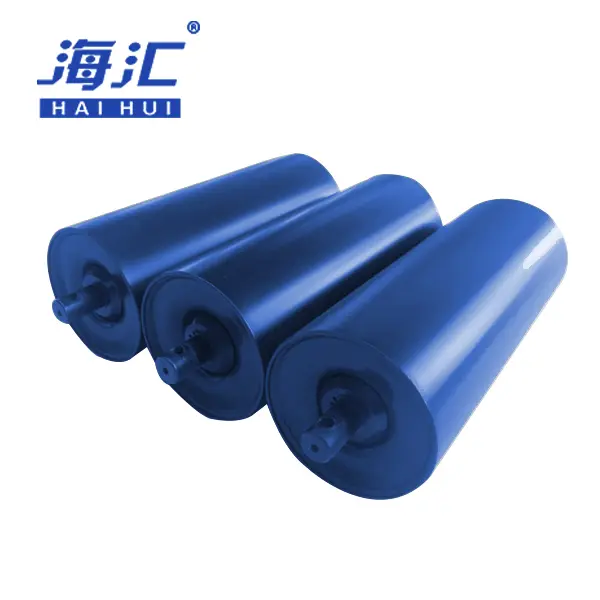
Опорные ролики конвейерной ленты являются наиболее важными и часто используемыми компонентами ленточных конвейерных систем. Несмотря на то что их легко упустить из виду, точность их конструкции и стабильность работы напрямую определяют общую эффективность эксплуатации, частоту отказов и затраты на техническое обслуживание всего конвейерного оборудования. В данном руководстве разъясняются основные принципы конструкции, ключевые свойства материалов и нагрузочные характеристики качественных опорных роликов.
Опорный ролик конвейерной ленты
Понимание структурного состава и принципа работы
Стандартный опорный ролик конвейерной ленты состоит из трёх основных частей: корпуса ролика, узла прецизионного подшипника и многослойной уплотнительной конструкции. Взаимосогласованность всей конструкции напрямую влияет на стабильность работы.
В корпусах роликов высокого качества применяется технология изготовления из бесшовных стальных труб, что обеспечивает равномерную толщину стенок и гладкую поверхность, а также позволяет избежать локальной концентрации напряжений во время эксплуатации.
Встроенные высокоточные подшипники, смазанные низкотемпературной и износостойкой смазкой, обеспечивают плавное вращение при длительной непрерывной работе, что позволяет эффективно снизить рабочую нагрузку на конвейер.
Многоступенчатая композитная уплотнительная конструкция полностью заполняет внутренний зазор, предотвращая попадание внешней пыли и влажного воздуха, что позволяет избежать ржавчины подшипников, их заклинивания и преждевременного выхода из строя.
При производстве многих недорогих универсальных опорных роликов не уделяется должного внимания контролю микродопусков. Незначительные отклонения в округлости и соосности приводят к периодической вибрации при работе на высоких скоростях, что постепенно изнашивает ремень и приводит к выходу системы из строя из-за смещения.
Основные эксплуатационные характеристики: стабильность, износостойкость и низкое сопротивление
Срок службы и эксплуатационная ценность опорных роликов конвейерной ленты зависят от сбалансированного сочетания трёх основных показателей эффективности.
Эксплуатационная стабильность
Строгий контроль радиального биения (≤0,5 мм) обеспечивает плавное вращение без колебаний, что позволяет избежать периодических царапин на ремне и шума, вызванного вибрацией. Стабильные конструктивные допуски являются основным условием длительной безотказной работы.
Приспособляемость к условиям окружающей среды и износостойкость
Различные виды обработки поверхности определяют приспособленность к условиям эксплуатации. Обычная углеродистая сталь подходит для сухих условий эксплуатации в помещениях; оцинкованная поверхность обеспечивает защиту от ржавчины и коррозии в условиях повышенной влажности и в прибрежных районах; резиновое покрытие амортизирует сильные удары и предотвращает повреждение ремня.
Низкое сопротивление вращению
Благодаря точному подбору подшипников и гладкой обработке внутренних стенок сопротивление вращению эффективно удерживается в низком диапазоне, что позволяет снизить энергопотребление двигателя конвейера и обеспечить долгосрочную энергосберегающую работу.
Основные конструктивные элементы и характеристики напряжений
Каждый элемент опорного ролика конвейерной ленты подвергается различным механическим нагрузкам, и любое несоответствие в конструкции приведет к снижению общей производительности.
Корпус ролика: Подшипники принимают на себя непосредственное механическое воздействие и нагрузку от трения ремня. Равномерность толщины стенок и гладкость поверхности определяют износостойкость и устойчивость к деформации.
Центральный вал: Обеспечивает общую нагрузку и поддерживает соосность вращения. Деформация вала в результате изгиба напрямую приводит к смещению ремня и одностороннему износу.
Подшипниковый узел: Определяет гибкость вращения и срок службы. Ненадежное уплотнение приводит к загрязнению подшипника и его заклиниванию, что является основной причиной выбытия из строя опорных роликов.
Система уплотнения: Основной фактор, препятствующий долгосрочной стабильной работе. Превосходные герметизирующие свойства предотвращают старение внутренних компонентов, вызванное воздействием внешней среды.
💡 Готовы оптимизировать конфигурацию вашей конвейерной системы? Благодаря многолетнему опыту в сфере промышленного производства и производственным системам, сертифицированным по стандарту ISO 9001, компания Haihui предлагает индивидуальные решения в течение 1 дня для всех стандартных и нестандартных опорных роликов конвейерных лент. Ознакомьтесь с нашими услугами по индивидуализации или просмотрите наши серии конвейерных роликов.
Вау! Натяжные ролики конвейерной ленты повышают рентабельность инвестиций в производственную деятельность
Грамотный подбор высокоточных опорных роликов для конвейерных лент, изготовленных с использованием стандартизированных технологий герметизации и строгого контроля допусков, позволяет эффективно снизить износ ленты, частоту отказов оборудования и затраты на ручное техническое обслуживание. Компания «Хайхуэй» опирается на усовершенствованные стандарты производства, помогая предприятиям добиться ощутимого снижения эксплуатационных затрат и повышения эффективности.
Точный контроль допусков снижает износ ремня и частоту отказов
Износ ленты является самым затратным скрытым убытком при эксплуатации конвейера. Большинство нестандартных повреждений ленты вызвано несоответствующим отклонением вращения опорных роликов и неровностями их поверхности.
Высококачественные опорные ролики для конвейерных лент, производимые компанией «Хайхуэй», изготавливаются с точностью до микрометра:
Тщательная калибровка округлости и концентричности устраняет эксплуатационные колебания, обеспечивая равномерный контакт между роликом и ремнем.
Гладкая полированная поверхность предотвращает появление царапин на внутреннем слое ремня, что продлевает срок его службы более чем на 20%.
Стабильная работа с низким сопротивлением снижает долгосрочную нагрузку на двигатель и сокращает ежедневное потребление энергии.
| Метрическая система | Типичная цель | Почему это важно |
|---|---|---|
| Радиальное биение | ≤0,5 мм | Не допускайте вибрации и смещения ремня |
| Сопротивление вращению | ≤1,5 Н | Снижение энергопотребления конвейера |
| Отклонение динамической балансировки | ≤2,0 г·см | Обеспечить стабильность работы на высоких скоростях |
| Срок действия пылезащитного уплотнения | ≥2000 ч стабильной работы | Продлить срок службы роликов |
Превосходные герметизирующие характеристики позволяют избежать потерь, связанных с частыми остановками оборудования
Более 80% случаев выхода из строя опорных роликов конвейерной ленты связаны с неисправностью уплотнений. Попадание пыли, шлама и влаги приводит к ржавлению подшипников, заклиниванию и деформации конструкции, что вынуждает часто останавливать оборудование и проводить его техническое обслуживание.
В Haihui используется оптимизированная многослойная лабиринтно-резиновая композитная уплотнительная конструкция:
Двойная защита за счет физической изоляции и гибкого уплотнения, эффективно предотвращающая проникновение мелкой пыли и влажных газов в суровых условиях эксплуатации.
Внутренняя термостойкая смазка обеспечивает стабильную смазку без испарения или потери свойств.
Всепогодная конструкция, устойчивая к старению, приспособлена к промышленным условиям с высокими и низкими температурами, а также с повышенной запыленностью.
Надежность уплотнений позволяет значительно сократить частоту внеплановых остановок, обеспечивая непрерывную и стабильную работу производственной линии.
Настройка материалов повышает адаптивность сценариев
Стандартные опорные ролики универсального типа не способны удовлетворить разнообразные требования различных условий эксплуатации. Целенаправленный подбор материалов и методов обработки поверхности является залогом повышения эффективности работы.
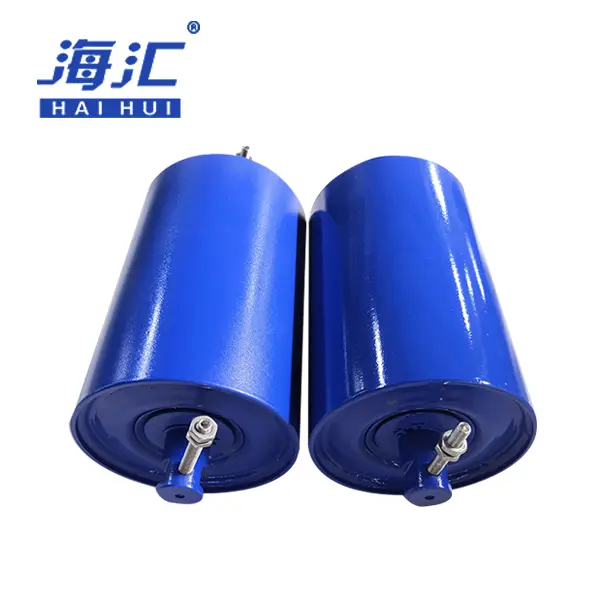
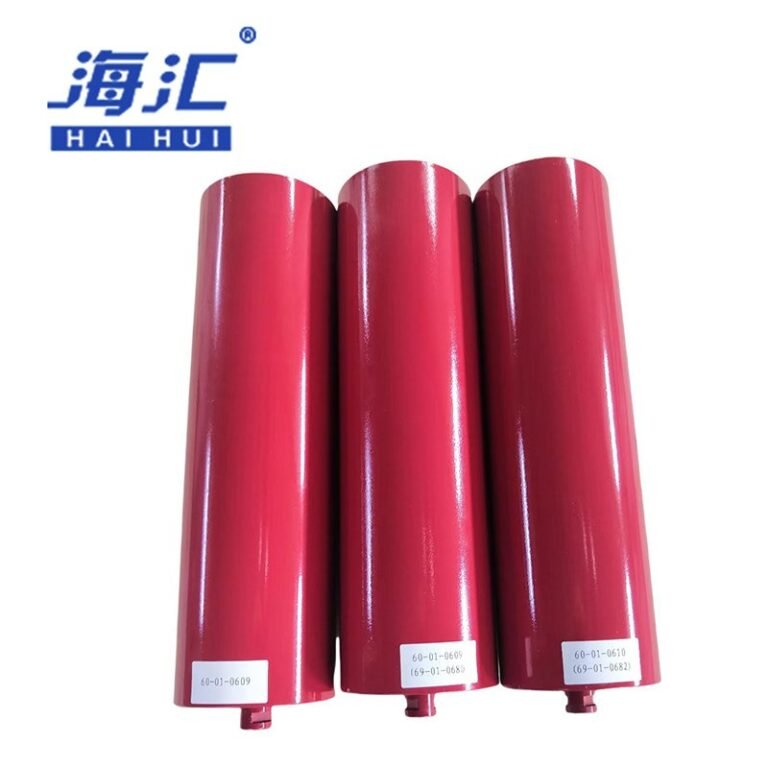
Направляющий ролик из углеродистой стали: Высокая конструктивная жесткость и ударопрочность, подходит для линий транспортировки сыпучих материалов в условиях горнодобывающей промышленности и карьеров с высокими нагрузками.
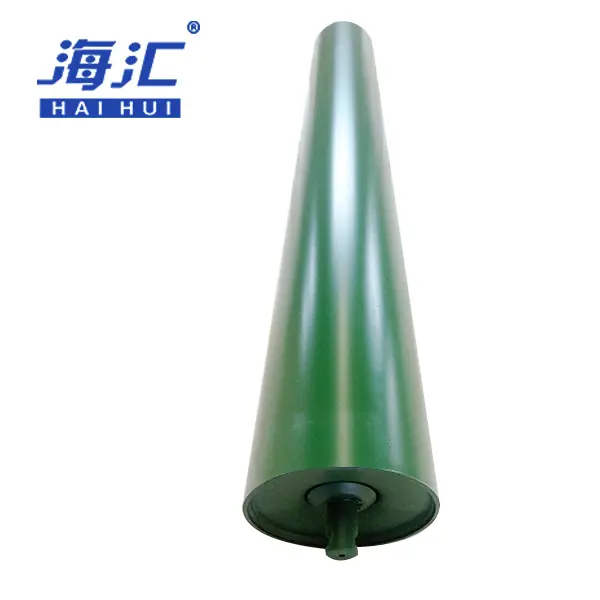
Оцинкованный натяжной ролик: Превосходные антикоррозионные и антиржавные свойства, идеально подходит для использования на открытых портовых объектах, химических заводах и во влажных прибрежных условиях.
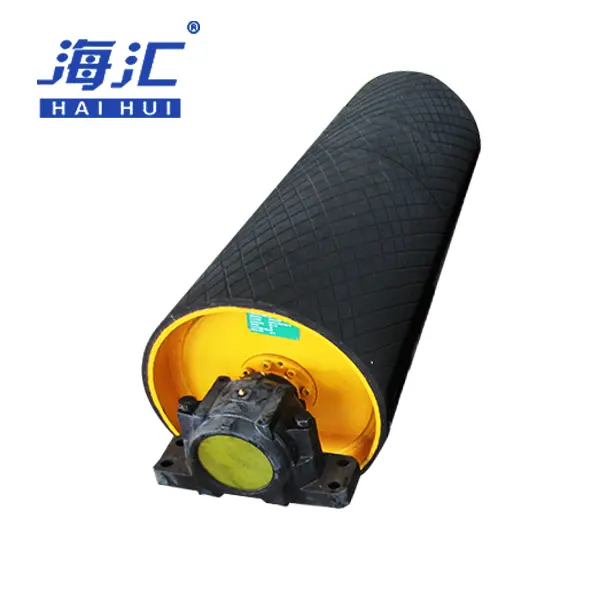
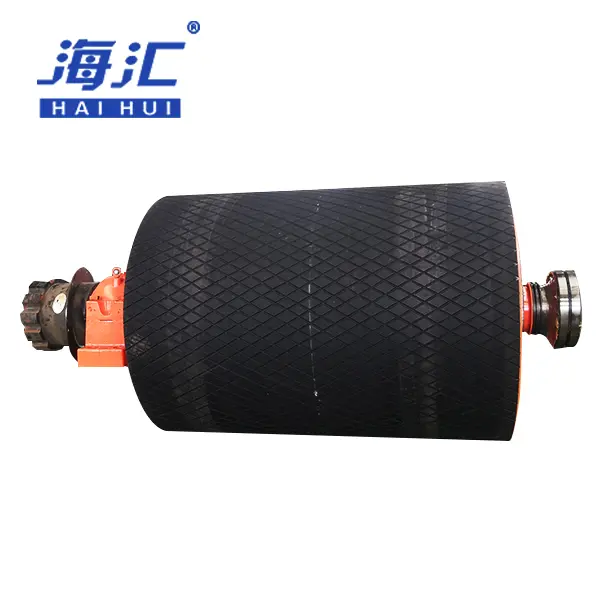
Натяжной ролик с резиновым покрытием: Эффективное амортизирующее действие, противоскользящие и противоизносные свойства, защита лент при высокоскоростной транспортировке и перевозке хрупких материалов.
Компания «Хайхуэй» подбирает эксклюзивные материалы с учетом условий эксплуатации на объекте заказчика, что позволяет избежать снижения эффективности или недостаточной адаптации, возникающих в результате непродуманного выбора.
🎨 Закажите эксклюзивные опорные ролики для конвейерных лент, адаптированные к вашим условиям эксплуатации! Компания Haihui предлагает полную индивидуальную настройку, быструю доставку образцов и бесплатные услуги по техническому подбору. Обращайтесь к нам за профессиональными решениями в области промышленных конвейеров.
5 шагов по установке и техническому обслуживанию опорных роликов конвейерной ленты
Неправильный монтаж и ненадлежащее ежедневное техническое обслуживание значительно сокращают срок службы опорных роликов конвейерной ленты и могут даже привести к смещению ленты, разбрасыванию материала и выходу оборудования из строя. Соблюдение стандартизированных эксплуатационных инструкций обеспечивает длительную и стабильную работу опорных роликов.
Этап 1: Проверка размеров и внешнего вида перед монтажом
Перед монтажом тщательно проверьте все поступающие опорные ролики конвейерной ленты, чтобы исключить наличие бракованных изделий.
Проверьте поверхность корпуса на наличие царапин, деформаций, ржавчины и дефектов сварки.
Проверьте концентричность вала, округлость роликов и допуски на размеры, чтобы убедиться в соответствии с проектными нормами.
Вручную проверните валик, чтобы убедиться в плавной работе без заклиниваний, необычных шумов и задержек.
Отбраковывайте все изделия с микроотклонениями, чтобы избежать эксплуатационных рисков, связанных с партией продукции, после установки.
Шаг 2: Унификация расстояний между установками и горизонтальная калибровка
Междуосевое расстояние и горизонтальная выравниваемость напрямую влияют на стабильность работы ленты.
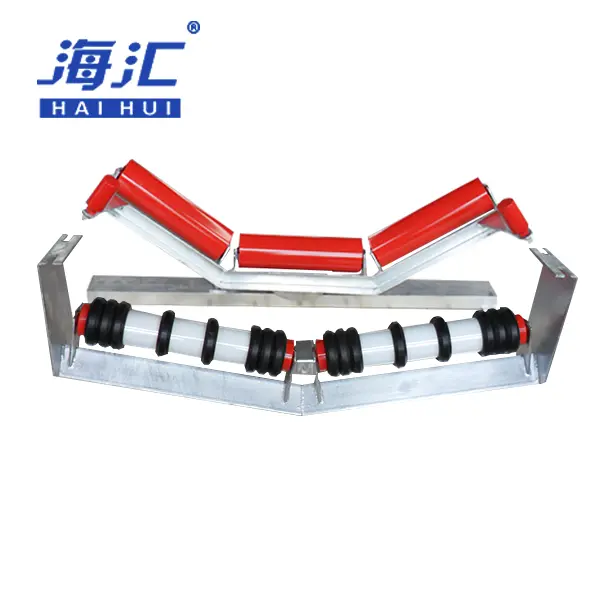
Расстояние между опорами следует подбирать с учетом ширины ленты и нагрузки: на участках с высокой нагрузкой следует использовать плотное расположение опор, а на участках с низкой нагрузкой — стандартное, чтобы обеспечить баланс между устойчивостью и затратами.
Отрегулируйте горизонтальное положение каждого натяжного ролика так, чтобы все ролики находились в одной горизонтальной плоскости, что позволит предотвратить одностороннюю нагрузку на ремень и его смещение.
Надежно закрепите кронштейн, чтобы предотвратить его смещение в результате длительной вибрации.
Шаг 3: Проведение оперативной отладки и устранение отклонений
После монтажа проведите пробный запуск в холостом режиме и под нагрузкой для проверки общей работоспособности.
Осмотрите рабочую дорожку ленты, чтобы проверить наличие отклонения влево-вправо и колебаний.
Отрегулируйте углы наклона и положение отдельных натяжных роликов, стремясь к минимальному отклонению, чтобы обеспечить стабильную работу ленты.
Записывайте данные отладки, чтобы они могли служить справочным материалом для последующего ежедневного технического обслуживания.
Шаг 4: Регулярная очистка от пыли и проверка герметичности
Накопление пыли и остатков материала является основной причиной выхода из строя опорных роликов в промышленных условиях.
Регулярно удаляйте с поверхности пыль и остатки материалов, чтобы избежать локальной перегрузки и коррозии.
Проверьте уплотнительную торцевую крышку на наличие следов старения и повреждений, своевременно заменяйте вышедшие из строя уплотнительные детали, чтобы предотвратить внутреннее загрязнение.
Регулярно проверяйте звук работы подшипников, чтобы заранее исключить скрытые риски заклинивания.
Шаг 5: Своевременная замена изношенных и поврежденных роликов
Ввести механизмы регулярного осмотра и замены оборудования, чтобы избежать эксплуатации изношенных роликов с превышением срока службы.
Своевременно заменяйте ролики, имеющие сильную ржавчину, деформацию, заклинивание и ненормальный шум.
Регистрируйте время замены и рабочее состояние оборудования для формирования полных досье по техническому обслуживанию оборудования.
Советы по размещению оптовых заказов для специалистов по промышленным закупкам
Закупка опорных роликов для конвейерных лент «вслепую» оптом часто приводит к нестабильному качеству партий, несоответствию технических характеристик и высоким совокупным потерям. Научно обоснованные технические требования к закупкам позволяют эффективно зафиксировать затраты и стабилизировать качество.
Стандарты на материалы и допуски фиксаторов для предотвращения ухудшения качества
Разработать единые спецификации материалов для закупок оптом с целью устранения различий в качестве партий продукции.
Уточните основные показатели, такие как материал корпуса, толщина стенок, процесс обработки поверхности и конструкция уплотнения.
Строго соблюдайте нормы допуска на радиальное биение, сопротивление вращению и динамическую балансировку для обеспечения стабильности качества партии.
Отказывайтесь от использования дешевых материалов низкого качества, которые приводят к уменьшению толщины стенок и упрощению конструкции уплотнений, чтобы избежать скрытых опасностей при эксплуатации.
Стандартизация технических характеристик SKU для снижения затрат на закупки
Чрезмерное разнообразие типов SKU приведет к увеличению затрат на производственное оборудование и усилению давления со стороны запасов.
Стандартизировать традиционные технические характеристики и выделить 3–5 типовых артикулов (SKU) для повседневной замены и подбора компонентов для проектов.
Применяйте индивидуальные решения только в случае особых условий эксплуатации, чтобы избежать чрезмерных затрат на их разработку.
Использовать пакетные стандартизированные закупки для получения стабильных скидок за объем и сокращения совокупных затрат на закупки.
Оптимизация логистики и управления партиями поставок
Неправильная организация логистики и хранения приведет к вторичной деформации и ржавчине опорных роликов.
Используйте стандартизированную картонную упаковку и угловые защитные элементы для предотвращения деформации от сдавливания при транспортировке.
Используйте влаго- и пыленепроницаемую упаковку для транспортировки в условиях высокой влажности и при перевозках на большие расстояния.
Организуйте доставку материалов в соответствии с ходом реализации проекта, чтобы избежать длительного хранения запасов и накопления пыли.
Строгий заводской контроль качества и выборочная проверка партий продукции
Не допускать поступления бракованной продукции на объект благодаря отлаженным механизмам контроля качества.
Обязать производителей предоставлять протоколы проверки партий продукции, включая данные о допусках на размеры, характеристиках вращения и испытаниях герметичности.
Проводить выборочную проверку поступающих товаров, уделяя особое внимание гибкости ротации и внешнему виду.
Создать эффективную систему послепродажного обслуживания для своевременного устранения проблем с качеством партий продукции.
Сотрудничайте с компанией «Хайхуэй» для удовлетворения ваших потребностей в конвейерных роликах
Покончите с частыми поломками опорных роликов, смещением ленты и высокими затратами на техническое обслуживание. Являясь профессиональным производителем опорных роликов для конвейерных лент, компания «Хайхуэй» располагает полностью автоматизированными производственными линиями и системами контроля качества, сертифицированными по стандарту ISO 9001. Мы строго контролируем каждое звено производственного процесса — от выбора сырья до испытаний готовой продукции — и поставляем высокостабильные промышленные опорные ролики с длительным сроком службы для горнодобывающей, портовой, химической и логистической отраслей по всему миру.
Мы предлагаем изготовление продукции по индивидуальным техническим требованиям, быструю доставку образцов и комплексные услуги по разработке технических решений. Наши профессиональные инженеры бесплатно предоставляют рекомендации по подбору условий эксплуатации и оптимизации параметров.
Сделайте следующий шаг к оптимизации вашей конвейерной системы:
⏱️ Профессиональный технический ответ в течение 12 часов
📦 Возможность бесплатного тестирования образцов
📞 Свяжитесь с нами сегодня, чтобы получить эксклюзивное предложение по решению вашей задачи за 1 день
Ссылки
GB/T 10595-2017 Стандарт «Технические требования к опорным роликам конвейеров»
Руководство по эксплуатации и техническому обслуживанию промышленных конвейерных систем
Технические условия калибровки динамического баланса опорных роликов конвейера
Руководство по контролю качества промышленных механических деталей в соответствии со стандартом ISO 9001
Отчет о технологиях защиты компонентов конвейеров от коррозии в суровых условиях эксплуатации
Стандарт проектирования ленточных конвейеров, направленный на энергосбережение и сокращение энергопотребления
Промышленный стандарт по испытанию герметичности опорных роликов конвейера

 English
 العربية
 Português do Brasil
 Русский
 Español