Стальные опорные ролики конвейера: как сократить время простоя и затраты
Стальные опорные ролики конвейера — это уже не просто трубы с подшипниками: это высокоточные несущие элементы, которые бесшумно поддерживают ленты, поглощают удары и транспортируют тонны материала по всему вашему предприятию, смена за сменой.
Инженеры компании «Хайхуэй» в 2025 году подчеркивают, что прямолинейность труб, целостность уплотнений и отслеживаемость партий являются обязательными требованиями, отмечая, что сбои в процессе закупок зачастую начинаются с недооценки допусков на концентричность.
Выберите неверные технические характеристики — и вас ждут сбивание ремня, заклинивание подшипников и внеплановые простои; выберите правильные — и натяжные ремни будут плавно проходить по шкале. В этом руководстве рассказывается, как покупатели обеспечивают стабильность и точность поставок.
Ключевые моменты вкратце: Стальные опорные ролики конвейера
➔ Материал и дизайн: Трубы из толстостенной стали (S235 или S355) с валами, прошедшими прецизионную шлифовку, и лабиринтными или контактными уплотнениями обеспечивают долговечность, коррозионную стойкость и способность выдерживать полную нагрузку.
➔ Точность подшипников и уплотнений: Высококачественные радиальные подшипники (с зазором C3 или C4) и многокамерные лабиринтные уплотнения обеспечивают стабильное сопротивление качению и контролируемое следование ремня по дорожке.
➔ Выбор смазки: Литиево-комплексное масло для стандартных условий эксплуатации, высокотемпературное синтетическое масло для работы в условиях экстремальной жары; правильный объем заправки предотвращает перемешивание масла или его высыхание.
➔ Качество и соответствие требованиям: Проверить сертификаты по стандарту ISO 9001, протоколы испытаний по стандарту DIN 22107 и прослеживаемость материалов, чтобы гарантировать исправную работу роликов, соответствующих нормативным требованиям.
➔ Использование и заказ: Подбирайте скорость холостого хода привода в соответствии со скоростью ленты и уровнем нагрузки; оптимизируйте складирование навалом, укладку на поддоны и поставки по системе «точно в срок» для обеспечения стабильного качества при минимальных затратах.
Чем отличаются стальные опорные ролики конвейера?
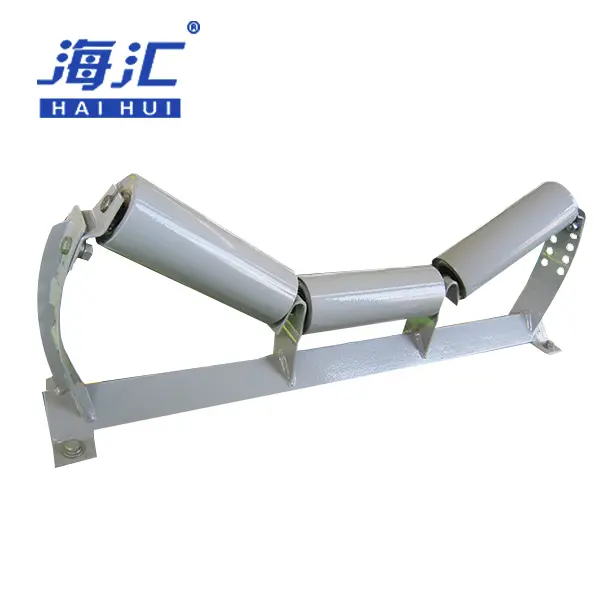
Стальные опорные ролики конвейера — это “лошадка” любой системы транспортировки сыпучих материалов, и слово «стальные» здесь означает не только прочность. Благодаря повышенной прямолинейности труб, усовершенствованной конструкции уплотнений и более строгому контролю за состоянием подшипников стальные опорные ролики работают тише и служат дольше. Компания Haihui руководствуется этим подходом, ориентированным на высокую нагрузку, в повседневной эксплуатации завода и обеспечении длительных интервалов между техническим обслуживанием.
Инновационные решения из толстостенных стальных труб
Когда опорные ролики поступают в эксплуатацию на производстве, выбор трубы имеет огромное значение, поскольку ударные нагрузки могут быть чрезвычайно сильными, а перекос — это не шутка. Компания Haihui принимает продуманные решения по техническим характеристикам, благодаря чему опорный ролик сохраняет прямолинейность на конвейере и остается ровным под нагрузкой.
Выбор материалов с учетом реальных условий эксплуатации
- Сталь S235: Подходит для легких и средних нагрузок при эксплуатации в помещениях. Надежное и экономичное решение.
- Сталь S355: Обеспечивает более высокий предел текучести для работы в условиях сильных ударов и абразивных сред. Выдерживает самые тяжелые нагрузки.
Инновации в области высокоточного производства
- Более жесткие допуски на концентричность способствуют поддержанию стабильной центровки подшипников.
- Более тщательная проверка целостности сварных швов позволяет уменьшить деформацию корпуса, которая может привести к снижению работоспособности натяжного ролика.
Почему это отображается в ваших результатах
- Более длительное среднее время между отказами (MTBF).
- Меньше “паники в середине смены”, когда заклинивший натяжной ролик прожигает кожух ремня.
Высокоточные уплотнения и подшипники для надежного слежения
Секрет эффективности стальных натяжных роликов зачастую заключается в хорошо спроектированном лабиринтном уплотнении в сочетании с правильным зазором в подшипнике. На практике это означает, что вы можете эксплуатировать оборудование в запыленных или влажных условиях, не рискуя поломкой.
Основные факторы, влияющие на рабочие характеристики натяжного ролика:
- Геометрия лабиринта предотвращает попадание пыли и удерживает смазку.
- Зазор в подшипнике (C3 / C4) влияет на то, насколько легко вращается ролик под нагрузкой и при нагревании.
- Прямолинейность вала помогает предотвратить внезапное смещение ремня.
Для длительной и бесперебойной работы решающую роль играет стабильное качество. Обеспечьте непрерывное вращение натяжных роликов, следите за температурой корпуса и дайте подшипникам стабилизироваться — стальные натяжные ролики созданы именно для такой терпеливой и надежной работы. Если вам нужен высокопрочный натяжной ролик, который работает стабильно, компания Haihui стремится обеспечить предсказуемый рабочий крутящий момент вместо случайных перегревов.
Компактная конструкция со стандартизированными валами и корпусами
Стандартизация — это не просто идея, а набор технических решений, благодаря которым стальные ролики остаются взаимозаменяемыми, всегда готовыми к использованию и не создают лишних хлопот на складе. Компания Haihui подходит к разработке размеров компонентов с учетом того, что они должны выдерживать реальные условия эксплуатации, а не просто соответствовать чертежам.
Дизайн, который хорошо переносит транспортировку
- Концы вала: Стандартные размеры (20, 25, 30, 35 мм) подходят для типовых рамочных кронштейнов.
- Корпуса: Корпуса подшипников, изготовленные с высокой точностью, с равномерным расстоянием между болтами.
Удобство, которое сразу бросается в глаза
- Можно использовать на всех участках конвейера; специальные детали не требуются.
- Более удобное обслуживание одним человеком для быстрой замены.
Где это окупается
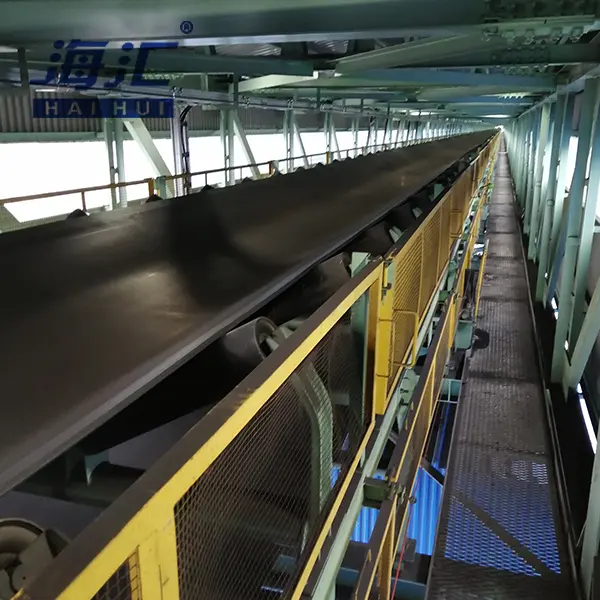
- Конвейеры на карьерах, наземные ленточные конвейеры, линии подачи сырья на производственные установки — благодаря стальным роликам, всегда находящимся в рабочем состоянии, техническое обслуживание перестает напоминать экстренную ситуацию.
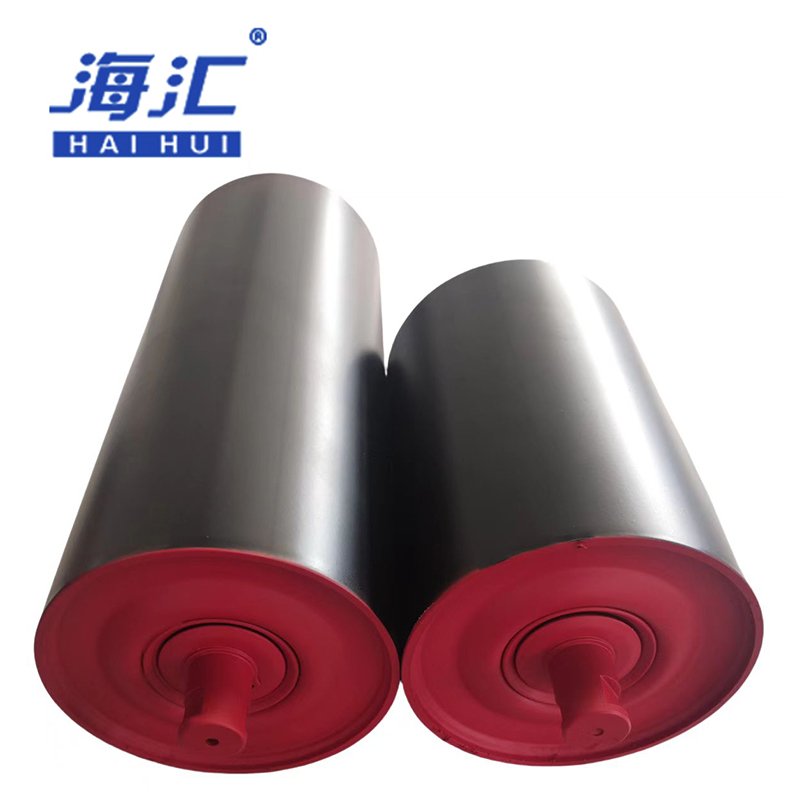
5 основных характеристик стальных опорных роликов конвейера
«Сталь / конвейер / опорные ролики / ролики» — звучит просто, но именно от деталей зависит, будет ли ваша лента двигаться ровно или превратится в изношенный, сбившийся с курса беспорядок. В этом обзоре подробно рассмотрены все аспекты стальных опорных роликов — от прямолинейности труб до уплотнений — чтобы ваша лента ложилась правильно и оставалась на месте.
Особенность 1: Труба из высокопрочной стали для тяжелых нагрузок
Благодаря стальным натяжным роликам, более толстой стенке и правильному углу наклона предотвращаются вмятины и прогибы, не приводящие к повреждению ленты. При этом она должна сохранять округлость даже при ударах, поддерживать прямолинейность и не давать ощущения колебаний, которые нарушают выравнивание ленты.
Быстрый способ проверить это на практике:
- Ощущение от стенки трубки: при ходьбе по ленте меньше ощущается “волнистость”.
- Проверка прямолинейности: обратите внимание на видимое колебание, а не на биение.
Особенность 2: Эффективная система уплотнения для загрязнённых сред
В случае стальных натяжных роликов выбор уплотнения имеет решающее значение для надежности. Лабиринтное или контактное уплотнение снижает проникновение загрязнений в условиях запыленности, влажности или абразивного воздействия, когда в воздухе присутствуют мелкие частицы, которые ускоряют износ деталей.
Основы безопасного использования
- В запыленных условиях: предпочтительно использовать лабиринтные фильтры с длинными извилистыми каналами для улавливания мелких частиц.
Особенность 3: Высококачественный подшипник и стабильный рабочий крутящий момент
“Ощущение” от стальных натяжных роликов обусловлено их конструкцией: подшипник, уплотнение и смазка работают как единый механизм. Когда эта система настроена правильно, сопротивление качению остается предсказуемым, а тяга ремня не колеблется.
Если вы приобретаете стальные натяжные ролики для непрерывной эксплуатации, то стабильная работа подшипников позволит снизить энергопотребление и износ ремня.
Особенность 4: Превосходная коррозионная стойкость и адгезия покрытия
Внутри стальных натяжных роликов коррозия — это незаметный враг. Качественный материал труб и внешнее покрытие помогают предотвратить ржавчину, которая может загрязнить полость подшипника и нарушить плотность прилегания уплотнения.
Наносится на поверхность: прочная адгезия покрытия обеспечивает стойкость краски в условиях влажной среды или воздействия химических веществ.
Особенность 5: Соответствие стандартам ISO и DIN и гарантия срока службы
Когда речь идет о стальных натяжных роликах, важно быть уверенным в том, что ролик на тридцатом месяце службы будет вести себя так же, как и на первой неделе. Соответствие стандартам ISO 9001 и DIN 22107 гарантирует это благодаря испытаниям, контролю качества и реалистичным циклам нагрузки.
Как определить качество стальных опорных роликов конвейера
Если вы покупаете стальные натяжные ролики для заводских конвейеров, “самое ценное” обычно скрывается в документации и технологических инструкциях.
Анализ сертификатов на материалы и технических характеристик подшипников
- Начнем с основных сведений из сертификата завода: марка стали, толщина стенки, допуск на прямолинейность.
- Учитывайте нормативные требования к стальным роликам: убедитесь, что указанный зазор подшипника (C3, C4) соответствует вашему режиму эксплуатации.
Проверка герметичности уплотнений, рабочего крутящего момента и записей по контролю качества
- Что касается стальных натяжных роликов, их качество — это результат заводской практики, а не дело случая.
- Основные документы, которые следует запросить: результаты испытаний на сопротивление уплотнителя, протоколы измерения рабочего крутящего момента и сводки по обеспечению качества.
- Точные производственные записи, связывающие партию труб, партию подшипников и смену сборки.
Проверка сертификации по стандарту ISO и отслеживаемости партий продукции
- Убедитесь в подлинности сертификата ISO 9001.
- Следите за темой “Кто изготовил этот натяжной ролик”: отслеживаемость партии должна охватывать сталь для труб, партию подшипников, поставщика уплотнений и дату сборки.
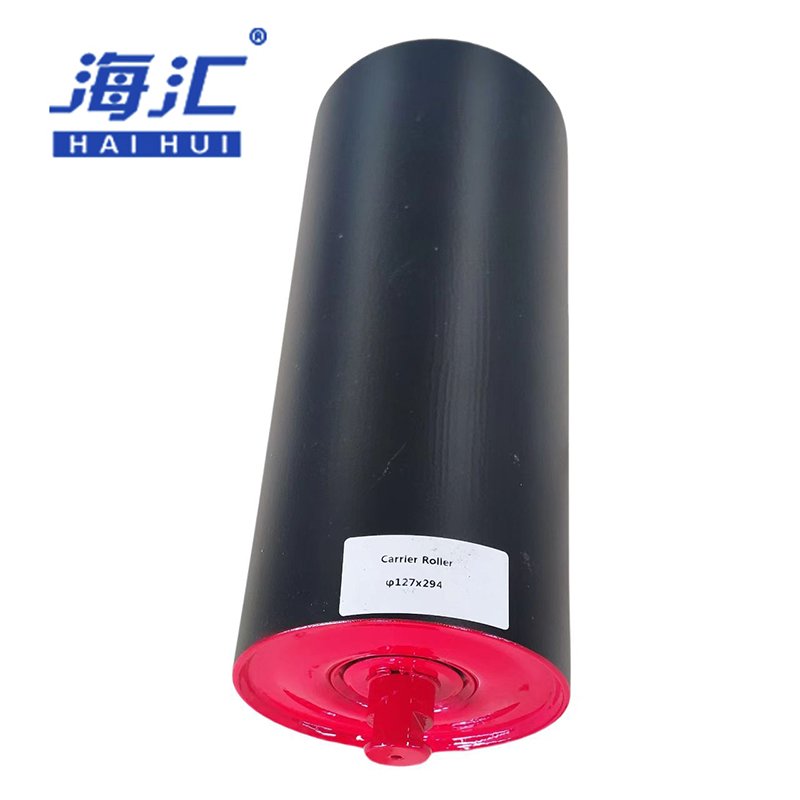
Руководство по покупке: Стальные опорные ролики для конвейеров
Стальные натяжные ролики кажутся простым решением, но мелочи имеют большое значение: скорость ленты, уровень ударов и даже тип уплотнения могут превратить “удачную установку” в систему, которая быстро изнашивает ленту. В данном руководстве подробно описано, как правильно выбирать стальные натяжные ролики для карьерных ленточных конвейеров, наземных конвейеров или высокоскоростных производственных линий. Вы также узнаете, какую роль играет компания Haihui, когда требуется стабильное производство продукции по стандартам OEM.
Определите область применения: карьеры, производство заполнителей или промышленные конвейерные ленты
- Начинайте с назначения, а не с диаметра; конвейерная лента для карьера ведет себя иначе, чем лента для распределительного центра.
- Сопоставьте вариант применения с серией натяжных роликов.
Сравнение типов уплотнений: лабиринтное уплотнение, контактное уплотнение и отбрасывающее уплотнение
| Тип уплотнения | Уровень сопротивления | Пылезащита | Влагостойкость | Идеально подходит для |
|---|---|---|---|---|
| Лабиринт | Низкий | Хорошо | Плохо | Чистое, сухое помещение |
| Контакт с двумя губами | Средний | Очень хорошо | Хорошо | Пыльно, умеренная влажность |
| Тройной лабиринт + отбойник | Средне-высокий | Отлично | Отлично | Влажное, грязное, абразивное |
Выберите подходящий зазор подшипника с учётом нагрузки и температуры
- В случае стальных роликов зазор в подшипниках является “рулем” термической устойчивости.
- C3 – стандартное исполнение для большинства конвейеров.
- C4 – при высокой температуре окружающей среды или интенсивных циклах механических воздействий.
Оптимизация крупных заказов OEM за счет эффективного управления запасами и логистики
- Если вы заказываете стальные натяжные ролики в больших объемах, стоимость зависит не только от стоимости материалов, но и от того, насколько бесперебойно функционирует ваша цепочка поставок.
- Комплексное решение для повышения эффективности: Компания «Хайхуэй» предлагает широкий ассортимент продукции — от стандартных программ складирования до изготовления валов индивидуальной длины.
- Готовы начать? Мы предоставляем предложение по решению проекта в течение 1 дня, включая чертежи, перечень материалов и смету.
- Хотите сначала протестировать? Мы предлагаем бесплатные образцы натяжных роликов определённых размеров. Убедитесь в преимуществах Haihui уже сегодня.
Список литературы (избранные источники)
- Стандарты на стальные трубы – worldsteel.org
- Система управления качеством по стандарту ISO 9001 – iso.org
- Зазор и посадка подшипников — SKF / FAG
- DIN 22107 — Натяжные ролики для ленточных конвейеров
- Haihui — Внутренние технические условия на стальные опорные ролики конвейера
 English
 العربية
 Português do Brasil
 Русский
 Español