Полное руководство по направляющим роликам конвейеров премиум-класса
- Почему направляющие ролики имеют важное значение для промышленных конвейеров
- Вау! Направляющие ролики конвейера повышают рентабельность инвестиций в производство
- 5 шагов по установке и техническому обслуживанию направляющих роликов конвейера
- Шаг 1: Проверка внешнего вида и работоспособности оборудования перед установкой
- Шаг 2: Стандартизация положения установки и калибровка угла наклона
- Шаг 3: Отладка в режимах без нагрузки и с нагрузкой
- Шаг 4: Регулярная очистка от пыли и проверка герметичности
- Шаг 5: Своевременная замена изношенных и поврежденных роликов
- Советы по размещению оптовых заказов для специалистов по промышленным закупкам
- Сотрудничайте с компанией «Хайхуэй» для удовлетворения ваших потребностей в конвейерных роликах
- Ссылки
Направляющие ролики конвейера кажутся простыми вспомогательными компонентами, однако именно их точное выравнивание и конструктивная устойчивость определяют долгосрочную точность движения всей ленточной конвейерной системы. Незначительные отклонения при монтаже, низкое качество обработки поверхности или недостаточная износостойкость постепенно приведут к смещению ленты, трению о края, просыпанию материала и частым внеплановым остановкам. В условиях высокоскоростной логистики, горнодобывающей промышленности и транспортировки сыпучих материалов надёжные направляющие ролики являются основной гарантией непрерывной и эффективной работы конвейера.
В данном практическом промышленном руководстве систематически изложены основные функции, типы конструкций, технические характеристики изготовления, стандарты монтажа и протоколы технического обслуживания направляющих роликов конвейеров. Оно помогает инженерным и закупочным подразделениям проводить обоснованный подбор и стандартизированную конфигурацию оборудования, что позволяет обеспечить стабильную работу конвейерной линии и снизить затраты на текущее техническое обслуживание.
Почему направляющие ролики имеют важное значение для промышленных конвейеров
В современных промышленных конвейерных системах транспортировка на большие расстояния, с высокой скоростью и с тяжелыми грузами стала основным стандартом. Без стандартизированной конфигурации направляющих роликов отклонение ленты и односторонний износ станут постоянными проблемами. В данном руководстве подробно разобраны инженерная логика и практическая ценность высококачественных направляющих роликов для конвейеров.
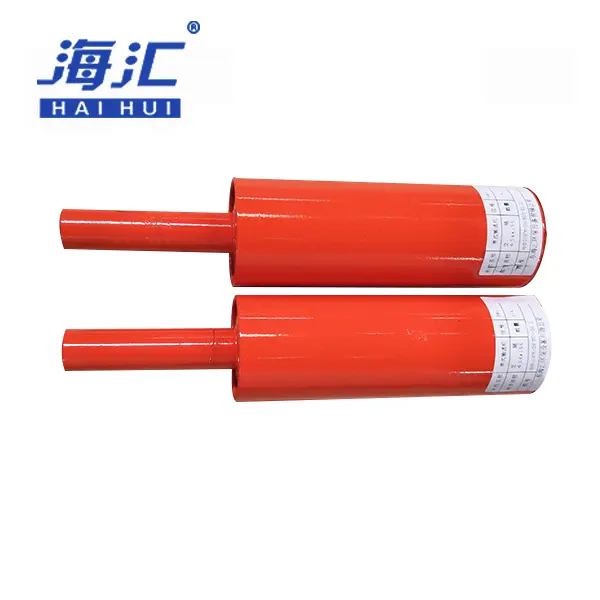
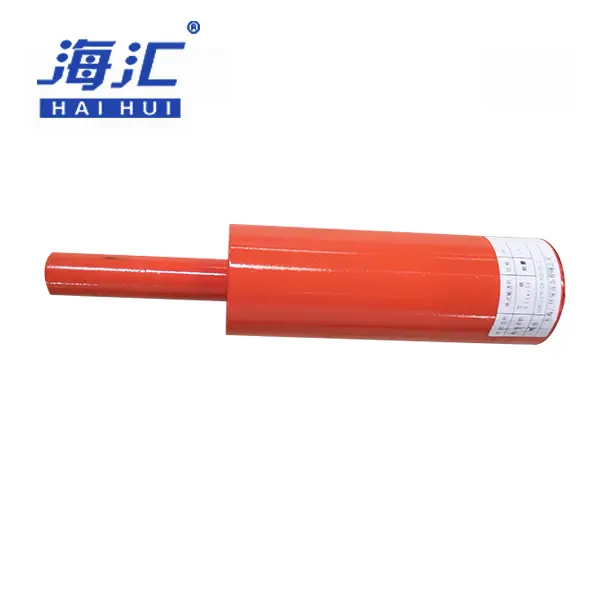
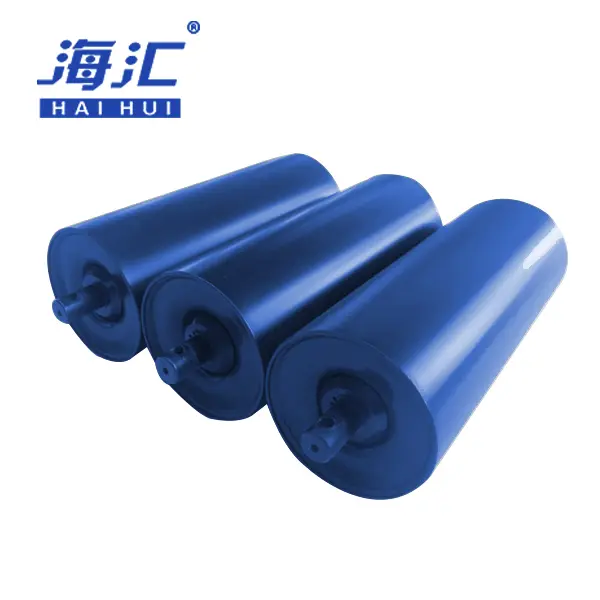
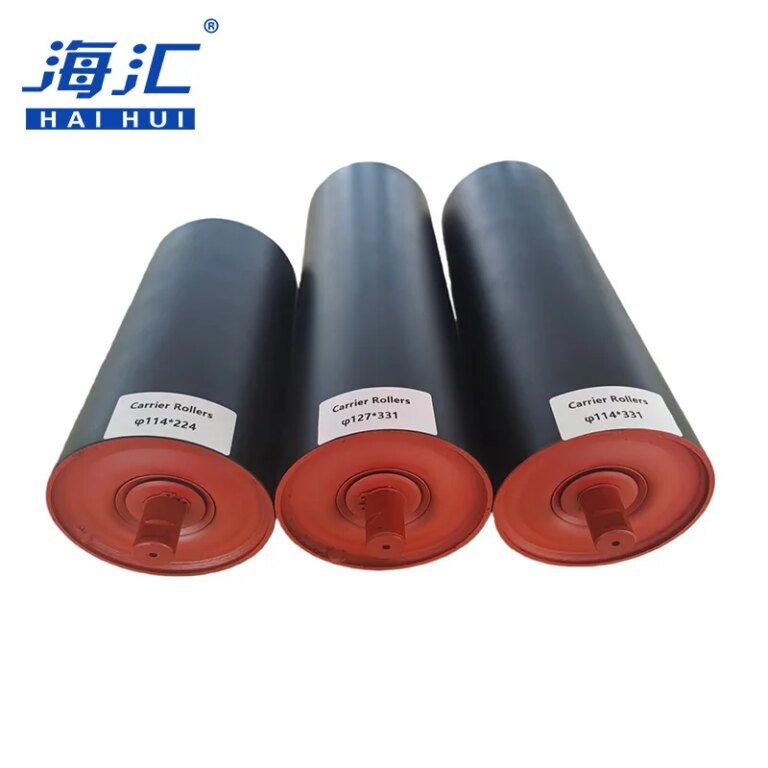
Направляющие ролики конвейера
Значение позиционирования ядра и коррекции траектории
Направляющие ролики конвейера — это специальные ограничительные и корректирующие элементы, устанавливаемые по обеим сторонам рамы конвейера. В отличие от обычных опорных роликов, их основная функция заключается в ограничении поперечного смещения ленты и корректировке отклонения ходовой траектории, а не просто в выдерживании нагрузки от транспортируемого материала.
В ходе длительной циклической эксплуатации конвейерные ленты подвержены отклонению из-за неравномерной нагрузки, вибрации каркаса и ошибок монтажа. Качественные направляющие ролики, обладая высокой гибкостью вращения и конструктивной жесткостью, обеспечивают постоянное усилие боковой коррекции, благодаря чему лента движется по центральной траектории.
Многие недорогие универсальные направляющие ролики отличаются плохой соосностью и тугим вращением. Они не способны эффективно корректировать отклонение и, напротив, постоянно царапают край ремня, что приводит к необратимому повреждению ремня и увеличению затрат на его замену.
Основные эксплуатационные характеристики: износостойкость, гибкость и жесткость конструкции
Практическая ценность направляющих роликов конвейера проявляется в трёх сбалансированных основных характеристиках, которые напрямую определяют стабильность работы и срок службы конвейерной системы.
Точность корректировки траектории
Точная концентричность валов и плавная реакция на вращение обеспечивают корректировку незначительных отклонений ремня в режиме реального времени, что позволяет избежать значительного смещения траектории и разбрасывания материала.
Высокая износостойкость и ударопрочность
Длительное трение о край ленты требует отличной износостойкости поверхности. Высококачественные направляющие ролики выдерживают постоянные боковые удары и предотвращают отслоение поверхности и деформацию.
Приспособляемость к суровым условиям эксплуатации
Пыль, влажность и перепады температуры не влияют на плавность вращения. Стабильные герметизирующие и антикоррозионные характеристики позволяют использовать изделие в условиях горнодобывающей, портовой и химической промышленности.
Распространенные типы структур и сопоставление сценариев
Различные конструкции направляющих роликов конвейера предназначены для разных условий эксплуатации. Правильный выбор типа является залогом эффективной корректировки.
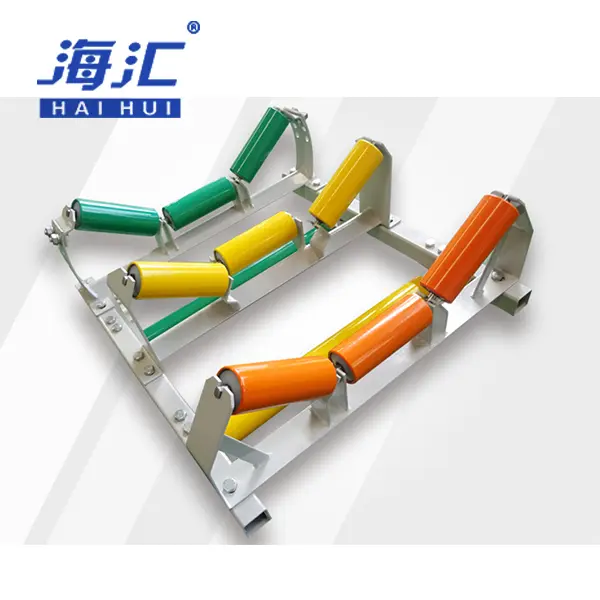
Вертикальные направляющие ролики: Наиболее распространённый тип, устанавливаемый вертикально с обеих сторон ленты; подходит для обычных горизонтальных и наклонных конвейерных линий и позволяет устранять повседневные незначительные отклонения.
Направляющие ролики V-образного типа: Имеет V-образную канавку, подходит для цилиндрических заготовок и задач, требующих высокой точности позиционирования, и обладает высокой точностью позиционирования и устойчивостью к смещению.
Направляющие ролики с резиновым покрытием: Резиновый амортизирующий слой снижает износ краев ленты от трения, что делает её подходящей для высокоскоростной транспортировки и перевозки ценных грузов.
💡 Готовы повысить устойчивость конвейерной трассы? Благодаря многолетнему опыту в сфере промышленного производства и производственным системам, сертифицированным по стандарту ISO 9001, компания Haihui предлагает индивидуальные решения для всех типов направляющих роликов конвейеров всего за 1 день. Ознакомьтесь с нашими услугами по индивидуализации или просмотрите наш ассортимент конвейерных роликов.
Вау! Направляющие ролики конвейера повышают рентабельность инвестиций в производство
Научно обоснованный подбор и стандартизированная конфигурация направляющих роликов конвейера позволяют эффективно снизить износ ленты, исключить потери от простоев, вызванных сбоями в курсовой стабильности, а также сократить затраты на ежедневное техническое обслуживание. Компания «Хайхуэй» опирается на тщательно проработанные стандарты производства и решения по подбору оборудования с учетом конкретных условий эксплуатации, помогая предприятиям добиться ощутимого повышения операционной эффективности и сокращения затрат.
Точное производство снижает износ ремней и частоту их замены
Износ кромок ленты и повреждения, вызванные смещением, являются основными скрытыми затратами при эксплуатации конвейера. Большинство случаев преждевременного выхода ленты из строя вызвано некачественной корректировкой направляющих роликов и жестким трением.
Высокоэффективные направляющие ролики конвейера Haihui изготавливаются с точностью до микрометра:
Точная калибровка по концентричности гарантирует полное отсутствие джиттера во время работы, обеспечивая плавную коррекцию без резких скачков.
Гладкая поверхность предотвращает повреждение ремня заусенцами по краям, что позволяет значительно продлить срок его службы.
Гибкая система реагирования на повороты обеспечивает корректировку траектории движения в режиме реального времени, что позволяет избежать износа, вызванного длительным отклонением от курса.
| Метрическая система | Типичная цель | Почему это важно |
| Погрешность соосности вала | ≤0,1 мм | Обеспечить точность корректировки траектории |
| Сопротивление гибкости при вращении | ≤1,2 Н | Не допускайте повреждения жесткого фрикционного ремня |
| Срок службы без перерывов | ≥2500 ч | Снизить расходы, связанные с частый заменой |
| Антикоррозионный класс | Испытание в солевом тумане ≥48 ч | Приспосабливаться к суровым условиям эксплуатации на открытом воздухе |
Превосходные герметизирующие характеристики позволяют избежать потерь, связанных с остановками оборудования из-за неисправностей
Большинство направляющий ролик конвейера Неисправности возникают из-за плохой герметичности. Накопление пыли и проникновение влажного воздуха приводят к ржавлению подшипников и заклиниванию вращения, что приводит к потере корректирующей функции и постоянному смещению ремня.
В Haihui используется оптимизированная многослойная композитная герметизирующая конструкция:
Физическая изоляция типа «лабиринт» в сочетании с гибким резиновым двойным уплотнением полностью предотвращает проникновение пыли и влаги извне.
Встроенная высокотемпературная и износостойкая смазка обеспечивает длительное плавное вращение без ухудшения рабочих характеристик.
Всепогодная конструкция, устойчивая к старению, приспособлена к промышленным условиям эксплуатации с высоким уровнем запыленности, высокой влажностью и высокими температурами.
Стабильные уплотнительные характеристики обеспечивают длительную безотказную работу направляющих роликов, что позволяет избежать внеплановых остановок и застоя производства, вызванных сбоями в корректировке.
Подбор материалов с учетом сценариев повышает стабильность работы
Одиночные стандартные направляющие ролики не способны удовлетворить разнообразные требования различных условий эксплуатации. Целенаправленное согласование материалов и методов обработки поверхностей является ключом к повышению стабильности системы.
Направляющие ролики из углеродистой стали: Высокая конструкционная жесткость и ударопрочность; подходит для линий транспортировки сыпучих материалов в условиях сильной вибрации, а также для горнодобывающей промышленности и карьеров с высокими нагрузками.
Оцинкованные направляющие ролики: Превосходные антикоррозионные и антиржавчинные свойства, идеально подходит для использования в морских портах, во влажных прибрежных условиях и на линиях по производству химической продукции.
Направляющие ролики с резиновым покрытием: Мягкий буферный контакт, эффективно защищающий края ленты, подходит для высокоскоростных логистических конвейеров и задач прецизионной транспортировки материалов.
Компания «Хайхуэй» подбирает эксклюзивные материальные решения с учетом условий работы пользователей на объекте, что позволяет избежать несоответствия характеристик и растраты ресурсов, вызванных непродуманным выбором.
🎨 Закажите эксклюзивные направляющие ролики для конвейеров, адаптированные к вашим условиям эксплуатации! Компания Haihui предлагает полную индивидуальную настройку, быструю доставку образцов и бесплатные услуги по техническому подбору. Обращайтесь к нам за профессиональными решениями в области промышленных конвейеров.
5 шагов по установке и техническому обслуживанию направляющих роликов конвейера
Неправильная установка и нерегулярное ежедневное техническое обслуживание приведут к утрате направляющими роликами своей корректирующей функции и даже усугубят отклонение ленты и её износ. Стандартизированные эксплуатационные инструкции обеспечивают длительную стабильную работу направляющих роликов.
Шаг 1: Проверка внешнего вида и работоспособности оборудования перед установкой
Перед монтажом тщательно проверяйте все поступающие направляющие ролики конвейера, чтобы исключить поступление бракованной продукции.
Проверьте поверхность на наличие деформаций, ржавчины, заусенцев и дефектов сварки, чтобы избежать появления царапин на ремне.
Вручную проверните валик, чтобы убедиться в плавной работе без заклиниваний, задержек и необычных шумов.
Проверьте допуски на размеры и концентричность, чтобы убедиться в соответствии требованиям стандартов монтажа.
Шаг 2: Стандартизация положения установки и калибровка угла наклона
Положение установки и угол наклона напрямую определяют эффективность коррекции.
Установите направляющие ролики симметрично по обеим сторонам конвейерной ленты, соблюдая одинаковое расстояние и высоту с обеих сторон.
Отрегулируйте угол вертикального наклона с учетом рабочего состояния ремня, чтобы обеспечить эффективную коррекцию контакта.
Надежно закрепите монтажный кронштейн, чтобы предотвратить смещение положения, вызванное длительной вибрацией оборудования.
Шаг 3: Отладка в режимах без нагрузки и с нагрузкой
После установки проведите поэтапную пробную эксплуатацию для проверки эффективности коррекции.
Сначала выполните пробный запуск без нагрузки, чтобы оценить стабильность движения ремня и проверить, синхронно ли вращается направляющий ролик.
Провести отладку нагрузки с использованием реальных материалов, чтобы убедиться в отсутствии отклонений и трения о края при работе с большими нагрузками.
Записывайте данные отладки, чтобы они могли служить справочным материалом для последующего ежедневного технического обслуживания и настройки параметров.
Шаг 4: Регулярная очистка от пыли и проверка герметичности
Накопление пыли и остатков материала является основной причиной выхода из строя направляющих роликов в промышленных условиях.
Регулярно удаляйте пыль и остатки материалов с поверхности, чтобы предотвратить заклинивание вращающихся частей из-за скопления посторонних предметов.
Регулярно проверяйте уплотнительную торцевую крышку на наличие признаков старения и повреждений, чтобы предотвратить загрязнение внутренней части подшипника.
Проверьте гибкость вращения и состояние звучания, чтобы заранее исключить скрытые неисправности.
Шаг 5: Своевременная замена изношенных и поврежденных роликов
Ввести механизмы регулярного осмотра и замены оборудования, чтобы избежать эксплуатации неисправных направляющих роликов с превышением срока службы.
Своевременно заменяйте ролики, имеющие значительный износ, деформацию, ржавчину или заклинивание при вращении.
Обновить файлы по техническому обслуживанию оборудования для формирования стандартизированных отчетов о замене и техническом обслуживании.
Советы по размещению оптовых заказов для специалистов по промышленным закупкам
Слепое оптовое приобретение направляющих роликов для конвейеров легко приводит к нестабильному качеству партий, несоответствию требованиям эксплуатационных условий и высоким совокупным эксплуатационным потерям. Научно обоснованные технические требования к закупкам позволяют эффективно фиксировать затраты и стабилизировать качество продукции.
Стандарты на материалы и допуски фиксаторов для предотвращения ухудшения качества
Разработать единые спецификации материалов для закупок оптом с целью устранения различий в качестве партий продукции.
Уточните основные показатели, такие как материал корпуса ролика, процесс обработки поверхности, конструкция уплотнения и сопротивление вращению.
Строго ограничивать погрешность концентричности и допуск динамического баланса, чтобы обеспечить стабильные характеристики коррекции каждой партии продукции.
Отказывайтесь от недорогих товаров низкого качества с упрощённой герметизацией и неаккуратной обработкой, чтобы избежать скрытых опасностей при эксплуатации.
Стандартизация технических характеристик SKU для снижения совокупных затрат
Чрезмерно разрозненные типы SKU приведут к увеличению затрат на производственное оборудование и усилению нагрузки на систему управления запасами.
Стандартизировать традиционные модели вертикальных, V-образных и прорезиненных направляющих роликов с целью унификации технических требований к их ежедневной замене.
Применяйте целевые индивидуальные решения только в случае особых условий работы, чтобы избежать чрезмерных затрат на их разработку.
Использовать пакетные стандартизированные закупки для получения стабильных скидок за объем и сокращения совокупных затрат на закупки.
Оптимизация логистики и управления партиями поставок
Неправильная логистика и хранение приведут к вторичной деформации, ржавчине и повреждению поверхности направляющих роликов.
Используйте стандартизированную картонную упаковку и угловые защитные элементы для предотвращения деформации от сдавливания при транспортировке.
Используйте влаго- и пыленепроницаемую упаковку для транспортировки на большие расстояния и хранения в условиях высокой влажности.
Организуйте доставку материалов в соответствии с ходом реализации проекта, чтобы избежать длительного хранения запасов и накопления пыли.
Строгий заводской контроль качества и выборочная проверка партий продукции
Не допускать поступления бракованной продукции на объект благодаря отлаженным механизмам контроля качества.
Обязать производителей предоставлять протоколы проверки партий продукции, включая данные о допусках на размеры, характеристиках вращения и испытаниях герметичности.
Проводить выборочную проверку поступающих товаров, уделяя особое внимание гибкости ротации и качеству отделки поверхности.
Создать эффективный механизм реагирования на вопросы качества в рамках послепродажного обслуживания для своевременного устранения проблем с качеством партий продукции.
Сотрудничайте с компанией «Хайхуэй» для удовлетворения ваших потребностей в конвейерных роликах
Покончите с частыми сбоями из-за смещения ленты, износа кромок и простоев из-за выхода из строя направляющих роликов. Являясь профессиональным производителем направляющих роликов для конвейеров, компания «Хайхуэй» располагает полностью автоматизированными производственными линиями и системами контроля качества, сертифицированными по стандарту ISO 9001. Мы строго контролируем каждое звено производственного процесса — от выбора сырья до испытаний готовой продукции — и поставляем высокостабильные направляющие ролики с длительным сроком службы для горнодобывающей, портовой, химической и логистической отраслей по всему миру.
Мы предлагаем полную настройку в соответствии с техническими требованиями, быструю доставку образцов и комплексные услуги по разработке технических решений. Наши профессиональные инженеры бесплатно проводят подбор оборудования с учетом условий эксплуатации и предоставляют рекомендации по оптимизации параметров.
Сделайте следующий шаг к оптимизации вашей конвейерной системы:
⏱️ Профессиональный технический ответ в течение 12 часов
📦 Возможность бесплатного тестирования образцов
📞 Свяжитесь с нами сегодня, чтобы получить эксклюзивное предложение по решению вашей задачи за 1 день
Ссылки
GB/T 10595-2017 Стандарт технических требований к ленточным конвейерам
Руководство по корректировке и техническому обслуживанию рельсов промышленных конвейеров
Стандарт по конструкции и допускам направляющих роликов конвейера
Руководство по контролю качества промышленных механических деталей в соответствии со стандартом ISO 9001
Технический стандарт по антикоррозионной защите компонентов конвейеров, эксплуатируемых в суровых условиях
Техническое руководство по корректировке отклонения конвейерной ленты
Технические условия испытаний герметичности и усталостных испытаний конвейерных роликов

 English
 العربية
 Português do Brasil
 Русский
 Español