
Барабанный шкив для ленточного конвейера: предотвращение проскальзывания ленты и схода с рельсов
Шкив не просто деталь — это то, что определяет, будет ли ремень двигаться ровно или же его повреждение обойдётся дорого, если натяжение и выравнивание выйдут из-под контроля.
Традиционные схемы привода затрудняют техническое обслуживание и усложняют регулировку, тогда как конструкции с прямым приводом от двигателя отличаются простотой, но требуют тщательного подбора компонентов.
Инженеры компании «Хайхуэй» отмечают, что выбор шкива определяет точность движения ремня, срок службы стыка и частоту технического обслуживания на конвейерных линиях.
Основные ноты в крещендо барабанного шкива
➔ Обеспечьте правильное выравнивание валов: проверьте корпуса подшипников, соосность обвязки и выпуклость шкива для обеспечения оптимального хода ремня.
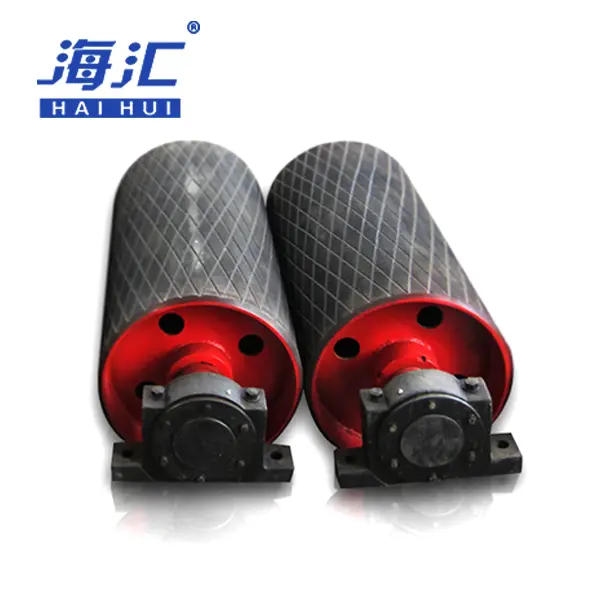
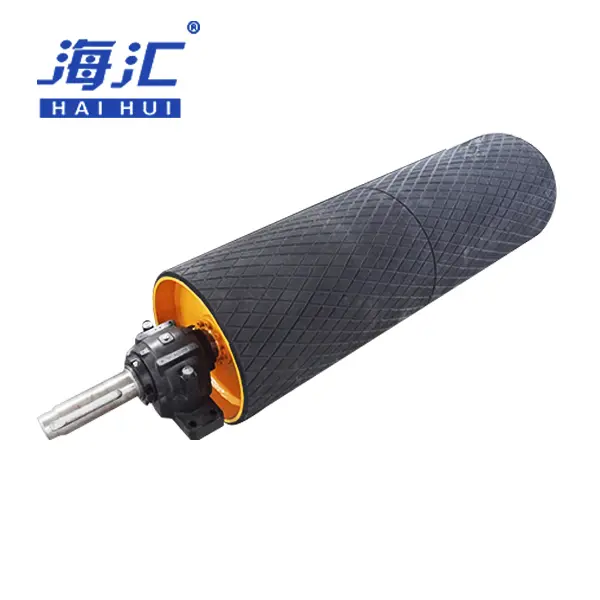
➔ Технические характеристики с целью: для обеспечения высокого сцепления используйте керамическую обшивку, для общего назначения — резиновую обшивку, а для автоматического центрирования ремня — выпуклые поверхности.
➔ Выберите тип конструкции: сварной барабанные шкивы обладают прочностью и ремонтопригодностью; конструкции, изготовленные методом механической обработки, обеспечивают оптимальный баланс между стоимостью и долговечностью.
➔ Оптимизировать выбор: более массивные валы для длинных наземных конвейеров, валы большего диаметра для систем с высоким натяжением, а также герметичные подшипники для запыленных условий эксплуатации.
Обычный шкив «хвост» и шкив «головка»: подход к выбору
Поломки конвейерной ленты возникают не из-за того, что вы выбрали барабанный шкив неподходящего типа, а из-за того, что выбор был сделан в спешке или монтаж выполнен неаккуратно. В этом кратком обзоре представлена объективная информация как для руководителей служб технического обслуживания, так и для инженеров. Вы узнаете, что нужно проверять, как определять размеры и когда указывать требования к обшивке, чтобы шкивы компании Haihui не вызывали проблем с выравниванием ленты.
Проверка посадки вала и подшипника
Вал может выглядеть ровным, но при этом иметь микроскопическое биение, сокращающее срок службы подшипников, поэтому к его монтажу следует подходить как к процессу механической обработки — сначала измерьте, а затем проверьте результаты ещё раз. Если вы подбираете барабанный шкив для ленточного конвейера или традиционного привода, несоосность негативно сказывается как на подшипниках, так и на следовании ленты по трассе. Точное выравнивание перед запуском имеет решающее значение для долгосрочной надежности.
Выбор размера
- Выбирайте диаметр вала, исходя из пускового момента и натяжения ремня, а не только из рабочей нагрузки.
- На конвейерах с высоким натяжением или большим длиной следует использовать седла подшипников, прошедшие индукционную закалку (HRC 50–55).
Процедура установки
- Проверка на холодную работу: установите шкив на подставки, проверните его рукой и проверьте, нет ли заклинивания.
- Ход стрелки индикатора: измерить TIR (общий показанный биение) на торцевой поверхности и на подшипниковых шейках.
- Заключительная проверка: если циферблатный индикатор показывает биение на торце более 0,5 мм, значит, выравнивание выполнено некорректно.
Выбор задержки для захвата и слежения
Цель накладки — не изнашивать ремень, а создать равномерную поверхность трения для обеспечения сцепления. При работе с барабанными шкивами это также помогает ремню правильно двигаться по трассе, не сбиваясь с нее.
Краткий обзор по дурометрам (проще не бывает):
- 60–65 по шкале Шор А: мягкая, с хорошим сцеплением, обладает высокой износостойкостью — подходит для езды по мокрой или грязной дороге.
- 65–70 по шкале Шор А: универсальное, средняя степень износа — стандартное исполнение для большинства карьеров и цементных заводов.
- 70–75 по шкале Шор А: прочная, нижняя часть рукоятки, отличная износостойкость — для высокоскоростной обработки или сухих абразивных материалов.
Выбирайте с умом: намотайте изоляцию на барабан с равномерным натяжением, чтобы толщина оставалась одинаковой и не образовывались выпуклости.
Мини-рабочий процесс
- Проверить прочность сцепления при отрыве (≥10 Н/мм для условий интенсивной эксплуатации).
- Уточните рисунок канавки («елочка» — для самоочищения, ровный — для равномерного износа).
- Перед установкой удалите пыль с чехлов для хранения, чтобы озон не привёл к растрескиванию резины.
Установка опорной поверхности для автоматического центрирования ленты
Некоторые ленты ведут себя привередливо — при крутом наклоне, большом межцентровом расстоянии или значительной нагрузке они могут отказываться скользить по плоской поверхности, — поэтому выпуклая поверхность или коническая обвязка позволяют сделать движение ленты по шкиву менее рискованным. Пользователи шкивов Haihui обычно отмечают более стабильную работу ленты, когда выпуклость шкива соответствует ширине ленты и ее натяжению.
Выбор подходящего профиля
- Стальная корона – вырезается в корпусе барабана перед нанесением изоляции.
- Коническая изоляция – резиновый элемент клиновидной формы, приклеенный к плоской оболочке.
- Центральная корона – Уклон 1:100 является стандартным для общего назначения.
Нанесите его аккуратно
- Высота короны должна быть небольшой (1–2 мм для ленты длиной 1 200 мм).
- Выберите метод: обшивка по всей поверхности для равномерного износа, рифленая обшивка для работы во влажных условиях.
- Соблюдайте ширину ремня, чтобы выпуклость действительно соприкасалась с центром ремня.
| Тип конвейера | Метод «Корона» | Ширина лица | Дюрометр с отставанием |
|---|---|---|---|
| Короткая дистанция, небольшая нагрузка (<100 м) | Стальная корона | 500–800 мм | 65 по шкале Shore A |
| Средняя, общая (100–1000 м) | Коническая изоляция | 800–1400 мм | 68 по шкале Shore A |
| Длинный переход по суше (>1000 м) | Стальная корона | 1200–2000 мм | 70 по шкале Шор А |
| Крутой подъем (>18°) | Коническая + рифлёная обвязка | 800–1500 мм | 65 по шкале Shore A |
Если вы хотите добиться плавного хода ремня с помощью барабанного шкива, подготовьтесь следующим образом — и ремень перестанет вести себя капризно. При настройке систем шкивов Haihui следует руководствоваться теми же основными принципами — выпуклостью, покрытием и соосностью — прежде чем приступать к выравниванию.
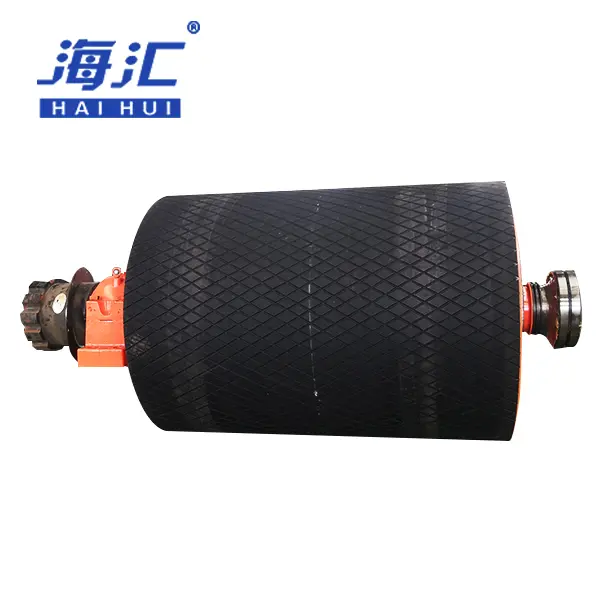
Решение 3 проблем, связанных с неправильной центровкой шкивов
Неправильно выровненные шкивы могут выглядеть нормально издалека, но большинство проблем с выравниванием решаются с помощью небольших корректировок. Совместите грамотный план выравнивания с качественным изготовлением от Haihui и держите под рукой индикатор часового типа и лазерный прибор для выравнивания на случай необходимости настройки.
Плохое слежение? Попробуйте использовать лицевую поверхность с правильным выпуклостью
Когда ремень соскальзывает, дело редко бывает только в самом ремне; все дело в том, как его направляет поверхность шкива. Выпуклая поверхность шкива создает направляющий эффект, помогая ремню самоцентрироваться.
Что нужно изменить
- Выбор товара – выберите стальную коронку или коническую обвязку в зависимости от длины ремня и нагрузки.
- Измерение – держите под рукой индикатор часового типа; быстрая проверка биения может выявить неровности поверхности.
Привычки при установке
- Перед загрузкой прогоните ремень в пустом состоянии. Сначала отрегулируйте натяжные ролики, а затем проверьте выпуклость ремня.
- На конвейерах с реверсивным ходом следует использовать обшивку по всей ширине без сужения; выпуклость не играет роли при смене направления движения.
Быстрая проверка
- Если ремень постоянно сбивается в одну сторону, измерьте биение торцевой поверхности шкива — зачастую это не связано с “неправильной натяжкой ремня”.”
Ремень проскальзывает под нагрузкой? Усильте сцепление обмотки
Низкое трение снижает импульс и приводит к обратному проскальзыванию. При изготовлении шкивов на заводе ‘Хайхуэй» следует выбирать накладку с твердостью по шкале Дурометра, подходящей для конкретных условий эксплуатации; это усиливает сцепление, не приводя к износу покрытия ремня.
- Ознакомьтесь с журналом технического обслуживания, посвящённым случаям проскальзывания — здесь важны данные об основных операциях.
- Толщина изоляции должна быть не менее 6 мм; изношенная изоляция скользит хуже, чем голая сталь.
- В условиях влажной или грязной поверхности используйте покрытие с рифлёным рисунком или рисунком «елочка», чтобы обеспечить отвод воды.
- Если вам требуется мгновенное сцепление на крутом подъеме, керамическая облицовка поможет устранить недостаток трения.
Снизился ресурс ремня? Проверьте диаметр шкива и угол обхвата
Игнорирование выбора диаметра приводит к преждевременной усталостной поломке каркаса ленты. Правильный выбор диаметра из каталога компании ‘Хайхуэй» с учетом надлежащего угла обхвата позволяет снизить изгибающее напряжение и продлить срок службы ленты.
Подготовка, которая действительно имеет значение
- Подготовка поверхности – удалите ржавчину или наслоения материала; гладкая поверхность продлевает срок службы ремня больше, чем неровная.
- Расчет обертки – увеличение угла наклона (180–210°) снижает затухание натяжения, особенно на приводных участках.
Стратегия спецификации
- Для ремней со стальным кордом следует использовать ремни большего диаметра (>800 мм).
- Для реверсивных систем или систем с высоким натяжением следует увеличить угол обхвата с помощью направляющего шкива.
- Для хвостовых шкивов подходит меньший диаметр (315–500 мм), так как натяжение в них меньше.
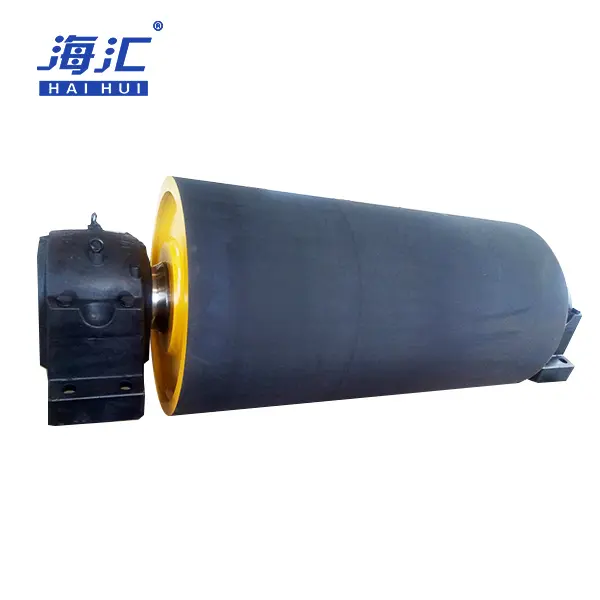
Барабанный шкив и крыльчатый шкив
Кратко и понятно: оба типа шкивов способны поддерживать движение ленты, но ведут себя по-разному, когда материал или мусор попадает на обратную сторону. Выбор между барабанным шкивом и шкивом с крыльями зависит от обратного переноса материала, эффективности очистки и того, насколько сильная защита ленты вам требуется. Компания Haihui разрабатывает варианты для обоих типов применения, поэтому вы можете подобрать подходящий шкив, а не подстраиваться под уровень своего раздражения.
Барабанный шкив (с цельной поверхностью)
Во время работы барабанный шкив демонстрирует стабильность — достаточно установить его, выровнять, и его гладкая поверхность обеспечит равномерную опору по всей ширине ремня. Это удобство благодаря простоте нанесения покрытия, а цельная поверхность обеспечивает полный контакт для надежного сцепления.
Основные компромиссы
- Отслеживание – Плюсы: можно закруглить для удобного центрирования. Минусы: требует точной центровки; неравномерный износ приводит к проблемам с траекторией движения.
- Техническое обслуживание – Плюсы: простая замена накладки, легко оценить степень износа. Минусы: в условиях, где материал склонен к слипанию, он может скапливаться между ремнем и рабочей поверхностью.
- Разработать стратегию – Плюсы: несколько вариантов подшипников (резиновые, керамические, рифленые). Минусы: тяжелее, чем крыло; для той же нагрузки требуются более прочные подшипники.
| Фактор занятости (1–5) | Оценка барабанного шкива | Оценка шкива крыла | Примечания |
|---|---|---|---|
| Перенос материала | 2 | 5 | крыло самоочищается |
| Опора ремня | 5 | 3 | опоры барабана по всей ширине |
| Отстающая жизнь | 4 | 2 | изоляция барабана изнашивается более равномерно |
| Стоимость | 3 | 4 | крыло, как правило, легче и дешевле |
Если вы выбираете барабанный шкив, обратите внимание на то, чтобы его рабочая поверхность поддавалась выпуклой обработке, а рисунок покрытия подходил для вашего материала. Шкивы Haihui, обеспечивающие стабильное сцепление, как правило, меньше “проскальзывают” при запуске.
Шкив крыла (с открытой лицевой стороной)
Шкивы с лопастями забиваются медленнее, но это не значит, что они хуже; просто процесс отслоения материала происходит на глазах. Благодаря открытой конструкции шкив можно установить именно в том месте, где наблюдается сильное накопление материала, что является настоящим спасением при работе с липкой глиной, летучей золой или древесной стружкой — материалами, которые забили бы барабан.
В чём он хорош
- Самоочищение на обратном контуре.
- Меньший вес, меньшая нагрузка на подшипники.
- Лучше подходит для хвостовых позиций с высоким уровнем переноса.
Что может пойти не так
- Опора ремня уменьшена (ремень соприкасается только с крыльями).
- Неправильное расположение крыльев может привести к повреждению места соединения ремня.
- Не подходит для приводов с высоким напряжением.
Практическое краткое руководство
- Используйте только в концевой или натяжной позициях, ни в коем случае не в качестве привода с высоким натяжением.
- Проверьте концы крыльев на наличие износа; изношенные концы могут повредить кожух ремня.
- Держите вал ровно; изогнутые лопасти приводят к вогнутости ремня.
В случае использования на конце конвейера с липким материалом преимущество остаётся за крыльчатыми шкивами, а их самоочищающийся механизм приносит облегчение, когда вы устали от постоянной уборки под лентой. Тем не менее, если вам нужна стабильная опора на протяжении всей длины наземной ленты, барабанный шкив обычно обеспечивает выравнивание, более близкое к заводскому, в то время как крыльчатый шкив лучше справляется с самоочисткой там, где материал представляет проблему.
Ссылки
- Подготовка поверхности к нанесению покрытия – VICHEM
- Основы выравнивания конвейерной ленты — Martin Engineering
- Теория шкивов с ободом — Ассоциация производителей конвейерного оборудования (CEMA)
- Выбор твердомера по отставанию — внутреннее техническое руководство компании «Хайхуэй»
- Срок службы соединения ремня и диаметр шкива — Fenner Dunlop
- Области применения крыльчатых шкивов – Precision Pulley & Idler
- Стандарты CEMA на шкивы – cemanet.org / CEMA
- ISO 5048 — Расчет мощности и натяжения конвейера
 English
 العربية
 Português do Brasil
 Русский
 Español