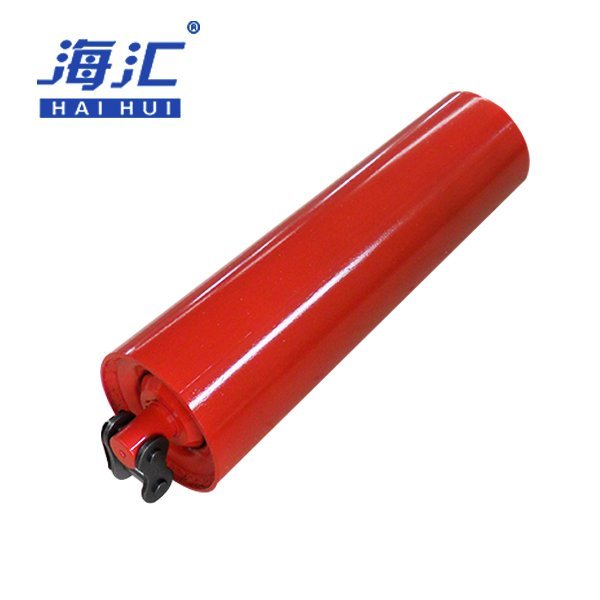
Опорный ролик для ленточного конвейера: руководство по сроку службы и техническому обслуживанию
- 1. Каков типичный срок службы возвратного ролика?
- 2. Какие факторы оказывают наибольшее влияние на срок службы опорного ролика?
- 3. Как подшипники и уплотнения влияют на срок службы обратного ролика?
- 4. Какие методы технического обслуживания позволяют продлить срок службы обратного ролика?
- 5. Каковы признаки того, что возвратный ролик выходит из строя?
- 6. Как покупатели могут максимально увеличить долгосрочную ценность возвратных роликов?
- 7. Заключение
- 8. Часто задаваемые вопросы
- 9. Список литературы
Return rollers for belt conveyors look simple—straight steel tubes with bearings inside. But when you’re moving thousands of tons of material every day, those return rollers become the difference between smooth belt tracking and unplanned downtime. A seized return roller can cause belt sag, edge damage, and tracking problems that ripple through the entire conveyor system.
Инженеры компании «Хайхуэй» в 2025 году подчеркивают, что прямолинейность роликов, целостность уплотнений и срок службы подшипников являются основой надежной работы возвратных роликов в условиях тяжелой промышленности.
1. Каков типичный срок службы возвратного ролика?
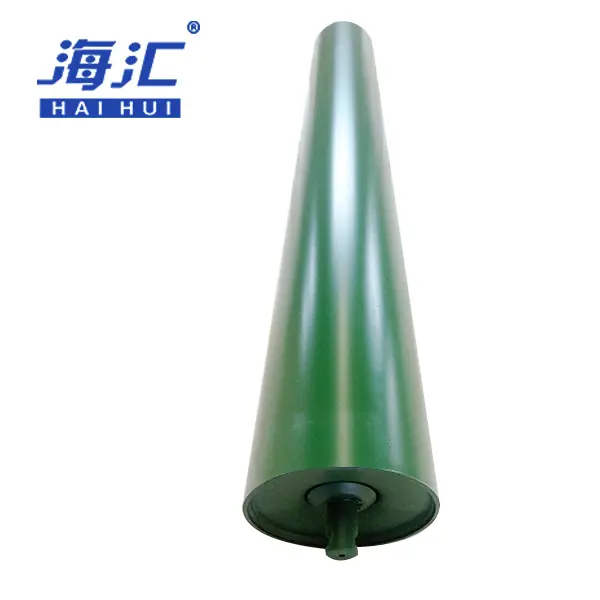
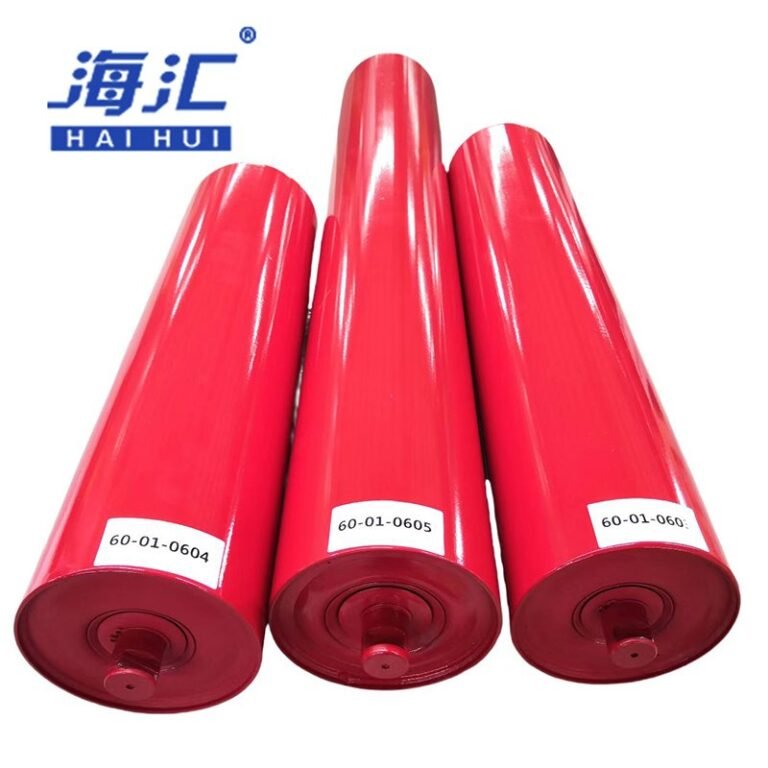
Возвратные ролики поддерживают пустую ленту на обратной стороне конвейера. Хотя они не транспортируют материал, они играют не менее важную роль, чем несущие ролики, для обеспечения надежности системы.
В нормальных условиях эксплуатации типичный срок службы возвратного ролика составляет от 20 000 до 50 000 часов (примерно от 2,5 до 6 лет непрерывной работы). Многие хорошо сконструированные возвратные ролики с надлежащими уплотнениями и подшипниками могут служить дольше, тогда как в суровых условиях эксплуатации они могут выйти из строя гораздо раньше.
Срок службы зависит от нескольких факторов:
| Состояние | Предполагаемый срок службы |
|---|---|
| Чистая и сухая среда | 40 000 – 60 000 часов |
| Умеренное количество пыли и влаги | 25 000 – 40 000 часов |
| Сильная запыленность, удары или влажная среда | 15 000 – 25 000 часов |
| Серьёзное ненадлежащее использование или загрязнение | Менее 10 000 часов |
Срок эксплуатации обратного валика не определяет его состояние. Трехлетний обратный валик на чистом предприятии может прослужить дольше, чем шестимесячный обратный валик в запыленной шахте.
2. Какие факторы оказывают наибольшее влияние на срок службы опорного ролика?
На срок службы обратного ролика влияют несколько факторов. Понимание этих факторов помогает операторам продлить срок службы и сократить количество непредвиденных отказов.
2.1 Условия окружающей среды
| Фактор | Влияние на срок службы обратного ролика |
|---|---|
| Пыль и песок | Ускоряет износ подшипников и повреждение уплотнений |
| Влага и влажность | Вызывает коррозию и ухудшение свойств смазочного материала |
| Химические вещества и коррозионные материалы | Приводит к повреждению уплотнений, подшипников и поверхностей труб |
| Экстремальные температуры | Влияет на вязкость смазочного материала и эластичность уплотнений |
Возвратный ролик, который отлично работает на чистом складе, может выйти из строя уже через несколько месяцев на карьере или цементном заводе.
2.2 Нагрузка и условия эксплуатации
| Фактор | Воздействие |
|---|---|
| Скорость ленты | Повышение скорости приводит к увеличению нагрузки на подшипники и усилению тепловыделения |
| Натяжение ремня | Влияет на прогиб и нагрузку на подшипник |
| Перенос материала | Абразивные частицы на обратной ленте ускоряют износ |
| Часы работы | Непрерывная эксплуатация ускоряет проявление всех видов отказов |
2.3 Качество производства
| Фактор | Воздействие |
|---|---|
| Концентричность трубы | Влияет на выравнивание подшипников и рабочие характеристики уплотнений |
| Качество подшипников | Определяет грузоподъёмность и ресурс на усталость |
| Конструкция уплотнения | Определяет устойчивость к воздействию загрязняющих веществ |
| Качество покрытия | Влияет на коррозионную стойкость и срок службы поверхности |
Разница между возвратным роликом, срок службы которого составляет пять лет, и тем, который прослужит пять месяцев, зачастую заключается в деталях конструкции уплотнения и выборе подшипника.
3. Как подшипники и уплотнения влияют на срок службы обратного ролика?
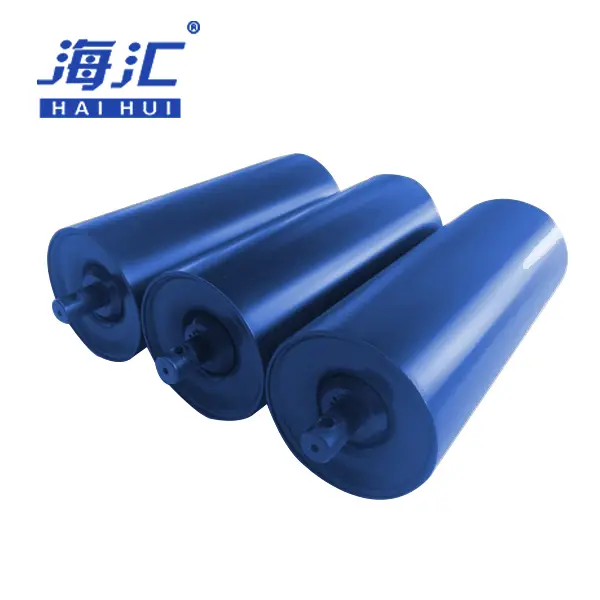
Подшипники и уплотнения являются наиболее важными элементами, определяющими срок службы возвратного ролика.
3.1 Выбор подшипников
| Коэффициент подшипника | Влияние на срок службы |
|---|---|
| Грузоподъёмность | Должны превышать фактические радиальные нагрузки |
| Распродажа | C3 или C4 для теплового расширения |
| Смазка | Правильный тип и объем смазки |
| Качество бренда | Стабильная производительность и доступность |
3.2 Конструкция уплотнения
| Тип уплотнения | Окружающая среда | Влияние на срок службы |
|---|---|---|
| Одиночный лабиринт | Чистые и сухие условия | Умеренный |
| Двойной лабиринт | Умеренная запыленность | Лучше |
| Лабиринт + контакты | Высокая запыленность или промывка | Высший |
| Тройное уплотнение | Влажные, коррозионные среды | Максимальный |
Уплотнение — это первая линия защиты. Если внутрь проникнет пыль, подшипник уже начнёт выходить из строя.
4. Какие методы технического обслуживания позволяют продлить срок службы обратного ролика?
Профилактическое техническое обслуживание — это наиболее экономически эффективный способ продлить срок службы возвратного ролика.
4.1 Регулярные проверки
| Проверка | Частота | Цель |
|---|---|---|
| Визуальный осмотр | Еженедельно | Обратите внимание на наличие повреждений, ржавчины или скоплений материала |
| Проверка вращения | Ежемесячно | Убедитесь, что обратные ролики вращаются свободно |
| Проверка температуры | Ежемесячно | Обнаружение перегрева подшипников |
| Проверка уплотнений | Ежеквартальный | Проверьте на наличие повреждений или износа |
4.2 Уборка и поддержание чистоты
| Практика | Преимущество |
|---|---|
| Удаление скопившегося материала | Предотвращает проблемы с следованием и неравномерный износ |
| Удалите пыль с уплотнений | Продлевает срок службы уплотнений и подшипников |
| Удалите мусор с рамок | Обеспечивает правильную центровку |
| Очистите поверхности ремней | Снижает уровень абразивного загрязнения |
4.3 Сроки замены
Заменяйте обратные ролики до того, как они выйдут из строя, а не после. Заклинившийся обратный ролик приводит к повреждению ленты, вызывает проблемы с выравниванием ленты и приводит к просыпанию материала. Плановая замена в ходе регулярного технического обслуживания всегда обходится дешевле, чем аварийная замена.
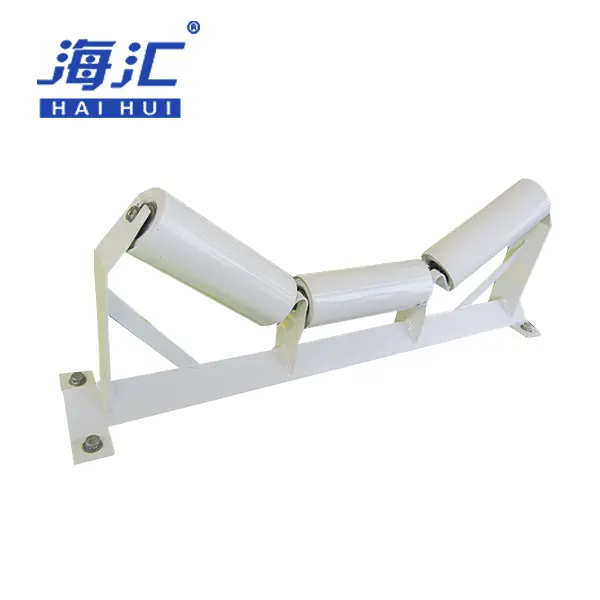
5. Каковы признаки того, что возвратный ролик выходит из строя?
Операторам следует обращать внимание на следующие распространенные предупреждающие признаки:
| Предупреждающий знак | Обозначает | Действие |
|---|---|---|
| Возвратный ролик не вращается свободно | Повреждение подшипника или уплотнения | Немедленно заменить |
| Необычный шум (визг или скрежет) | Отказ подшипника или работа подшипника всухую | Заменить или повторно смазать |
| Чрезмерная вибрация | Дисбаланс или износ подшипников | Заменить |
| Повреждение трубки (износ или царапины) | Износ материала или несоосность | Заменить |
| Высокая температура (выше 60 °C) | Выход из строя подшипника или уплотнения | Проверить и заменить |
| Проблемы с выравниванием ремня | Один или несколько заклинившихся обратных роликов | Найти и заменить |
Заклинивание обратного ролика не сопровождается появлением предупреждающего индикатора. Оно проявляется в виде повреждения ленты и рассыпания материала.
6. Как покупатели могут максимально увеличить долгосрочную ценность возвратных роликов?
При покупке возвратных роликов покупателям следует учитывать не только стоимость приобретения, но и совокупную стоимость владения.
6.1 Критерии отбора
| Оценочный коэффициент | Значение |
|---|---|
| Толщина стенки трубы | Определяет грузоподъемность и прогиб |
| Марка и класс подшипника | Влияет на срок службы |
| Конструкция уплотнения | Определяет устойчивость к загрязнению |
| Покрытия и защита от коррозии | Продлевает срок службы труб |
| Качество производства | Снижает вероятность преждевременных отказов |
| Протоколы испытаний | Проверяет заявления о качестве |
6.2 Сравнение затрат
| Фактор затрат | Влияние на общую стоимость |
|---|---|
| Первоначальная покупная цена | Как правило, 10–20% от общей стоимости |
| Работы по установке | 5-10% от общей стоимости |
| Техническое обслуживание и ремонт | 30-50% от общей стоимости |
| Затраты, связанные с простоями | Часто превышает совокупную сумму всех остальных затрат |
Обратный валик, который стоит в два раза дороже, но служит в три раза дольше, в конечном итоге обходится дешевле.
7. Заключение
Срок службы обратного ролика зависит от условий эксплуатации, нагрузки, методов технического обслуживания и качества изготовления. Подшипники и уплотнения являются наиболее важными компонентами, определяющими долговечность обратного ролика. Регулярные осмотры, очистка и своевременная замена позволяют снизить количество отказов и продлить срок службы.
Компания «Хайхуэй» обслуживает предприятия тяжелой промышленности, в том числе бумажные фабрики, металлургические предприятия, угольные и сталелитейные комбинаты, горнодобывающие предприятия, электростанции, гидроэлектростанции, химические заводы, предприятия легкой промышленности, порты, цементные заводы и нефтяные предприятия. Наши обратные ролики предназначены для стационарного промышленного применения — а не для переносных систем или конвейеров малой грузоподъемности, используемых на складах или в розничной торговле.
8. Часто задаваемые вопросы
1. Что такое опорный валик?
Возвратный ролик поддерживает пустую ленту на обратной стороне ленточного конвейера. Он предотвращает провисание ленты и способствует поддержанию правильного хода ленты.
2. Каков типичный срок службы возвратного ролика?
Срок службы обратных роликов в нормальных условиях эксплуатации обычно составляет от 20 000 до 50 000 часов (от 2,5 до 6 лет). Срок службы зависит от нагрузки, условий эксплуатации, технического обслуживания и качества изготовления.
3. Какие факторы в наибольшей степени влияют на срок службы обратного ролика?
К основным факторам относятся условия окружающей среды, нагрузка, скорость ленты, ударные нагрузки, конструкция уплотнений, качество подшипников и методы технического обслуживания.
4. Каковы наиболее распространённые виды отказов возвратных роликов?
К числу распространенных неисправностей относятся заклинивание подшипников (в результате попадания пыли или нарушения смазки), износ труб, повреждение уплотнений и коррозия.
5. Как уплотнения влияют на срок службы обратного ролика?
Уплотнения предотвращают попадание пыли и влаги в полость подшипника. При выходе уплотнений из строя подшипники выходят из строя. Правильный выбор уплотнений имеет решающее значение для долговечности возвратных роликов.
6. Какие меры по техническому обслуживанию позволяют продлить срок службы возвратного ролика?
Регулярные осмотры, очистка, проверка ротации, контроль температуры и своевременная замена позволяют продлить срок службы возвратного ролика.
7. Какие признаки указывают на то, что возвращающий ролик выходит из строя?
К признакам относятся: затруднения при поворотах, необычные шумы, чрезмерная вибрация, повреждения трубок, перегрев и проблемы с выравниванием ремня.
8. Как выбрать подходящий обратный ролик для моего случая применения?
Необходимо учитывать нагрузку, скорость ленты, условия эксплуатации, требуемый срок службы, тип уплотнения, класс подшипника и толщину трубы.
9. В каких отраслях работает компания «Хайхуэй»?
Компания «Хайхуэй» поставляет обратные ролики для бумажных фабрик, металлургии, угольной, сталелитейной и горнодобывающей промышленности, электростанций, гидроэлектростанций, химических заводов, легкой промышленности, портов, цементных заводов и нефтяной промышленности.
10. Поставляете ли вы переносные или маломощные обратные ролики?
Нет. Компания «Хайхуэй» специализируется на производстве прочных промышленных обратных роликов для стационарных установок. Мы не поставляем переносные системы или конвейеры малой грузоподъёмности, используемые на складах или в розничной торговле.
9. Список литературы
- Отчеты о внутренних испытаниях и полевые данные компании «Хайхуэй» (2020–2026 гг.)
- Стандарт CEMA № 502 — Выбор опорных роликов для ленточных конвейеров, транспортирующих сыпучие материалы
- MT/T 821-2006 — Технические условия на роликовые опоры ленточных конвейеров для угольных шахт
- DIN 22112 – Ленточные конвейеры – Опорные ролики – Размеры и технические требования
- GB/T 10595-2017 – Ленточные конвейеры
- Технические характеристики производителей подшипников (HRB, ZWZ, SKF, NSK)
- Технические условия на уплотнители и смазочные материалы — Стандартные отраслевые методы испытаний
- Отчеты о выездном обслуживании на объектах клиентов компании «Хайхуэй» (2020–2026 гг.)
 English
 العربية
 Português do Brasil
 Русский
 Español