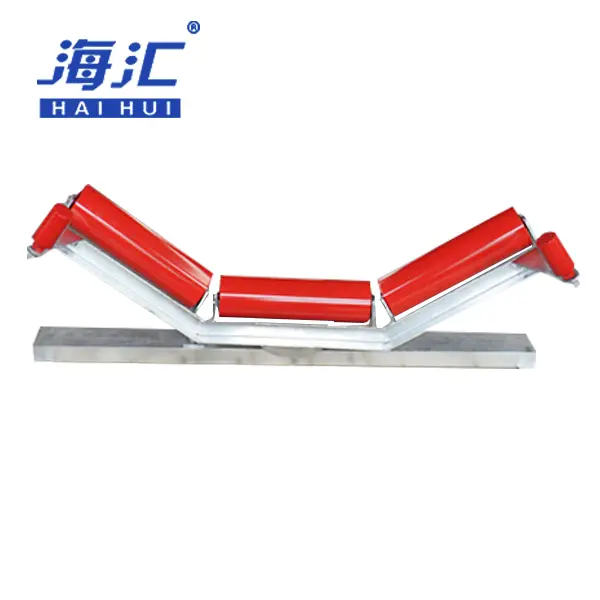
Верхний направляющий ролик для ленточного конвейера: типы и области применения
- 5 основных функций направляющего ролика ленточного конвейера
- Основные типы направляющих роликов для ленточных конвейеров
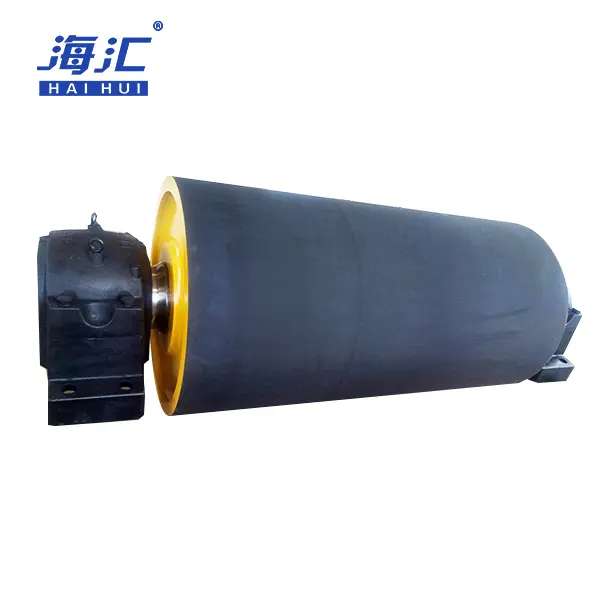
- Конический направляющий ролик (универсальный тип)
- Изогнутый направляющий ролик (специальный токарный тип)
- Высокопрочный направляющий ролик для горнодобывающей промышленности (для работы в суровых условиях)
- Направляющий ролик с резиновым покрытием (тип «Защита ремня»)
- Направляющий ролик из нержавеющей стали (чистый антикоррозионный тип)
- Регулируемый направляющий ролик (гибкий, изготовленный по индивидуальному заказу)
- Таблица сравнения параметров направляющих роликов и сценариев их применения
- Стандарты контроля качества и испытаний направляющих роликов
- Распространенные ошибки при отборе кандидатов и подборе персонала на месте
- Пошаговое руководство по научному отбору
- Часто задаваемые вопросы
- Haihui — индивидуальные решения и техническая поддержка
- Ссылки
Если на вашей конвейерной линии продолжают использовать малоточные комплектующие, универсальные направляющий ролик для ленточного конвейера Агрегаты являются скрытым «узким местом». Более высокая стабильность работы конвейера — меньше внеплановых простоев. И точка.
Результаты исследования мирового рынка компонентов для конвейеров подтверждают, что спрос на промышленные ленточные конвейеры будет стабильно расти до 2026 года благодаря спросу со стороны горнодобывающей промышленности, портовой логистики и автоматизированного производства, где требуются надежные системы предотвращения отклонения ленты [1].
Это давление ложится на плечи ваших подразделений по техническому обслуживанию оборудования и снабжению, где даже одна партия роликов, не соответствующая требованиям, может привести к постоянному износу ленты, частым остановкам и росту эксплуатационных расходов. Всегда выбирайте направляющие ролики, разработанные с учетом конкретных условий эксплуатации.
5 основных функций направляющего ролика ленточного конвейера
Направляющий ролик для ленточного конвейера
Направляющие ролики для ленточных конвейеров — это не просто вспомогательные детали. В работе конвейерной линии каждый конструктивный элемент определяет точность следования ленты по трассе, потери на трение и долгосрочную стабильность системы. От конструкции с конической кривизной до герметичной конструкции подшипников — профессиональный инженерный подход обеспечивает высокое качество направляющих роликов для ленточных конвейеров, делая их надежными при постоянной нагрузке и вибрации. Ниже приведены пять основных функций, которым промышленные покупатели уделяют первостепенное внимание перед размещением крупных заказов и модернизацией оборудования.
Точное отслеживание положения ремня и коррекция отклонений
При выборе направляющего ролика для ленточного конвейера способность к активной коррекции определяет стабильность работы.
Основной принцип работы: конический градиент и дуговая форма для пассивного автоматического центрирования [2]
- Предотвращает боковое смещение ремня
- Снижает односторонние потери на трение
В конвейерных линиях с большими расстояниями и высокой скоростью коррекция осуществляется следующим образом:
Стабильность слежения
- Проектирование конструкций с градиентом
- Обеспечивает автоматическую регулировку натяжения во время работы ремня
- Обеспечивает движение ремня по центральной дорожке
Показатели эффективности контроля отклонений
- Приспосабливается к вибрации и неравномерной подаче материала
- Снижает трение по краям и риск разрыва ремня
Стандартные направляющие ролики не способны адаптироваться к динамическим изменениям смещения. Высокоточный направляющий ролик для ленточного конвейера производства компании «Хайхуэй» изготовлен методом цельной конической формовки, что обеспечивает стабильную чувствительность коррекции в течение длительного непрерывного эксплуатационного периода, что имеет решающее значение для линий тяжелого назначения в горнодобывающей промышленности и портах.
Боковое ограничение и позиционирование с защитой от разлива
В условиях реальной эксплуатации конвейера даже незначительное боковое смещение может легко привести к разбрасыванию материала и создать угрозу безопасности работы.
Проектирование ограничительных конструкций
- Симметричная боковая ограничительная конструкция ограничивает диапазон поперечного перемещения ремня
- Стабилизирует положение при движении на наклонных и криволинейных конвейерах
Практическая ценность на месте
- Предотвращает просыпание сыпучих материалов, вызванное смещением ленты
- Снижает трудозатраты на ручную уборку и сокращает отходы материалов
В случае циркуляционных линий с замкнутым контуром и конвейеров с многоугловыми поворотами функция позиционирования в предельных положениях напрямую определяет эффективность работы. Компания «Хайхуэй» оптимизирует предельные значения высоты и угла поворота в зависимости от ширины ленты, обеспечивая отсутствие помех и отклонений при работе во всех режимах.
Снижение трения и энергосберегающий режим работы
Потребление энергии ленточными конвейерами в основном обусловлено трением скольжения между лентой и сопутствующим оборудованием.
Система вращения с низким сопротивлением
- Высокоточные герметичные подшипники снижают сопротивление вращению
- Гладкая полированная поверхность устраняет трение скольжения
Эксплуатационные преимущества
- Снижает нагрузку на двигатель и потребление энергии
- Обеспечивает длительную стабильную работу с низким уровнем шума
Многие стандартные ролики отличаются низкой концентричностью, что приводит к вибрации и увеличению сопротивления при вращении. Направляющие ролики Haihui для ленточных конвейеров изготавливаются с соблюдением строгих допусков на концентричность, что обеспечивает плавное вращение и стабильный эффект энергосбережения на протяжении всего срока службы оборудования.
Защита конструкций и продление срока службы
Постоянное отклонение ленты и трение приводят к необратимому усталостному износу конвейерных стоек, лент и основных узлов.
Механизм буферизации и защиты
- Выдерживает боковое трение ремня
- Буферы гасят вибрацию, возникающую при подаче материала
Долгосрочная ценность
- Снижает износ деталей и частоту их замены
- Продлевает общий срок службы конвейерной системы на 30%–50%
Отраслевые данные свидетельствуют о том, что стандартизированный подбор направляющих роликов позволяет эффективно снизить частоту отказов конвейера более чем на 60% [3]. Инвестиции в высококачественные направляющие ролики — это наиболее экономически эффективный способ обеспечить стабильную работу конвейера.
Адаптация к окружающей среде и антивозрастные процедуры
В различных промышленных условиях к направляющим роликам предъявляются жесткие требования в отношении окружающей среды, включая высокую запыленность, высокую влажность и коррозионно-агрессивные среды.
Проектирование с учетом адаптивности к условиям окружающей среды
- Многослойная герметизирующая конструкция для защиты от пыли и влаги
- Варианты антикоррозионного покрытия и материалов из нержавеющей стали
Стабильный выход
- Предотвращает заклинивание подшипников и остановку роликов в суровых условиях эксплуатации
- Обеспечивает стабильные эксплуатационные характеристики в течение длительного срока службы
Компания «Хайхуэй» разрабатывает специализированные конструктивные и материальные решения с учетом особенностей конкретных условий эксплуатации, обеспечивая надежную работу направляющих роликов ленточных конвейеров в горнодобывающей, химической и пищевой промышленности, а также в условиях открытого воздуха.
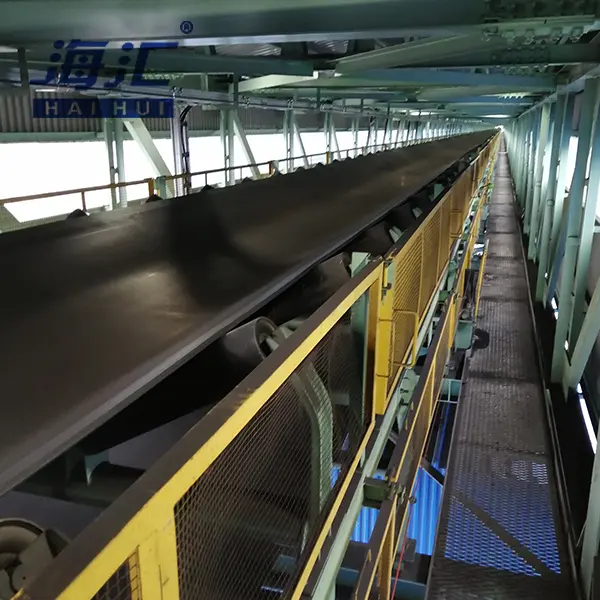
Основные типы направляющих роликов для ленточных конвейеров
Направляющий ролик для ленточного конвейера
Не все направляющие ролики для ленточных конвейеров подходят для любых условий эксплуатации. Слепое универсальное применение приводит к низкой эффективности коррекции, быстрому износу и частым поломкам. В зависимости от конструкции, материалов и сферы применения промышленные направляющие ролики подразделяются на шесть основных типов, каждый из которых имеет собственное позиционирование по эксплуатационным характеристикам и логику подбора для конкретных промышленных условий.
Конический направляющий ролик (универсальный тип)
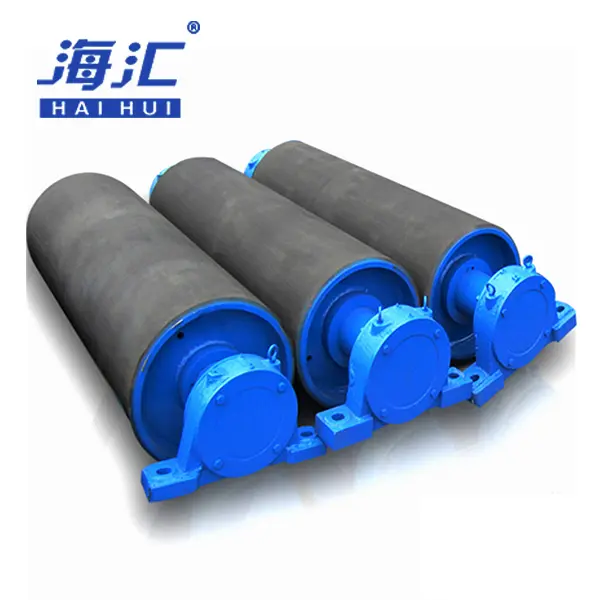
Конический направляющий ролик — это наиболее широко используемая универсальная модель, подходящая для большинства обычных конвейерных линий с малой и средней нагрузкой.
Основные преимущества
- Симметричная коническая интегрированная формовка, автоматическая центрировка и пассивная коррекция
- Равномерное напряжение, плавное вращение, чувствительная реакция
Возможные сценарии
Производственные конвейерные линии, сортировочные конвейеры в логистике, конвейерные системы малой грузоподъёмности для пищевой промышленности
Характеристики производительности
Экономичность, низкий уровень шума, стабильная работа, отсутствие необходимости в частом техническом обслуживании. Это стандартный сменный узел для ежедневного технического обслуживания конвейера.
Изогнутый направляющий ролик (специальный токарный тип)
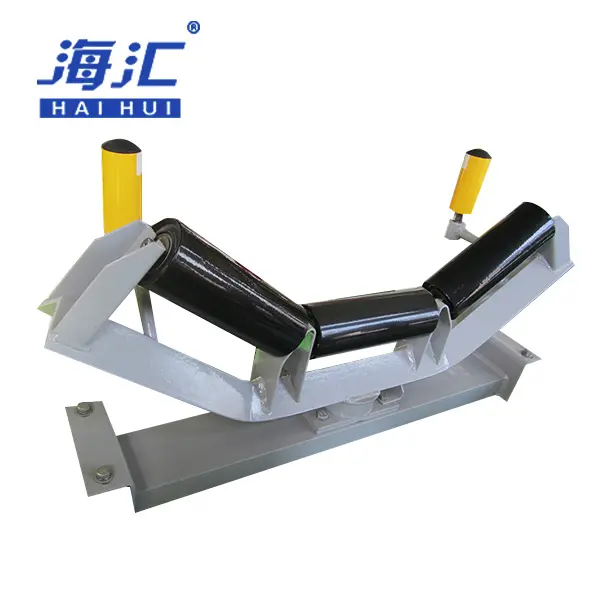
Изогнутый направляющий ролик специально разработан для криволинейных конвейеров и циркуляционных линий с замкнутым контуром, что позволяет решить проблему сложной корректировки отклонения при повороте ленты.
Основные преимущества
- Конструкция с интегральным дуговым переходом, идеально соответствующая радиусу поворота ремня
- Отсутствие острых углов, что позволяет избежать царапин на ремне и локальной концентрации напряжений
Возможные сценарии
Многоугольные поворотные конвейеры, производственные линии с замкнутым циклом, конвейерное оборудование для цехов с ограниченным пространством
Характеристики производительности
Высокая адаптивность к дорожному покрытию, стабильный предельный эффект, позволяющий эффективно устранять частые отклонения поворотных ремней.
Высокопрочный направляющий ролик для горнодобывающей промышленности (для работы в суровых условиях)
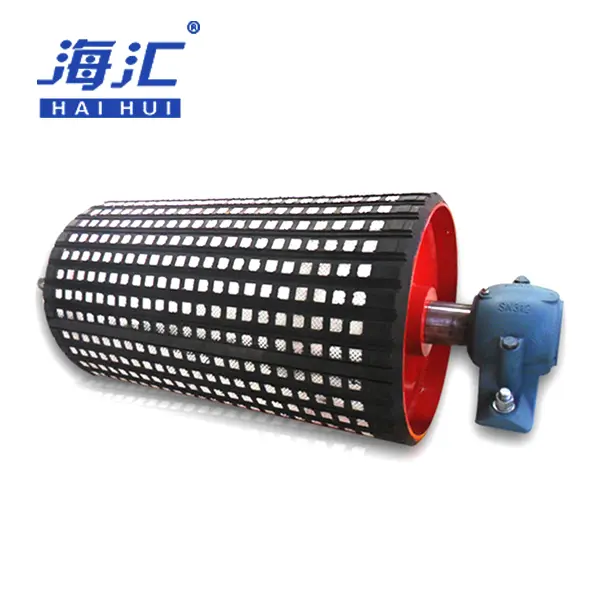
Направляющий ролик для тяжелых условий эксплуатации в горнодобывающей промышленности имеет усиленную конструкцию, что позволяет ему выдерживать высокие нагрузки, работу в условиях повышенной запыленности и сильных ударов, характерных для таких суровых условий эксплуатации, как шахты, порты и цементные заводы.
Основные преимущества
- Уплотнённая матрица из легированной стали, высокая ударопрочность и стойкость к давлению
- Многослойная герметизирующая конструкция, обеспечивающая защиту от пыли, влаги и коррозии
Возможные сценарии
Транспортировка сыпучих материалов на горнодобывающих предприятиях, портовые линии погрузки и разгрузки, высокопроизводительные конвейерные системы для строительных материалов
Характеристики производительности
Сверхвысокая износостойкость, длительный срок службы, низкий уровень отказов в суровых условиях эксплуатации, что позволяет сократить количество остановок для технического обслуживания.
Направляющий ролик с резиновым покрытием (тип «Защита ремня»)
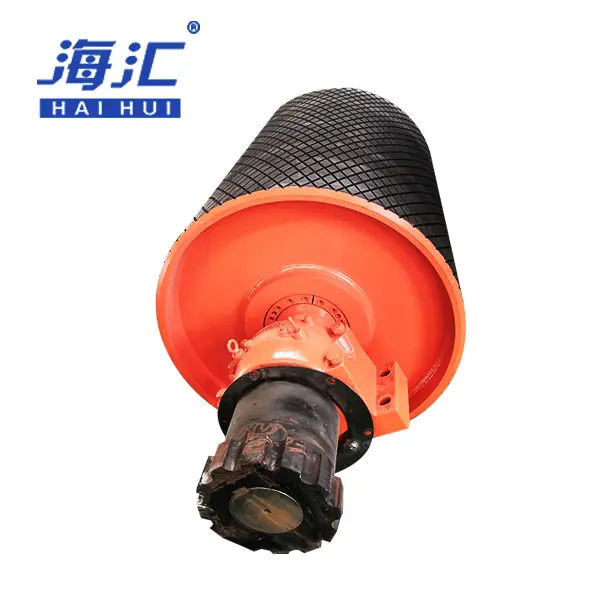
Направляющий ролик с резиновым покрытием предназначен в первую очередь для защиты ремня: на металлическую поверхность нанесен высокоэластичный слой резины, устойчивый к старению, что позволяет избежать повреждений ремня в результате сильного трения.
Основные преимущества
- Резиновая поверхность с высоким коэффициентом трения усиливает противоскользящий эффект
- Амортизация ударов, эффективно снижающая износ ремня
Возможные сценарии
Транспортировка электронных прецизионных деталей, транспортировка продуктов в легкой упаковке, линии транспортировки хрупких материалов
Характеристики производительности
Не повреждает ремень, отличается низким уровнем шума, обладает противоскользящими и амортизирующими свойствами, что значительно продлевает срок службы легких ремней.
Направляющий ролик из нержавеющей стали (чистый антикоррозионный тип)
В направляющих роликах из нержавеющей стали используется нержавеющая сталь марки 304/316, предназначенная для пищевой и промышленной отраслей, что позволяет решить проблемы ржавчины и коррозии во влажных и агрессивных средах.
Основные преимущества
- Цельная конструкция из нержавеющей стали, не подверженная ржавчине и окислению
- Гладкая поверхность, легко моется, не оставляет следов грязи
Возможные сценарии
Чистые цеха пищевой и фармацевтической промышленности, транспортировка химических коррозионных веществ, оборудование для эксплуатации во влажной внешней среде
Характеристики производительности
Обладает антикоррозионными свойствами, устойчива к высоким температурам, чистая и гигиеничная, соответствует промышленным стандартам чистого производства.
Регулируемый направляющий ролик (гибкий, изготовленный по индивидуальному заказу)
Регулируемый направляющий ролик обеспечивает точную настройку угла и положения, позволяя адаптироваться к изменяющимся условиям работы и оборудованию с лентами различных типоразмеров.
Основные преимущества
- Конструкция для точной регулировки фиксации, позиционирование под произвольным углом
- Широкие возможности адаптации к различной ширине ремней и углам смещения
Возможные сценарии
Мультимодельные смешанные производственные линии, технологическое оборудование, требующее частых настроек, линии с нестабильной работой конвейерных лент
Характеристики производительности
Высокая гибкость, однократная установка и возможность адаптации к различным сценариям, что позволяет сократить затраты на модификацию оборудования.
Таблица сравнения параметров направляющих роликов и сценариев их применения
Правильный выбор направляющего ролика для ленточного конвейера зависит от четкого соответствия параметров. В приведенной ниже таблице представлены основные эксплуатационные характеристики, материалы и области применения всех основных моделей, что поможет покупателям быстро и точно определиться с выбором и избежать убытков, связанных с несоответствием параметров.
| Тип ролика | Основные показатели эффективности | Основной материал | Применимые условия эксплуатации | Преимущество в сроке службы |
|---|---|---|---|---|
| Конический направляющий ролик | Автоматическая центровка, точная корректировка | Обычная углеродистая сталь | Обычные конвейеры для легких и средних нагрузок | Стабильная ежедневная работа, минимальные затраты на техническое обслуживание |
| Изогнутый направляющий ролик | Крепление для криволинейного рельса, не оставляющее царапин на ремне | Высокоточная углеродистая сталь | Поворотные и конвейерные линии с замкнутым контуром | Долгосрочная стабильная работа токарного станка |
| Ролик для тяжелых условий эксплуатации в горнодобывающей промышленности | Ударопрочный, пыленепроницаемый, коррозионно-стойкий | Утолщённая легированная сталь | Тяжёлые условия эксплуатации на шахтах, в портах и при работе со строительными материалами | Сверхдлительный срок службы в сложных условиях эксплуатации |
| Направляющий ролик с резиновым покрытием | Противоскользящий буфер, защита ремня | Углеродистая сталь + резина с защитой от старения | Точная транспортировка хрупких материалов | Эффективно продлить срок службы ремня |
| Направляющий ролик из нержавеющей стали | Антикоррозионный, чистый и гигиеничный | Нержавеющая сталь 304/316 | Чистая мастерская и коррозионная среда | Отсутствие ржавчины, стабильная работа в течение длительного времени |
| Регулируемый направляющий ролик | Гибкая регулировка угла наклона, широкие возможности адаптации | Высокопрочная углеродистая сталь | Гибкие технологические процессы и смешанные производственные линии | Возможность повторного использования в различных сценариях, низкие затраты на модификацию |
Все направляющие ролики Haihui для ленточных конвейеров изготавливаются в строгом соответствии с отраслевыми стандартами GB/T 10595-2019 [4] и могут быть индивидуально адаптированы по размерам, углу наклона и конструкции с учетом параметров оборудования на объекте.
Стандарты контроля качества и испытаний направляющих роликов
Направляющий ролик для ленточного конвейера
При оптовых закупках и подборе оборудования на длительный срок соблюдение стандартов качества и проведение стандартизированных испытаний являются основными гарантиями стабильной работы. Качество направляющих роликов для ленточных конвейеров нельзя оценивать исключительно визуально; они должны пройти многоаспектные стандартизированные испытания и сертификацию.
Соответствие требованиям ISO и отраслевым стандартам
Производство промышленных направляющих роликов должно осуществляться в соответствии с международными и национальными отраслевыми стандартами, чтобы обеспечить их применимость в различных условиях и соответствие рыночным требованиям.
- Соблюдать требования стандарта ISO 12100 по проектированию средств механической безопасности [5]
- Соблюдайте технические требования к ленточным конвейерам, изложенные в стандарте GB/T 10595-2019
- Соблюдать требования стандарта DIN 22107 в отношении конструкции и калибровки размеров конвейерных роликов [6]
- Пройти сертификацию системы менеджмента качества по стандарту ISO 9001
Стандартизированное соответствие требованиям гарантирует, что направляющие ролики Haihui подходят как для использования в отечественной промышленности, так и для экспорта за рубеж, при этом имеется полный комплект сертификационных документов, необходимых для проверки и аудита со стороны заказчика.
Система тщательного тестирования производительности
Компания «Хайхуэй» применяет многоступенчатую процедуру контроля качества к каждой партии направляющих роликов для ленточных конвейеров с целью исключения бракованной продукции.
Основные элементы тестирования и стандарты
| Тип теста | Стандартный параметр | Стандарт приемки | Цель тестирования |
|---|---|---|---|
| Испытание на сопротивление вращению | Сопротивление вращению без нагрузки | ≤3N | Обеспечить энергосберегающий режим работы с низким сопротивлением |
| Испытание на допуск концентричности | Биение корпуса ролика | ≤0,2 мм | Избегайте пульсаций вращения и отклонения ремня |
| Испытание на коррозию в солевом тумане | Продолжительность непрерывного распыления | ≥72 ч без ржавчины | Проверить антикоррозионные характеристики |
| Испытание на нагрузочное воздействие | Статическое и динамическое давление нагрузки | Отсутствие деформации или заклинивания | Убедиться в конструктивной устойчивости |
| Испытание герметичности | Защита от пыли и влаги | Нулевое внутреннее загрязнение | Продлить срок службы подшипников |
Отслеживание партий и контроль качества
Компания «Хайхуэй» внедряет комплексную систему отслеживания партий направляющих роликов для ленточных конвейеров:
- Уникальная маркировка каждой производственной партии
- Архивирование информации о поставщиках сырья и протоколов проверок
- Полная документация по производственным параметрам и данным испытаний на всех этапах технологического процесса
- Быстрая отслеживаемость и гарантийное обслуживание
Такой систематический подход к контролю качества обеспечивает стабильные эксплуатационные характеристики каждой партии продукции, позволяя избежать различий в качестве между партиями, с которыми сталкивается большинство мелких производителей.
Распространенные ошибки при отборе кандидатов и подборе персонала на месте
Направляющий ролик для ленточного конвейера
Большинство сбоев в работе конвейеров вызвано не проблемами с качеством оборудования, а неправильным подбором направляющих роликов. Анализ типичных случаев неправильного подбора поможет предприятиям избежать ненужных простоев и затрат на техническое обслуживание.
Неправильный выбор № 1: Ролики из обычной углеродистой стали для влажных и подверженных коррозии цехов
Направляющие ролики из обычной углеродистой стали подвержены ржавчине и заклиниванию подшипников во влажных и химически агрессивных средах, что приводит к ослаблению корректирующего эффекта и частым отклонениям ленты. Решение: Замените на направляющие ролики из нержавеющей стали марки 304 для обеспечения долговечной защиты от коррозии и стабильной работы.
Неправильный выбор № 2: Ролики для легких нагрузок в системах транспортировки тяжелых грузов на шахтах
Направляющие ролики для легких нагрузок обладают недостаточной прочностью конструкции, легко деформируются под воздействием длительных сильных ударов материала и полностью теряют свою направляющую функцию. Решение: Использовать упрочнённые направляющие ролики повышенной прочности для горнодобывающей промышленности, обладающие ударопрочностью и пыленепроницаемой конструкцией.
Неправильный выбор № 3: Ролики из твердого металла для прецизионных легких ремней
Контакт с твердыми металлическими деталями приводит к появлению царапин на легких ремнях, что ускоряет их износ и повреждение. Решение: Установите направляющие ролики с резиновым покрытием, чтобы защитить ремень и обеспечить стабильность его движения.
Неправильный выбор № 4: Прямые ролики для криволинейных конвейерных линий
Обычные прямые направляющие ролики не подходят для поворотного участка трассы, что приводит к постоянному отклонению ленты на кривых участках. Решение: Для всех конвейерных линий с поворотами требуются профессиональные изогнутые направляющие ролики.
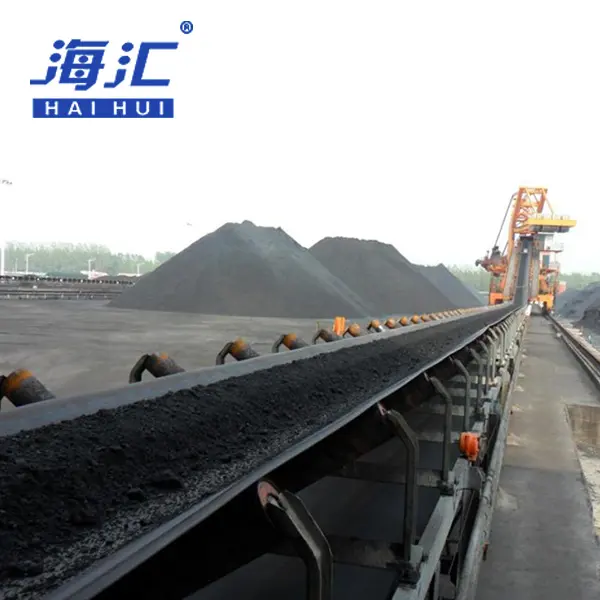
Пошаговое руководство по научному отбору
Направляющий ролик для ленточного конвейера
Научный подбор направляющего ролика для ленточного конвейера не основывается исключительно на опыте, а требует всестороннего учета технических характеристик оборудования, условий эксплуатации и эксплуатационных требований. Приведенный ниже пятиэтапный метод подбора помогает покупателям добиться идеального соответствия.
Шаг 1: Подтвердите основные параметры конвейера
Уточните ширину ленты, скорость транспортировки, тип оборудования (горизонтальное/наклонное/криволинейное) и суточное количество часов работы, чтобы определить технические характеристики роликов и тип конструкции.
Шаг 2: Оценка нагрузки и характеристик материала
Разграничьте легкие материалы и тяжелые сыпучие материалы, определите величину ударной нагрузки и выберите модели роликов для легких, средних или тяжелых условий эксплуатации.
Шаг 3: Обеспечить соответствие условиям окружающей среды на объекте
Для шахт с повышенной запыленностью следует выбирать пылезащищенные модели повышенной прочности, для влажных и подверженных коррозии цехов — модели из нержавеющей стали, а для чистых линий точного производства — модели с резиновым покрытием.
Шаг 4: Определение функциональной ориентации спроса
Для обычных прямых линий выбирайте конические универсальные модели, для поворотных линий — изогнутые специальные модели, а для технологического оборудования с переменными параметрами — регулируемые модели.
Шаг 5: Проверьте возможности производителя по индивидуальной настройке
Отдавайте предпочтение производителям, обладающим обширным опытом в области индивидуализации продукции, которые могут адаптировать размер роликов, угол наклона и материал в соответствии с параметрами конкретного оборудования для обеспечения идеальной совместимости.
Часто задаваемые вопросы
1. В чём заключается основная функция направляющего ролика ленточного конвейера?
К основным функциям относятся автоматическая коррекция отклонения ленты, защита от высыпания груза за пределы конвейера, снижение рабочего трения и шума, а также защита конвейерной ленты и каркасной конструкции. Это ключевой вспомогательный узел, обеспечивающий долгосрочную стабильную работу ленточных конвейеров.
2. Как выбрать направляющие ролики для конвейерных линий, предназначенных для эксплуатации в тяжелых условиях на шахтах?
Условия эксплуатации на шахте требуют использования усиленных направляющих роликов из легированной стали с многослойной пылезащитной и уплотнительной конструкцией. Изделия должны обладать превосходной ударопрочностью, износостойкостью и коррозионной стойкостью, чтобы выдерживать длительную эксплуатацию в условиях высоких нагрузок и повышенной запыленности.
3. Необходимы ли направляющие ролики из нержавеющей стали для пищевых цехов?
Да. В чистых цехах пищевой и фармацевтической промышленности действуют строгие гигиенические требования. Направляющие ролики из нержавеющей стали легко очищаются, не подвержены коррозии и не оставляют следов загрязнений, что позволяет им полностью соответствовать стандартам чистого производства и исключить риск загрязнения сырья.
4. Каковы основные причины выхода из строя направляющих роликов?
К основным причинам выхода из строя относятся несоответствие модели условиям эксплуатации, ненадлежащая герметичность, приводящая к проникновению пыли и влаги, длительная эксплуатация в режиме перегрузки, а также коррозия под воздействием окружающей среды. Правильный подбор оборудования и регулярное техническое обслуживание позволяют эффективно снизить частоту отказов.
5. Можно ли использовать различные типы направляющих роликов в комбинации?
Безусловно. В сложных конвейерных линиях можно применять комбинированную схему: конические ролики для прямых участков, криволинейные ролики для поворотных участков и регулируемые ролики для участков с изменяемыми технологическими параметрами, что позволяет обеспечить стабильное ведение и коррекцию движения по всей длине трассы.
Haihui — индивидуальные решения и техническая поддержка
Направляющий ролик для ленточного конвейера
Стандартные направляющие ролики с единой спецификацией не могут в полной мере адаптироваться к сложным и изменчивым промышленным условиям эксплуатации. Неправильный подбор приводит к снижению эффективности работы и увеличению затрат на техническое обслуживание. Являясь профессиональным производителем компонентов для конвейеров, компания «Хайхуэй» уделяет особое внимание точному подбору направляющих роликов для ленточных конвейеров с учетом конкретных условий эксплуатации и их индивидуальной настройке.
Компания ’Хайхуэй» обладает богатым практическим опытом в таких сферах, как горнодобывающая промышленность, портовая логистика, пищевая и фармацевтическая промышленность, химическая промышленность, а также автоматизированное производство. Наша техническая команда готова подобрать наиболее подходящий тип роликов и оптимизировать конструктивные параметры с учетом состояния оборудования на объекте заказчика, характеристик материала и условий эксплуатации.
Вся продукция компании «Хайхуэй» изготавливается в строгом соответствии с национальными и международными отраслевыми стандартами, отличается стабильным качеством партий, гибкостью в производстве и длительным сроком службы. Мы предоставляем комплексные услуги, включая предпродажную оценку проектов, индивидуальную адаптацию, высокоточное производство, а также послепродажное сопровождение по монтажу и техническую поддержку.
Если у вас возникли затруднения с выбором модели или есть особые требования к адаптации оборудования к условиям эксплуатации, обратитесь к профессиональной технической команде компании «Хайхуй», чтобы получить эксклюзивные направляющий ролик конвейера подходящие решения!
Ссылки
Прогноз развития мирового рынка компонентов для конвейеров до 2026 года — Институт анализа отраслей
GB/T 10595-2019 «Технические требования к ленточным конвейерам» — национальный стандарт Китая
Стандарт ISO 12100 «Проектирование средств механической безопасности» — Международная организация по стандартизации
DIN 22107 «Технические условия на конструкцию конвейерных роликов» — немецкий промышленный стандарт
Исследование эксплуатационных характеристик компонентов конвейеров для тяжелых условий эксплуатации – ResearchGate
Стандарт по испытаниям промышленных роликов на коррозионную стойкость и износостойкость — ASTM International
Руководство по технологиям коррекции отклонений ленточных конвейеров — Глобальная ассоциация по транспортировке материалов
Стандарт гигиены компонентов конвейеров пищевого назначения — Регламент ЕС по безопасности
 English
 العربية
 Português do Brasil
 Русский
 Español