
Rolos transportadores metálicos: vida útil, manutenção e guia de seleção
- 1. Qual é a vida útil típica de um rolo transportador de metal?
- 2. Quais são os fatores que mais influenciam a vida útil dos roletes de transporte de metal?
- 3. Como os rolamentos e as vedações afetam a vida útil dos rolos transportadores de metal?
- 4. Quais práticas de manutenção podem prolongar a vida útil dos roletes metálicos de transportadores?
- 5. Quais são os sinais de alerta de que um rolo transportador de metal está apresentando falha?
- 6. Como os compradores podem maximizar o valor a longo prazo dos roletes de metal para esteiras transportadoras?
- 7. Conclusão
- 8. Perguntas frequentes
- 9. Referências
Os roletes de transporte de metal parecem simples — tubos de aço com rolamentos internos. Mas, quando se movimentam milhares de toneladas de material todos os dias, esses roletes passam a ser o que faz a diferença entre uma operação tranquila e paradas não planejadas. Um rolamento emperrado, um invólucro desgastado ou uma vedação com falha podem transformar uma esteira transportadora confiável em um pesadelo de manutenção.
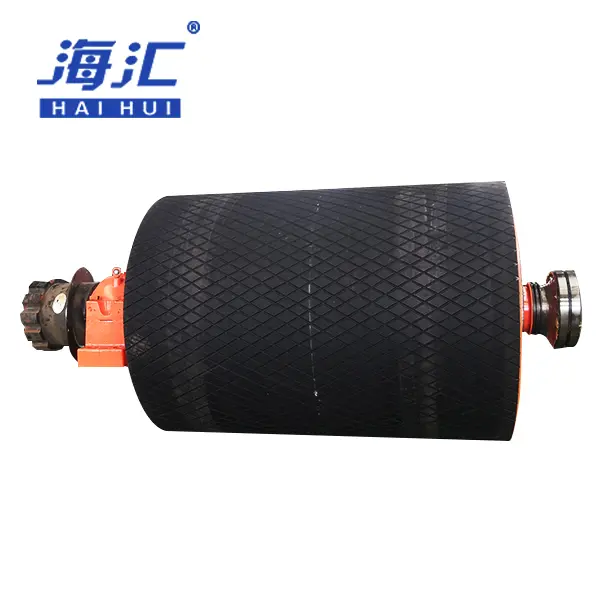
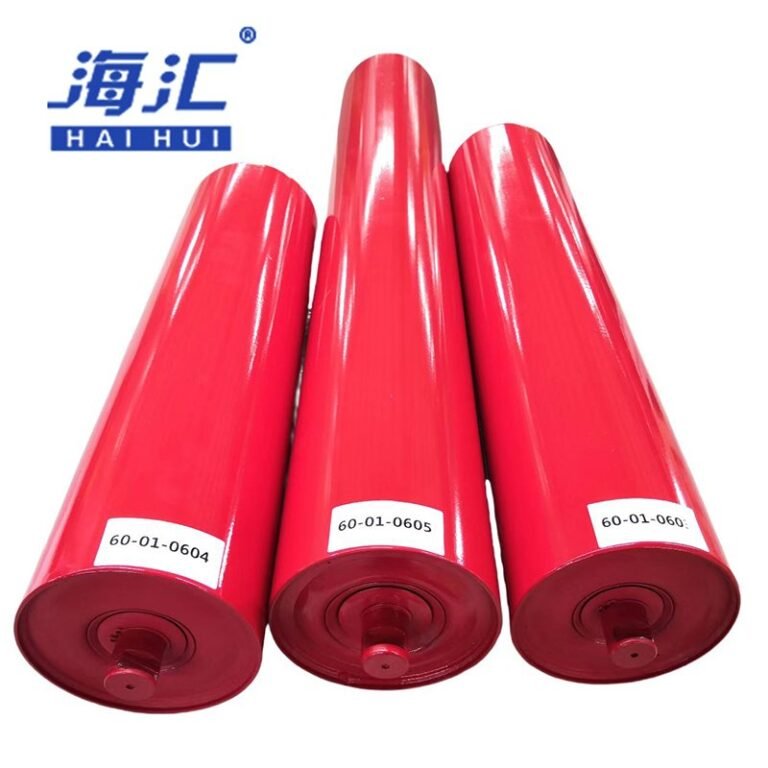
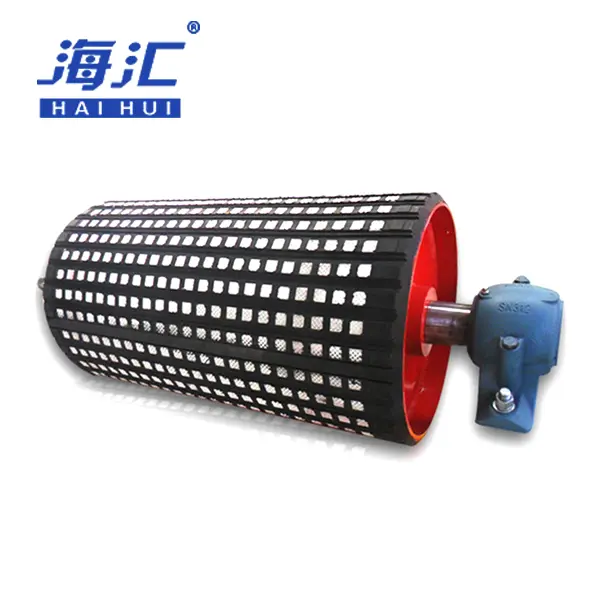
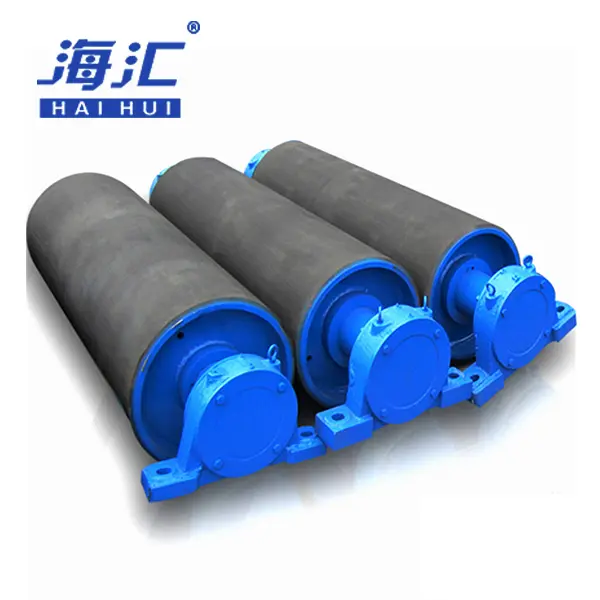
Os engenheiros da Haihui, em 2025, destacam a concentricidade do tubo, a integridade da vedação e a vida útil do rolamento como fundamentos para o desempenho confiável dos rolos transportadores metálicos em ambientes industriais pesados.
1. Qual é a vida útil típica de um rolo transportador de metal?
Os roletes metálicos de transportadores estão entre os componentes mais numerosos nos sistemas de manuseio de materiais a granel. Um único transportador pode ter centenas ou até milhares de roletes que sustentam a correia e a carga. Quando os roletes apresentam falhas, todo o sistema é afetado.
Em condições normais de operação, a vida útil típica de um rolo transportador de metal é de 20.000 a 50.000 horas (aproximadamente 2,5 a 6 anos de operação contínua). Muitos roletes bem projetados, com vedações e rolamentos adequados, podem durar mais tempo, enquanto roletes em ambientes adversos podem apresentar falhas muito mais cedo.
A vida útil depende de vários fatores:
| Condição | Vida útil prevista |
|---|---|
| Ambiente limpo e seco | 40.000 – 60.000 horas |
| Pó e umidade moderados | 25.000 – 40.000 horas |
| Pó intenso, impactos ou condições de umidade | 15.000 – 25.000 horas |
| Abuso grave ou contaminação | Menos de 10.000 horas |
A idade de um rolo não determina seu estado de conservação. Um rolo de três anos em uma fábrica limpa pode durar mais do que um rolo de seis meses em uma mina empoeirada.
2. Quais são os fatores que mais influenciam a vida útil dos roletes de transporte de metal?
Vários fatores influenciam a durabilidade de um rolo transportador de metal. Compreender esses fatores ajuda os operadores a prolongar a vida útil e a reduzir falhas inesperadas.
2.1 Condições ambientais
| Fator | Impacto na vida útil do rolo |
|---|---|
| Pó e areia | Acelera o desgaste dos rolamentos e danifica as vedações |
| Umidade e umidade do ar | Provoca corrosão e degradação do lubrificante |
| Produtos químicos e corrosivos | Danifica vedações, rolamentos e superfícies dos tubos |
| Temperaturas extremas | Afeta a viscosidade do lubrificante e a flexibilidade da vedação |
Um rolo transportador de metal que funciona bem em um armazém limpo pode apresentar falhas em poucos meses em uma pedreira ou fábrica de cimento.
2.2 Condições de carga e operação
| Fator | Impacto |
|---|---|
| Velocidade da correia | Velocidades mais altas aumentam a carga nos rolamentos e a geração de calor |
| Peso do material | Cargas mais pesadas aumentam a tensão nos rolamentos e a deflexão do tubo |
| Forças de impacto | Impactos repetidos danificam as vedações e os rolamentos |
| Horário de funcionamento | A operação contínua acelera todos os modos de falha |
2.3 Qualidade da fabricação
| Fator | Impacto |
|---|---|
| Concentricidade do tubo | Afeta o alinhamento do rolamento e o desempenho da vedação |
| Qualidade do rolamento | Determina a capacidade de carga e a vida útil à fadiga |
| Design do selo | Determina a resistência a contaminantes |
| Qualidade do revestimento | Afeta a resistência à corrosão e a vida útil da superfície |
A diferença entre um rolo transportador de metal que dura cinco anos e outro que dura cinco meses geralmente está nos detalhes do projeto da vedação e na escolha do rolamento.

3. Como os rolamentos e as vedações afetam a vida útil dos rolos transportadores de metal?
Os rolamentos e as vedações são os componentes mais importantes para a durabilidade dos roletes de transporte de metal.
3.1 Seleção de rolamentos
| Fator de rolamento | Impacto na vida útil |
|---|---|
| Capacidade de carga | Deve exceder as cargas radiais reais |
| Liquidação | C3 ou C4 para expansão térmica |
| Lubrificação | Tipo e volume adequados de graxa |
| Qualidade da marca | Desempenho e disponibilidade consistentes |
3.2 Projeto da vedação
| Tipo de vedação | Meio ambiente | Impacto na vida útil |
|---|---|---|
| Labirinto simples | Condições limpas e secas | Moderado |
| Labirinto duplo | Pó moderado | Melhor |
| Labirinto + contato | Ambientes com muita poeira ou lavagem | Superior |
| Vedação tripla | Ambientes úmidos e corrosivos | Máximo |
A vedação é a primeira linha de defesa. Se entrar poeira, o rolamento já está se desgastando.
4. Quais práticas de manutenção podem prolongar a vida útil dos roletes metálicos de transportadores?
A manutenção preventiva é a maneira mais econômica de prolongar a vida útil dos roletes metálicos de transportadores.
4.1 Inspeções de rotina
| Inspeção | Frequência | Objetivo |
|---|---|---|
| Verificação visual | Semanal | Verifique se há danos, ferrugem ou acúmulo de material |
| Verificação de rotação | Mensal | Certifique-se de que os roletes girem livremente |
| Verificação da temperatura | Mensal | Detectar rolamentos com superaquecimento |
| Inspeção de vedação | Trimestral | Verifique se há danos ou desgaste |
4.2 Limpeza e manutenção
| Prática | Benefício |
|---|---|
| Limpar o acúmulo de material | Evita problemas de alinhamento e desgaste irregular |
| Remova a poeira das vedações | Prolonga a vida útil da vedação e do rolamento |
| Remova os resíduos das molduras | Mantém o alinhamento adequado |
| Limpe as superfícies da correia | Reduz a contaminação por partículas abrasivas |
4.3 Prazo para substituição
Substitua os roletes metálicos da esteira transportadora antes que eles quebrem, e não depois. Um rolo emperrado danifica a correia, causa problemas de alinhamento e gera derramamento. A substituição planejada durante a manutenção programada é sempre mais econômica do que a substituição de emergência.

5. Quais são os sinais de alerta de que um rolo transportador de metal está apresentando falha?
Os operadores devem estar atentos a estes sinais de alerta comuns:
| Sinal de alerta | Indica | Ação |
|---|---|---|
| O rolo não gira livremente | Danos no rolamento ou na vedação | Substitua imediatamente |
| Ruído incomum (guincho ou rangido) | Falha no rolamento ou rolamento seco | Substituir ou relubrificar |
| Vibração excessiva | Desequilíbrio ou desgaste dos rolamentos | Substituir |
| Danos no tubo (desgaste ou arranhões) | Abrasão do material ou desalinhamento | Substituir |
| Calor (temperatura acima de 60 °C) | Falha no rolamento ou na vedação | Investigar e substituir |
| Problemas de alinhamento da correia | Um ou mais rolos emperrados | Localizar e substituir |
Um rolo de transporte de metal emperrado não avisa com uma luz de alerta. Ele se manifesta por meio de danos na correia e derramamento de material.
6. Como os compradores podem maximizar o valor a longo prazo dos roletes de metal para esteiras transportadoras?
Ao adquirir roletes metálicos para transportadores, os compradores devem levar em consideração o custo total de propriedade, e não apenas o preço de compra.
6.1 Critérios de seleção
| Fator de avaliação | Importância |
|---|---|
| Espessura da parede do tubo | Determina a capacidade de carga |
| Marca e classe do rolamento | Afeta a vida útil |
| Design do selo | Determina a resistência à contaminação |
| Revestimento e proteção contra corrosão | Prolonga a vida útil do tubo |
| Qualidade de fabricação | Reduz falhas prematuras |
| Relatórios de teste | Verifica as alegações de qualidade |
6.2 Comparação de custos
| Fator de custo | Impacto no custo total |
|---|---|
| Preço inicial de compra | Normalmente, de 10 a 20% do custo total |
| Mão de obra para instalação | 5-10% do custo total |
| Manutenção e reparos | 30-50% do custo total |
| Custos decorrentes de paradas | Muitas vezes, esse valor ultrapassa a soma de todos os outros custos |
Um rolo transportador de metal que custa o dobro, mas dura três vezes mais, acaba saindo mais barato a longo prazo.

7. Conclusão
A vida útil dos roletes de transporte metálicos depende das condições ambientais, da carga, das práticas de manutenção e da qualidade de fabricação. Os rolamentos e as vedações são os componentes mais importantes para a longevidade dos roletes. Inspeções regulares, limpeza e substituição oportuna reduzem as falhas e prolongam a vida útil.
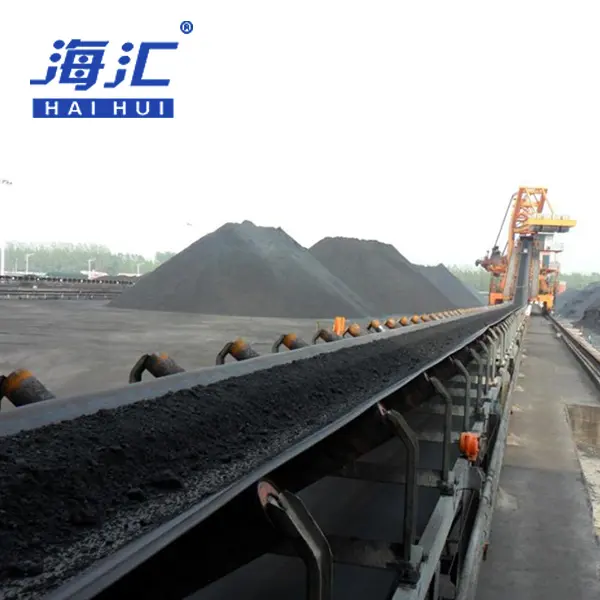
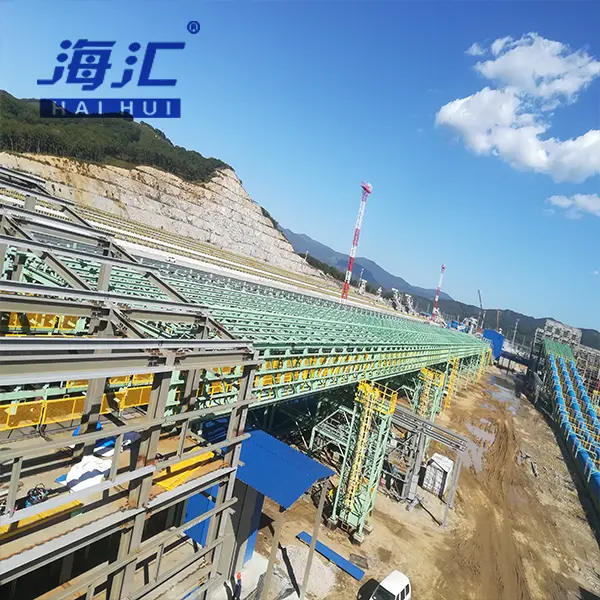
A Haihui atende setores da indústria pesada, incluindo fábricas de papel, metalurgia, carvão, siderurgia, mineração, usinas de energia, usinas hidrelétricas, fábricas de produtos químicos, indústria leve, portos, fábricas de cimento e petróleo. Nossos roletes transportadores de metal são projetados para aplicações industriais fixas — e não para sistemas portáteis ou transportadores de baixa capacidade utilizados em armazéns ou estabelecimentos de varejo.
8. Perguntas frequentes
1. Qual é a vida útil típica de um rolo transportador de metal?
Os roletes metálicos de transportador costumam ter uma vida útil de 20.000 a 50.000 horas (2,5 a 6 anos) em condições normais de operação. A vida útil depende da carga, do ambiente, da manutenção e da qualidade de fabricação.
2. Quais são os fatores que mais afetam a vida útil dos roletes de transporte metálicos?
Os principais fatores são as condições ambientais, a carga, a velocidade da correia, as forças de impacto, o projeto da vedação, a qualidade dos rolamentos e as práticas de manutenção.
3. Quais são os modos de falha mais comuns dos roletes metálicos de transportadores?
As falhas mais comuns incluem o emperramento dos rolamentos (entrada de poeira ou falha na lubrificação), desgaste dos tubos, falha nas vedações e corrosão.
4. Como as vedações afetam a vida útil dos roletes de metal do transportador?
As vedações impedem a entrada de poeira e umidade na cavidade do rolamento. Se as vedações falharem, os rolamentos também falharão. A escolha da vedação é fundamental para a longevidade dos rolos.
5. Quais práticas de manutenção prolongam a vida útil dos roletes de metal dos transportadores?
Inspeções regulares, limpeza, verificações de rotação, monitoramento de temperatura e substituição oportuna prolongam a vida útil dos roletes.
6. Quais são os sinais de alerta que indicam que um rolo metálico de transportador está apresentando falhas?
Os sinais incluem dificuldade para fazer curvas, ruídos incomuns, vibração excessiva, danos no tubo, superaquecimento e problemas de alinhamento da correia.
7. Como escolho o rolo transportador de metal adequado para a minha aplicação?
Leve em consideração a carga, a velocidade da correia, as condições ambientais, a vida útil exigida, o tipo de vedação, a classe do rolamento e a espessura do tubo.
8. Um rolo transportador de metal mais caro dura sempre mais tempo?
Nem sempre, mas os roletes baratos costumam ter vedações, rolamentos e revestimentos de qualidade inferior. O custo total de propriedade é mais importante do que o preço de compra.
9. Quais setores a Haihui atende?
A Haihui fornece roletes transportadores de metal para fábricas de papel, metalurgia, carvão, siderurgia, mineração, usinas de energia, usinas hidrelétricas, fábricas de produtos químicos, indústria leve, portos, fábricas de cimento e petróleo.
10. Vocês fornecem roletes para transportadores portáteis ou para serviços leves?
A Haihui é especializada em roletes transportadores metálicos industriais para serviços pesados, destinados a instalações fixas.
9. Referências
- Relatórios de testes internos e dados de campo da Haihui (2020-2026)
- MT/T 821-2006 – Requisitos técnicos para roletes de transportadores de correia em minas de carvão
- DIN 22112 – Transportadores de correia – Rolos – Dimensões e requisitos técnicos
- Norma CEMA nº 502 – Seleção de roletes para transportadores de correia de materiais a granel
- GB/T 10595-2017 – Transportadores de correia
- Dados técnicos dos fabricantes de rolamentos (HRB, ZWZ, SKF, NSK)
- Especificações para vedações e lubrificantes – Métodos de ensaio padrão da indústria
- Registros de serviços de campo nas instalações dos clientes da Haihui (2020-2026)
 English
 العربية
 Português do Brasil
 Русский
 Español