
Magnetic Pulley Belt Conveyor:Extend Life & Cut Maintenance Cost
- 5 Key Factors When Sourcing Magnetic Pulley Belt Conveyor
- Magnetic Pulley Quality Standards Explained
- Material Traceability: Why It Matters
- Magnetic Pulley Belt Conveyor: International Freight Tips
- OEM vs. Retail Purchase: Pros and Cons
- Magnetic Pulley Sourcing Final Checklist
- FAQs about Magnetic Pulley Belt Conveyor
- References
A magnetic pulley on a belt conveyor doesn’t look dramatic—until it fails to pull tramp metal and suddenly your crusher is eating bolts and your phone is blowing up. For plant managers, one weak magnetic field or undersized pulley can snowball into equipment damage, compliance headaches, and a production hit that takes months to recover from. In a market where tramp metal protection is becoming mandatory, protection mistakes aren’t small potatoes—they’re expensive lessons.
“Field strength isn’t optional,” notes a Haihui senior engineer in a 2025 production briefing. “It’s the line between clean material flow and costly equipment damage.”
This is about sourcing magnetic protection that holds tight under load—magnets, shells, seals, and shipping—so your operation runs smooth and your team sleeps at night.
5 Key Factors When Sourcing Magnetic Pulley Belt Conveyor
Sourcing a magnetic pulley for belt conveyor sounds simple, yet tiny details decide tramp metal capture efficiency and equipment protection. From magnet grade to shell thickness, each choice shapes how your magnetic pulley performs on the line and in real conditions.
Magnet Material Selection: Ceramic vs. Neodymium vs. Samarium Cobalt
When building magnetic pulleys for belt conveyor applications, the magnet system is the heartbeat. Inside every magnetic pulley sits a chain of components that must match your tramp metal profile.
Core components:
- Magnet material (ceramic, neodymium, or samarium cobalt)
- Gauss field strength
- Shell thickness
- Magnetic array layout
Key focus: field strength, capture efficiency, temperature stability
Target: consistent tramp metal removal for mining, aggregate, or recycling
For practical sourcing:
- Confirm operating temperature (neodymium: 80-120°C, samarium cobalt: 250-350°C).
- Verify gauss field strength at the belt surface (2,000-7,000 gauss typical).
- Match shell material (S355 steel or stainless) to application environment.
In production planning for magnetic pulleys:
| Parameter | Ceramic (Ferrite) | Neodymium (NdFeB) | Samarium Cobalt (SmCo) |
|---|---|---|---|
| Field Strength (Gauss) | 2,000-3,000 | 4,000-6,000 | 5,000-7,000 |
| Temp Rating (°C) | 80-100 | 80-120 | 250-350 |
| Capture Efficiency | 80-85% | 95-98% | 96-99% |
| Corrosion Resistance | Moderate | Moderate (coated) | Excellent |
Brands like Haihui fine-tune each design detail so your magnetic pulley doesn’t just remove tramp metal—it does it consistently every shift.
Choosing Shell Material: S355 Steel vs. Stainless Steel
Material choice defines longevity. For magnetic pulleys, S355 steel remains popular because of strength and cost balance. Still, not every environment likes bare steel.
S355 steel shell
- Pros: strength, weldability, cost-effective
- Risk: corrosion in wet or chemical environments
Stainless steel shell (304/316)
- Better resistance for washdown or corrosive applications
- Higher cost but longer service life in aggressive environments
Decision path for magnetic pulleys:
Application Review
- Dry, clean environment → S355 steel
- Wet, muddy, or chemical → stainless steel
Material Comparison
| Material Type | Corrosion Resistance (hrs salt spray) | Typical Use | Cost Index |
|---|---|---|---|
| S355 Steel (coated) | 240-500 | Standard aggregate | 1.0 |
| Stainless 304 | 500-1000 | Food, washdown | 1.8 |
| Stainless 316 | 1000-1500 | Chemical, coastal | 2.2 |
Magnetic pulleys built with the right shell material simply last longer on the line.
Gauss Field Strength and Tramp Metal Capture
The magnetic field does the heavy lifting, so picking the right strength isn’t casual. Field strength must be selected based on tramp metal type and belt speed.
For safe and stable operation:
- Field strength check: Verify gauss reading at belt surface
- Capture efficiency: Test with sample tramp metal pieces
- Belt speed compatibility: Higher speeds require stronger fields
Field Strength Guidelines:
- Ceramic (2,000-3,000 gauss): Moderate protection, ferrous metals only
- Neodymium (4,000-6,000 gauss): High capture efficiency, fine tramp metal
- Samarium Cobalt (5,000-7,000 gauss): Extreme capture, high-temperature applications
A reliable supplier like Haihui evaluates field strength early, reducing tramp metal damage later.
Optimizing Magnetic Array and Field Distribution
Efficient magnetic array design makes or breaks capture performance for magnetic pulleys.
Magnetic array setup:
- Magnet placement ±1mm accuracy
- Alternating pole arrangement for deep field penetration
- Field uniformity across face width
Operational flow for magnetic pulleys:
- Shell fabrication and preparation
- Magnet array placement
- Field uniformity verification
- Final gauss testing
- Coating and sealing
- Final inspection
Higher precision magnetic arrays improve capture efficiency and reduce tramp metal bypass, cutting downtime and keeping material clean.
Ensuring CEMA and DOT Compliance
Compliance isn’t paperwork fluff. For magnetic pulleys, meeting CEMA and DOT rules protects your shipment and your equipment.
Key checkpoints:
- Field strength aligned with application requirements
- Proper UN marking for transport (if hazardous materials present)
- Pressure classification per regulation
Compliance workflow:
- Documentation: Updated test reports on gauss field and capture efficiency
- Regulatory Review: CEMA standards, MSHA safety rules
- Ongoing Monitoring: Annual field strength verification, random capture testing
Working with an experienced manufacturer like Haihui keeps your magnetic pulleys moving across borders without surprise delays.
Magnetic Pulley Quality Standards Explained
Magnetic pulleys used for tramp metal protection need tight quality checks. From gauss field to capture efficiency, every magnetic pulley must maintain field strength, remove tramp metal, and stay stable over time without drama.
Gauss Field Testing for Tramp Metal Capture
For magnetic pulleys, field strength control sits at the core of quality control.
Test methods:
- Gauss meter readings
- Measure field strength at belt surface
- Verify field uniformity across face width
- Check field penetration depth
- Tramp metal capture testing
- Place sample metal on belt
- Verify capture at operating speed
- Measure capture efficiency percentage
Inspection focus:
- Magnet array placement
- Field strength at edges vs. center
- Shell thickness effect on field
In daily production at Haihui, random magnetic pulleys are pulled hourly to confirm field strength standards. Even small pulleys must pass strict field tolerance bands before packing.
Belt Speed and Capture Efficiency Correlation
When charging magnetic pulleys with tramp metal, belt speed affects capture.
Internal validation:
- Measure capture efficiency at operating belt speed
- Track field strength retention under load
- Verify capture at different belt speeds
Safety verification:
- Confirm capture efficiency remains above 90%
- Align with safety standards and regulatory compliance
| Test Condition | Belt Speed (m/s) | Capture Efficiency (%) | Result Status |
|---|---|---|---|
| Light tramp metal | 1.0 | 97 | Pass |
| Light tramp metal | 2.0 | 95 | Pass |
| Heavy tramp metal | 1.0 | 94 | Pass |
| Heavy tramp metal | 2.0 | 90 | Pass |
| Burst Limit | N/A | 85 | Safe Margin |
These benchmarks keep magnetic pulleys stable even under rough operating conditions.
Field Uniformity Analysis
Field uniformity shapes user trust. For magnetic pulleys, consistent field strength and even distribution matter a lot.
- Measure gauss field at multiple points across face width.
- Check field uniformity at belt surface.
- Verify magnet array placement.
If the field feels uneven, capture efficiency drops. That’s why Haihui fine-tunes magnet arrays for magnetic pulleys, making every pass feel clean and reliable.
Batch Consistency and Field Strength Retention
Consistency keeps magnetic pulleys market-ready.
Storage trials
- Monitor field strength retention
- Record demagnetization over time
Aging checks
- Run accelerated aging at elevated temperature
- Compare against real storage conditions
Short-term tests show field strength retention. Long-term reviews confirm magnet stability and set reliable replacement intervals. Sample retention supports ongoing quality assurance, so each magnetic pulley shipped performs just like the one tested months earlier.
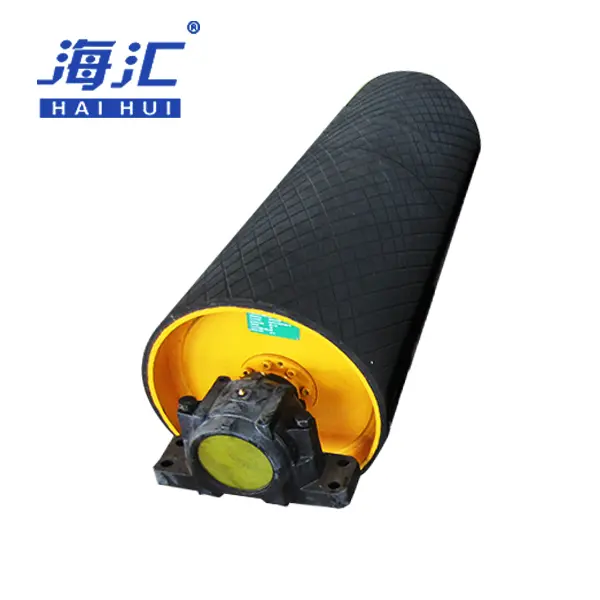
Material Traceability: Why It Matters
When producing magnetic pulleys, skipping traceability is like driving without a seatbelt—fine until it’s not. From raw magnet material to finished magnetic pulleys on the dock, every link counts. Clear records protect product safety, support audits, and keep those magnetic pulleys moving without drama.
Tracking Magnet Material from Supplier to Production Line
For magnetic pulleys, tight traceability starts long before the production line.
Supplier Control
- Magnet supplier approval: Verify magnet grade certifications and gauss field tests.
- Incoming Inspection: Check magnet grade, field strength, and surface condition.
Internal Material Flow
- Magnet Storage: Assign barcode labels linked to the manufacturing process order.
- Array Assembly: Record which magnet batches feed specific magnetic pulley lots.
- Assembly: Tie shell, shaft, and magnet array batches together.
Production Line Linkage
- Digital tracking: Connect magnet batch → work order → pallet ID.
- Recall Readiness: Isolate affected pulleys within minutes, not days.
That’s how magnetic pulleys stay accountable from dock to dispatch.
Documenting Shell and Coating Origins
Coatings matter. A tiny flaw in shell coating can affect field strength and allow corrosion. Shell thickness is vital for maintaining field integrity.
- Keep documentation for every raw material batch.
- Confirm shell thickness and coating type.
- Record the steel substrate source.
For coated shells:
- Batch number
- Coating thickness
- Salt spray test result
Critical checks:
✔ Shell thickness verification
✔ Coating adhesion
✔ Corrosion resistance declaration
In 2025, Grand View Research noted that traceable components are “increasingly demanded by industrial buyers seeking audit transparency and regulatory proof.” That pressure lands squarely on shell and coating records. No paperwork, no trust. Simple as that.
Ensuring REACH Compliance Through Material Certificates
For exporters of magnetic pulleys, REACH compliance is non-negotiable.
Certificate Collection
- From magnet suppliers: updated material certificates, latest material data sheet
- From coating vendors: coating and seal declarations
Substance Verification
- Screen against chemical regulations: SVHC list check, restricted heavy metals review
- Confirm substance safety thresholds
Record Management
- Archive by production batch of magnetic pulleys.
- Link certification to shipment documents.
- Prepare for external audit under EU regulatory standards.
When every magnetic pulley has paperwork backing it up, audits feel routine instead of scary. And that’s the whole point—clean data, clear proof, and magnetic pulleys that pass inspection without breaking a sweat.
Magnetic Pulley Belt Conveyor: International Freight Tips
Shipping magnetic pulleys across borders sounds simple, yet customs, labels, and freight math can trip you up fast. Here’s a practical breakdown to move magnetic pulleys smoothly and keep costs in check.
Navigating Customs for Magnetic Components
When exporting magnetic pulleys, clean documentation keeps customs calm.
Classification basics:
- HS codes for magnetic separators and conveyor components must match product use.
- Check local regulations tied to magnet strength and transport.
Import–export paperwork:
- Commercial invoice
- Packing list
- Bill of lading
- If applicable: magnetic field declaration
Duties and risk control:
- Review duties under current trade agreements.
- Align export declarations with destination import filings.
Brands like Haihui often pre-verify codes before bulk shipping magnetic pulleys, cutting clearance delays.
Packaging Strategies to Prevent Magnet Damage
Magnet damage kills performance. Protect magnetic assemblies early.
Carton structure:
- Double-wall packaging
- Magnetic shielding between units
- Inner dividers for protection
Pallet discipline:
- Heat-treated pallets per ISPM 15 standards
- Corner boards
- Tight strapping
Moisture and motion control:
- Desiccants
- Stretch wrap for damage prevention during sea transport
Magnetic pulleys stacked loose? That’s asking for trouble.
Complying with GHS Labeling for Cross-Border Shipments
For complete magnetic pulley shipments, GHS labeling matters less (no chemicals), but still:
Core labeling elements:
- Product identification
- Manufacturer details
- Weight and dimensions
Cross-border checks:
- Local regulations alignment
- Accurate documentation
Miss one detail and shipments stall.
Cost-Effective Freight: Bulk vs. LCL for Magnetic Pulleys
Freight math drives profit.
Bulk shipping:
- Lower per-unit freight
- Better for dense loads of magnetic pulleys
LCL (Less than Container Load) and consolidation:
- Flexible shipping methods
- Higher risk of handling damage
Decision factors:
- Order volume
- Storage capacity
- Cash flow timing
Haihui often advises matching crate density to container size. Smart logistics planning keeps magnetic pulleys moving without burning cash.
OEM vs. Retail Purchase: Pros and Cons
Choosing between OEM and retail isn’t just about price. It shapes how your magnetic pulleys look, feel, and perform in the real world. From bulk magnetic pulleys for mining to custom units for recycling, the path you take affects cost, speed, and reliability.
OEM Services
When companies source magnetic pulleys through OEM, the focus shifts to control and scale.
Customization options
- Design specifications: custom shell diameter, face width, magnet grade
- Engineering support: field strength optimization, magnet array design
Manufacturing process
- Material sourcing: certified S355 steel, neodymium magnets
- Quality assurance: gauss field testing, capture efficiency verification
Production scale & supply chain
- Production scale: mass runs of magnetic pulleys, seasonal volume planning
- Supply chain management: integrated warehousing, export documentation support
According to McKinsey’s 2025 industrial outlook, customized magnetic separation equipment is driving higher plant reliability in mining and recycling markets.
For companies serious about tramp metal protection, Haihui offers deep supply chain management and tight quality assurance, keeping every magnetic pulley consistent from sample to shipment.
Retail Orders
Retail works differently. It’s quick and simple, great for testing magnetic pulleys without heavy commitment.
- Standardized products ready to ship
- Immediate availability through active distribution channels
- Easy off-the-shelf purchase
- Low minimum order
- Faster shipping logistics
- Clear return policies
Still, limits pop up:
- Product selection sticks to preset sizes
- Custom field strengths? Rare
- Special coatings? Usually not an option
Retail magnetic pulleys fit startups, small plants, and local shops that need tramp metal protection fast. For scaling operations planning long-term growth in mining or recycling, Haihui bridges the gap—starting with trial quantities, then expanding into tailored customization once demand picks up.
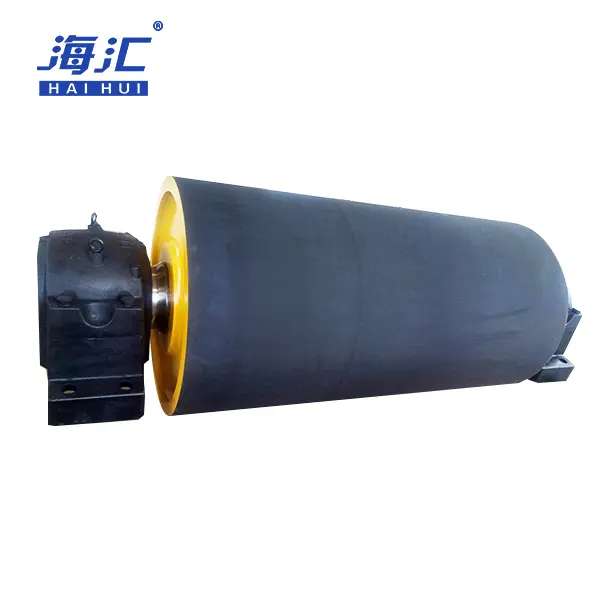
Magnetic Pulley Sourcing Final Checklist
Choosing reliable magnetic pulleys is not just about price tags. From magnetic field strength to shell integrity, every detail counts. If your magnetic pulleys fail at capture or compliance, you are stuck with tramp metal damage and equipment failure. This checklist keeps magnetic pulleys on point.
Inspect Magnet Array and Field Strength
When sourcing magnetic pulleys, focus tightly on component integrity.
Magnet system review:
- Magnet array: verify placement and polarity
- Field strength: measure gauss at belt surface
- Field uniformity: check across face width
- Capture efficiency: test with sample tramp metal
Structural soundness checks:
- Drop test filled magnetic pulleys from 1.2 m
- Observe shell deformation
- Record field strength retention
Even small shifts in magnet array can ruin a batch of magnetic pulleys. Stay picky.
Verify Supply Chain Management and Technical Support Records
Solid supply chain control keeps magnetic pulleys flowing without drama. Review:
- Audit history for vendor management
- Clear record keeping on magnet sourcing
- Batch-level traceability from magnet to finished pulleys
Ask about technical assistance. Quick replies matter. If a field strength issue pops up in your magnetic pulley, you need real support documentation, not silence.
Short checks that help:
- Response time under 24 hours
- Dedicated quality contact
- Backup production line
Brands like Haihui stand out when supplier reliability is proven by repeat orders and stable lead times. That kind of consistency keeps magnetic pulley projects stress-free.
Confirm Component Inspection and Quality Inspection Results
Before approving magnetic pulleys for shipment, dig into component inspection and quality control records.
Inspection reports:
- Incoming magnet grade verification
- Shell thickness test
- Coating adhesion result
Test results:
- Gauss field measurement
- Tramp metal capture efficiency
- Salt spray hours
Conformity assessment:
- Compare against contract spec
- Flag deviation in defect analysis
- Sign off through quality assurance
| Test Item | Standard Value | Actual Result | Status |
|---|---|---|---|
| Gauss Field (belt surface) | ≥4,000 | 4,500 | Pass |
| Capture Efficiency (%) | ≥95 | 97 | Pass |
| Shell Thickness (mm) | 10±0.5 | 10.2 | Pass |
Numbers talk. If inspection reports look messy, your magnetic pulleys might be, too.
Review Safety Data Sheets and Compliance Documentation
For magnetic pulleys used in hazardous areas:
- Collect updated material safety data sheets for magnet materials
- Confirm listed field strength matches intended use
- Cross-check with current regulatory compliance and environmental standards
- Verify labeling meets transport rules
- Review emissions data for proper handling
Compliance protects your brand and your buyers. Haihui aligns magnetic pulley production with CEMA-related thresholds and documented safety practices, keeping magnetic pulleys clean, legal, and ready for market.
FAQs about Magnetic Pulley Belt Conveyor
What should buyers evaluate when sourcing magnetic pulleys for belt conveyors?
Choosing magnetic pulleys for tramp metal protection is more than picking a component—it’s about safety and performance working together.
Magnet material match:
- Neodymium for high capture efficiency (95-98%)
- Ceramic for cost-effective, moderate protection (80-85%)
- Samarium cobalt for high-temperature applications (96-99%)
Field strength:
- 4,000-6,000 gauss for standard applications
- Higher for fine tramp metal or high belt speeds
Shell material:
- S355 steel for standard environments
- Stainless 304/316 for corrosive environments
Compliance check: CEMA standards, MSHA requirements protect equipment and reputation.
A careful balance here prevents tramp metal damage, equipment failure, or weak capture performance once pulleys reach the plant.
How do manufacturers maintain field strength consistency in magnetic pulley production?
Consistency is built step by step across fabrication lines.
- During magnet array assembly, placement and polarity are tightly monitored.
- After assembly, gauss field testing and capture efficiency checks confirm performance.
- Field uniformity analysis ensures even distribution.
- Shell thickness verification secures reliable field penetration.
- Aging tests validate long-term field strength retention and consistency.
Each stage of quality inspection reduces tramp metal bypass, protects equipment, and keeps field performance steady across thousands of units.
What advantages do OEM services provide for magnetic pulley projects?
OEM partnerships reshape how plants implement tramp metal protection.
| Service Area | Practical Impact |
|---|---|
| Engineering support | Custom field strength and magnet array design |
| Fabrication | Stable output on certified production lines |
| Private label manufacturing | Faster market entry with tailored branding |
| Custom design | Size, magnet grade, and coating adapted to target applications |
| Supply chain management & technical support | Smoother logistics, regulatory documentation, field test reports ready |
For growing plants, this approach reduces risk, shortens timelines, and ensures magnetic pulleys arrive compliant, labeled, and ready for operation.
References
- The Industrial Market in 2025 – Smithers
- Magnet Material Standards – ASTM International
- Magnetic Separation Overview – ScienceDirect
- Laws and Regulations – United States Environmental Protection Agency
- Mining Safety Standards – MSHA
- CEMA Conveyor Equipment Standards – CEMA
- Magnet Sourcing and Traceability – Grand View Research
- Understanding REACH – European Chemicals Agency
- HS Nomenclature 2022 – World Customs Organization
- International Standards for Phytosanitary Measures – International Plant Protection Convention
- The Globally Harmonized System of Classification and Labelling of Chemicals – United Nations Economic Commission for Europe
- Global Industrial Outlook – McKinsey & Company
- Hazard Communication Standard: Safety Data Sheets – Occupational Safety and Health Administration
 English
 العربية
 简体中文
简体中文 Nederlands
 Français
 Deutsch
 Bahasa Indonesia
 Italiano
 日本語
日本語 한국어
한국어 Bahasa Melayu
 Polski
 Português do Brasil
 Русский
 Español
 Türkçe