시멘트 공장 컨베이어 풀리: 베어링 고장 및 가동 중단 방지
시멘트 공장의 컨베이어 풀리는 단순한 강철 드럼처럼 보일지 모르지만, 고온의 먼지가 자욱한 공장에서의 그 ‘제2의 삶’은 악명 높을 정도로 복잡한 실타래와도 같습니다. 매끄러운 회전 뒤에는 단조 샤프트, 유도 경화 처리된 베어링 좌석, 그리고 유지보수 팀을 곤란하게 만드는 끈질기게 달라붙은 라이닝 등 복잡한 현실이 숨어 있습니다.
일반적인 골재용 풀리는 중등도 작업 환경에서 별다른 문제 없이 원활하게 작동하지만, 시멘트 공장용 풀리에는 더 엄격한 기준이 요구됩니다. 전 세계 시멘트 공장에서 약 80,000개 이상의 풀리가 가동되고 있음에도 불구하고, 사양 혼란, 재료 피로, 가공 과정의 위험 등으로 인해 여전히 놀라울 정도로 많은 비율이 조기에 고장 나고 있습니다.
사실은 어떨까요? 공급망 측에서 엄격한 샤프트 경화 처리, 합리적인 라이닝 선정, 그리고 깨끗한 자재 사양을 철저히 준수한다면, 이 제품들은 15년 이상의 수명을 충분히 보장할 수 있습니다. 여기에는 일반 부품과 지속 가능한 생산 자산 간의 격차를 어떻게 해소하는지에 대한 솔직한 데이터가 담겨 있습니다.
시멘트 공장 컨베이어 풀리의 멜로딕 핵심 사항
- 자재 회수: 단조된 42CrMo4 샤프트와 제작된 S355 쉘은 토크 용량을 극대화하고 피로 파손을 줄여줍니다.
- 축 및 베어링 안전: 스크래치 발생, 화재 위험 및 예기치 않은 가동 중단을 방지하기 위해 유도 경화 처리된 베어링 시트(HRC 50-55, 경화 깊이 3-5mm)를 반드시 확보하십시오.
- 지연 및 품질 관리: 접착력(12 N/mm 이상의 박리 강도) 및 CEMA 준수 여부를 점검하십시오. 보온재 부착이 불량하거나 접착이 제대로 되지 않으면 벨트 미끄러짐이 발생하여 생산 손실로 이어집니다.
그것이 중요한 이유
간단한 현실 점검: 시멘트 공장의 풀리가 공학적 설계 대신 사양 미달로 설치되면, 그 문제는 결코 숨겨질 수 없습니다. 이는 결국 더 높은 유지보수 비용, 벨트 수명 단축, 그리고 공장의 가동 과정에서 발생하는 심각한 위험으로 되돌아옵니다.
설계 기준 미달 풀리의 환경적 및 운영적 영향
경화 처리가 되지 않은 베어링 좌석이 있는 C45 주조 샤프트가 시멘트 밀에 충돌하면, 초기 비용이 저렴하다는 “쉬운 이득’은 사라집니다. 교체를 위해 원료 철을 채굴하고 정제하는 데는 처음부터 적절한 사양을 지정하는 것보다 최대 5배 더 많은 에너지가 소요되며, 이로 인해 운영상의 손실과 환경 피해가 모두 가중됩니다.
더 심각한 점은, 간단히 말해:
- 상류에서 오염이 심해지고 있다 – 고장 난 풀리를 교체하기 위해 철강 생산량을 늘리면, 정제 과정에서 소모되는 에너지가 증가하여 배출량이 급격히 치솟는다.
- 공장 전반에 걸쳐 생산상의 어려움이 발생하고 있다 – 사양이 제각각이라 시멘트 컨베이어의 원활한 가동이 저해됩니다. 예상 수명 목표를 달성하지 못함에 따라 긴급 교체에 의존할 수밖에 없습니다.
- 무엇이 사라지는가 (그리고 이는 단순히 제작에만 국한된 것이 아니다) – 자원 보존에 차질이 생깁니다. 사양이 미흡한 각 풀리는 신뢰성 루프를 깨뜨려, 연간 약 $5B에 달하는 생산 손실을 초래합니다. 이러한 격차는 클링커 라인, 원료 분쇄기, 완제품 분쇄기 전반에 걸쳐 급속히 확대됩니다.
“그냥 풀리 하나일 뿐이야”라는 함정:
- 도르래 하나쯤은 별것 아닌 것처럼 느껴진다.
- 여러 공장에서 매년 수백 개의 풀리가 분실되면서 전 세계적인 생산 목표 달성이 지연되고 있다.
단조 샤프트와 가공 샤프트의 손실에 따른 자원 고갈
단조된 42CrMo4 강재는 내구성이 뛰어나지만, 축의 경화 처리가 불충분하면 수명 종료 시 처리 과정이 골칫거리가 됩니다. 베어링 좌석의 경도가 낮으면 축의 사용 수명이 60~80%까지 단축될 수 있습니다.
핵심적인 문제 (간결하고 직설적으로):
- 경화 처리되지 않은 샤프트 + 높은 시동·정지 토크 = 교체 주기가 더 짧아짐.
- 베어링 좌석이 부드러우면 베어링의 맞물림에 이물질이 섞이게 됩니다.
- 회수되지 않은 철강이 신규 원자재 수요를 견인하고 있다.
손실이 발생하는 곳:
- 제조업에는 더 많은 신선한 원자재가 필요합니다.
- 회수되지 않은 스크랩은 장기적인 자재 손실로 이어집니다.
- 그 결과 시멘트 공장의 가동 시간 지표가 저하되었습니다.
다음은 일반적인 시멘트 공장 풀리 적용 사례에서 주로 어떤 사항이 중요한지 간략히 정리한 내용입니다.
| 재질/용도 | 일반적인 피로 수명 (사이클) | 축 경도 (HRC) | 신뢰도 난이도 (1-5) |
|---|---|---|---|
| 가공 C45 (후방/경량용) | 250,000 | 25-30 (압연 상태) | 2 |
| 가공된 C45 (구동 측, 사양 미흡) | 100,000 | 25-30 | 4 |
| 단조 42CrMo4 (적정 경화 처리됨) | 1,500,000+ | 50-55 | 1 |
| 단조 42CrMo4 (비경화 또는 표면 경화층이 얕은) | 300,000 | 30-35 | 3 |
시멘트 공장에서 규격이 제대로 지정되지 않은 풀리의 건강 위험
진정한 위험 요소는 강철 외피가 아니라 내부 응력 집중과 발열 현상입니다. “적절한” 축이라 해도 키홈 설계가 부실하거나 경화층 깊이가 얕아 응력 집중부가 남아 있는 경우가 많으며, 이로 인해 파손 위험도가 크게 달라집니다.
이것이 어떻게 실제 위험으로 이어지는지:
- 축의 피로 현상은 더욱 예측하기 어려워집니다.
- 높은 토크가 가해지면 잔류 응력이 예측할 수 없는 방식으로 방출됩니다.
- 응력 집중부는 키 홈 부위의 파손 위험을 높입니다.
- 발열로 인해 작업자에게 위험이 발생할 수 있습니다. 베어링 미끄러짐으로 인한 마찰은 하우징 온도를 상승시켜 베어링 고장의 원인이 됩니다.
- 반복적으로 발생하는 과도한 토크 현상은 정비 요원들의 안전을 위협합니다.
- 지역 내 예기치 않은 가동 중단이 급증하고 있다 – 생산 목표 미달로 인해 공장 안전 기준 및 생산 한도가 위반되고 있다.
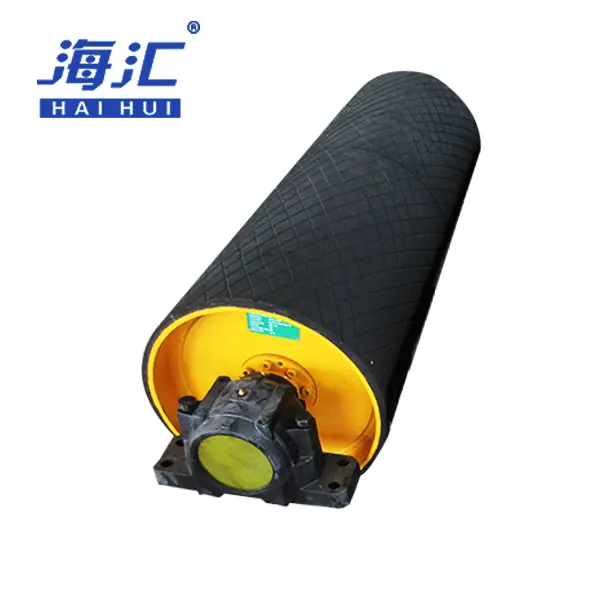
65% 풀리의 조기 고장은 샤프트 또는 래깅 문제로 인한 것
시멘트 공장의 풀리는 생산 자산으로서 가치가 높음에도 불구하고, 종종 조기에 고장이 발생합니다. 그 원인은 재료 선택의 혼란, 다중 구성 요소 간의 호환성 문제, 토크 관련 위험, 그리고 신뢰성을 저해하는 복잡한 사양 등이 복합적으로 작용하기 때문입니다.
재료 조합: 단조 대 조립 및 그 과제들
시멘트 공장에서는 구동 부품들이 즉각적인 병목 현상에 직면하고 있다.
스트림 내의 자료 혼동:
- 단조된 42CrMo4 샤프트와 가공된 C45 샤프트가 혼재되어 있어 예비 부품 재고 관리가 복잡해집니다.
- 자분 검사는 균열을 찾아내지만, 표면 아래에 있는 결함은 육안 선별 과정에서 놓치게 됩니다.
“같은 기계, 다른 풀리”로 인한 골칫거리:
- 치수 편차는 자동화된 유지보수 계획 수립을 방해합니다.
- 표면 마감 처리 방식에 따라 고철 가치가 떨어집니다.
- 용접된 쉘 이음매는 응력 집중 부위 역할을 합니다.
이것이 실제 환경에서의 신뢰성에 있어 중요한 이유는 다음과 같습니다:
- 모호한 풀리 사양으로 인해 생산 라인이 마비된다.
- 비효율적인 사양은 수익성 있는 가동 시간을 계획되지 않은 가동 중단으로 몰아넣습니다.
축 및 베어링 부품: 경화 및 맞물림 관련 과제
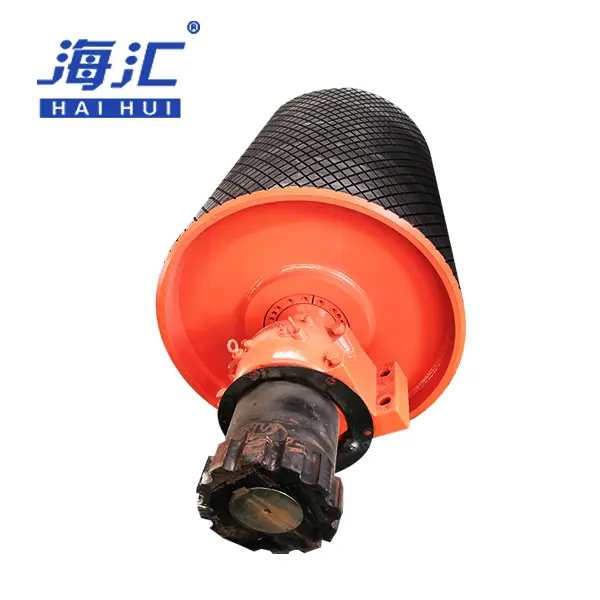
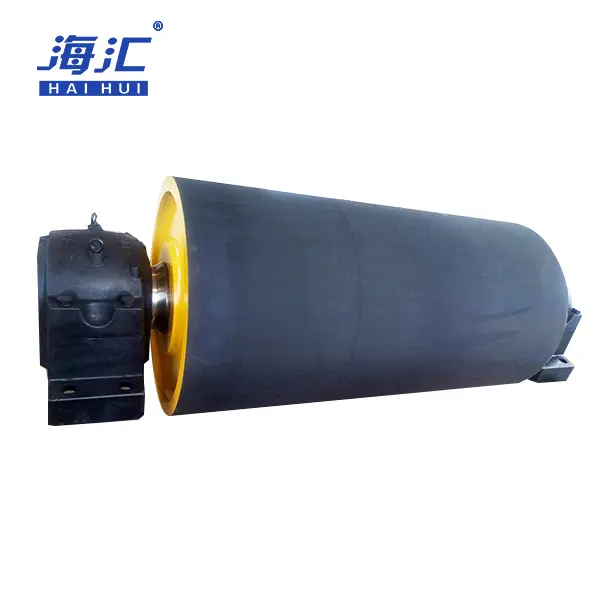
시멘트 공장의 풀리는 본질적으로 토크를 전달하는 기계로, 최대 5곳의 주요 고장 지점(축 저널, 키홈, 베어링 좌대, 라깅 접착부, 용접선)을 가지고 있습니다.
- 샤프트 어셈블리는 베어링 저널, 키홈, 장착 허브, 샤프트 단부, 씰 등 복잡한 구성 요소들로 이루어져 있습니다.
- 부드러운 베어링 좌석은 고토크 동력 전달을 방해합니다.
- 수동 경도 시험은 비용 면에서 타당하지만 시료 채취가 필요합니다.
- 축 저널 가공 단계에서 가장 큰 공정 지연(연삭, 경화 검사)이 발생합니다.
- 마모된 키홈은 토크 급상승 시 고장 위험을 크게 높입니다.
- 서둘러 진행된 추출(교체) 단편 계획으로 인해 유지보수 일정이 더욱 혼란스러워졌다.
하이후이 신뢰성을 중시하는 아키텍처를 채택하여: 샤프트 경도와 키홈 형상을 최적화함으로써 시멘트 공장 풀리가 생산 라인에서 차질 없이 가동되도록 합니다.
잦은 시동-정지 주기로 인한 토크 및 피로 문제
시멘트 공장에서 가장 큰 위험 요인은 높은 시동·정지 토크로 인해 발생하는 잔류 응력입니다.
시멘트 공장 운영자들이 구동 풀리에 대해 우려하는 점은 다음과 같습니다:
- 경화 처리되지 않은 축에는 위험한 응력 집중부가 남아 있습니다.
- C45 봉재는 주기적 하중이 가해질 때 심각한 피로 위험을 초래합니다.
“안전 사양”에는 대개 다음과 같은 사항이 요구됩니다:
- 100만 회 이상의 시동-정지 사이클을 견딜 수 있는 1급 고주파 피로 설계.
- Hardness testing to prevent mid-operation shaft scoring.
- Hardness checks to ensure bearing seats aren’t soft.
What goes wrong when shortcuts happen:
- Catastrophic shaft failure, unplanned downtime.
- Facilities blanket-reject under-engineered pulleys, increasing maintenance rates.
| Failure mode | Typical root cause | Main safety concern | Reliability control |
|---|---|---|---|
| Bearing seat wear | Soft shaft (HRC <45) | Shaft scoring, inner ring spin | Induction harden to HRC 50-55 |
| Keyway wallow | Undersized keyway, sharp radius | Torque transmission loss | Proper keyway design, generous radii |
| Shaft bending | Undersized diameter, low fatigue strength | Belt wander, edge damage | Forged 42CrMo4, correct sizing |
| Lagging detachment | Poor bond, wrong durometer | Belt slip, cover wear | Vulcanized bond, ≥12 N/mm peel strength |
| Shell weld crack | Incomplete penetration, stress concentration | Structural failure, belt damage | Full-penetration weld, NDT inspection |
Regulatory gaps in CEMA standards and plant specifications
Cement plants discard poorly specified pulleys because compliance feels impossible. Fortunately, proper specification and supplier qualification are saving plants up to $5M annually in avoided downtime.
Where specifications get fuzzy:
- CEMA guidelines contradict plant-specific “lowest bidder” mandates.
- Supplier transit rules ignore basic storage and handling protocols.
How that confusion hits real behavior:
- Conflicting specs force maintenance to default to reactive replacement.
- Fragmented rules prevent planners from standardizing on reliable designs.
What clearer specification could do:
- Unified definitions for “heavy-duty cement plant pulley.”
- Streamlined acceptance criteria ensuring torque and fatigue compliance.
- Harmonization between plant engineering and supplier capability.
하이후이 actively supports standardized specification documentation—because specification clarity keeps cement plants producing.
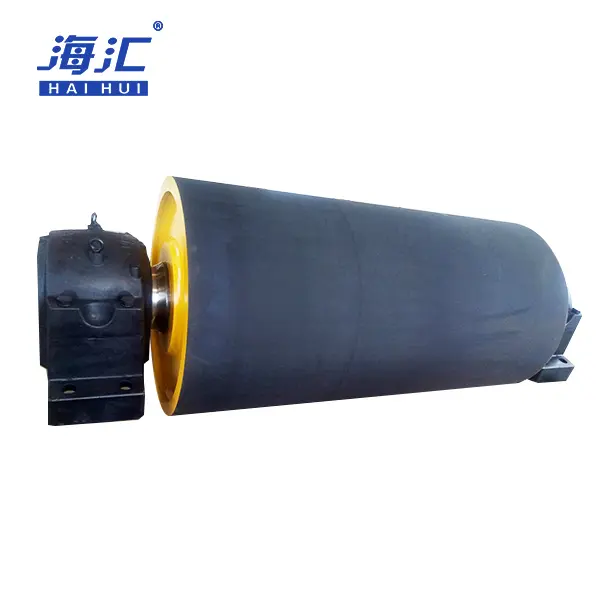
시멘트 공장 풀리가 공장 엔지니어들에게 난제를 안겨주는 3가지 이유
Cement plant pulleys complicate high-reliability production lines. 하이후이 engineers pulleys designed to bypass these exact plant bottlenecks, preventing valuable uptime from being downgraded.
Complex shaft hardening slows automated specification
A specifying engineer requires uniform material properties. An improperly hardened shaft disrupts this entirely.
Shaft and specification mismatch:
- Unhardened bearing seats on forged 42CrMo4 bodies confuse fatigue life calculations.
- Inconsistent case depth triggers false positive rejection during engineering review.
Engineering gets cautious:
- Mixed property profiles force engineers to kick designs to slower, more conservative manual review.
- Fear of early failure limits design innovation.
What Haihui aims to improve:
- Enhanced predictability between shaft hardness and fatigue life for seamless material specification.
- Optimized testing compatibility to ensure NDT correctly identifies core material properties.
Lagging adhesion residues impair belt traction
Lagging bond residues fundamentally alter torque transfer at the belt interface.
Quick hit list of what goes wrong:
- Traction loss peaks as poor bonds fail during high torque.
- Belt tracking falls out of spec due to altered friction.
- Excessive slip generates heat, incinerating belt covers.
하이후이 engineers lagging that bonds cleanly, ensuring power transmission maintains high-grade efficiency.
Dimensional accuracy and hardness rating verification delays
Plants must rigorously verify the unseen variables of specified pulleys to maintain production safety.
What can’t be confirmed fast:
- Hardness and case depth integrity – unverified hardness histories mandate inspection delays.
- Keyway and shaft geometry – unpredictable stress risers force quality control to heavily sample.
- Size-based slowdowns – wild dimension and accuracy variances jam equipment.
하이후이 mandates strict dimensional compliance, ensuring pulleys arrive as predictable, premium production assets.
Need Eco-Friendly, Spec-Tight Cement Plant Pulleys? Sourcing shouldn’t compromise production or uptime. With over 15 years of expertise, 하이후이 manufactures 100% certified forged steel pulleys engineered for maximum torque capacity and safety. We offer 1-day solution proposals to keep your production moving. Explore Haihui’s Customization Services here.
단조 42CrMo4 풀리와 주조 C45 풀리의 항복 강도 비교
While visually similar, cement plant pulleys yield vastly different service life returns based on their metallurgical composition and pre-installation specification.
Forged 42CrMo4 Drive Pulleys
Forged 42CrMo4 pulleys offer phenomenal service life—often hitting 10-15 years in mature plants—provided the input stream is properly specified.
What boosts yield for forged pulleys:
- Specification and prep – strict isolation ensures premium material for rapid torque transfer. Complete fatigue analysis eliminates service anomalies.
- Material upside – higher strength-to-weight ratio requires less steel for same torque. Excellent fatigue resistance retains value.
- Operational habits – 하이후이 enforces uncompromising intake specification to protect batch integrity.
What quietly drags it down:
- Coatings and residues – poor paint choices spike corrosion, slightly bottlenecking service life.
- Improper specification – undersized shaft forces secondary handling, depressing final yield.
Fabricated C45 Tail Pulleys
Fabricated C45 tail pulleys typically contain lower upfront cost and dominate capture rates via simple availability.
Quick wins you’ll notice right away:
- Lower initial cost means fewer capital dollars.
- Exceptional weldability prevents fabrication complications.
The stuff that gums up the works:
- Complex fatigue life and poor hardenability complicate material selection.
- Entangled bearing fits contaminate reliability.
Practical yard talk:
To guarantee production-ready reliability, processors and groups like 하이후이 demand proper shaft hardening and precise bale specs to lock in maximum yield.
시멘트 공장 컨베이어 풀리에 관한 자주 묻는 질문
Why do under-specified pulleys raise production impact for cement plants?
Cement plant pulleys carry high cyclic torque. When under-specified for the application, the reliability loop breaks. Plants are forced to rely on emergency change-outs (which consume up to 5x more maintenance labor), causing production schedules to destabilize, overtime to spike, and plants to miss crucial output metrics.
Why do cement plants struggle with drive pulleys compared with standard aggregate pulleys?
Unlike simple aggregate conveyors, cement plant drives are high-cycle, high-torque systems. They feature complex shaft requirements (forged 42CrMo4, induction-hardened bearing seats, precise keyways) and demanding lagging needs (ceramic or high-grade rubber, peel strength ≥12 N/mm). Combined with high start-stop frequency (sometimes >20 starts per day), they are notoriously difficult to specify without generating excessive unplanned downtime.
What production hazards come from under-specified shafts in cement mill drives?
Specified shafts often retain stress risers from poor keyway design or shallow case depth. Under high start-stop torque, these shafts can develop fatigue cracks, leading to catastrophic failure, unplanned downtime, belt damage, and exposure of maintenance crews to acute safety hazards from falling components and stored energy.
Ready to Upgrade Your Cement Plant Production?
As a global heavy industrial manufacturing expert with over 15 years of experience, 하이후이 delivers premium, 100% certified cement plant pulleys that meet strict ISO, CEMA, and plant-specific standards. Whether you need custom forged 42CrMo4 drive pulleys or fabricated tail units, our team is ready to support your production.
- Fast Turnaround: 1-day solution proposals and engineering drawings in ≈10 days.
- Flexible Orders: Low MOQs starting at just 5 pieces with free application reviews for selected items.
- Guaranteed Quality: 100% NDT weld inspection and induction hardness certification.
👉 Contact Haihui Today or explore our complete Power Transmission Solutions to secure spec-tight pulleys for your cement plant.
참고 문헌
- CEMA – Conveyor Equipment Manufacturers Association
- ISO 9001 – Quality management systems
- ASTM E18 – Rockwell hardness testing
- ASTM E709 – Magnetic particle testing
- ASM International – Forging and heat treatment guidelines
- World Steel Association – worldsteel.org
- PHMSA – phmsa.dot.gov (hazardous materials transport)
- OSHA – osha.gov (lockout/tagout, machine guarding)
- Haihui – Internal engineering specifications for cement plant conveyor pulleys
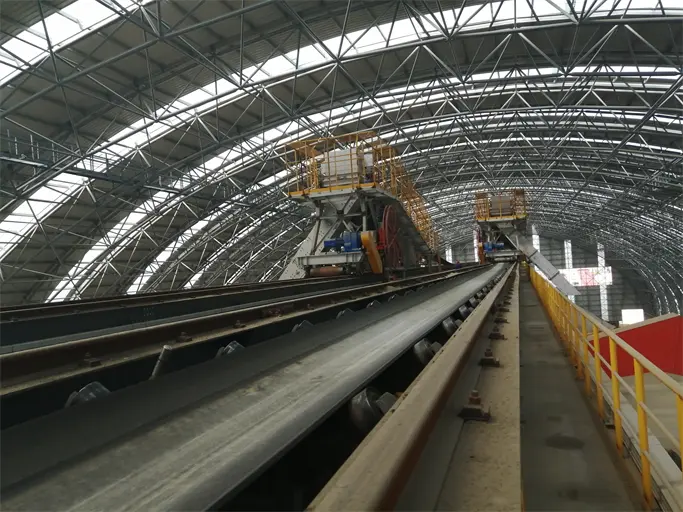
 English
 العربية
 简体中文
简体中文 Nederlands
 Français
 Deutsch
 Bahasa Indonesia
 Italiano
 日本語
日本語 한국어
한국어 Bahasa Melayu
 Polski
 Português do Brasil
 Русский
 Español
 Türkçe