
بكرة ناقل مصنع الأسمنت: منع تعطل المحامل ووقت التعطل
- لماذا هذا مهم؟
- 65%: تعزى حالات الأعطال المبكرة للبكرات إلى مشاكل في العمود أو في الطبقة الخارجية
- 3 أسباب تجعل بكرات مصانع الأسمنت تشكل تحديًا لمهندسي المصانع
- البكرات المصنوعة من الفولاذ المطروق 42CrMo4 مقابل البكرات المصنوعة من الفولاذ C45: قيم الخضوع
- الأسئلة الشائعة حول بكرات ناقلات مصانع الأسمنت
- المراجع
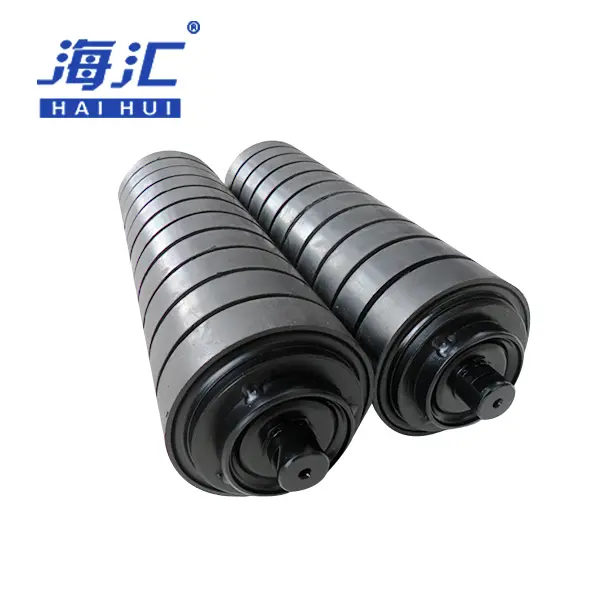
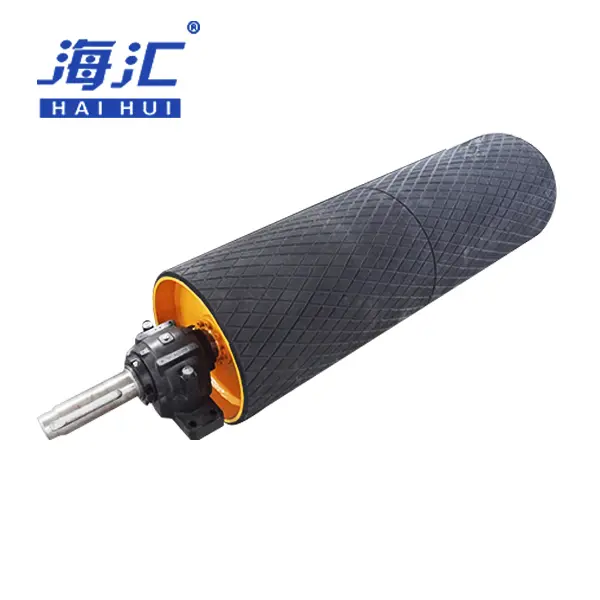
قد تبدو بكرات الناقلات في مصانع الأسمنت وكأنها مجرد أسطوانات فولاذية بسيطة، لكن مسارها اللاحق في المصانع التي تتسم بالحرارة الشديدة والغبار الكثيف يمثل شبكة معقدة ومعروفة جيدًا. فخلف هذا الدوران السلس تكمن حقيقة معقدة تتمثل في أعمدة مطروقة، ومقاعد محامل مقواة بالحث الكهربائي، وروابط عازلة عنيدة تجعل فرق الصيانة تكافح من أجل التعامل معها.
في حين أن البكرات المجمعة القياسية تعمل بسلاسة في التطبيقات ذات الأحمال المتوسطة، فإن البكرات المستخدمة في مصانع الأسمنت تتطلب معايير أكثر صرامة. ومع وجود ما يزيد عن 80,000 بكرة تعمل في مصانع الأسمنت على مستوى العالم، لا تزال نسبة مذهلة منها تتعطل قبل الأوان بسبب الالتباس في المواصفات، وإجهاد المواد، ومخاطر المعالجة.
الحقيقة؟ إنها قادرة تمامًا على تقديم أكثر من 15 عامًا من الخدمة، شريطة أن تلتزم سلسلة التوريد بتصلب المحاور بشكل صارم، واختيار العزل الحراري المناسب، ومواصفات المواد النظيفة. وإليكم البيانات الحقيقية حول كيفية سد الفجوة بين المكونات الأساسية وأصول الإنتاج المستدامة.
النقاط الرئيسية المتعلقة باللحن في بكرات ناقلات مصانع الأسمنت
- استعادة المواد: تعمل الأعمدة المصنوعة من الفولاذ 42CrMo4 والأغلفة المصنوعة من الفولاذ S355 على زيادة سعة عزم الدوران إلى أقصى حد وتقليل حالات الفشل الناتجة عن الإجهاد.
- سلامة الأعمدة والمحامل: تأكد من استخدام مقاعد محامل مُصلبة بالحث (HRC 50-55، عمق الصلب 3-5 مم) لمنع حدوث خدوش، ومخاطر الحريق، والتوقف غير المخطط له عن العمل.
- التأخير ومراقبة الجودة: تحقق من قوة التصاق الطبقة (قوة تقشير ≥12 نيوتن/مم) والتوافق مع معايير CEMA؛ حيث يؤدي سوء التبطين وفشل التصاق الطبقة إلى انزلاق الحزام وخسارة في الإنتاج.
لماذا هذا مهم؟
نظرة سريعة على الواقع: عندما يتم اختيار بكرات مصانع الأسمنت بناءً على مواصفات أقل من المطلوب بدلاً من تصميمها هندسيًّا، فإن الفوضى التي تنجم عن ذلك لا تظل خفية. بل تعود لتؤثر سلبًا في شكل فواتير صيانة أعلى، وعمر تشغيلي أقصر للأحزمة، ومخاطر جسيمة في عمليات الطحن.
التأثيرات البيئية والتشغيلية للبكرات غير المصممة هندسيًا بشكل سليم
عندما يتعرض عمود مصنوع من الفولاذ C45، مزود بمقاعد محامل غير مقواة، للتلف في مطحنة الأسمنت، فإن “المكسب السهل” المتمثل في التكلفة الأولية المنخفضة يتلاشى. ويتطلب استخراج وتكرير الفولاذ الخام لإنتاج قطع غيار ما يصل إلى خمسة أضعاف الطاقة المطلوبة لتحديد المواصفات بشكل صحيح منذ البداية، مما يؤدي إلى تفاقم الأضرار التشغيلية والبيئية على حد سواء.
والأسوأ من ذلك، بعبارات واضحة:
- التلوث يتزايد في اتجاه المنبع – زيادة إنتاج الفولاذ لاستبدال البكرات التالفة، مما يؤدي ارتفاع استهلاك الطاقة في عملية التكرير إلى ارتفاع حاد في الانبعاثات.
- تنتشر التحديات المتعلقة بالإنتاج في جميع أنحاء المصنع – تؤدي المواصفات غير الموحدة إلى إعاقة التشغيل السلس لناقلات الأسمنت. كما أن عدم تحقيق أهداف العمر التشغيلي يضطر إلى اللجوء إلى عمليات الاستبدال الطارئة.
- ما الذي يُفقد (وليس الإنتاج وحده) – يتأثر الحفاظ على الموارد سلبًا. فكل بكرة لم يتم تحديد مواصفاتها بشكل دقيق تكسر حلقة الموثوقية، مما يسهم في خسارة سنوية في قيمة الإنتاج تقدر بـ $5B. وتتضاعف هذه الفجوة بسرعة عبر خطوط إنتاج الكلنكر، ومطاحن المواد الخام، ومطاحن التشطيب.
فخ “إنها مجرد بكرة واحدة”:
- بكرة واحدة تبدو غير ذات أهمية.
- يؤدي فقدان مئات البكرات سنويًّا في العديد من المصانع إلى تعطيل تحقيق أهداف الإنتاج العالمية.
استنزاف الموارد الناتج عن فقدان العمود بسبب التزوير مقابل التلفيق
يتميز الفولاذ المطروق من نوع 42CrMo4 بمتانته، لكن سوء عملية تقسية العمود يجعل معالجته عند انتهاء عمره التشغيلي مشكلة صعبة. كما أن المقاعد الناعمة للمحامل قد تقلل من العمر التشغيلي للعمود بنسبة 60-80%.
المشكلة الموضوعية (بإيجاز وبصراحة):
- أعمدة غير مقواة + عزم دوران مرتفع عند التشغيل والإيقاف = دورات استبدال أكثر صعوبة.
- تؤدي مقاعد المحامل اللينة إلى تلويث ملاءمة المحامل.
- يؤدي الفولاذ غير المعاد تدويره إلى زيادة الطلب على المواد الخام الأولية.
أين تظهر الخسائر:
- يتطلب التصنيع كميات أكبر من المواد الخام الطازجة.
- الخردة التي لم يتم استردادها تعني خسارة مادية على المدى الطويل.
- مما يؤدي إلى تدهور مؤشرات وقت التشغيل في مصانع الأسمنت.
فيما يلي لمحة موجزة عما يكون عادةً على المحك في التطبيقات النموذجية للبكرات في مصانع الأسمنت:
| المادة/التطبيق | عمر التعب النموذجي (دورات) | صلابة العمود (HRC) | مستوى صعوبة الموثوقية (1-5) |
|---|---|---|---|
| مصنوع من الفولاذ C45 (للأغراض الخفيفة/الخلفية) | 250,000 | 25-30 (كما تم درفلتها) | 2 |
| مصنوع من الفولاذ C45 (موضع المحرك، مواصفات رديئة) | 100,000 | 25-30 | 4 |
| مصنوع من الفولاذ 42CrMo4 (مُصلب بشكل صحيح) | 1,500,000+ | 50-55 | 1 |
| مصنوعة من الفولاذ 42CrMo4 (غير مقسى أو ذات طبقة خارجية رقيقة) | 300,000 | 30-35 | 3 |
المخاطر الصحية الناجمة عن استخدام بكرات غير مطابقة للمواصفات في مصانع الأسمنت
الخطر الحقيقي لا يكمن في الغلاف الفولاذي، بل في تركز الإجهاد الداخلي وتوليد الحرارة. وغالبًا ما تحتوي الأعمدة “المناسبة” على عوامل زيادة الإجهاد ناتجة عن سوء تصميم فتحة التثبيت أو ضحالة عمق الغلاف، مما يغير بشكل جذري ملامح مخاطر الفشل.
كيف يتحول ذلك إلى خطر حقيقي:
- يصبح إجهاد العمود أكثر صعوبة في التنبؤ به.
- يتم تفريغ الإجهاد المتبقي بشكل غير متوقع تحت تأثير عزم الدوران العالي.
- تؤدي نقاط تركيز الإجهاد إلى زيادة مخاطر حدوث أعطال عند فتحات التثبيت.
- قد يؤثر تولد الحرارة سلبًا على العمال – حيث يؤدي الاحتكاك الناتج عن انزلاق المحمل إلى ارتفاع درجات حرارة الغلاف، مما يسهم في تعطل المحمل.
- تُشكل حالات الإفراط المتكررة في عزم الدوران خطراً على طواقم الصيانة.
- ارتفاع حاد في حالات التوقف غير المخطط لها على المستوى المحلي – وتجاوز أهداف الإنتاج المحددة يؤدي إلى انتهاك معايير السلامة في المصنع وحدود الإنتاج.
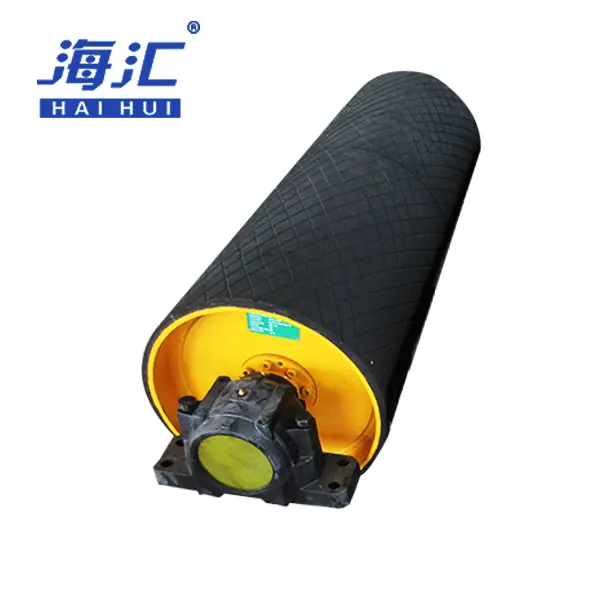
65%: تعزى حالات الأعطال المبكرة للبكرات إلى مشاكل في العمود أو في الطبقة الخارجية
على الرغم من قيمتها العالية كأصول إنتاجية، فإن البكرات المستخدمة في مصانع الأسمنت غالبًا ما تتعطل قبل الأوان. ويعود السبب في ذلك إلى تضافر عدة عوامل، منها الخلط في اختيار المواد، ومشاكل التوافق بين المكونات المتعددة، ومخاطر عزم الدوران، والمواصفات المعقدة التي تعوق الموثوقية.
مزيج المواد: المطروق مقابل المصنوع، والعقبات
في مصنع الأسمنت، تواجه مكونات نظام الدفع عقبات فورية.
ارتباك جوهري في السياق:
- إن وجود أعمدة مصنوعة من الفولاذ 42CrMo4 مقترنة بنسخ مصنوعة من الفولاذ C45 يعقد عملية إدارة مخزون قطع الغيار.
- يكشف الفحص بالجسيمات المغناطيسية عن الشقوق، لكن العيوب الكامنة تحت السطح تتفادى أجهزة الفرز البصري.
“مشاكل ”نفس المحرك، بكرة مختلفة»:
- تؤدي التباينات في الأبعاد إلى تعطيل عملية التخطيط الآلي للصيانة.
- تتأثر قيمة الخردة باختيارات تشطيب السطح.
- تعمل وصلات الغلاف الملحومة كعوامل لزيادة الإجهاد.
لماذا يعد هذا الأمر مهمًا بالنسبة للموثوقية في الاستخدام الفعلي:
- تؤدي المواصفات الغامضة للبكرات إلى توقف خطوط الإنتاج تمامًا.
- تؤدي المواصفات غير الفعالة إلى تحويل وقت التشغيل المربح إلى فترات توقف غير مخطط لها.
مكونات العمود والمحامل: التحديات المتعلقة بالتصلب والتركيب
تُعد بكرة مصنع الأسمنت في جوهرها آلة لنقل عزم الدوران، وتحتوي على ما يصل إلى 5 نقاط فشل حرجة (أعمدة المحور، فتحات المفاتيح، مقاعد المحامل، الترابط بين الطبقة الخارجية والداخلية، خطوط اللحام).
- تتسم مجموعة العمود بالتعقيد: أعمدة المحامل، وأخاديد المفاتيح، ومحاور التثبيت، وأطراف العمود، وموانع التسرب.
- تؤدي مقاعد المحامل اللينة إلى تعطيل نقل الطاقة ذات عزم الدوران العالي.
- يُعد اختبار الصلابة اليدوي خيارًا مجدًا من الناحية المالية، لكنه يتطلب أخذ عينات.
- تُعد أعمدة المحور هي التي تتسبب في أكبر قدر من التأخير في عمليات المعالجة (الطحن، وفحص الصلابة).
- تؤدي فتحات المفاتيح البالية إلى زيادة مخاطر التعطل بشكل كبير أثناء حدوث ارتفاعات مفاجئة في عزم الدوران.
- التخطيط المتسرع لاستخراج (استبدال) الأجزاء، مما يزيد من تعقيد جدول الصيانة.
هايهوي تتميز بهيكلية تركز على الموثوقية: حيث يتم تحسين صلابة العمود وهندسة فتحة المفتاح لضمان استمرار عمل بكرات مصانع الأسمنت بسلاسة في خط الإنتاج.
عوائق العزم والتعب الناتجة عن ارتفاع عدد دورات التشغيل والإيقاف
يتمثل الخطر الرئيسي في مصانع الأسمنت في الإجهاد المتراكم الناتج عن عزم الدوران العالي عند بدء التشغيل وإيقافه.
ما يقلق مشغلي مصانع الأسمنت فيما يتعلق ببكرات الدفع:
- تحتوي الأعمدة غير المُصلدة على نقاط تركز إجهاد خطيرة.
- تشكل قضبان C45 مخاطر إجهاد هائلة في ظل التعرض لأحمال دورية.
ما تتطلبه “المواصفات الآمنة” عادةً:
- تصميم مقاوم للإجهاد عالي الدورات من الفئة 1، قادر على تحمل أكثر من 1,000,000 دورة تشغيل وإيقاف.
- اختبار الصلابة لمنع حدوث خدوش في العمود أثناء التشغيل.
- يتم إجراء اختبارات الصلابة للتأكد من أن مقاعد المحامل ليست لينة.
ما الذي يحدث عندما تُتخذ طرق مختصرة:
- تعطل كارثي في العمود، وتوقف غير مخطط له عن العمل.
- ترفض المنشآت بشكل قاطع استخدام البكرات غير المصممة هندسيًا بشكل سليم، مما يؤدي إلى ارتفاع معدلات الصيانة.
| نمط الفشل | السبب الجذري النموذجي | المخاوف الرئيسية المتعلقة بالسلامة | مراقبة الموثوقية |
|---|---|---|---|
| تآكل مقعد المحمل | عمود مرن (HRC <45) | تسجيل العمود، دوران الحلقة الداخلية | تصلب حثي إلى HRC 50-55 |
| حفرة كيوواي | فتحة مفتاح أصغر من المقاس، ونصف قطر حاد | فقدان نقل العزم | تصميم مناسب لمجرى المفتاح، ونصف قطر كبير |
| انحناء العمود | قطر أصغر من المطلوب، قوة إجهاد منخفضة | انحراف الحزام، تلف الحواف | مصنوع من الفولاذ المطروق 42CrMo4، بأبعاد صحيحة |
| الانفصال المتأخر | سند ضعيف، مقياس صلابة غير مناسب | انزلاق الحزام، تآكل الغطاء | ربط مفلكن، قوة تقشير ≥12 نيوتن/مم |
| شق في لحام القشرة | الاختراق غير الكامل، تركز الإجهاد | فشل هيكلي، تلف الحزام | لحام الاختراق الكامل، الفحص غير التدميري |
الثغرات التنظيمية في معايير CEMA ومواصفات المحطات
تتخلص مصانع الأسمنت من البكرات ذات المواصفات غير الدقيقة لأنها ترى أن الامتثال للمتطلبات أمر مستحيل. ولحسن الحظ، فإن تحديد المواصفات الصحيحة وتأهيل الموردين يوفران للمصانع ما يصل إلى $5M سنويًّا من خلال تجنب فترات التعطل.
الحالات التي تصبح فيها المواصفات غير واضحة:
- تتعارض إرشادات CEMA مع الشروط الخاصة بكل محطة والتي تنص على اختيار “أقل العروض سعراً”.
- تتجاهل قواعد النقل الخاصة بالموردين البروتوكولات الأساسية المتعلقة بالتخزين والمناولة.
كيف ينعكس هذا الارتباك على السلوك الفعلي:
- تجبر المواصفات المتضاربة فريق الصيانة على اللجوء بشكل افتراضي إلى الاستبدال التفاعلي.
- تمنع القواعد المتفرقة المخططين من اعتماد تصاميم موثوقة بشكل موحد.
ما يمكن أن تحققه المواصفات الأكثر وضوحًا:
- تعريفات موحدة لمصطلح “بكرة مصنع الأسمنت المخصصة للأعمال الشاقة”.”
- معايير قبول مبسطة تضمن الامتثال لمتطلبات عزم الدوران ومقاومة الإجهاد.
- التنسيق بين الهندسة الصناعية وقدرات الموردين.
هايهوي تدعم بشكل فعال توثيق المواصفات الموحدة — لأن وضوح المواصفات يضمن استمرار إنتاج مصانع الأسمنت.
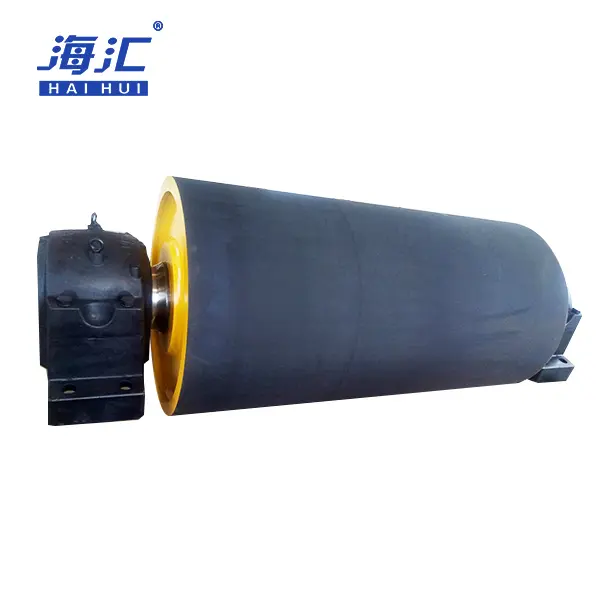
3 أسباب تجعل بكرات مصانع الأسمنت تشكل تحديًا لمهندسي المصانع
تُعقِّد بكرات مصانع الأسمنت خطوط الإنتاج عالية الموثوقية. هايهوي صمم المهندسون بكرات تهدف إلى تجاوز هذه الاختناقات المحددة في المصنع، مما يمنع انخفاض مستوى وقت التشغيل الفعّال.
يؤدي التصلب المعقد للأعمدة إلى إبطاء عملية تحديد المواصفات آليًّا
يحتاج مهندس المواصفات إلى خصائص موحدة للمواد. ويؤدي العمود الذي لم يتم تقويته بشكل صحيح إلى إخلال تام بهذه المتطلبات.
عدم تطابق العمود والمواصفات:
- تؤدي مقاعد المحامل غير المقواة على الأجسام المطروقة من مادة 42CrMo4 إلى إرباك حسابات العمر التشغيلي في ظل الإجهاد.
- يؤدي عدم اتساق عمق الحالة إلى رفض إيجابي كاذب أثناء المراجعة الهندسية.
الهندسة تتخذ موقفاً حذراً:
- تجبر الخصائص المتنوعة للممتلكات المهندسين على إحالة التصاميم إلى مراجعة يدوية أبطأ وأكثر تحفظًا.
- الخوف من الفشل المبكر يحد من الابتكار في التصميم.
ما تسعى «هايهوي» إلى تحسينه:
- تحسين القدرة على التنبؤ بالعلاقة بين صلابة العمود وعمره التعب، من أجل تحديد مواصفات المواد غير الملحومة.
- تم تحسين توافق الاختبارات لضمان قيام الاختبارات غير التدميرية (NDT) بتحديد خصائص المواد الأساسية بشكل صحيح.
تؤدي بقايا الالتصاق المتراكمة إلى إضعاف قوة الجر للحزام
تؤدي بقايا السندات المتأخرة إلى تغيير جذري في نقل عزم الدوران عند واجهة الحزام.
قائمة موجزة بالمشاكل التي قد تحدث:
- يصل فقدان قوة الجر إلى ذروته عندما تفشل الوصلات الضعيفة في ظل عزم دوران مرتفع.
- يخرج مسار الحزام عن المواصفات بسبب تغير معدل الاحتكاك.
- يؤدي الانزلاق المفرط إلى توليد الحرارة، مما يؤدي إلى احتراق أغطية الحزام.
هايهوي مهندسون يعملون على ضمان الترابط السلس بين المكونات، مما يضمن الحفاظ على كفاءة عالية في نقل الطاقة.
التأخيرات في التحقق من دقة الأبعاد ومستوى الصلابة
يجب على المصانع التحقق بدقة من المتغيرات غير المرئية للبكرات المحددة للحفاظ على سلامة الإنتاج.
ما لا يمكن تأكيده بسرعة:
- الصلابة وسلامة عمق الطبقة المتصلبة – تؤدي السجلات غير المؤكدة المتعلقة بالصلابة إلى تأخير عمليات الفحص.
- الشق والهندسة الهندسية للعمود – تؤدي عوامل زيادة الإجهاد غير المتوقعة إلى اضطرار قسم مراقبة الجودة إلى إجراء عمليات أخذ عينات مكثفة.
- تباطؤات ناجمة عن الحجم – تؤدي التباينات الشديدة في الأبعاد والدقة إلى تعطل المعدات.
هايهوي تفرض الامتثال الصارم للمواصفات الأبعاد، مما يضمن وصول البكرات كأصول إنتاجية عالية الجودة يمكن التنبؤ بها.
هل تحتاج إلى بكرات لمصانع الأسمنت صديقة للبيئة ومتوافقة تمامًا مع المواصفات؟ لا ينبغي أن يؤثر اختيار الموردين سلبًا على الإنتاج أو وقت التشغيل. بفضل خبرة تزيد عن 15 عامًا،, هايهوي تقوم الشركة بتصنيع بكرات فولاذية مطروقة حاصلة على شهادة 100%، مصممة لتوفير أقصى قدر من سعة عزم الدوران والأمان. نقدم مقترحات حلول في غضون يوم واحد لضمان استمرار سير عمليات الإنتاج لديكم. استكشف خدمات التخصيص التي تقدمها شركة «هايهوي» هنا.
البكرات المصنوعة من الفولاذ المطروق 42CrMo4 مقابل البكرات المصنوعة من الفولاذ C45: قيم الخضوع
على الرغم من التشابه في الشكل، فإن بكرات مصانع الأسمنت تختلف اختلافًا كبيرًا من حيث العمر التشغيلي، وذلك بناءً على تركيبها المعدني ومواصفاتها قبل التركيب.
بكرات الدفع المصنوعة من الفولاذ المطروق 42CrMo4
تتميز البكرات المصنوعة من الفولاذ المطروق 42CrMo4 بعمر خدمة استثنائي — حيث يصل غالبًا إلى 10-15 عامًا في المنشآت التي دخلت مرحلة النضج — شريطة أن تكون مواصفات تدفق المواد الواردة محددة بشكل صحيح.
ما الذي يزيد من إنتاجية البكرات المطروقة:
- المواصفات والتحضير – يضمن العزل الدقيق استخدام مواد عالية الجودة لنقل عزم الدوران بسرعة. ويقضي التحليل الشامل للتعب من حدوث أي خلل في الأداء أثناء التشغيل.
- ارتفاع كبير في الأسعار – تتيح نسبة القوة إلى الوزن الأعلى استخدام كمية أقل من الفولاذ لتحقيق نفس عزم الدوران. كما أن المقاومة الممتازة للتعب تحافظ على القيمة.
- العادات التشغيلية – هايهوي تطبق مواصفات استلام صارمة لحماية سلامة الدُفعات.
ما الذي يضعفها بهدوء:
- الطلاءات والمخلفات – تؤدي الاختيارات السيئة للطلاء إلى زيادة التآكل، مما يحد قليلاً من العمر التشغيلي.
- مواصفات غير صحيحة – يؤدي صغر حجم العمود إلى الحاجة إلى معالجة ثانوية، مما يؤدي إلى انخفاض العائد النهائي.
بكرات ذيل مصنوعة من الفولاذ C45
تتميز بكرات الذيل المصنعة من الفولاذ C45 عادةً بتكلفة أولية أقل، كما أنها تحقق معدلات استحواذ أعلى بفضل سهولة توفرها.
المزايا الفورية التي ستلاحظها على الفور:
- انخفاض التكلفة الأولية يعني استثمار رأس مال أقل.
- تُمنع التعقيدات في عملية التصنيع بفضل قابلية اللحام الفائقة.
الأمور التي تعرقل سير العمل:
- إن العمر التشغيلي المعقد في ظل الإجهاد وضعف قابلية التصلب يزيدان من صعوبة اختيار المواد.
- تؤثر التلوثات في المحامل المتشابكة سلبًا على الموثوقية.
نصائح عملية حول الحديقة:
لضمان الموثوقية اللازمة للإنتاج، تعمل المعالجات والمجموعات مثل هايهوي يتطلب ذلك تصلبًا مناسبًا للعمود ومواصفات دقيقة للبالات لضمان تحقيق أقصى عائد.
الأسئلة الشائعة حول بكرات ناقلات مصانع الأسمنت
لماذا تؤدي البكرات غير المحددة المواصفات إلى زيادة التأثير على الإنتاج في مصانع الأسمنت؟
تتحمل بكرات مصانع الأسمنت عزم دوران دوري مرتفع. وعندما تكون مواصفاتها أقل من المتطلبات اللازمة للتطبيق، تنقطع حلقة الموثوقية. وتضطر المصانع إلى الاعتماد على عمليات الاستبدال الطارئة (التي تستهلك ما يصل إلى 5 أضعاف العمالة اللازمة للصيانة)، مما يؤدي إلى اختلال جداول الإنتاج، وارتفاع ساعات العمل الإضافية بشكل حاد، وفشل المصانع في تحقيق مؤشرات الإنتاج الحاسمة.
لماذا تواجه مصانع الأسمنت صعوبات في استخدام بكرات المحركات مقارنةً ببكرات الركام القياسية؟
وعلى عكس الناقلات البسيطة للمواد المجمعة، فإن محركات مصانع الأسمنت هي أنظمة ذات دورات تشغيل عالية وعزم دوران مرتفع. وتتميز هذه المحركات بمتطلبات معقدة فيما يتعلق بالأعمدة (مصنوعة من الفولاذ المطروق 42CrMo4، ومقاعد محامل مقواة بالحث الكهرومغناطيسي، وأخاديد مفتاحية دقيقة) ومتطلبات صارمة فيما يتعلق بطبقة التبطين (سيراميك أو مطاط عالي الجودة، وقوة مقاومة التقشير ≥12 نيوتن/مم). وبالاقتران مع التردد العالي لعمليات التشغيل والإيقاف (أحيانًا >20 عملية تشغيل يوميًا)، يُعرف عن هذه الأنظمة صعوبة تحديد مواصفاتها دون التسبب في فترات تعطل غير مخطط لها مفرطة.
ما هي المخاطر الإنتاجية التي تنجم عن عدم تحديد مواصفات أعمدة الدفع في محركات مطاحن الأسمنت؟
غالبًا ما تحتوي بعض الأعمدة على نقاط تزايد الإجهاد الناتجة عن سوء تصميم فتحة المفتاح أو ضحالة عمق الصلب. وفي ظل عزم الدوران العالي الناتج عن عمليات التشغيل والإيقاف المتكررة، قد تتشكل شقوق إجهاد في هذه الأعمدة، مما يؤدي إلى فشل كارثي، ووقت تعطل غير مخطط له، وتلف الأحزمة، وتعرض فرق الصيانة لمخاطر أمنية حادة ناجمة عن سقوط المكونات والطاقة المخزنة.
هل أنت مستعد لزيادة إنتاج مصنع الأسمنت الخاص بك؟
بصفتي خبيرًا عالميًا في مجال التصنيع الصناعي الثقيل، ولديّ خبرة تزيد عن 15 عامًا،, هايهوي تقدم الشركة بكرات مصانع الأسمنت عالية الجودة والحاصلة على شهادة 100%، والتي تتوافق مع المعايير الصارمة لـ ISO و CEMA والمعايير الخاصة بكل مصنع. وسواء كنت بحاجة إلى بكرات دفع مطروقة حسب الطلب من مادة 42CrMo4 أو وحدات ذيلية مصنعة، فإن فريقنا على أتم الاستعداد لدعم عمليات الإنتاج الخاصة بك.
- سرعة الإنجاز: مقترحات الحلول في غضون يوم واحد، والرسومات الهندسية في غضون ≈10 أيام.
- الطلبات المرنة: كميات طلب دنيا منخفضة تبدأ من 5 قطع فقط، مع مراجعة مجانية لتطبيقات المنتجات المختارة.
- جودة مضمونة: 100%: فحص اللحام بالطرق غير التدميرية (NDT) وشهادة الصلابة بالحث الكهرومغناطيسي.
👉 اتصل بشركة «هايهوي» اليوم أو اطّلع على مجموعتنا الكاملة حلول نقل الطاقة للحصول على بكرات تتوافق تمامًا مع المواصفات لمصنع الأسمنت الخاص بك.
المراجع
- CEMA – رابطة مصنعي معدات النقل
- ISO 9001 – أنظمة إدارة الجودة
- ASTM E18 – اختبار صلابة روكويل
- ASTM E709 – اختبار الجسيمات المغناطيسية
- ASM International – إرشادات حول التشكيل والمعالجة الحرارية
- الرابطة العالمية للصلب – worldsteel.org
- PHMSA – phmsa.dot.gov (نقل المواد الخطرة)
- OSHA – osha.gov (إيقاف التشغيل/وضع العلامات، حماية الآلات)
- Haihui – المواصفات الهندسية الداخلية لبكرات ناقلات مصانع الأسمنت

 English
 العربية
 Português do Brasil
 Русский
 Español