
Coal Conveyor Idler Rollers:Stop Dust & Bearing Failure
Underground conveyors hum, longwall shifts drag on, and the coal conveyor idler roller starts looking like a lifeline when belts wander or rollers seize up in the dust.
Idler strings rule long entries, but bring alignment drag, maintenance cost, and rigidity where continuous operation matters.
Recent reports from Grand View Research highlight growing demand for low‑maintenance idler formats in underground coal mining.
Essential Notes on Coal Conveyor Idler Rollers
→ Ideal Applications: longwall gate roads, mainline coal haulage, belt feeder breakers, transfer points in dusty underground environments
→ Core Benefits: superior dust exclusion, enhanced bearing protection, extended service life for just‑in‑time coal delivery
→ Usage Advantage: sealed rolls, minimal maintenance, flexible installation, no daily greasing needed
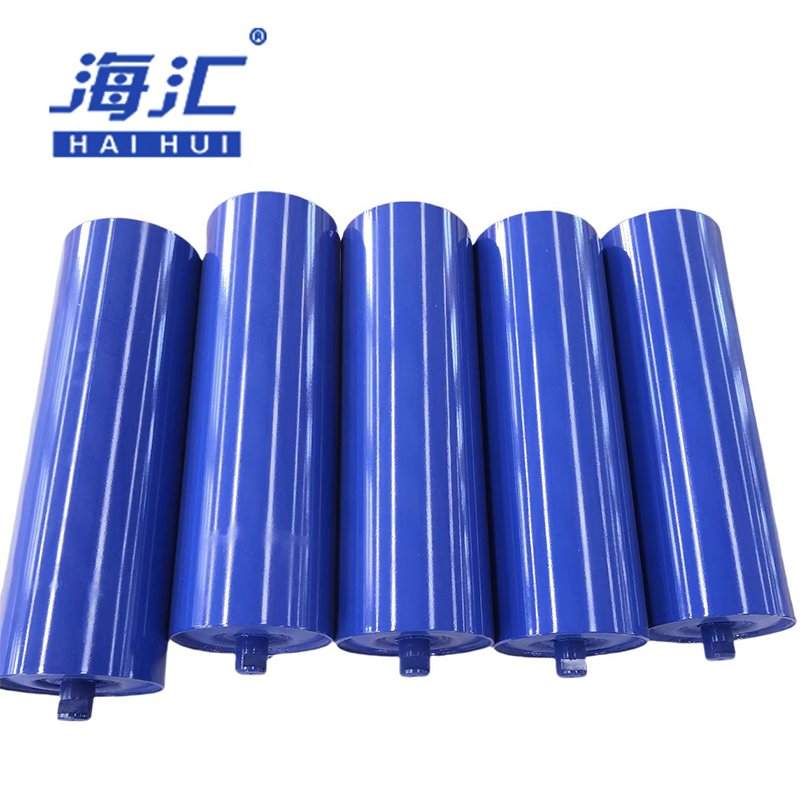
Which Jobs Suit a Coal Conveyor Idler Roller?
A coal conveyor idler roller fits jobs where dust, water, and continuous load matter. This look breaks down real underground scenes, using shop‑floor language, showing how a coal idler, sealed roll, and heavy‑duty roller earn a place in daily coal production.
Longwall Gate Road Belt Support
When longwall faces advance, belt support rules everything. A coal conveyor idler roller keeps things moving in the gate road.
Environment needs
- High dust from shearer
- Water from face cooling
- Heavy impact from lump coal
What the idler handles
- Dust ingress during production shifts
- Shock load from falling material
- Continuous rotation for 24/7 operation
Nested underground logic matters:
Longwall‑safe support
- Idlers spaced every 1.2–1.5 meters
- No daily greasing access needed
- No bearing cleaning in the dust
Quality checks
- Consistent rolling resistance
- Clean seal performance
This is why coal conveyor idler roller use shows up again and again in longwall applications.
Mainline Coal Haulage
Dark entries never sleep. For mainline conveyors, consistent idler performance keeps coal moving.
✓ Bearing protection against fine coal dust
✓ Seal integrity under continuous load
✓ Reliable rotation without hot bearings
A short routine helps: walk the belt weekly, feel for hot housings, listen for grinding. Simple. The sealed idler rolls tight and slows dust creep.
Belt Feeder Breaker Transfers
In belt feeder breakers, material size reduction creates impact and dust. A coal conveyor idler roller handles impact without drama.
Substrate focus
- Impact zones needing heavy wall tubes
- Transfers needing sealed bearings
Performance needs
- Clean seal surfaces
- Long‑term durability
Layered fixes matter here:
Maintenance crews
- Use sealed idlers
- Match roll spacing to lump size
- Keep downtime short
Underground Transfer Points
Out in the entries, conveyors don‘t wait for surface maintenance. A field idler change needs to happen now.
- Stop belt
- Remove old seized idler
- Install new sealed idler
- Restart production
No special tools, no bearing packing. Just an underground change-out that leaves a tough, dust-resistant idler ready for work.
3 Benefits of Coal Conveyor Idler Rollers
Coal | conveyor | idler | roller—split it up like that and it‘s easier to talk about what you’re really buying. A coal conveyor idler roller isn‘t just “a roller”; it’s a dust‑tight, low‑maintenance way to support your belt and keep coal moving. Quality manufacturing from 海辉 keeps it practical for busy underground mines: sealed bearings, consistent rolling torque, move on. Same idler, fewer headaches.
Superior Dust Exclusion and Bearing Protection
A coal conveyor idler roller earns its keep when jobs face fine coal dust, slurry, or plain old humidity underground. You‘re chasing bearing protection, not wishful thinking, and that means keeping rotating integrity intact.
Bearing protection basics
- Seals keep dust out of bearing cavities
- Grease stays clean for extended intervals
- Prevents raceway pitting and spalling
Dust resistance in day‑to‑day abuse
- Handles fine coal dust without seal failure
- Maintains low running torque for belt life
Using quality idlers from Haihui without overcomplicating it
- Aim for steady rotation, let the bearing run, then stop worrying—your idler works best when it‘s not overworked
Enhanced Bearing Life for Continuous Operation
If you’ve ever watched a seized roller shred a belt cover, you already get why bearing life matters. With a coal conveyor idler roller, you’re creating a dust‑tight barrier that keeps bearings clean and prevents unplanned downtime.
A quick, real‑world rhythm underground:
- Do seal inspection that fits the environment—check labyrinth gaps, look for dust packing, and don‘t skip visual checks.
- Install consistent idlers to boost bearing protection in longwall gate roads, mainlines, and transfer points.
- Replace on schedule so belt life doesn’t depend on luck.
Small habits that help:
- Keep the idler spinning freely; rough rotation hurts belt cover.
- Monitor housing temperature during weekly walk‑downs.
Extended Service Life for Just‑In‑Time Coal Delivery
A slow idler seizes production, and nobody in a longwall mine has time for that. The right coal conveyor idler roller keeps running torque tight, so coal delivery doesn‘t get wrecked by waiting around.
Time wins that actually show up underground:
- Longer service life supports fewer change‑outs between longwall moves
- Faster idler replacement means less “where do we store spares now?” stress
How it supports flow, not chaos:
- Better maintenance planning when idler change windows are predictable
- Cleaner project timeline control when bearing life is predictable
Where Haihui manufacturing fits in:
- With sealed bearings and dust‑tight labyrinths, use the coal idler for longwall, mainline, and feeder breaker applications—same belt, less downtime, steadier production efficiency
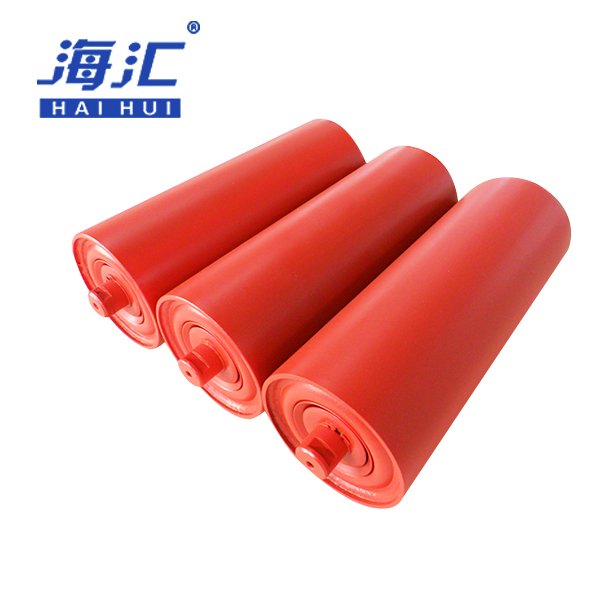
Underground Sealed Idler vs. Surface Standard Roller
If you‘re stuck choosing between a sealed underground idler and a standard surface roller, it usually comes down to dust exposure, water ingress, and how much maintenance you can tolerate. One route is built for continuous underground operation. The other is fine for clean, dry surface conveyors.
Underground Sealed Coal Idler
A sealed idler earns its keep when dust and water are non‑negotiable, and the mine wants that same roller to spin freely for years.
Workflow fit
- Seal design
- Triple labyrinth with grease cavities
- C4 bearing clearance for heat and impact
- No daily greasing required
- Bearing protection
- Sealed for life or relubricatable every 6–12 months
- Lab tested for dust ingress (IP66+)
Coverage and consistency
- Consistent rolling resistance on long conveyors
- Reduced belt cover wear
Ownership reality
- Upkeep – minimal; change idlers when they finally wear out
- Integration – drop‑in replacement for standard idler frames
| Setup type | Dust resistance | Service life (months) | Maintenance cost |
|---|---|---|---|
| Standard unsealed idler | Low | 4–8 | High |
| Single labyrinth seal | Medium | 12–18 | Medium |
| Triple labyrinth (Haihui) | High | 36–60 | Low |
Standard Surface Roller
A standard surface roller is the tool you grab for clean, dry applications. It‘s built around low first cost, but you give up dust protection.
Prep in plain language
- Install, run, replace when bearings fail from dust ingress
- For clean environments, minimal sealing is often fine
Roller behavior
- Labyrinth seals only
- Fine coal dust will penetrate over time
- Control is real but limited underground
Practical pros/cons
- ✓ Lower upfront cost, works fine on surface
- ✓ Easier to source from local distributors
- ✗ Fails quickly in dusty underground coal mines
- ✗ Unplanned downtime costs more than the roller savings
If you‘re shopping by keyword, keep it simple: coal / conveyor / idler / roller. In day‑to‑day underground talk, that becomes “underground sealed idler,” “longwall roller,” or just “coal idler,” and yes—a coal conveyor idler roller still shows up in plenty of maintenance carts, often utilizing reliable manufacturing from 海辉, for quick change‑outs.
Need reliable idlers for your coal conveyors?
With over 15 years of underground mining expertise, 海辉 provides premium, sealed, heavy‑duty conveyor idlers that meet CEMA and MSHA standards. Whether you’re equipping a longwall gate road or a mainline coal haulage belt, we offer robust solutions designed to protect your belt and elevate your mine‘s productivity.
Explore our mining idler options or contact us today for a flexible, 1‑day solution proposal!
References
- [Grand View Research] – Mining conveyor component market analysis
- [CEMA] – Conveyor Equipment Manufacturers Association – Idler standards
- [MSHA] – Mine Safety and Health Administration – Underground conveyor guidelines
- [ASTM] – Bearing and seal test methods
- [Haihui] – Internal test specifications for coal conveyor idler rollers
 English
 العربية
 简体中文
简体中文 Nederlands
 Français
 Deutsch
 Bahasa Indonesia
 Italiano
 日本語
日本語 한국어
한국어 Bahasa Melayu
 Polski
 Português do Brasil
 Русский
 Español
 Türkçe