Советы по техническому обслуживанию прочных конвейеров с возвратными роликами
Yes, return roller conveyor systems look like simple bottom belt supports—until a neglected return roller sticks, sags, or accumulates caked material, then the entire conveyor line spirals into belt deviation, abnormal wear, and unplanned downtime chaos.
Для руководителей промышленных предприятий, эксплуатирующих линии транспортировки сыпучих материалов на большие расстояния, “стабильная работа обратного конвейера” означает постоянное натяжение ленты, полное отсутствие скопления остатков материала и синхронизированную циркуляцию ленты. Загрязненные, заклинившиеся или некачественные обратные ролики нарушают выравнивание ленты и сокращают срок службы. Если упустить из виду эти мелкие проблемы с нижними компонентами, это приведёт к частый замене ленты, перерасходу энергии и остановкам производства. Далее: практический анализ функций, критерии выбора и советы по ежедневному техническому обслуживанию конвейерных систем с возвратными роликами.
Основные выводы о производительности конвейера с возвратными роликами
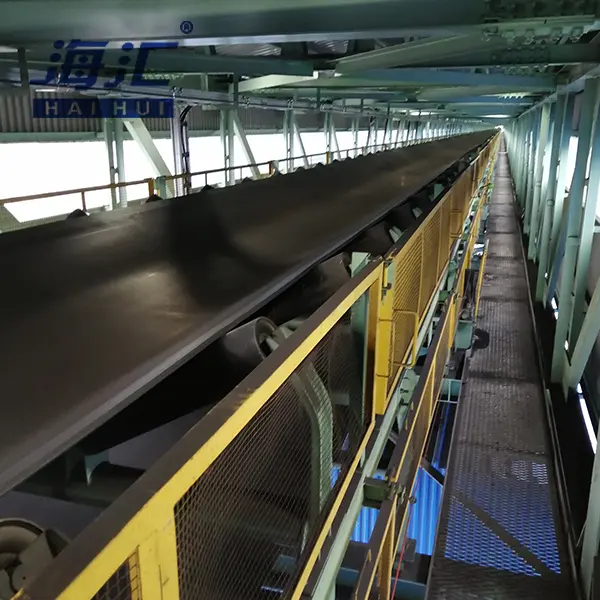
➔ Стабилизация обратного ремня: Обеспечьте опору для пустого обратного ремня, чтобы исключить его провисание, поддерживать постоянное натяжение и обеспечить движение ремня по фиксированной траектории.
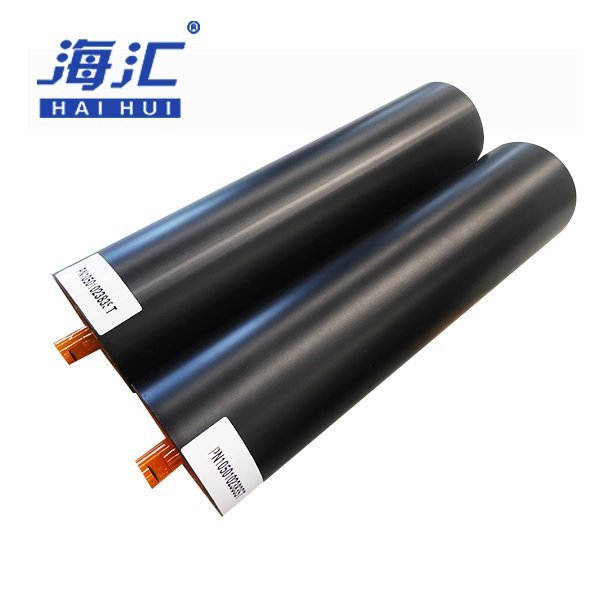
➔ Герметичная конструкция с низким коэффициентом трения: благодаря применению многослойного уплотнения и высокоточных подшипников удается снизить сопротивление обратного хода, сократить энергопотребление и предотвратить заклинивание роликов.
Повысьте стабильность работы вашего конвейера с компанией Haihui: вам нужны надежные и нетребовательные к обслуживанию возвратные ролики для долговечной эксплуатации конвейера? Компания Haihui производит полный спектр компонентов для конвейеров с возвратными роликами, оптимизированных для промышленного использования. Обратитесь к нашим инженерам-специалистам, чтобы в течение одного дня получить индивидуальное предложение. Свяжитесь с нами уже сегодня.
Многие заводские команды уделяют внимание исключительно верхним несущим роликам, поддерживающим материалы, игнорируя при этом огромную важность систем возвратных роликовых конвейеров, установленных на нижней ленте. Пренебрежение качеством и техническим обслуживанием возвратных роликов создает скрытые риски, которые незаметно съедают операционную прибыль. Компания «Хайхуэй» придерживается практического подхода, обеспечивая синхронную циркуляцию ленты и долгосрочную стабильную работу каждой системы возвратных роликовых конвейеров.
Обратный ход конвейерной ленты может казаться несущим никакой нагрузки и не представляющим особого риска, однако именно он напрямую определяет общее состояние работы всего оборудования. Некачественные или поврежденные обратные ролики вызывают цепь эксплуатационных проблем, которые большинство бригад не успевают вовремя обнаружить.
Несимметричная высота возвратного ролика, заклинивание при вращении или изношенные поверхности приводят к неравномерному трению о нижнюю ленту. Эта небольшая разница в трении постепенно сбивает ленту с траектории, что приводит к разбрасыванию материала, износу кромок и необходимости частых ручных корректировок. Длительное отклонение может даже деформировать сердечник ленты, что приведет к её необратимому выходу из строя.
На обычных гладких обратных роликах легко скапливается мелкая пыль, рудная пудра и влажные остатки материала. Накопившиеся и спрессовавшиеся отложения образуют на поверхности роликов твердые бугры, что приводит к появлению точек неравномерного давления на ленте. Каждый оборот приводит к локальному истиранию ленты, что значительно ускоряет ее износ и повреждение.
Заклинившиеся обратные ролики теряют способность к плавному вращению, в результате чего трение качения превращается в трение скольжения. Двигателю конвейера приходится развивать дополнительную мощность для продвижения ленты, что приводит к постоянной потере энергии и увеличению нагрузки на оборудование. Длительная работа в режиме перегрузки также сокращает срок службы двигателей и редукторов.
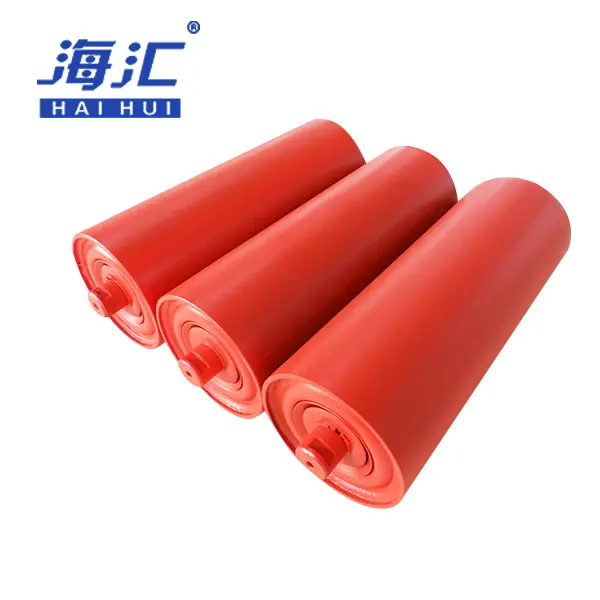
Компоненты обратного роликового конвейера премиум-класса — это не просто опоры, а основная гарантия циркуляции ленты по замкнутому контуру. Оптимизированная конструкция обратных роликов компании «Хайхуэй» устраняет все типичные скрытые риски, присущие традиционным системам возврата.
Полная регулировка натяжения ремня
Эффективность активной самоочистки
Долгосрочная стабильность энергосбережения
Стойкость в суровых условиях эксплуатации
5 практических шагов по техническому обслуживанию конвейерных систем с возвратными роликами
Шаг 1: Полная проверка плавности вращения обратного ролика
Метод проверки
Работа с проблемами
Цикл проверок
Шаг 2: Удаление остатков материала и нагара с поверхности
С помощью щетки и пневматического пистолета удалите сухую пыль и порошок с поверхности валика и из зазоров. Для удаления сильно прилипшей грязи используйте профессиональное чистящее средство, чтобы размягчить и удалить её, избегая сильных ударов, которые могут деформировать корпус валика.
Зазоры между резиновыми дисками, уплотнительные поверхности подшипников и сварные швы на поверхности роликов — эти труднодоступные места наиболее подвержены скоплению грязи и их сложно очистить.
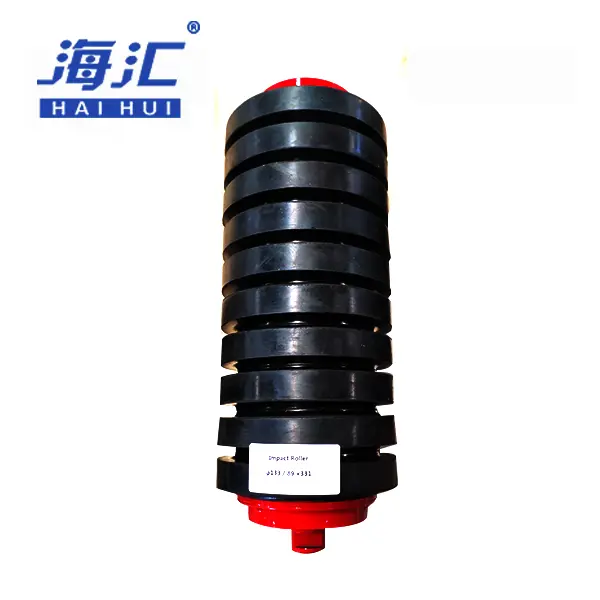
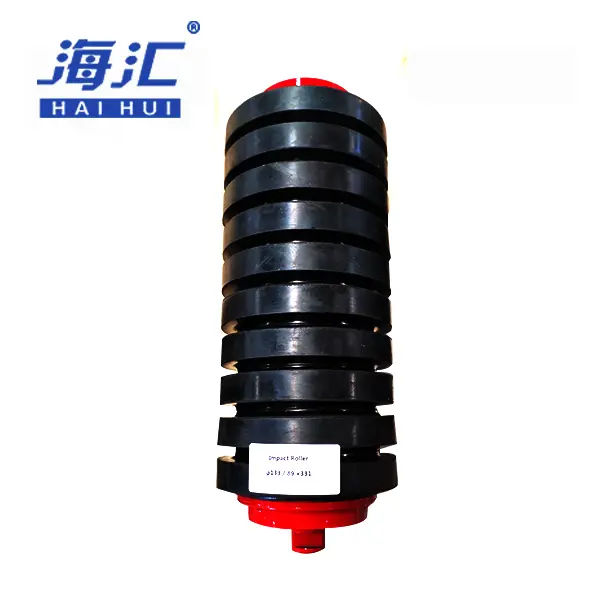
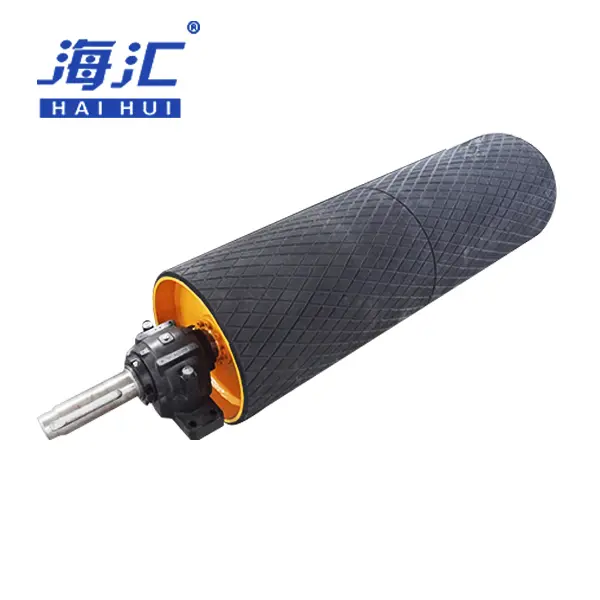
Самоочищающиеся резиновые дисковые обратные ролики позволяют значительно сократить частоту ручной очистки, автоматически стряхивая остатки материала во время работы, что делает их идеальным решением для конвейерных линий на шахтах и гравийных карьерах.
Длительное воздействие вибрации и нагрузки на материал приводит к ослаблению крепления обратного ролика, что вызывает отклонение по высоте и неравномерность расстояния между элементами. Даже незначительные погрешности по высоте приводят к дисбалансу натяжения ленты и её постепенному смещению.
Все обратные ролики расположены на одной горизонтальной линии, при этом погрешность по высоте не превышает 2 мм. Расстояние между ними строго соответствует проектным нормам, что обеспечивает равномерную опору ленты.
С помощью уровня и рулетки измерьте каждый ряд, затяните ослабленные болты, подложите под деформированные кронштейны прокладки и после калибровки надежно затяните все позиционирующие болты, чтобы предотвратить повторное смещение.
Система уплотнений и смазка подшипников определяют срок службы обратных роликов. Ненадежные уплотнения приводят к проникновению пыли и влаги, что вызывает ржавчину на подшипниках и потерю смазки, а это, в свою очередь, напрямую приводит к выходу роликов из строя.
Проверьте, не изношена ли уплотнительная прокладка, не деформирована ли она и не повреждена ли. Обратите внимание, нет ли утечки пыли на торцевой крышке подшипника — утечка свидетельствует о неисправности уплотнения.
Техническое обслуживание системы смазки
Профессиональная справочная информация
Шаг 5: Замена изношенных роликов и стандартизация монтажа
Критерий замены судебного решения
Технические условия монтажа
Основные промышленные стандарты для систем конвейеров с возвратными роликами
Стандарты качества производства ISO 9001
Выполнение основных стандартов
Технические требования к адаптации промышленных объектов к условиям окружающей среды
Стандарты для горно-шахтной и портовой промышленности, предусматривающие повышенные нагрузки
Стандарты по защите от коррозии на химических заводах
Нормы безопасности при монтаже и размещении оборудования
| Состояние конвейера | Расстояние между возвратными роликами | Допустимая погрешность по высоте | Основные требования к установке |
|---|---|---|---|
| Конвейерная система для мастерских с небольшой нагрузкой | 1000–1200 мм | ≤2 мм | Равномерное горизонтальное усилие, отсутствие провисания ремня |
| Транспортировка тяжелых грузов в шахтах | 800–1000 мм | ≤1,5 мм | Повышенная устойчивость, конструкция, предотвращающая отклонение |
| Влажная портовая среда | 900–1100 мм | ≤2 мм | Антикоррозионная и противоскользящая конструкция |
Разница в эксплуатационных характеристиках между обычными возвратными роликами и промышленными высокопроизводительными возвратными роликами в полной мере проявляется в стабильности работы, долговечности и затратах на техническое обслуживание. Это практическое сравнение поможет вам избежать ловушек, связанных с закупкой некачественной продукции, и выбрать экономически эффективные компоненты для конвейеров с возвратными роликами.
В большинстве недорогих стандартных роликов обратного хода используется простое однослойное уплотнение, обычные подшипники и технология грубой обработки, что позволяет обеспечить лишь краткосрочную работу при небольших нагрузках.
Низкая герметичность, легкое проникновение пыли и влаги, быстрое заржавление подшипников и их заклинивание. Большое сопротивление вращению, повышенный износ ремня и энергопотребление. Неравномерная округлость роликов, склонность к смещению ремня. Отсутствие самоочищающейся способности, сильное слеживание материала и повторяющийся износ.
Компания «Хайхуэй» оптимизирует материалы, конструкцию и технологии во всех аспектах, уделяя особое внимание устранению недостатков обычных возвратных роликов, чтобы создавать надежные конвейерные системы с возвратными роликами промышленного класса.
Многослойная композитная уплотнительная конструкция полностью изолирует устройство от пыли и влаги, обеспечивая его долговременную работу в условиях пыле- и водонепроницаемости. Высокоточные подшипники с низким сопротивлением обеспечивают плавное вращение и низкое энергопотребление.
Опциональная самоочищающаяся конструкция с резиновым диском активно удаляет остатки материала, предотвращая износ от слипания. Антикоррозионный оцинкованный корпус устойчив к окислению и коррозии, что позволяет ему работать в различных суровых условиях.
Длительный срок службы позволяет сократить расходы, связанные с частый заменой. Стабильная работа снижает энергопотребление и затраты на техническое обслуживание, обеспечивая более высокую экономическую эффективность в долгосрочной перспективе по сравнению с обычными продуктами.
По итогам анализа опыта эксплуатации на производстве можно сделать вывод, что неисправности в обратном роликовом конвейере носят крайне повторяющийся характер. Освоение целенаправленных методов устранения неисправностей позволяет быстро устранить скрытые угрозы и избежать убытков, связанных с остановкой производства.
Причины: Неисправность системы смазки подшипников, скопление пыли и ржавчины внутри, ослабление внутренних деталей, а также трение о кронштейн.
Неисправность 2: Отклонение и провисание возвратного ремня
Решения: Отрегулируйте горизонтальную высоту и расстояние между роликами, отремонтируйте или замените неисправные ролики, а также отрегулируйте общее натяжение ленты, чтобы обратная лента оставалась ровной и устойчивой.
Неисправность 3: Серьёзное слепление остатков материала
Решения: Увеличьте частоту ежедневной уборки, замените возвратные ролики на самоочищающиеся резиновые дисковые ролики Haihui и кардинально решите проблемы, связанные с накоплением материала.
Обладая многолетним опытом в производстве компонентов для промышленных конвейеров, компания Haihui специализируется на разработке, производстве и изготовлении на заказ возвратных роликовых конвейеров, несущих роликов и сопутствующих конвейерных комплектующих. Мы соблюдаем строгие промышленные стандарты производства, поставляя высококачественные, не требующие частого обслуживания и долговечные конвейерные компоненты для промышленных заказчиков по всему миру.
Готовы модернизировать систему обратного транспорта вашего конвейера и сократить расходы на техническое обслуживание? Свяжитесь с компанией Haihui уже сегодня, чтобы в течение 24 часов получить профессиональные технические решения и эксклюзивные коммерческие предложения.
Функциональные различия между несущими и возвратными роликами — Отчет по промышленной конвейерной технике 2025
Исследование конструкции уплотнения возвратного ролика и антикоррозионного дизайна – Журнал по техническому обслуживанию оборудования
Руководство по техническому обслуживанию конвейерных роликов в суровых условиях эксплуатации — Стандарт промышленной эксплуатации
 English
 العربية
 Português do Brasil
 Русский
 Español