
Практическое применение ленточных конвейеров во всех отраслях промышленности
- Основные области применения ленточных конвейеров в промышленности
- 1. Перевозка насыпных грузов в горнодобывающей и тяжелой промышленности
- 2. Чистая транспортировка продуктов питания и фармацевтических препаратов
- 3. Производство и конвейерная передача
- 4. Логистика и складирование: сортировка и погрузочно-разгрузочные работы
- 5. Транспортировка химических веществ и строительных материалов
- 6. Портовые операции и погрузка крупногабаритных навалочных грузов
- Сравнение эксплуатационных характеристик ленточных конвейеров по отраслям
- 5 основных преимуществ использования ленточных конвейерных систем
- Распространенные ошибки при эксплуатации ленточных конвейеров и правильные решения
- Как выбрать ленточные конвейеры в зависимости от условий эксплуатации
- Часто задаваемые вопросы об использовании ленточного конвейера
Правильный выбор оборудования для транспортировки материалов напрямую определяет эффективность производства, затраты на рабочую силу и стабильность работы современных предприятий. Многие предприятия по-прежнему полагаются на устаревшие методы ручной погрузки-разгрузки или несоответствующее конвейерное оборудование, что приводит к низкой пропускной способности, частым повреждениям материалов и ненужным трудозатратам. Как профессиональный производитель ленточных конвейеров, компания Haihui обобщила практический промышленный опыт, чтобы разъяснить основные области применения систем ленточных конвейеров в различных сценариях.
В отраслевых технических отчетах за 2026 год инженерные и научно-исследовательские подразделения компании «Хайхуэй» подчеркивают, что внедрение стандартизированных ленточных конвейеров является ключевым решением для автоматизированной, непрерывной и экономичной транспортировки материалов. Глобальные отраслевые данные показывают, что ленточные конвейерные системы заменили более 70% традиционных ручных операций и операций с использованием вилочных погрузчиков при перегрузке сыпучих материалов и на сборочных линиях, став незаменимым базовым промышленным оборудованием.
Инвестиции в подходящий ленточный конвейер — это не просто покупка оборудования, а оптимизация всего производственного и логистического процесса с целью снижения долгосрочных операционных рисков.
Основные области применения ленточных конвейеров в промышленности
Сфера применения ленточных конвейеров охватывает практически все сферы промышленного производства и логистики. В отличие от однофункционального погрузочно-разгрузочного оборудования, ленточные конвейеры позволяют гибко настраивать скорость, угол наклона, конструкцию и материалы, адаптируясь к условиям работы с легкими, средними и тяжелыми грузами. Ниже мы рассмотрим наиболее распространенные и значимые сценарии применения ленточных конвейеров в современной промышленности.
1. Перевозка насыпных грузов в горнодобывающей и тяжелой промышленности
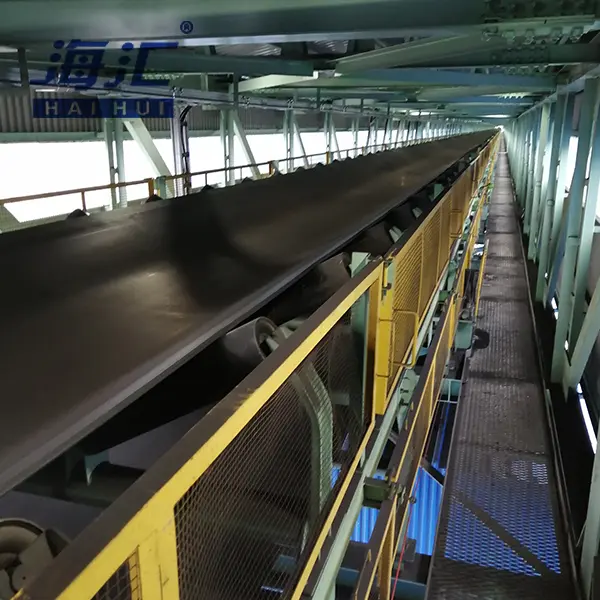
Горнодобывающая и тяжелая промышленность — это самая ранняя и наиболее обширная сфера применения ленточных конвейеров. Традиционные виды транспортировки с использованием вилочных погрузчиков и грузовиков характеризуются высокой стоимостью, низкой эффективностью и ограниченной способностью к непрерывной работе, в то время как ленточные конвейеры обеспечивают круглосуточную бесперебойную транспортировку сыпучих материалов.
Основные транспортируемые материалы
Уголь, железная руда, известняк, гравий, горные отвалы и другие сыпучие материалы с крупными частицами и высокой плотностью.
Ссылки на основные приложения
Сбор сырья у входа в шахту, подача на дробилку, транспортировка материала по цеху, складирование на отвалах, а также погрузка и транспортировка готовой продукции. Ленточные конвейеры с соединением на большие расстояния позволяют осуществлять транспортировку материала через горы и между цехами, устраняя ограничения, связанные с планировкой горнодобывающих объектов.
Преимущества сценария
Конвейеры повышенной грузоподъемности, оснащенные лентами, армированными стальной проволокой, обладают высокой ударопрочностью и сопротивлением разрыву. Они эффективно снижают потери материала и запыленность, значительно сокращают расход топлива и трудозатраты, связанные с автомобильными перевозками, а также повышают общую эффективность горных работ.
Изготовленные по индивидуальному заказу горнодобывающие ленточные конвейеры компании «Хайхуэй» оснащены усиленными рамами и амортизирующими роликами, что позволяет им стабильно работать в суровых условиях эксплуатации, таких как высокая запыленность и сильные удары, полностью удовлетворяя потребности горнодобывающих предприятий в непрерывном производстве.
2. Чистая транспортировка продуктов питания и фармацевтических препаратов
Пищевая и фармацевтическая промышленности предъявляют чрезвычайно высокие требования к гигиене оборудования, предотвращению загрязнения и защите материалов, что является одним из важных направлений применения ленточных конвейерных систем. Обычное погрузочно-разгрузочное оборудование подвержено образованию остатков и загрязнению, в то время как ленточные конвейеры пищевого назначения обеспечивают безопасную и чистую транспортировку материалов.
Основные транспортируемые материалы
Зерновые продукты, снеки, консервы, напитки в бутылках, фармацевтические таблетки, медицинские товары и упакованные товары для здоровья.
Ссылки на основные приложения
Подача на производственную линию, транспортировка готовой продукции, сортировка по упаковкам, контроль качества и сортировка, а также транспортировка на склад. Стабильная низкоскоростная транспортировка позволяет избежать столкновений, сдавливания и повреждения материалов.
Преимущества сценария
Оборудование, оснащённое лентами из полиуретана (PU) и поливинилхлорида (PVC), пригодными для контакта с пищевыми продуктами, а также полностью закрытыми конструкциями из нержавеющей стали, соответствует требованиям BPA-NI, легко моется и не оставляет остатков. Оно эффективно изолирует пыль и примеси, соответствует стандартам безопасности производства пищевых продуктов и лекарственных средств, а также обеспечивает чистоту и целостность продукции.
Специализированные конвейеры компании «Хайхуэй» для пищевой и фармацевтической промышленности обеспечивают бесступенчатое регулирование скорости и отличаются плавными переходами в конструкции; на всей конструкции отсутствуют острые углы, что позволяет избежать появления царапин и повреждений хрупких упакованных изделий.
3. Производство и конвейерная передача
Интеллектуальное производство и автоматизированные сборочные линии в значительной степени полагаются на ленточные конвейеры для циклической транспортировки материалов. Это наиболее распространенная область применения ленточных конвейеров в легких условиях эксплуатации, обеспечивающая бесперебойную связь между всеми производственными процессами.
Основные транспортируемые материалы
Электронные аксессуары, автозапчасти, металлические детали, изделия из пластмассы и полуфабрикаты для сборки.
Ссылки на основные приложения
Подача материалов на рабочие места, транспортировка полуфабрикатов, транспортировка готовой продукции на этап сборки, транспортировка продукции на этап контроля качества и возвращение продукции, подлежащей доработке. Скорость конвейера можно синхронизировать с производственным ритмом для обеспечения стандартизированной работы сборочной линии.
Преимущества сценария
Стабильная скорость транспортировки и точное позиционирование позволяют исключить погрешности и задержки, характерные для ручной обработки. Гибкая линейная и криволинейная конфигурация линии адаптируется к различным планировкам производственных помещений, что значительно повышает стандартизацию производства и эффективность выпуска продукции.
Компания «Хайхуэй» предлагает индивидуальную настройку конвейеров для сборочных линий, а также подходящие антистатические ленты для электронных цехов и износостойкие ленты для обработки металлоизделий, что обеспечивает стабильную работу в различных производственных условиях.
4. Логистика и складирование: сортировка и погрузочно-разгрузочные работы
С быстрым развитием электронной коммерции и современной логистики ленточные конвейеры стали основным оборудованием автоматизированных сортировочных складов. Использование ленточных конвейеров в логистике ориентировано на высокую эффективность, большую пропускную способность и гибкость подключения.
Основные транспортируемые материалы
Экспресс-посылки, товары в картонной упаковке, упакованные товары повседневного спроса, логистические грузы навалом и материалы, подлежащие обороту на складе.
Ссылки на основные приложения
Входной контроль на складе, автоматическая сортировка, межрегиональная перевозка материалов, погрузочно-разгрузочные операции и распределение отгружаемой продукции. Система может интегрироваться с сортировочными машинами, сканирующим оборудованием и роботами-паллетизаторами для обеспечения полностью автоматизированных логистических операций.
Преимущества сценария
Она решает проблемы низкой эффективности ручной сортировки и высокого уровня ошибок. Телескопическая и регулируемая конструкция адаптируется к загрузке грузовиков и штабелированию на складе, сокращает время оборота грузов в логистической цепочке и снижает интенсивность ручной работы.
Специализированные ленточные конвейеры компании «Хайхуэй» для логистики оснащены системами защиты от смещения и проскальзывания, что позволяет им стабильно работать в течение длительного времени в условиях высокочастотной сортировки и повышать эффективность работы склада.
5. Транспортировка химических веществ и строительных материалов
В химической и строительно-материальной промышленности используются коррозионно-активные, пылесодержащие и высокотемпературные материалы, что предъявляет повышенные требования к коррозионной стойкости и износостойкости конвейерного оборудования. Специализированные ленточные конвейеры идеально подходят для работы в таких суровых условиях эксплуатации.
Основные транспортируемые материалы
Цементная пудра, химическое сырье, удобрения, гипс, песок и гравий, а также высокотемпературные спеченные материалы.
Ссылки на основные приложения
Подача сырья, его переработка и транспортировка, выпуск готовой продукции и хранение запасов. Полностью закрытая конструкция обеспечивает эффективный контроль за выбросом пыли и соответствует экологическим нормам по выбросам.
Преимущества сценария
Оборудование оснащено специальными ремнями, устойчивыми к воздействию кислот и щелочей, термостойкими и огнестойкими, а также имеет антикоррозионную обработку всей рамы машины. Это позволяет избежать старения и повреждения оборудования, вызванных коррозионными материалами и высокотемпературными условиями, а также снизить загрязнение окружающей среды, вызванное утечкой пыли.
Конвейеры для транспортировки химических веществ и строительных материалов компании «Хайхуэй» строго соответствуют промышленным стандартам в области охраны окружающей среды и оснащены настраиваемыми пылезащитными кожухами и уплотнительными конструкциями, что помогает предприятиям выполнять требования экологических инспекций.
6. Портовые операции и погрузка крупногабаритных навалочных грузов
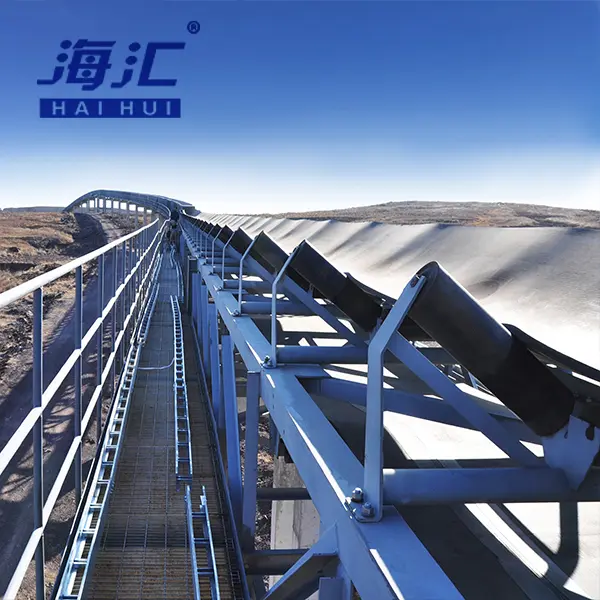
Портовым терминалам, зерновым складам и крупным грузовым площадкам требуется конвейерное оборудование сверхвысокой пропускной способности, а ленточные конвейеры для перевозки тяжелых грузов на большие расстояния являются основным оборудованием для погрузки и разгрузки насыпных грузов.
Основные транспортируемые материалы
Уголь, зерно, минеральный порошок, сыпучий песок и гравий, а также портовые навалочные грузы.
Ссылки на основные приложения
Погрузка и разгрузка судов, складирование на площадках, перевалка сыпучих материалов между участками и быстрая погрузка транспортных средств. Сверхдлинные конвейерные линии с соединениями обеспечивают бесперебойную транспортировку больших объемов грузов.
Преимущества сценария
Он отличается высокой почасовой пропускной способностью и стабильной работой на больших расстояниях, что значительно повышает эффективность погрузочно-разгрузочных работ в порту. Данная система заменяет традиционные методы погрузки и разгрузки с использованием кранов и грузовиков, снижает совокупные логистические затраты и обеспечивает круглосуточную непрерывную работу.
Сравнение эксплуатационных характеристик ленточных конвейеров по отраслям
В различных отраслях промышленности предъявляются свои требования к эксплуатационным характеристикам ленточных конвейеров. Приведенная ниже сравнительная таблица наглядно демонстрирует соответствующие технические характеристики, основные преимущества и условия эксплуатации ленточных конвейеров в наиболее распространенных сценариях, что помогает пользователям быстро выбрать оборудование с учетом реальных условий эксплуатации.
| Области применения | Тип ремня, подходящего к данной модели | Допустимая скорость (м/с) | Основные требования к производительности | Значение ключевого назначения |
|---|---|---|---|---|
| Горнодобывающая и тяжелая промышленность | Резиновая лента, армированная стальной проволокой | 1.5–4.0 | Устойчивый к разрыву, ударопрочный, рассчитанный на высокие нагрузки | Осуществляем перевозки на большие расстояния и круглосуточные перевозки навалом |
| Пищевая и фармацевтическая промышленность | Пищевая лента из полиуретана/ПВХ | 0.5–1.5 | Гигиеничный, нетоксичный, легко моется, защищает от загрязнений | Обеспечить безопасность продукции и предотвратить загрязнение |
| Производство и сборка | Антистатический/обычный ПВХ-ремень | 1.0–2.5 | Стабильная работа, точное регулирование скорости, низкий уровень шума | Соответствовать темпу конвейера и повышать уровень стандартизации |
| Логистика и складирование | Износостойкий резиновый ремень | 1.5–3.0 | Износостойкий, противоскользящий, с высокой пропускной способностью | Повышение эффективности сортировки и сокращение затрат на рабочую силу |
| Химические вещества и строительные материалы | Антикоррозионный/огнестойкий ремень | 1.0–2.0 | Устойчив к воздействию кислот и щелочей, пыленепроницаем, термостойкий | Адаптация к суровым условиям эксплуатации и соответствие экологическим стандартам |
| Порт для перевалки насыпных грузов | Утолщённый резиновый ремень | 2.0–4.0 | Сверхтяжёлая нагрузка, стабильная работа на больших расстояниях | Обеспечить высокопроизводительную и высокоэффективную погрузку больших объемов |
Все ленточные конвейеры Haihui конфигурируются с учетом особенностей эксплуатации в конкретной отрасли. Мы избегаем как излишних затрат, связанных с избыточной комплектацией, так и снижения производительности из-за недостаточной комплектации, обеспечивая тем самым максимальную эффективность использования каждого агрегата в соответствующих условиях эксплуатации.
5 основных преимуществ использования ленточных конвейерных систем
Широкая популярность ленточных конвейеров в различных отраслях промышленности обусловлена их незаменимыми практическим преимуществами по сравнению с вилочными погрузчиками, кранами и ручной погрузкой-разгрузкой. Обобщение основных преимуществ их использования помогает предприятиям точно раскрыть потенциал оборудования.
1. Непрерывная работа без перерывов
В отличие от прерывистой работы традиционного оборудования, ленточные конвейеры обеспечивают круглосуточную непрерывную циклическую работу без частых запусков и остановок. Это идеально соответствует режиму непрерывного производства на современных заводах, устраняет производственные «узкие места», вызванные прерывистой подачей материала, и значительно повышает общую эффективность производства.
2. Значительное сокращение затрат на рабочую силу
Одна ленточная конвейерная линия может заменить 3–8 работников, выполняющих ручные операции. Она обеспечивает автоматическую транспортировку материала от загрузки до разгрузки, снижает зависимость от ручного труда и позволяет избежать нецелевого использования трудовых ресурсов и ошибок при погрузочно-разгрузочных работах. При долгосрочной эксплуатации затраты на оборудование окупаются в короткие сроки за счет экономии на затратах на рабочую силу.
3. Низкий уровень материального ущерба и хорошая стабильность
Поверхность ленты ровная и мягкая, скорость транспортировки стабильна, при этом отсутствуют сильные вибрации и удары. При транспортировке хрупких пищевых продуктов, прецизионных электронных деталей и сыпучих материалов, склонных к рассыпанию, эта система позволяет эффективно снизить показатели поломки, просыпания и повреждения, сократить потери продукции и повысить выход готовой продукции.
4. Гибкая компоновка и высокая адаптивность
Ленточные конвейеры могут работать в горизонтальном, наклонном, криволинейном и многоуровневом комбинированном режимах. Их длину, ширину и конструкцию можно адаптировать с учетом площади производственных помещений и технологического процесса, они легко приспосабливаются к сложным условиям на объекте и позволяют решать задачи транспортировки материалов в нестандартных цехах.
5. Неприхотливость в обслуживании и высокая безопасность
Общая конструкция ленточного конвейера проста, в ней мало изнашиваемых деталей, а механические характеристики остаются стабильными. Ежедневное техническое обслуживание сводится к регулярной очистке и осмотру роликов, что обеспечивает низкие затраты на обслуживание и сокращает время простоя. Благодаря наличию полного комплекта защитных устройств удается предотвратить несчастные случаи, такие как застревание оборудования и падение материала во время работы.
Распространенные ошибки при эксплуатации ленточных конвейеров и правильные решения
В условиях реального промышленного производства на многих предприятиях наблюдается низкая эффективность оборудования и частые поломки не из-за низкого качества оборудования, а из-за неправильного использования и несоответствующего выбора условий эксплуатации. Обобщение типичных ошибок в эксплуатации может помочь максимально продлить срок службы и повысить эффективность ленточных конвейеров.
Ошибка № 1: Использование универсального оборудования для всех материалов
Многие пользователи используют обычные резиновые ленты для транспортировки коррозионных химических веществ или высокотемпературных материалов, что приводит к быстрому старению ленты, появлению трещин и повреждениям. Решение: подбирать специальные функциональные ленты с учетом характеристик материала и выбирать для агрессивных материалов индивидуально разработанные модели с антикоррозионными, термостойкими или огнестойкими свойствами.
Нарушение 2: Длительная эксплуатация в режиме перегрузки
Бесконтрольное увеличение объема транспортировки и чрезмерное нагромождение материалов приводят к перегрузке двигателя, смещению ленты и износу роликов. Решение: эксплуатировать оборудование в строгом соответствии с номинальными параметрами, обеспечить запас по нагрузке 10%–20% и избегать длительной работы в режиме перегрузки.
Ошибка 3: Необоснованный подбор угла наклона
Использование чрезмерного угла наклона при транспортировке сыпучих и скользких материалов приводит к их скольжению и обратному потоку. Решение: подобрать оптимальный угол наклона с учетом коэффициента трения материала и размера частиц, а также установить перегородки и противоскользящие накладки при транспортировке под большим углом.
Ошибка № 4: Пренебрежение ежедневной уборкой и техническим обслуживанием
Длительное накопление остатков материала и пыли приводит к заклиниванию роликов и смещению ленты. Решение: регулярно очищайте поверхность ленты и удаляйте остатки материала из внутренних частей, регулярно проверяйте изнашиваемые детали и своевременно заменяйте расходные материалы для обеспечения стабильной работы.
Как выбрать ленточные конвейеры в зависимости от условий эксплуатации
Разумный выбор модели с учетом реальных потребностей эксплуатации является залогом полного раскрытия потенциала ленточных конвейеров. Компания ’Хайхуй» подготовила ряд практических рекомендаций по выбору, основанных на конкретных сценариях, для использования промышленными заказчиками.
Шаг 1: Подтвердите основные материалы для транспортировки
Уточните тип материала (сыпучий/хрупкий/упакованный), размер частиц, вес, температуру и коррозионные характеристики для определения материала ленты и класса нагрузки на оборудование.
Шаг 2: Определение требований к производственному процессу
Уточните требуемую скорость транспортировки, часовую пропускную способность, расстояние транспортировки и угол наклона, чтобы подобрать оборудование с соответствующей мощностью, габаритами и конструктивными параметрами.
Шаг 3: Соблюдение отраслевых экологических стандартов
Для пищевой и фармацевтической промышленности выбирайте гигиеничные и пылезащитные модели; для химической промышленности — взрывозащищенные и коррозионно-стойкие модели; для горных работ — усиленные модели повышенной прочности.
Шаг 4: Проверить возможности производителя по индивидуальной настройке
Выбирайте производителей, обладающих стандартизированным производством и обширным опытом в области индивидуальных решений, чтобы обеспечить возможность адаптации оборудования к планировке помещения и оптимизации технологического процесса, избегая при этом однофункционального оборудования, которое не сможет адаптироваться к последующим модернизациям производства.
Часто задаваемые вопросы об использовании ленточного конвейера
1. Для чего чаще всего используется ленточный конвейер?
Наиболее распространенным применением является непрерывная автоматическая транспортировка материалов. Она заменяет ручную и механическую прерывистую погрузочно-разгрузочную работу, обеспечивая стабильную передачу материалов между производственными процессами, цехами и складами, и широко используется в производстве, логистике и отраслях, работающих с сыпучими материалами.
2. Могут ли ленточные конвейеры работать в условиях высоких температур и коррозионной среды?
Да. Обычные ленточные конвейеры подходят для стандартных условий эксплуатации в помещениях, тогда как модели, изготовленные по индивидуальному заказу с использованием термостойких, антикоррозионных и огнестойких лент, а также каркасов из нержавеющей стали, способны стабильно работать в условиях химической и высокотемпературной обработки, а также в других суровых условиях эксплуатации.
3. В чём заключается разница между сценариями эксплуатации ленточных конвейеров для легких и тяжелых грузов?
Модели для легких условий эксплуатации в основном используются для перевозки легких упакованных грузов, таких как электроника, продукты питания и логистические посылки, при низкой нагрузке и стабильной скорости; модели для тяжелых условий эксплуатации применяются для перевозки тяжелых сыпучих материалов, например, в горнодобывающей промышленности, при транспортировке строительных материалов и в портах, где характерны большая нагрузка, высокая пропускная способность и высокая ударопрочность.
4. Можно ли адаптировать ленточные конвейеры под специальные производственные линии?
Безусловно. Компания «Хайхуэй» предлагает полную индивидуальную настройку, включая форму конструкции, угол транспортировки, скорость движения, материал ленты и конфигурацию систем безопасности, что позволяет удовлетворить особые эксплуатационные требования производственных линий со специальными технологическими процессами и нестандартных планировок производственных помещений.
 English
 العربية
 Português do Brasil
 Русский
 Español