Los mejores tipos de cintas transportadoras para uso industrial
- Principales tipos de cintas transportadoras según su diseño estructural
- Tabla comparativa de rendimiento y aplicaciones de los distintos tipos de cintas transportadoras
- 4 normas fundamentales de clasificación para cintas transportadoras
- Errores habituales en la elección de los tipos de cintas transportadoras y sus soluciones
- Cómo elegir los tipos adecuados de cintas transportadoras para tu fábrica
- Preguntas frecuentes sobre los tipos de cintas transportadoras
- Servicio profesional de personalización y adaptación a cada situación de Haihui
- Referencias
La elección de los tipos adecuados de cintas transportadoras puede influir en gran medida en la eficiencia de la producción, la estabilidad de los equipos y los costes operativos a largo plazo. Muchos responsables de fábrica cometen un error habitual: utilizar un modelo de cinta transportadora universal para todos los materiales y condiciones de trabajo. Esta elección inadecuada suele provocar deslizamientos del material, desviaciones frecuentes de la cinta, desgaste innecesario e incluso paradas de producción inesperadas. Como fabricante profesional de cintas transportadoras industriales, Haihui ha recopilado experiencia práctica sobre el terreno para explicar con detalle los principales tipos de cintas transportadoras, sus diferencias estructurales, sus ventajas fundamentales y los escenarios de aplicación específicos.
Los informes mundiales sobre el sector de la manipulación de materiales de 2026 muestran que la selección estandarizada de diferentes tipos de cintas transportadoras puede reducir las tasas de averías de los equipos en más de un 60% y recortar de forma efectiva los costes de mano de obra y mantenimiento. Las mejoras en la automatización industrial están llevando a un mayor número de fábricas a abandonar los equipos de transporte de un solo tipo y a adoptar una combinación clasificada en función de las fases de producción y las características de los materiales.
Elegir el tipo adecuado de cinta transportadora nunca es una compra de equipamiento baladí: se trata de un paso clave para optimizar todo el flujo de trabajo de manipulación de materiales y estabilizar el rendimiento de la producción.
Principales tipos de cintas transportadoras según su diseño estructural
Las cintas transportadoras industriales disponibles en el mercado cuentan con un sistema de clasificación completo basado en la disposición estructural, el ángulo de funcionamiento y el diseño funcional. Cada tipo de cinta transportadora presenta características estructurales únicas y limitaciones de aplicación. No existe un único modelo que se adapte a todos los entornos de producción. A continuación, desglosamos los tipos de cintas transportadoras más utilizados y prácticos para los entornos industriales modernos.
1. Transportador de cinta horizontal
La cinta transportadora horizontal es el tipo más básico y más utilizado en la producción industrial ligera y media. Se caracteriza por su trazado recto y horizontal, su estructura mecánica sencilla y su funcionamiento extremadamente estable, por lo que constituye la configuración estándar para la mayoría de las líneas de montaje y los talleres de logística.
Características estructurales
Adopta una disposición de bastidor totalmente horizontal y conjuntos de rodillos paralelos. La cinta transportadora discurre en línea recta, sin inclinaciones ni curvas. La máquina en su conjunto presenta un bajo nivel de ruido de funcionamiento, una velocidad estable y pocas piezas susceptibles de avería. Es fácil de instalar, poner a punto y mantener en la producción diaria.
Materiales aplicables
Embalajes de cartón, productos industriales acabados, accesorios electrónicos, piezas de ferretería, materiales a granel planos y diversos materiales en cajas y sacos aptos para el transporte horizontal.
Escenarios de aplicación principales
Transporte en líneas de montaje automatizadas, inspección y clasificación de productos terminados, movimiento de materiales dentro del taller, distribución horizontal en el almacén y manipulación diaria de materiales de baja intensidad.
Ventajas del escenario
Permite un transporte estable y sin daños de materiales comunes, evita eficazmente la extrusión del material y los daños por colisión, y se adapta al ritmo de funcionamiento estable de las líneas de producción automatizadas. Su estructura sencilla reduce considerablemente la carga que supone el mantenimiento diario y la probabilidad de averías del equipo.
Las cintas transportadoras horizontales de Haihui permiten una regulación continua de la velocidad y se pueden personalizar en cuanto a anchura y longitud. Configuramos cintas antiestáticas, resistentes al desgaste y aptas para uso alimentario en función de las diferentes necesidades de producción, con el fin de satisfacer las diversas exigencias del transporte de cargas ligeras.
2. Transportador de cinta inclinado
La cinta transportadora inclinada es un modelo mejorado y personalizado de cinta transportadora, diseñado para el transporte con desnivel. Resuelve el problema que supone la elevación de materiales entre diferentes plantas, equipos y alturas de producción, y se utiliza ampliamente en los tramos de alimentación y elevación de diversas líneas de producción.
Características estructurales
Adopta un diseño de bastidor inclinado con ángulo de inclinación ajustable. Está equipada con patrones antideslizantes, deflectores o bordes de faldón en la superficie de la cinta, según sea necesario. Evita de forma eficaz el deslizamiento y el reflujo del material durante el funcionamiento en ángulos pronunciados y permite adaptarse con flexibilidad a las diferencias de altura.
Materiales aplicables
Materiales granulares a granel, materiales en polvo, productos envasados de pequeño tamaño y materiales de forma irregular que requieren un sistema de elevación vertical.
Escenarios de aplicación principales
Alimentación y elevación en líneas de producción, carga en almacenes y ajuste de altura, transporte de material entre plantas superiores e inferiores, alimentación y descarga de equipos mecánicos, y apilado y elevación de material a granel.
Ventajas del escenario
Sustituye las operaciones de elevación manuales y con ascensor, mejora considerablemente la eficiencia del transporte en desniveles y evita el derrame de material y el desperdicio durante la elevación. Su diseño de ángulo ajustable se adapta a los distintos desniveles de la obra, lo que le confiere una gran adaptabilidad in situ.
Haihui optimiza la separación entre los deflectores y la estructura antideslizante de la cinta de los transportadores de cinta inclinados en función del tamaño y el peso de las partículas del material, lo que garantiza un funcionamiento estable y sin deslizamientos incluso con ángulos de inclinación elevados.
3. Cinta transportadora curva
La cinta transportadora curva es un tipo especial de cinta transportadora, diseñada específicamente para espacios reducidos en talleres y para el transporte no lineal de materiales. Compensa la limitación de que las cintas transportadoras rectas no pueden girar, lo que permite una conexión fluida entre líneas de producción multidireccionales.
Características estructurales
Incorpora una estructura curvada y un diseño personalizado del grupo de rodillos de giro, con una configuración científica del radio de giro. La cinta se desplaza con suavidad, sin desviaciones ni arrugas durante los giros, lo que garantiza una dirección de transmisión del material constante y un comportamiento estable.
Materiales aplicables
Productos envasados de forma habitual, artículos en cajas, piezas acabadas y materiales ligeros que requieren una transmisión de giro direccional.
Escenarios de aplicación principales
Líneas de montaje complejas para talleres, líneas de clasificación de materiales desde múltiples ángulos, maniobras de giro y desvío en almacenes logísticos y líneas de producción en circuito cerrado.
Ventajas del escenario
Aprovecha al máximo el espacio del taller, evita el desperdicio de superficie de la planta que provoca la disposición en línea recta, permite la integración fluida de líneas de producción con múltiples procesos y mejora la continuidad general de la producción automatizada.
Las cintas transportadoras curvas de Haihui están calibradas con precisión en cuanto al radio de giro y la tensión para evitar de forma eficaz el desbordamiento del material y la desviación de la cinta, lo que garantiza un funcionamiento cíclico estable a largo plazo.
4. Cinta transportadora para minería de alta resistencia
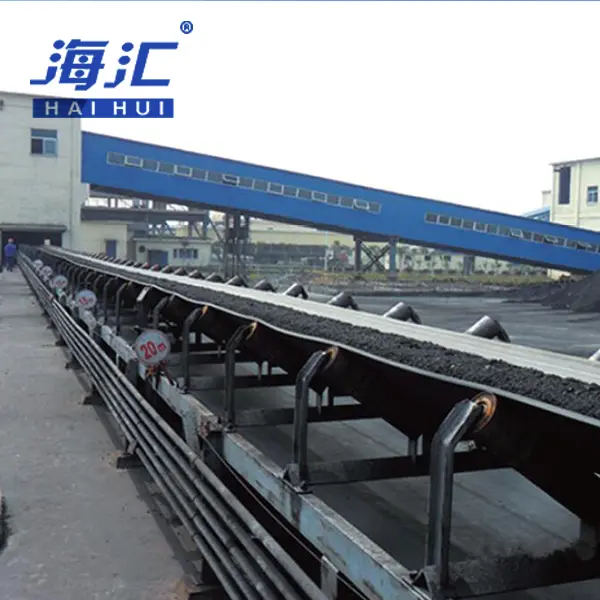
La cinta transportadora para minería de alta resistencia es un tipo de cinta transportadora profesional para cargas pesadas, diseñada específicamente para la minería, los materiales de construcción, los puertos y otras condiciones de trabajo adversas. Es uno de los equipos fundamentales para el transporte de materiales a granel a larga distancia y en grandes volúmenes.
Características estructurales
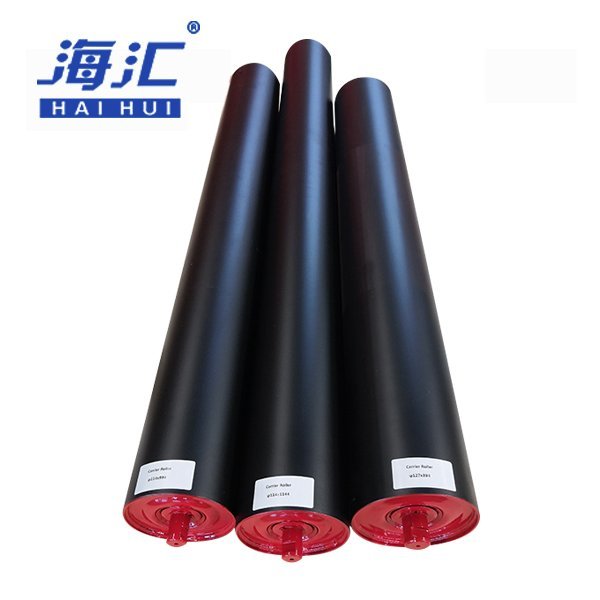
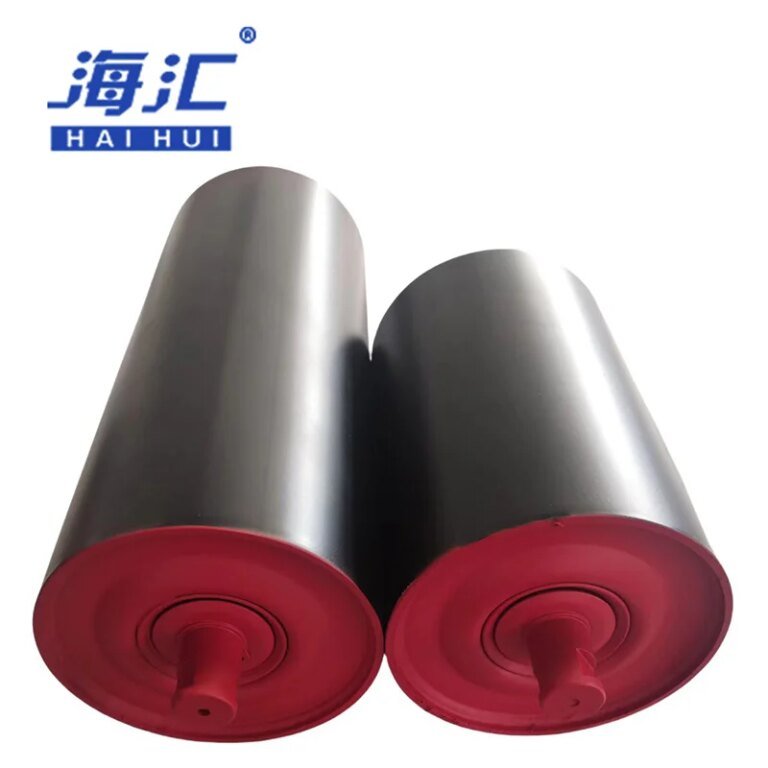
Cuenta con un bastidor de acero de gran espesor y una estructura de rodillos reforzada, combinados con correas antidesgarro reforzadas con alambre de acero. Presenta una gran resistencia a los impactos, a la presión y al desgaste, y puede adaptarse a entornos de trabajo exigentes, con altos niveles de polvo, cargas pesadas y funcionamiento continuo.
Materiales aplicables
Carbón, mineral de hierro, piedra caliza, grava, clinker de cemento, polvo mineral y otros materiales a granel pesados de partículas grandes.
Escenarios de aplicación principales
Transporte de materias primas mineras, traslado de materiales a granel en canteras, transporte en la línea de producción de plantas cementeras, carga y descarga de mercancías a granel en puertos y transporte de materiales a larga distancia entre regiones.
Ventajas del escenario
Permite un funcionamiento ininterrumpido durante las 24 horas con cargas pesadas, con una gran capacidad de transporte por hora y una gran distancia de transporte. Reduce de forma eficaz los costes de manipulación manual y mecánica, y minimiza los derrames de material y la contaminación por polvo en el transporte a granel.
Las cintas transportadoras para minería de alta resistencia de Haihui están equipadas con dispositivos amortiguadores y sistemas antidesviación, que pueden resistir eficazmente el impacto del material y garantizar un funcionamiento estable durante mucho tiempo en entornos industriales adversos.
5. Cinta transportadora sanitaria apta para uso alimentario
La cinta transportadora sanitaria apta para uso alimentario es un tipo de cinta transportadora higiénica perfeccionada, diseñada específicamente para los sectores alimentario, farmacéutico y de productos químicos de uso diario, que presentan requisitos extremadamente exigentes en materia de seguridad y limpieza. Renuncia a las estructuras industriales habituales y cumple plenamente con las especificaciones de producción en materia de seguridad alimentaria.
Características estructurales
Toda la máquina cuenta con una estructura de bastidor de acero inoxidable y está equipada con cintas transportadoras de PU, PVC y silicona aptas para uso alimentario. La superficie es lisa, sin rincones difíciles de limpiar, fácil de limpiar y desinfectar, no tóxica y libre de contaminantes, y cumple con las normas de seguridad de la UE relativas al contacto con alimentos.
Materiales aplicables
Cereales, aperitivos, conservas, bebidas embotelladas, comprimidos farmacéuticos, material sanitario y productos sanitarios envasados.
Escenarios de aplicación principales
Procesamiento y envasado de alimentos, producción y clasificación de productos farmacéuticos, llenado y transporte de bebidas, y manipulación de materiales en talleres limpios.
Ventajas del escenario
Evita los residuos de material y la proliferación bacteriana, previene eficazmente la contaminación cruzada en el proceso de producción y garantiza la limpieza y la seguridad de los productos alimenticios y farmacéuticos. Su diseño estable a baja velocidad no daña los productos envasados frágiles.
Haihui controla rigurosamente los materiales y la tecnología de fabricación de las cintas transportadoras aptas para uso alimentario, que no presentan recubrimientos tóxicos ni huecos residuales, cumpliendo plenamente con las normas de producción de talleres limpios.
6. Transportador de cinta flexible telescópico
La cinta transportadora telescópica flexible es un nuevo y práctico tipo de cinta transportadora diseñada para entornos logísticos y de manipulación temporal. Permite una expansión libre y un ajuste de la longitud, lo que resuelve el problema de que los equipos de longitud fija no puedan adaptarse a las exigencias dinámicas de funcionamiento.
Características estructurales
Cuenta con un bastidor telescópico flexible y un diseño de base móvil. La longitud de transporte se puede ajustar libremente según las necesidades operativas, con una dirección flexible y un desplazamiento cómodo. Se puede retraer y guardar cuando no se utiliza, ocupando muy poco espacio.
Materiales aplicables
Paquetes urgentes, productos en cajas de cartón, artículos de primera necesidad y materiales embalados de peso medio-ligero para carga y descarga temporales.
Escenarios de aplicación principales
Carga y descarga de camiones, almacenamiento temporal en almacenes logísticos, clasificación de paquetes de comercio electrónico y rotación flexible de materiales en eslabones de producción temporales.
Ventajas del escenario
Ofrece una gran flexibilidad y una amplia adaptabilidad, no requiere instalación fija y se puede poner en funcionamiento rápidamente. Mejora considerablemente la eficiencia en la carga y descarga de vehículos y reduce la intensidad del trabajo manual de transporte.
Las cintas transportadoras telescópicas de Haihui están equipadas con estructuras antideslizantes y antidesviación, lo que permite su extensión libre y su ajuste en múltiples ángulos, adaptándose perfectamente a situaciones de operaciones logísticas frecuentes y flexibles.
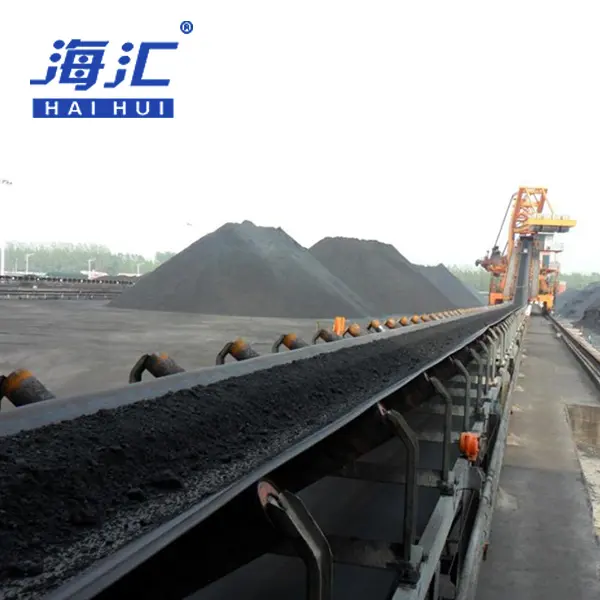
Tabla comparativa de rendimiento y aplicaciones de los distintos tipos de cintas transportadoras
Los distintos tipos de cintas transportadoras presentan diferencias evidentes en cuanto a capacidad de carga, parámetros de funcionamiento y entornos de aplicación. La siguiente tabla comparativa resume de forma intuitiva los parámetros fundamentales, las ventajas de rendimiento y los escenarios adecuados de todos los modelos más habituales, lo que ayuda a los usuarios a seleccionar rápidamente el modelo más adecuado.
| Tipo de cinta transportadora | Ventaja estructural fundamental | Velocidad aplicable (m/s) | Grado de carga | Mejores casos de uso |
|---|---|---|---|---|
| Transportador de cinta horizontal | Funcionamiento estable y lineal, baja tasa de fallos | 1.0–2.5 | Carga ligera y media | Producción en cadena, rotación de material en el taller |
| Transportador de cinta inclinado | Elevación antideslizante, ángulo ajustable | 0.8–2.0 | Carga media | Alimentación con diferencia de altura, elevación de materiales |
| Cinta transportadora curva | Torneado suave, sin desviaciones del material | 0.8–1.8 | Carga ligera | Diseño complejo del taller, línea de producción en bucle cerrado |
| Cinta transportadora para minería de alta resistencia | Transporte de larga distancia resistente a los impactos | 2.0–4.0 | Carga pesada | Transporte a granel para los sectores minero, portuario y de materiales de construcción |
| Transportador sanitario apto para uso alimentario | Material apto para uso alimentario, fácil de limpiar | 0.5–1.5 | Carga ligera y media | Producción limpia en los sectores alimentario y farmacéutico |
| Transportador telescópico flexible | Estiramientos libres, movimientos flexibles | 1.2–2.2 | Carga ligera | Operación logística de carga y clasificación temporal |
Todos los tipos de cintas transportadoras fabricadas por Haihui están estandarizadas y se adaptan a las características de cada aplicación. Evitamos la incompatibilidad entre modelos y la redundancia en el rendimiento, garantizando que cada equipo pueda ofrecer el mejor rendimiento operativo en el entorno de producción correspondiente.
4 normas fundamentales de clasificación para cintas transportadoras
Muchos usuarios tienen dudas sobre los tipos de cintas transportadoras y no saben distinguir con precisión las diferencias entre los distintos modelos. De hecho, las cintas transportadoras industriales se clasifican según criterios bien definidos. Dominar los cuatro criterios de clasificación siguientes permite aclarar rápidamente la lógica de selección de modelos.
1. Clasificación según la disposición estructural
Es el método de clasificación más intuitivo, que incluye los tipos horizontal, inclinado, curvo y de elevación vertical. Esta clasificación se adapta principalmente a las diferentes distribuciones del espacio en las fábricas y a los requisitos de ángulo de transporte de materiales, resolviendo así las limitaciones de diseño de las cintas transportadoras de estructura única.
2. Clasificación según la capacidad de carga
Se dividen en modelos de uso ligero, medio y pesado. Los modelos de uso ligero son adecuados para productos envasados ligeros en los sectores de la electrónica y la alimentación; los modelos de uso medio se adaptan a los materiales industriales convencionales; los modelos de uso pesado se utilizan específicamente para materiales a granel muy pesados, como los que se encuentran en minas y puertos.
3. Clasificación según el material de la correa
Entre ellas se incluyen la correa de caucho estándar, la correa ligera de PVC/PU, la correa de silicona apta para uso alimentario, la correa anticorrosiva e ignífuga y la correa reforzada con alambre de acero. Los diferentes materiales de las correas determinan la resistencia al desgaste, la resistencia a la temperatura, la resistencia a la corrosión y la vida útil del equipo.
4. Clasificación según las características funcionales
Se clasifican en modelos fijos, móviles, telescópicos y totalmente cerrados a prueba de polvo. La diferenciación funcional satisface las necesidades personalizadas de un funcionamiento flexible, la protección contra el polvo y la manipulación móvil en situaciones especiales.
Errores habituales en la elección de los tipos de cintas transportadoras y sus soluciones
En la producción industrial real, la mayoría de las averías de los equipos y la baja eficiencia operativa se deben a una selección incorrecta de Tipos de cintas transportadoras, y no problemas de calidad del producto. Resumir los errores más comunes a la hora de elegir puede ayudar a las empresas a evitar contratiempos en la adquisición y el uso de los equipos.
Error n.º 1: Utilizar cintas transportadoras de baja capacidad para materiales a granel pesados
Muchas fábricas optan por cintas transportadoras ligeras y de bajo coste para el transporte de materiales a granel del sector minero y de la construcción, lo que provoca desgarros frecuentes de la cinta, daños en los rodillos y sobrecargas del motor. Solución: Utilizar cintas transportadoras profesionales de alta resistencia para el sector minero, diseñadas para materiales a granel pesados, con el fin de garantizar que la capacidad de carga y la resistencia a los impactos cumplan con los estándares de las condiciones de trabajo.
Error n.º 2: Utilizar cintas transportadoras normales en entornos alimentarios y farmacéuticos
Las cintas transportadoras industriales convencionales contienen sustancias nocivas residuales y son difíciles de limpiar, por lo que no cumplen las normas de seguridad alimentaria y pueden provocar fácilmente la contaminación de los productos. Solución: Adoptar de forma generalizada cintas transportadoras sanitarias de acero inoxidable de calidad alimentaria para entornos de producción limpios.
Error de selección n.º 3: Transportadores fijos para situaciones en las que se requiere un funcionamiento móvil frecuente
Las cintas transportadoras fijas de longitud fija no pueden adaptarse a los frecuentes ajustes de posición ni a las operaciones flexibles de carga y descarga, lo que se traduce en una escasa flexibilidad operativa. Solución: Optar por cintas transportadoras telescópicas o móviles para mejorar la adaptabilidad in situ.
Error n.º 4: Falta de estructura antideslizante para el transporte en pendiente
El uso de correas planas normales en transportadores inclinados con ángulos pronunciados provoca un deslizamiento y un reflujo importantes del material. Solución: equipar los transportadores inclinados con patrones antideslizantes, deflectores y faldones, en función de las características del material.
Cómo elegir los tipos adecuados de cintas transportadoras para tu fábrica
La selección científica de los tipos de cintas transportadoras debe basarse en las características del material, los procesos de producción, el entorno de la planta y las exigencias operativas. Haihui resume una serie de pasos prácticos para la selección integral, a modo de referencia para los compradores industriales.
Paso 1: Confirmar las características del material
Aclare los requisitos relativos al peso del material, el tamaño de las partículas, la temperatura, la corrosividad y la limpieza para determinar el grado de carga y el tipo de material de la cinta transportadora.
Paso 2: Definir las necesidades de transporte
Confirme la distancia de transporte, el desnivel, la velocidad de funcionamiento y el rendimiento por hora para seleccionar los tipos de estructura, como horizontal, inclinada y en curva.
Paso 3: Adaptar el entorno del sitio
Seleccione modelos personalizados a prueba de polvo, anticorrosivos, resistentes a altas temperaturas e higiénicos, en función de entornos de taller con altos niveles de polvo, altas temperaturas, corrosivos y limpios.
Paso 4: Confirmar las necesidades de flexibilidad operativa
Elija transportadores fijos para líneas de producción fijas a largo plazo y transportadores telescópicos o móviles para situaciones en las que se requiera un funcionamiento móvil y temporal frecuente.
Paso 5: Comprobar la capacidad de personalización del fabricante
Elija fabricantes con amplia experiencia en personalización que ofrezcan la posibilidad de adaptar a medida la estructura, la velocidad y los accesorios a condiciones de trabajo especiales, evitando así las limitaciones que plantean los equipos de función única.
Preguntas frecuentes sobre los tipos de cintas transportadoras
1. ¿Cuáles son los tipos más comunes de cintas transportadoras en la industria?
Las cintas transportadoras flexibles horizontales, inclinadas y telescópicas son los tipos más utilizados y abarcan la mayoría de los ámbitos de la fabricación, la logística y la industria convencional. Las cintas transportadoras de alta resistencia para minería y las cintas sanitarias aptas para uso alimentario son modelos profesionales personalizados para sectores específicos.
2. ¿Cuál es la diferencia entre las cintas transportadoras de uso ligero y las de uso intensivo?
Las cintas transportadoras para cargas ligeras tienen una estructura ligera, admiten cargas reducidas y son adecuadas para materiales envasados ligeros y talleres limpios; las cintas transportadoras para cargas pesadas cuentan con estructuras más robustas y cintas reforzadas, ofrecen una gran resistencia a los impactos y una elevada capacidad de carga, y se utilizan especialmente para el transporte de materiales a granel pesados en entornos adversos.
3. ¿Qué tipo de cinta transportadora es adecuada para las líneas de producción alimentaria?
Las cintas transportadoras sanitarias especiales aptas para uso alimentario son la única opción. Cuentan con estructuras de acero inoxidable y cintas no tóxicas aptas para uso alimentario, que son fáciles de limpiar, no dejan residuos y cumplen plenamente con las normas de seguridad alimentaria, lo que evita los riesgos de contaminación de los productos.
4. ¿Cómo elegir entre cintas transportadoras fijas y telescópicas?
Las cintas transportadoras fijas son adecuadas para líneas de producción fijas a largo plazo con procesos estables y una elevada estabilidad operativa; las cintas transportadoras telescópicas flexibles son adecuadas para situaciones que requieren ajustes frecuentes de posición, carga y descarga temporales y clasificación flexible, y ofrecen una mayor adaptabilidad in situ.
5. ¿Se pueden utilizar diferentes tipos de cintas transportadoras de forma combinada?
Por supuesto. Muchas líneas de producción complejas combinan transportadores horizontales, inclinados y curvos para lograr un transporte automatizado de materiales en múltiples ángulos y alturas a lo largo de todo el proceso, lo que mejora considerablemente la continuidad y la eficiencia de la producción.
Servicio profesional de personalización y adaptación a cada situación de Haihui
La gran variedad de tipos de cintas transportadoras hace que los modelos estándar generales no puedan satisfacer plenamente todas las exigencias de las condiciones de trabajo industriales. Una selección a ciegas dará lugar a una baja utilización de los equipos, averías frecuentes y un desperdicio de los costes de adquisición. Como fabricante profesional de cintas transportadoras, Haihui se centra en la selección precisa de modelos adaptados a cada situación y en la personalización a medida.
Contamos con una amplia experiencia práctica en los sectores de la fabricación, la industria alimentaria y farmacéutica, la logística y el almacenamiento, la minería y los materiales de construcción, el transporte portuario a granel y otros sectores. Nuestro equipo técnico puede recomendar con precisión los tipos de cintas transportadoras más adecuados y optimizar los parámetros estructurales en función de los materiales, los procesos de producción, el espacio disponible y los objetivos operativos de cada cliente.
Todos los equipos de Haihui cumplen con las normas industriales nacionales y las especificaciones de seguridad internacionales, con una calidad estable en cada lote y un completo sistema de servicio posventa. Desde la evaluación de la situación previa a la venta y la personalización de soluciones, pasando por la fabricación de precisión durante la producción, hasta la instalación posventa, la puesta a punto y la orientación en el mantenimiento, ofrecemos un servicio integral que abarca todo el proceso.
Si tienes dudas a la hora de elegir el modelo adecuado o necesidades específicas para condiciones de trabajo especiales, ponte en contacto con el equipo técnico de Haihui para obtener soluciones profesionales y exclusivas de adaptación de cintas transportadoras.
Referencias
GB/T 10595-2019 Especificaciones técnicas para cintas transportadoras – Norma nacional de China
Manual de clasificación y selección de cintas transportadoras industriales – ASTM International
Informe global sobre aplicaciones por tipo de equipos de manipulación de materiales 2026 – Instituto de Análisis del Sector
Norma de diseño de equipos de transporte de alta resistencia para la minería – Reglamento industrial de la CEPE
Norma de clasificación higiénica de los equipos transportadores para uso alimentario – Norma de seguridad alimentaria de la UE
Guía para la selección de tipos de cintas transportadoras flexibles en logística – Asociación Internacional de Logística
Especificaciones para la clasificación estructural de cintas transportadoras en condiciones de trabajo adversas – Centro de Investigación Tecnológica de Equipos
 English
 العربية
 Português do Brasil
 Русский
 Español