دليل اختيار بكرات التوجيه لحزام النقل الصناعي
Conveyor belt idler rollers may appear simple passive components, but minor dimensional errors, poor sealing performance, or uncalibrated rotation resistance can trigger continuous belt deviation, abnormal vibration, and accelerated belt wear across entire production lines. In heavy-duty industrial scenarios such as mining, ports, and bulk material processing, these tiny cumulative flaws gradually evolve into unplanned shutdowns and rising maintenance costs.
This practical industrial guide systematically breaks down core manufacturing specifications, material matching standards, precision tolerance control, and professional testing protocols for conveyor belt idler rollers. It helps engineering and procurement teams select compliant, high-stability idler rollers to extend conveyor service life and reduce long-term operational losses.
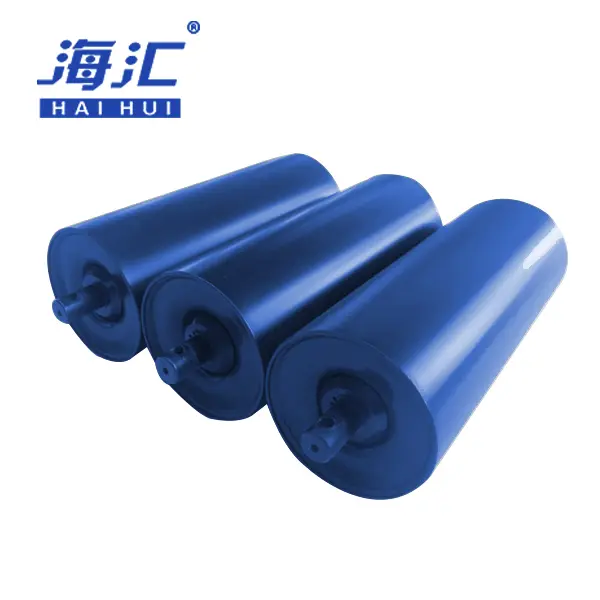
Key Points for Conveyor Belt Idler Roller Reliability
➔ Material Specs: Match high-precision carbon steel, galvanized steel or rubber-coated shells with standardized wall thickness to adapt to dust, humidity and heavy impact working conditions.
➔ Rotation Precision: Control radial runout and shaft concentricity strictly to minimize running resistance and eliminate belt jitter or deviation.
➔ Sealing & Bearing Performance: Adopt multi-layer labyrinth sealing and low-friction bearing systems to block dust, slurry and moisture intrusion in harsh environments.
➔ Testing Protocols: Implement dynamic balance calibration, full sealing tests and long-cycle fatigue verification to ensure batch stability.
➔ On-Site Matching: Select roller diameter, spacing and structural type according to conveyor speed, belt width and material load weight.
مقدمة إرشادية
Conveyor belt idler rollers are the most fundamental and high-frequency components of belt conveyor systems. Although they are easily overlooked, their structural precision and operational stability directly determine the overall operating efficiency, failure rate and maintenance cost of the entire conveying equipment. This guide clarifies core structural principles, key material properties and stress-bearing characteristics of qualified idler rollers.
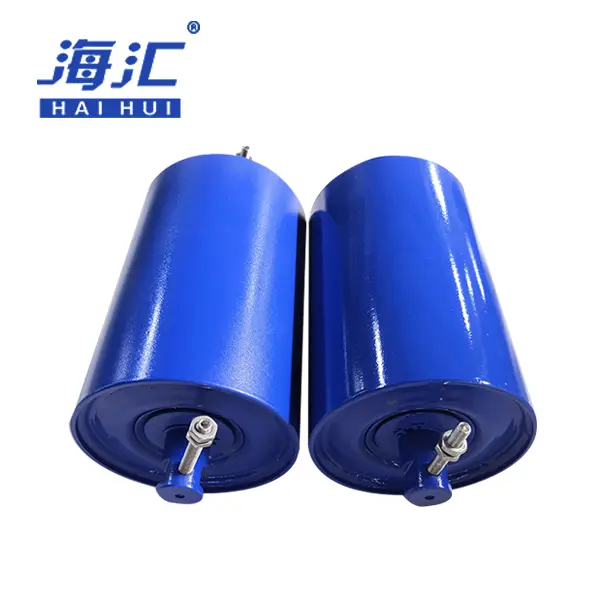
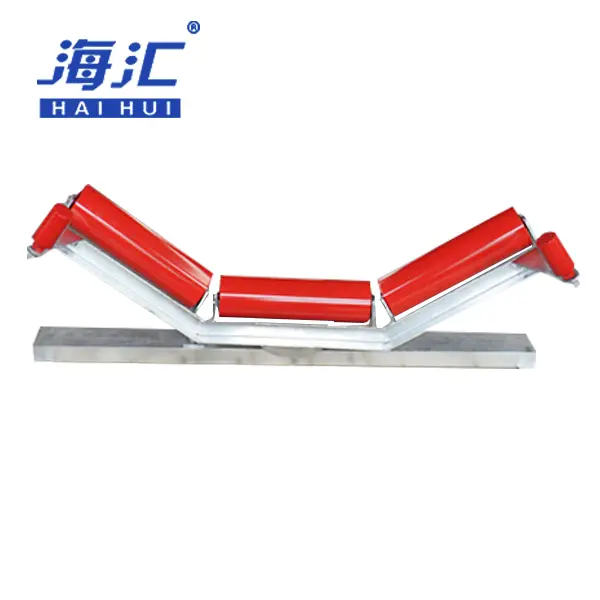
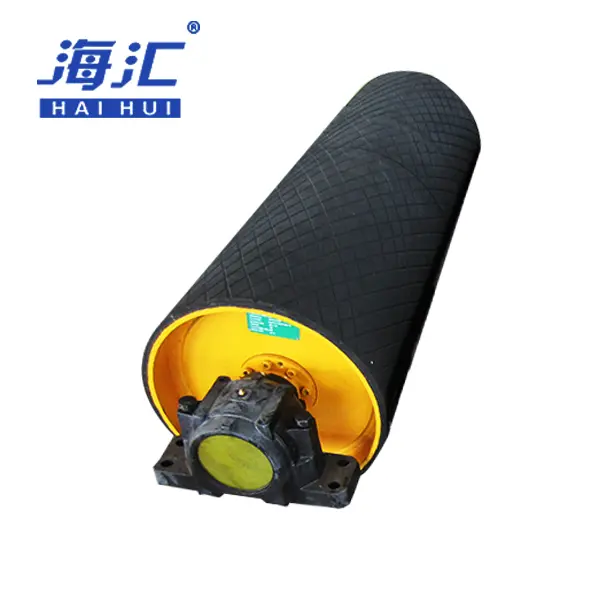
Conveyor Belt Idler Roller
Understanding Structural Composition and Working Logic
A standard conveyor belt idler roller consists of three core parts: roller shell, precision bearing assembly and multi-layer sealing structure. The overall structural coordination directly affects operational stability.
High-quality roller shells adopt seamless steel pipe processing technology, with uniform wall thickness and smooth surface, avoiding local stress concentration during operation.
Built-in high-precision bearings with low-temperature and wear-resistant grease maintain flexible rotation under long-term continuous operation, effectively reducing conveyor operating load.
Multi-stage composite sealing design fills the internal gap completely, isolating external dust and humid air to prevent bearing rust, jamming and premature failure.
Many low-cost generic idler rollers ignore micro-tolerance control. Tiny deviations in roundness and concentricity will cause periodic vibration during high-speed operation, gradually wearing the belt and leading to system deviation failure.
Key Performance Traits: Stability, Wear Resistance and Low Resistance
The service life and operational value of conveyor belt idler rollers depend on the balanced coordination of three core performance indicators.
Operational Stability
Strict radial runout control (≤0.5mm) ensures smooth rotation without jitter, avoiding periodic belt scratching and vibration noise. Stable structural tolerance is the core premise of long-term trouble-free operation.
Environmental Adaptability & Wear Resistance
Different surface treatments determine environmental adaptability. Ordinary carbon steel is suitable for indoor dry working conditions; galvanized treatment resists rust and corrosion for humid and coastal scenarios; rubber-coated surfaces buffer heavy impact and prevent belt damage.
Low Rotation Resistance
Precision bearing matching and smooth inner-wall processing effectively control rotation resistance within a low range, reducing conveyor motor power consumption and achieving long-term energy-saving operation.
Core Structural Components and Stress Characteristics
Each component of the conveyor belt idler roller bears different mechanical loads, and any structural mismatch will lead to overall performance degradation.
Roller Shell: Bears direct material impact and belt friction load. Wall thickness uniformity and surface smoothness determine wear resistance and anti-deformation ability.
Central Shaft: Supports overall load and maintains rotational concentricity. Shaft bending deformation will directly cause belt deviation and unilateral wear.
Bearing Assembly: Determines rotation flexibility and service life. Poor sealing leads to bearing contamination and stuck failure, which is the main cause of idler roller scrap.
نظام الإحكام: The key barrier for long-term stable operation. Excellent sealing performance avoids internal component aging caused by external environmental erosion.
💡 Ready to optimize your conveyor configuration? With decades of industrial manufacturing experience and ISO 9001 certified production systems, Haihui provides 1-day customized solution proposals for all standard and special-shaped conveyor belt idler rollers. Explore our Customization Services or browse our Conveyor Roller Series.
Wow! Conveyor Belt Idler Rollers Boost Your Operational ROI
Reasonable selection of high-precision conveyor belt idler rollers, with standardized sealing technology and strict tolerance control, can effectively reduce belt wear, equipment failure frequency and manual maintenance costs. Haihui relies on refined manufacturing standards to help enterprises achieve measurable operational cost reduction and efficiency improvement.
Precision Tolerance Control Reduces Belt Wear and Failure Rate
Belt wear is the most costly hidden loss in conveyor operation. Most abnormal belt damage is caused by unqualified idler roller rotation deviation and rough surfaces.
High-quality conveyor belt idler rollers produced by Haihui adopt micrometer-level precision processing:
Strict roundness and concentricity calibration eliminate operational jitter, ensuring uniform contact between roller and belt.
Smooth polished surface avoids scratch damage to the belt inner layer, extending belt service life by more than 20%.
Stable low-resistance operation reduces long-term motor load and cuts daily energy consumption.
| النظام المتري | الهدف النموذجي | لماذا هذا مهم؟ |
|---|---|---|
| الانحراف الشعاعي | ≤0.5mm | Avoid belt vibration and deviation |
| مقاومة الدوران | ≤1.5 نيوتن | Reduce conveyor energy consumption |
| انحراف التوازن الديناميكي | ≤2.0 غ·سم | Ensure high-speed operation stability |
| Sealing dust-proof duration | ≥2000h stable operation | Prolong roller service life |
Excellent Sealing Performance Eliminates Frequent Shutdown Losses
More than 80% of conveyor belt idler roller failures stem from sealing failure. Dust, slurry and moisture intrusion cause bearing rust, stuck rotation and structural deformation, forcing frequent equipment shutdown and maintenance.
Haihui adopts optimized multi-layer labyrinth + rubber composite sealing structure:
Physical isolation and flexible sealing double protection, effectively blocking fine dust and humid gas in harsh working conditions.
Internal high-temperature resistant grease maintains stable lubrication without volatilization or deterioration.
All-weather anti-aging design adapts to high-temperature, low-temperature and high-dust industrial environments.
Stable sealing performance greatly reduces unplanned shutdown frequency, ensuring continuous and stable production line operation.
Material Customization Improves Scenario Adaptability
Unified standard idler rollers cannot meet the differentiated needs of multiple working conditions. Targeted material and surface treatment selection is the key to improving operational efficiency.
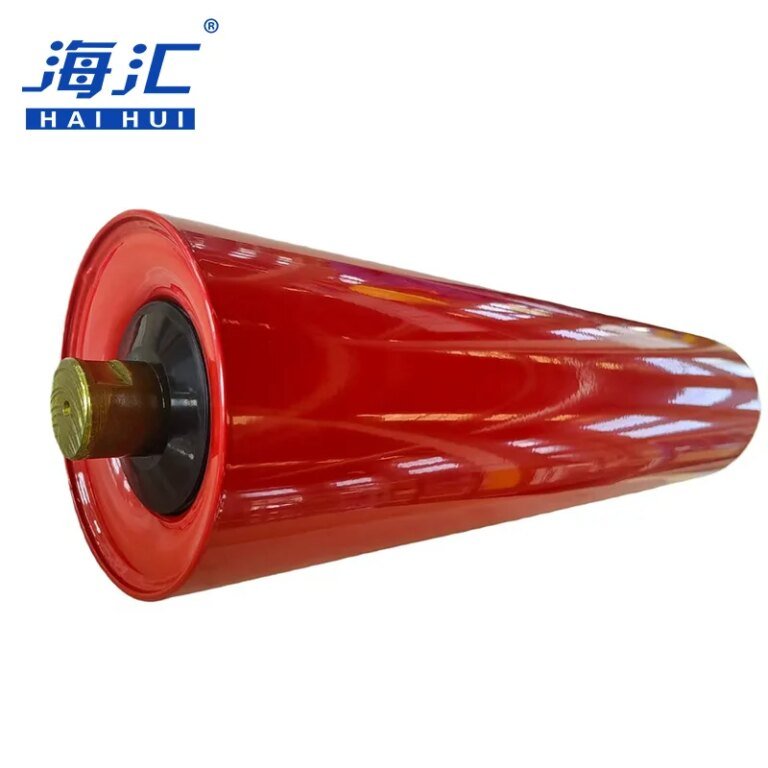
Carbon Steel Idler Roller: High structural rigidity and impact resistance, suitable for heavy-load mining, quarry and bulk material conveying lines.
Galvanized Idler Roller: Excellent anti-rust and anti-corrosion performance, ideal for outdoor ports, chemical plants and humid coastal environments.
Rubber-Coated Idler Roller: Effective buffer impact, anti-slip and anti-wear, protecting belts during high-speed conveying and fragile material transportation.
Haihui matches exclusive material solutions according to user on-site working conditions, avoiding performance waste or insufficient adaptation caused by blind selection.
🎨 Customize exclusive conveyor belt idler rollers for your working conditions! Haihui supports full-size customization, fast sample delivery and free technical matching services. Contact us for professional industrial conveyor solutions.
5 Steps To Install and Maintain Conveyor Belt Idler Rollers
Improper installation and daily maintenance will greatly shorten the service life of conveyor belt idler rollers, and even induce belt deviation, material scattering and equipment failure. Standardized operation specifications ensure long-term stable operation of idler rollers.
Step 1: Pre-Installation Dimensional and Appearance Inspection
Strictly inspect all incoming conveyor belt idler rollers before installation to eliminate defective products.
Check the shell surface for scratches, deformation, rust and welding defects.
Verify shaft concentricity, roller roundness and dimensional tolerance to ensure compliance with design standards.
Rotate the roller manually to confirm flexible operation without jamming, abnormal noise and stagnation.
Reject all products with micro-deviations to avoid batch operational risks after installation.
Step 2: Standardize Installation Spacing and Horizontal Calibration
Installation spacing and horizontal level directly affect belt operating stability.
Match installation spacing according to belt width and load: heavy-load sections adopt dense spacing, and light-load sections adopt standard spacing to balance stability and cost.
Calibrate the horizontal height of each idler roller to ensure all rollers are on the same horizontal plane, preventing unilateral belt stress and deviation.
Fix the bracket firmly to avoid loose displacement caused by long-term vibration.
Step 3: Conduct Operational Debugging and Deviation Correction
Perform no-load and load trial operation after installation to verify overall performance.
Observe belt operating track to check for left-right deviation and jitter.
Adjust individual idler roller angles and positions aiming at minor deviation to achieve stable belt operation.
Record debugging data to provide reference for subsequent daily maintenance.
الخطوة 4: التنظيف المنتظم للغبار وفحص السدّات
Dust and material residue accumulation is the main cause of idler roller failure in industrial environments.
Regularly clean surface dust and residual materials to avoid local overload and corrosion.
Inspect the sealing end cover for aging and damage, replace failed sealing parts in time to prevent internal contamination.
Check bearing operation sound regularly to eliminate hidden jamming risks in advance.
الخطوة 5: استبدال البكرات المتقادمة والتالفة في الوقت المناسب
Establish regular equipment inspection and replacement mechanisms to avoid overdue operation of aging rollers.
Replace rollers with severe rust, deformation, jamming and abnormal noise in a timely manner.
Record replacement time and operating status to form complete equipment maintenance files.
نصائح بشأن الطلبات بالجملة لمشتري المشتريات الصناعية
Blind bulk procurement of conveyor belt idler rollers often leads to inconsistent batch quality, mismatched parameters and high comprehensive loss. Scientific procurement specifications can effectively lock costs and stabilize quality.
تحديد معايير مواد القفل والتفاوتات المسموح بها لتجنب انحراف الجودة
وضع وثائق موحدة لمواصفات المواد الخاصة بعمليات الشراء بالجملة من أجل القضاء على الاختلافات في جودة الدفعات.
Clarify core indicators such as shell material, wall thickness, surface treatment process and sealing structure.
Strictly limit radial runout, rotation resistance and dynamic balance tolerance standards to ensure batch consistency.
Reject low-cost inferior materials that reduce wall thickness and simplify sealing structure to avoid hidden operational dangers.
Standardize SKU Specifications to Reduce Procurement Costs
Overly scattered SKU types will increase production tooling costs and inventory pressure.
Standardize conventional specifications and unify 3-5 common SKUs for daily replacement and project matching.
Adopt customized solutions only for special working conditions to avoid excessive customized costs.
الاستفادة من نظام الشراء المعياري بالدفعات للحصول على خصومات كمية ثابتة وخفض التكاليف الإجمالية للشراء.
تحسين إدارة اللوجستيات وتسليم الشحنات بالدفعات
Improper logistics and storage will cause secondary deformation and rust of idler rollers.
استخدام عبوات كرتونية موحدة وحماية الزوايا لمنع تشوه المنتج بسبب الضغط أثناء النقل.
Implement moisture-proof and dust-proof packaging for humid and long-distance transportation scenarios.
تنظيم عمليات التسليم المصنفة وفقًا لتقدم المشروع لتجنب تقادم المخزون على المدى الطويل وتراكم الغبار.
التحقق الصارم من جودة المنتجات في المصنع وفحص العينات من كل دفعة
منع دخول المنتجات المعيبة إلى الموقع من خلال آليات فحص الجودة المثالية.
يجب أن يُطلب من الشركات المصنعة تقديم تقارير فحص الدُفعات، بما في ذلك التفاوتات المسمارية، وأداء الدوران، وبيانات اختبار الإحكام.
Conduct random sampling inspection of incoming goods, focusing on rotation flexibility and appearance quality.
Establish quality after-sales mechanism to solve batch quality problems in a timely manner.
تعاون مع شركة «هايهوي» لتلبية احتياجاتك من بكرات النقل
Stop suffering from frequent idler roller failures, belt deviation and high maintenance costs. As a professional manufacturer of conveyor belt idler rollers, Haihui has complete automated production lines and ISO 9001 certified quality control systems. We strictly control every processing link from raw material selection to finished product testing, providing high-stability, long-service-life industrial idler rollers for global mining, port, chemical and logistics industries.
We support customized specifications, fast sample delivery and one-stop technical solution services. Professional engineers provide free working condition matching and parameter optimization guidance.
اتخذ الخطوة التالية لتحسين نظام النقل الخاص بك:
⏱️ رد فني احترافي في غضون 12 ساعة
📦 دعم اختبار العينات المجانية
📞 اتصل بنا اليوم للحصول على عرض الحل الحصري الخاص بك الذي يستغرق يومًا واحدًا
المراجع
GB/T 10595-2017 Conveyor Idler Technical Specification Standard
Industrial Conveyor System Operation and Maintenance Manual
Conveyor Idler Roller Dynamic Balance Calibration Specification
إرشادات مراقبة جودة الأجزاء الميكانيكية الصناعية وفقًا لمعيار ISO 9001
Harsh Environment Conveyor Component Anti-Corrosion Technology Report
Belt Conveyor Energy Saving and Consumption Reduction Design Standard
Conveyor Idler Sealing Performance Test Industry Standard
 English
 العربية
 Português do Brasil
 Русский
 Español