Rodillo guía de alta calidad para aplicaciones en cintas transportadoras
- Funciones principales del rodillo guía de una cinta transportadora
- Principales tipos de rodillos guía para cintas transportadoras
- Tabla comparativa del rendimiento y los escenarios de los rodillos guía
- 4 normas básicas de clasificación de los rodillos guía para cintas transportadoras
- Errores habituales en la selección y el acoplamiento de los rodillos guía, y sus soluciones
- Guía paso a paso para la selección de rodillos guía para cintas transportadoras
- Preguntas frecuentes sobre los rodillos guía para cintas transportadoras
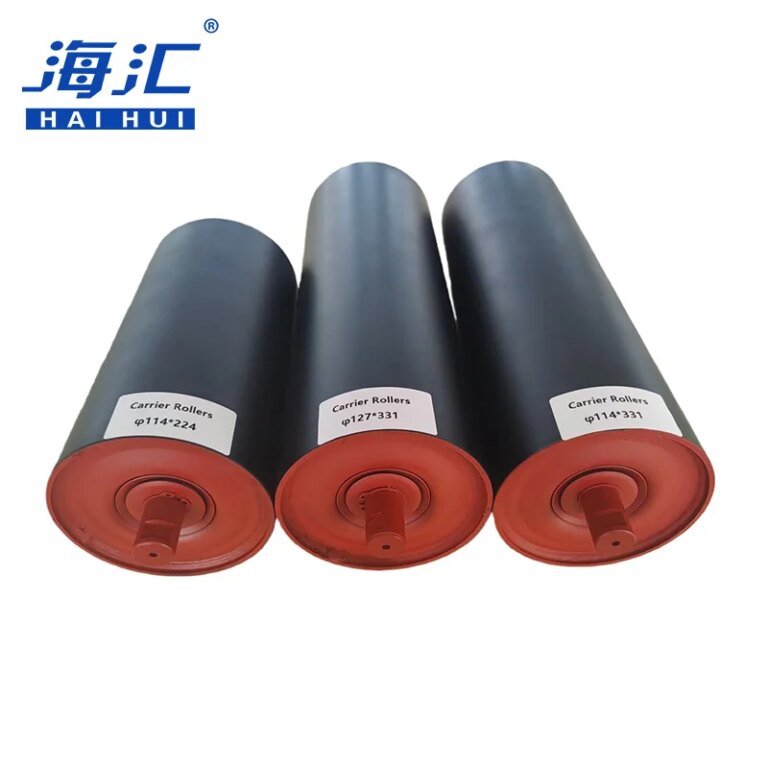
Un sistema de transporte por cinta de alto rendimiento no solo depende de los motores y las cintas, sino también de componentes pequeños pero fundamentales: los rodillos guía para cintas transportadoras. Muchos operadores de fábrica pasan por alto el valor de los rodillos guía estándar, creyendo erróneamente que todos los rodillos ofrecen el mismo rendimiento. En realidad, los rodillos guía inadecuados o de baja calidad provocan desviaciones frecuentes de la cinta, un desgaste anormal, un ruido de funcionamiento elevado, paradas no planificadas e incluso una reducción de la vida útil de la cinta. Como fabricante profesional de transportadores industriales, Haihui ha sintetizado años de experiencia operativa sobre el terreno para explicar de forma sistemática las funciones principales, los tipos más habituales, las ventajas estructurales y las reglas científicas de selección de los rodillos guía. rodillo para cinta transportadora.
Los informes sobre el funcionamiento de las cintas transportadoras industriales a nivel mundial de 2026 muestran que más de 70% de las averías por desviación y desgaste de las cintas transportadoras se deben a una combinación inadecuada de los rodillos guía o al deterioro de estos debido al paso del tiempo. La selección estandarizada y el mantenimiento periódico de los rodillos guía de las cintas transportadoras pueden reducir eficazmente las tasas de averías, prolongar la vida útil de la cinta entre 30% y 50%, y reducir los costes de mantenimiento a largo plazo de los equipos para las empresas.
Invertir en rodillos guía de alta calidad y adaptados a cada situación para las cintas transportadoras supone una optimización de bajo coste y alta rentabilidad que garantiza un funcionamiento estable y eficiente del sistema de transporte.
Funciones principales del rodillo guía de una cinta transportadora
Los rodillos guía son los componentes fundamentales de guía y soporte de las cintas transportadoras. A diferencia de los rodillos de carga habituales, los rodillos guía para cintas transportadoras se centran en la corrección de la dirección, la limitación estable y la protección durante el funcionamiento. Resuelven problemas habituales como el desvío de la cinta, la fricción por desplazamiento y el funcionamiento inestable durante el transporte a larga distancia y a alta velocidad. Cada diseño funcional aborda problemas reales de funcionamiento industrial con el fin de estabilizar el sistema de transporte en su conjunto.
1. Corrección precisa de la desviación de la correa
La desviación de la cinta es la avería más habitual en el funcionamiento de las cintas transportadoras, y suele deberse a una alimentación irregular del material, a las vibraciones del equipo y a una distribución desigual de la tensión en el bastidor. El rodillo guía profesional para cintas transportadoras adopta un diseño estructural optimizado, curvo y cónico, capaz de detectar automáticamente la desviación de la cinta y generar una tensión de corrección direccional. Este rodillo devuelve continuamente la cinta desviada a la posición central sin intervención manual, lo que garantiza un funcionamiento lineal y estable de la cinta.
Esta función esencial evita la fricción unilateral a largo plazo entre la correa y la cremallera, lo que previene de forma eficaz el desgaste de los bordes de la correa, los desgarros y los daños por envejecimiento, y reduce considerablemente el riesgo de una parada repentina provocada por la desviación de la correa.
2. Límite de estabilidad y posicionamiento operativo
Durante el funcionamiento a alta velocidad, el impacto del material y las vibraciones del equipo provocan un desplazamiento lateral de la cinta. Los rodillos guía de la cinta transportadora se instalan a ambos lados de la cinta para formar una estructura de contención estable. Estos limitan el rango de movimiento lateral de la cinta, garantizan un recorrido constante del transporte y evitan el derrame y la dispersión del material provocados por el desplazamiento de la cinta.
En situaciones de transporte en pendiente, transporte en curva y transporte horizontal de larga distancia, la función de posicionamiento de límite de los rodillos guía resulta especialmente importante, ya que permite mantener la estabilidad de la cinta en condiciones de trabajo complejas.
3. Reducir la fricción y disminuir el ruido de funcionamiento
El rodillo guía de alta calidad para cintas transportadoras está equipado con rodamientos de alta precisión y una superficie lisa y resistente al desgaste. Sustituye la fricción rígida entre la cinta y el bastidor por una fricción de rodadura flexible, lo que reduce considerablemente la resistencia al funcionamiento. Además de ahorrar consumo de energía del motor, reduce eficazmente el ruido de funcionamiento y permite un funcionamiento silencioso y de bajo consumo de la cinta transportadora.
La superficie pulida del rodillo guía de Haihui evita que la cinta se raye, lo que optimiza aún más la suavidad general de funcionamiento del sistema de transporte.
4. Proteger la estructura de la cinta transportadora y prolongar su vida útil
La desviación y la fricción prolongadas de la cinta provocarán daños irreversibles en el bastidor, los rodillos y el cuerpo de la cinta transportadora. El rodillo guía de la cinta transportadora soporta y amortigua la tensión de fricción lateral, protege la estructura principal de la cinta transportadora frente a impactos y fricciones anormales, reduce la pérdida de componentes y prolonga de forma significativa la vida útil global del equipo transportador.
Principales tipos de rodillos guía para cintas transportadoras
Según el diseño estructural, la función, las características de los materiales y las condiciones de trabajo aplicables, los rodillos guía para cintas transportadoras cuentan con una clasificación industrial completa. Los distintos tipos de rodillos guía presentan diferencias evidentes en cuanto a capacidad de corrección, efecto limitador, resistencia al desgaste y escenarios de uso. Seleccionar los tipos adecuados en función de las condiciones de trabajo reales es la clave para aprovechar al máximo el rendimiento de la guía. A continuación se presentan los seis tipos principales más prácticos.
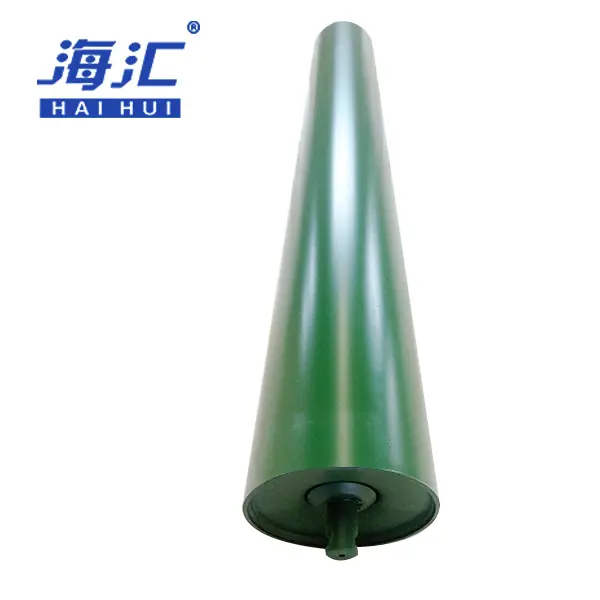
1. Rodillo guía cónico
El rodillo guía cónico es el tipo universal de rodillo guía más utilizado en las cintas transportadoras. Presenta una estructura cónica simétrica, con la parte central más gruesa y los extremos más delgados, y cuenta con funciones de centrado automático y corrección pasiva. Es adecuado para la mayoría de las cintas transportadoras convencionales de carga ligera y media.
Ventajas estructurales
Diseño integrado de conformado cónico, sin piezas de montaje complejas. La superficie del rodillo está sometida a una tensión uniforme, con una rotación flexible y una respuesta de corrección sensible. Se adapta automáticamente a ligeras desviaciones de la correa y permite realizar ajustes de centrado en tiempo real.
Situaciones en las que se aplica
Cintas transportadoras para líneas de montaje en fábricas, cintas transportadoras de clasificación logística, equipos de transporte ligeros para el sector alimentario y farmacéutico, y sistemas convencionales de cintas transportadoras horizontales.
Características de rendimiento
Baja resistencia de funcionamiento, bajo nivel de ruido, efecto de corrección estable y buena relación calidad-precio. Es el accesorio estándar para el mantenimiento y la sustitución diarios de las cintas transportadoras convencionales.
Los rodillos guía cónicos de Haihui se fabrican mediante fundición de una sola pieza y tecnología de pulido fino, con un cono uniforme y un rendimiento de corrección estable, lo que evita atascos y ajustes imprecisos.
2. Rodillo guía curvo
El rodillo guía curvo para cintas transportadoras está diseñado profesionalmente para el transporte en curvas y condiciones de trabajo con desviaciones de gran ángulo. Su estructura arqueada integrada se adapta perfectamente al recorrido de la cinta, lo que resuelve el problema de la dificultad para corregir la desviación y la tendencia de la cinta a desviarse con facilidad durante los giros y el transporte en pendiente.
Ventajas estructurales
Diseño con transición suave en arco, sin esquinas ni bordes afilados. Se adapta al radio de curvatura de la correa durante el funcionamiento, garantiza un guiado sin fisuras y evita la concentración local de tensiones y los arañazos en la correa.
Situaciones en las que se aplica
Cintas transportadoras curvas, líneas de transporte circulares de bucle cerrado, sistemas de transporte con giros en múltiples ángulos y equipos de transporte especiales para talleres con espacio limitado.
Características de rendimiento
Gran capacidad de adaptación a las vías curvas, efecto límite estable y ausencia de deslizamiento de la cinta. Resuelve eficazmente el problema de la desviación a largo plazo de las cintas transportadoras en curvas.
Haihui personaliza el arco en radianes según los parámetros del equipo del cliente para garantizar que el modelo 100% se adapte a la trayectoria de funcionamiento de la cinta transportadora in situ.
3. Rodillo guía para minería de alta resistencia
El rodillo guía para minería de alta resistencia es un tipo de rodillo guía reforzado y personalizado para cintas transportadoras, diseñado específicamente para condiciones de trabajo extremas, como minas, canteras, fábricas de cemento y puertos. Destaca por su resistencia a los impactos y al desgaste, así como por sus prestaciones a prueba de polvo y anticorrosivas.
Ventajas estructurales
Matriz de tubo de acero de mayor espesor + estructura de rodamientos reforzada, con gran resistencia a los impactos y a la presión. Equipada con un dispositivo de sellado multicapa, aísla eficazmente el polvo, el barro y la humedad, evitando que los rodamientos se atasquen y que los rodillos se bloqueen.
Situaciones en las que se aplica
Cintas transportadoras para la minería, equipos de transporte de carga a granel en puertos, líneas de transporte de alta resistencia para materiales de construcción y sistemas de transporte industrial para entornos con mucho polvo y cargas pesadas.
Características de rendimiento
Altamente resistente al desgaste, anticorrosivo, a prueba de polvo y con una larga vida útil. Puede funcionar de forma estable durante mucho tiempo en entornos adversos sin necesidad de un mantenimiento frecuente.
Los rodillos guía de alta resistencia de Haihui incorporan una tecnología de sellado conforme a las normas mineras, lo que reduce considerablemente la tasa de averías en condiciones de trabajo con mucho polvo y humedad.
4. Rodillo guía recubierto de goma
El rodillo guía recubierto de caucho para cintas transportadoras es un modelo optimizado para la protección, con una capa de caucho de alta elasticidad y resistente al desgaste que recubre la superficie metálica del rodillo. Su función principal es proteger la cinta, al tiempo que realiza tareas de guía y corrección.
Ventajas estructurales
La capa de recubrimiento de caucho presenta un alto coeficiente de fricción y una gran capacidad de amortiguación. Aumenta la fricción entre el accesorio y la correa, mejora la eficacia de la corrección y evita la fricción excesiva y los arañazos en la superficie de la correa.
Situaciones en las que se aplica
El procesamiento de alimentos, el transporte de piezas electrónicas de precisión, el transporte de productos de embalaje ligeros y situaciones que requieren una alta protección de la cinta transportadora.
Características de rendimiento
Antideslizante, amortiguador, silencioso y respetuoso con la cinta transportadora. Reduce eficazmente el desgaste de la cinta y prolonga la vida útil de las cintas transportadoras ligeras.
Haihui utiliza un revestimiento de goma antienvejecimiento de alta elasticidad, que no se descascarilla ni envejece fácilmente, lo que garantiza un rendimiento antideslizante y protector estable a largo plazo.
5. Rodillo guía anticorrosión de acero inoxidable
El rodillo guía de acero inoxidable para cintas transportadoras es un modelo especial anticorrosivo fabricado a medida, elaborado con acero inoxidable 304/316, que resuelve los problemas de corrosión y óxido de los rodillos guía en entornos húmedos y corrosivos.
Ventajas estructurales
Fabricado íntegramente en acero inoxidable, sin óxido ni oxidación. La superficie es lisa y fácil de limpiar, y presenta una excelente resistencia a la corrosión por ácidos y álcalis.
Situaciones en las que se aplica
Talleres limpios para la industria alimentaria y farmacéutica, transporte de materiales químicos corrosivos, transporte en entornos húmedos para el procesamiento de productos acuáticos y equipos de transporte al aire libre.
Características de rendimiento
Resistente a la corrosión y a las altas temperaturas; limpio e higiénico; sin restos de suciedad; cumple con las normas de producción limpia.
Los rodillos guía de acero inoxidable de Haihui presentan una superficie pulida con gran finura, carecen de rincones difíciles de limpiar y son fáciles de limpiar y mantener, por lo que se adaptan perfectamente a entornos de producción que requieren un alto nivel de limpieza.
6. Rodillo guía ajustable
El rodillo guía ajustable para cintas transportadoras es un modelo funcional y flexible, cuya posición y ángulo de instalación se pueden ajustar. Se adapta a diferentes anchuras de cinta y grados de desplazamiento, lo que permite un ajuste personalizado del guiado.
Ventajas estructurales
Equipado con un soporte fijo ajustable y una estructura de bloqueo del ángulo. Los trabajadores pueden ajustar con precisión la posición y el ángulo del rodillo en función de las condiciones de desviación de la cinta en la obra, lo que garantiza un funcionamiento flexible y una gran adaptabilidad.
Situaciones en las que se aplica
Líneas de transporte de producción mixta multimodelo, líneas de proceso que se ajustan con frecuencia y equipos de transporte con un funcionamiento inestable de la cinta.
Características de rendimiento
Gran flexibilidad, amplio rango de adaptación, instalación única y ajuste para múltiples escenarios, lo que reduce los costes de modificación de los equipos.
Los rodillos guía ajustables de Haihui incorporan una estructura de bloqueo precisa que evita cualquier desplazamiento tras el ajuste, lo que garantiza un efecto de guía estable a largo plazo.
Tabla comparativa del rendimiento y los escenarios de los rodillos guía
Los distintos tipos de rodillos guía para cintas transportadoras presentan diferencias evidentes en cuanto a las prestaciones de los materiales, la capacidad de corrección, la adaptabilidad al entorno y la vida útil. La siguiente tabla comparativa resume de forma intuitiva los parámetros fundamentales y los escenarios de aplicación de todos los modelos más habituales, lo que ayuda a los usuarios a seleccionar rápidamente el modelo adecuado y a evitar fallos debidos a una elección incorrecta.
| Tipo de rodillo guía | Ventaja clave en materia de rendimiento | Material principal | Condiciones de trabajo flexibles | Característica de vida útil |
| Rodillo guía cónico | Centrado automático, corrección sensible | Acero al carbono | Sistemas de transporte convencionales para cargas ligeras y medias | Servicio diario fiable, bajo mantenimiento |
| Rodillo guía curvo | Se adapta perfectamente a las vías curvas, sin arañazos en la correa | Acero al carbono de alta precisión | Líneas de transporte curvas y de circuito cerrado | Funcionamiento estable a largo plazo en el torneado |
| Rodillo guía para minería de alta resistencia | Resistente a los golpes, a prueba de polvo y anticorrosivo | Acero aleado de mayor espesor | Condiciones extremas en minas, puertos y obras de construcción | Vida útil ultralarga en entornos adversos |
| Rodillo guía recubierto de caucho | Amortiguador antideslizante, protección de la correa | Acero al carbono + recubrimiento de caucho | Transporte de materiales delicados y de precisión | Reducir las pérdidas de la correa y prolongar su vida útil |
| Rodillo guía de acero inoxidable | Anticorrosivo, limpio e higiénico | Acero inoxidable 304/316 | Taller limpio y entorno corrosivo | Sin óxido, uso estable a largo plazo |
| Rodillo guía ajustable | Ajuste flexible del ángulo, gran adaptabilidad | Acero al carbono de alta resistencia | Proceso variable y producción mixta con múltiples escenas | Instalación única, reutilización en múltiples escenas |
Todos los rodillos guía de Haihui se fabrican siguiendo procesos estandarizados y pueden personalizarse en cuanto a tamaño, material y estructura en función de las condiciones de trabajo in situ del cliente, lo que garantiza una compatibilidad perfecta con el sistema transportador.
4 normas básicas de clasificación de los rodillos guía para cintas transportadoras
Muchos usuarios confunden los distintos tipos de rodillos guía para cintas transportadoras y no saben seleccionar con precisión los productos adecuados. Los rodillos guía industriales tienen unas dimensiones de clasificación bien definidas. Dominar los cuatro criterios de clasificación siguientes permite aclarar rápidamente la lógica de selección y evitar compras a ciegas.
1. Clasificación según la función estructural
Se divide en tres tipos: de corrección fija, de posicionamiento de límite y flexible ajustable. El tipo fijo es adecuado para líneas de producción convencionales estables; el tipo de límite se centra en la prevención de desviaciones y derrames; el tipo ajustable se adapta a condiciones de trabajo variables con cambios frecuentes en el proceso.
2. Clasificación según las condiciones de trabajo de la carga
Incluyen los tipos de carga ligera, media y pesada. Los rodillos guía de carga ligera son adecuados para el transporte de productos ligeros en los sectores alimentario, electrónico y logístico; los de carga media se adaptan a la producción industrial general; y los de carga pesada se utilizan específicamente para el transporte de materiales a granel con cargas elevadas en minas y puertos.
3. Clasificación según el material de fabricación
Entre los materiales se incluyen el acero al carbono común, el acero aleado, los compuestos recubiertos de caucho y el acero inoxidable. Los distintos materiales determinan la resistencia al desgaste, la resistencia a la corrosión, la resistencia al impacto y la adaptabilidad ambiental de los rodillos guía.
4. Clasificación según el entorno de aplicación
Se divide en los siguientes tipos: para entornos convencionales, antipolvo para entornos con mucho polvo, anticorrosión para entornos húmedos y sanitario para entornos limpios. Su diseño, pensado para adaptarse a cada entorno específico, garantiza un funcionamiento estable de los rodillos guía en diferentes situaciones complejas.
Errores habituales en la selección y el acoplamiento de los rodillos guía, y sus soluciones
La mayoría de los fallos relacionados con la desviación, el desgaste y el ruido de las cintas transportadoras se deben a una selección incorrecta de los rodillos guía, y no a problemas de calidad del equipo. Resumir los casos más comunes de combinación incorrecta ayuda a las empresas a evitar pérdidas operativas y problemas de mantenimiento.
Elección errónea n.º 1: Rodillos guía de acero al carbono corriente para entornos corrosivos
Los rodillos guía de acero al carbono convencional son propensos a la oxidación y al óxido en entornos húmedos y con sustancias químicas corrosivas, lo que provoca atascos en los rodillos, arañazos en la cinta y una reducción del efecto corrector. Solución: Utilizar rodillos guía de acero inoxidable 304/316 en entornos corrosivos y húmedos para garantizar un rendimiento duradero contra el óxido y la corrosión.
Selección incorrecta n.º 2: Rodillos guía para uso ligero en condiciones de trabajo mineras con cargas pesadas
Los rodillos guía para servicio ligero carecen de la resistencia al impacto y la solidez estructural necesarias, por lo que se deforman y se dañan fácilmente bajo el impacto prolongado de materiales pesados, perdiendo así sus funciones de guía y corrección. Solución: Utilizar rodillos guía profesionales reforzados para minería, diseñados para servicio pesado, que se adapten a condiciones de trabajo con cargas elevadas y alto impacto.
Error de selección n.º 3: Rodillos guía de metal duro para el transporte por cinta de precisión
Los rodillos de metal duro pueden provocar fácilmente una fricción intensa y arañazos en las correas ligeras y frágiles, lo que acorta su vida útil. Solución: Elija rodillos guía amortiguadores recubiertos de goma para proteger la correa y garantizar al mismo tiempo un buen guiado.
Error de selección n.º 4: Rodillos rectos fijos para líneas de transporte curvas
Los rodillos guía rectos normales no se adaptan a la trayectoria curva, lo que provoca un efecto de corrección deficiente y desviaciones frecuentes de la cinta en los puntos de giro. Solución: Para las líneas de transporte curvas se necesitan rodillos guía curvos especiales que permitan un guiado que se adapte a la trayectoria.
Guía paso a paso para la selección de rodillos guía para cintas transportadoras
La selección científica de los rodillos guía para cintas transportadoras debe tener en cuenta de forma integral los parámetros del equipo, las características del material, el entorno de trabajo y las exigencias operativas. Haihui resume una serie de pasos prácticos para la selección in situ, destinados a que los compradores industriales puedan lograr una adaptación precisa.
Paso 1: Confirmar los parámetros básicos de la cinta transportadora
Especifique la anchura de la cinta, la velocidad de transporte, el tipo de equipo (horizontal, inclinado, curvo) y las horas de funcionamiento diarias para determinar las especificaciones básicas y el tipo de estructura de los rodillos guía.
Paso 2: Evaluar las características del material y de la carga
Distinguir entre materiales envasados ligeros y materiales a granel pesados, comprobar la fuerza de impacto del material y seleccionar los tipos de rodillos guía para cargas ligeras, medias o pesadas, a fin de evitar una capacidad de carga insuficiente.
Paso 3: Adaptarse a las condiciones ambientales del lugar
Elija el modelo resistente y a prueba de polvo para entornos con mucho polvo, el modelo anticorrosivo de acero inoxidable para entornos húmedos y corrosivos, y el modelo protector recubierto de goma para entornos de producción limpios y de precisión.
Paso 4: Determinar la orientación hacia la demanda funcional
Elija el tipo cónico fijo para una corrección estable y diaria de la desviación, el tipo especial curvo para el transporte en curvas y el tipo ajustable para condiciones de trabajo variables en el proceso.
Paso 5: Comprobar la capacidad de personalización del fabricante
Dar prioridad a los fabricantes con una amplia experiencia en personalización, capaces de ajustar el tamaño, el material y la estructura de los rodillos en función de los parámetros específicos de los equipos y las condiciones de trabajo, con el fin de lograr una adaptación sin errores.
Preguntas frecuentes sobre los rodillos guía para cintas transportadoras
1. ¿Cuál es la función principal del rodillo guía de una cinta transportadora?
Entre sus funciones principales se incluyen la corrección automática de la desviación de la cinta, el posicionamiento en los límites laterales, la reducción de la fricción y el ruido durante el funcionamiento, y la protección de la cinta transportadora y la estructura del bastidor. Se trata de un componente clave para garantizar un funcionamiento estable y duradero de las cintas transportadoras.
2. ¿Cómo elegir los rodillos guía para las cintas transportadoras de alta resistencia de las minas?
Las condiciones de trabajo en las minas exigen el uso de rodillos guía de alta resistencia, fabricados en acero aleado de gran espesor, con una estructura de sellado y protección contra el polvo de varias capas. Deben presentar una excelente resistencia a los impactos, al desgaste y al polvo para adaptarse a un funcionamiento prolongado bajo cargas elevadas y en entornos con gran cantidad de polvo.
 English
 العربية
 Português do Brasil
 Русский
 Español