
مداحل المعدات الثقيلة: القطعة $20 التي توقف آلة $500,000
Buying heavy equipment rollers sounds like the easy part of any machinery rebuild. It‘s not. One roller with a soft shaft, one bearing that wasn’t heat-treated right, and suddenly your track tension is off, the undercarriage is wearing crooked, and the whole machine is down while you wait for a replacement that should have been in your parts room already. For equipment superintendents, that‘s not a bad Tuesday—that’s a $10,000 loss in a single shift and an uncomfortable call to the operations manager.
The global market for heavy equipment undercarriage components was valued at over $8 billion in 2024, according to industry sources. A huge chunk of that spend is replacement of rollers that failed early—not from wear, but from being built wrong from the start.
“We saved fifty bucks a roller on a set of twelve,” a fleet manager told me, shaking his head. “Saved six hundred bucks total. Then we had a machine down for three days waiting on replacements. Lost thirty grand in production. That‘s the most expensive “savings” I’ve ever seen.”
So before you sign off on a bulk roller order for your dozers, excavators, or tracked loaders, check the shaft hardness, the bearing seal, the flange weld, and the steel grade. Because on heavy equipment, cutting corners on rollers doesn‘t save money—it parks your machine.
Quick Answers: Heavy Equipment Rollers Essentials
➔ العمود والصلابة: Specify 40Cr or 42CrMo4 steel, induction‑hardened to HRC 50–55 at bearing and track surfaces, with certified hardness test reports.
➔ Bearing & Sealing: Choose tapered roller bearings or sealed ball bearings (P6 grade minimum), double contact seals (IP65+), and high‑temperature lithium grease.
➔ Roller Shell & Flange: Specify S355 or hardened steel shell, wall thickness 8–15 mm depending on machine class, full penetration flange welds.
➔ التصنيع والاختبار: Ensure concentric grinding, magnetic particle inspection (MPI) of welds, and 100% spin testing before shipment.
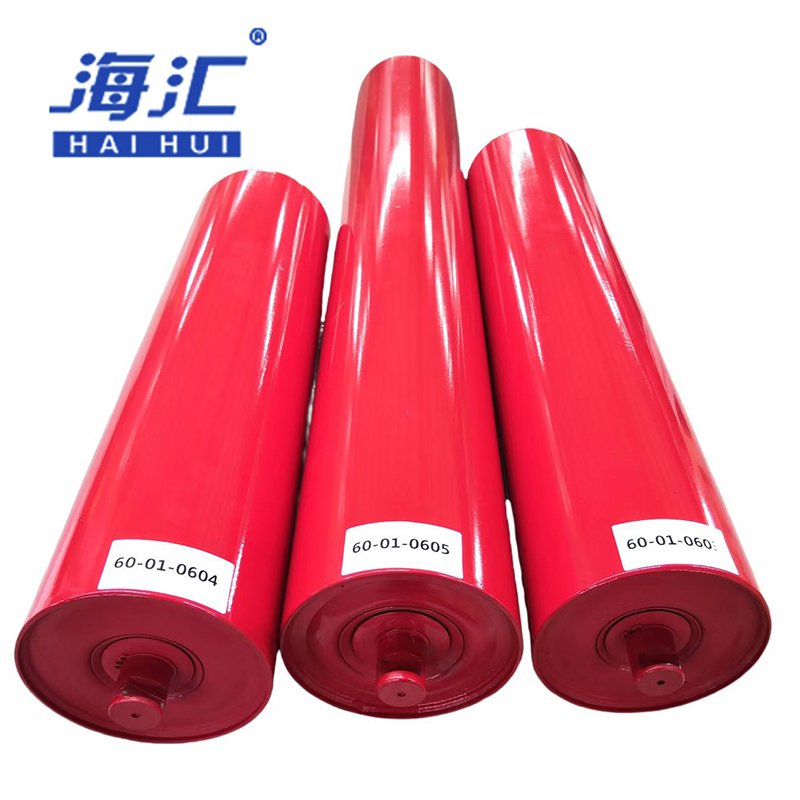
Why Most Heavy Equipment Rollers Die Young
Heavy equipment rollers don‘t fail from old age. They fail from what they roll through every day—mud, sand, rock dust, frozen ground, and whatever else gets packed into the track frame. A roller that would last five years on a clean site might die in five months on a demolition job or a quarry floor.
I’ve stood next to a D10 dozer working a rock pile and watched the track rollers take abuse that would destroy a lesser machine. Each roller carries tens of thousands of pounds, spins constantly, and gets pounded by every rock that rolls under the track.
“We used to buy aftermarket rollers from three different suppliers,” a heavy equipment shop foreman told me. “Some were fine. Some failed in six months. Got tired of swapping rollers under warranty. Now we buy from one source that proves what they‘re selling.”
Shaft Hardness — The Non‑Negotiable
The shaft is the roller’s backbone. A soft shaft wears where the bearings ride. Then the bearings get loose. Then the roller wobbles. Then the track wears unevenly.
| Machine Class | قطر العمود (مم) | الصلابة (HRC) | عمق العلبة (مم) |
|---|---|---|---|
| Compact (mini‑excavators) | 30–40 | 48–52 | 2.0–3.0 |
| Medium (dozers 8–12 ton) | 40–55 | 50–55 | 3.0–4.0 |
| Large (dozers 20–40 ton) | 55–75 | 52–56 | 4.0–5.0 |
| Ultra‑class (D10/D11 size) | 75–90 | 54–58 | 5.0–6.0 |
“I’ve cut open failed rollers that had no case hardening at all,” a هايهوي metallurgist told me. “Just soft steel all the way through. The bearings wore into the shaft like it was butter. Those rollers never had a chance.”
درجات فولاذ الأعمدة التي تثبت فعاليتها
- 40Cr: Good all‑round choice for most equipment
- 42CrMo4: Higher strength, better fatigue resistance
- Induction hardened: Creates hard wear surface while keeping core tough
“You want a hard surface and a tough core,” the metallurgist explained. “Hard surface resists wear. Tough core absorbs impact. Induction hardening gives you both.”
Bearing Quality — The Quiet Killer
The bearing lets the roller spin. A cheap bearing might feel fine on the workbench. Under load, with shock and vibration, it fails.
| نوع المحمل | الأفضل لـ | Life Expectancy |
|---|---|---|
| Tapered roller | High radial + thrust loads (dozer track frames) | ممتاز |
| Sealed ball | Lighter duty, less contamination | جيد |
| Needle bearing | Compact designs, limited space | معتدل |
Bearing brands that hold up
- SKF, FAG, Timken, NSK are standard on quality rollers
- No‑name bearings are a gamble. I’ve seen some last. I’ve seen more fail.
Seal Types — Keeping Dirt Out
The seal is the roller‘s first defense. On heavy equipment, the environment is brutal—mud, water, fine dust, sometimes salt or chemicals.
| نوع الختم | Effectiveness | الأفضل لـ |
|---|---|---|
| تلامس الشفة الواحدة | معتدل | Clean sites, light duty |
| تلامس الشفتين | جيد | General construction |
| الشفة الثلاثية / المتاهة | ممتاز | Wet, muddy, abrasive conditions |
| Floating seal (metal face) | ممتاز | Extreme environments, long life |
“Floating seals cost more,” a field service tech told me. “But on a machine working in mud and water all day, they’re worth every penny. We‘ve got rollers with floating seals that have outlasted the track chains.”
الشحوم مهمة
- النوع: High‑temperature lithium complex (NLGI 2) with EP additives
- حجم التعبئة: 60–80% of cavity—heavy equipment rollers need more grease
- Relubrication interval: Daily for severe service, weekly for normal
Roller Shell and Flange Construction
The shell takes the weight and guides the track. Flanges keep the track from walking off.
| نوع الأسطوانة | سماكة الجدار (مم) | Flange Hardness (HRC) | الأفضل لـ |
|---|---|---|---|
| Single flange | 8–12 | 45–50 | Dozer track frames |
| Double flange | 10–15 | 45–50 | Excavator undercarriage |
| Center guide | 8–12 | 45–50 | Carrier rollers |
“Flange wear is a dead giveaway of track alignment issues,” a هايهوي applications engineer told me. “If one side is worn more than the other, something isn’t straight. The roller isn’t the problem—the track frame is.”
سلامة اللحام
Flanges are welded to the roller shell. Bad welds crack. Cracked flanges come off. A roller with a missing flange is junk.
| نوع اللحام | Inspection Method | Pass Criteria |
|---|---|---|
| الاختراق الكامل | Magnetic particle (MPI) | No cracks |
| Fillet weld | Visual + dye pen | No porosity |
Finishing and Machining
- OD grinding: ±0.05 mm tolerance for smooth track engagement
- تشطيب السطح: ≤1.6 µm Ra to minimize track pin wear
- الرصيد: Dynamic balancing for high‑speed machines (excavators)
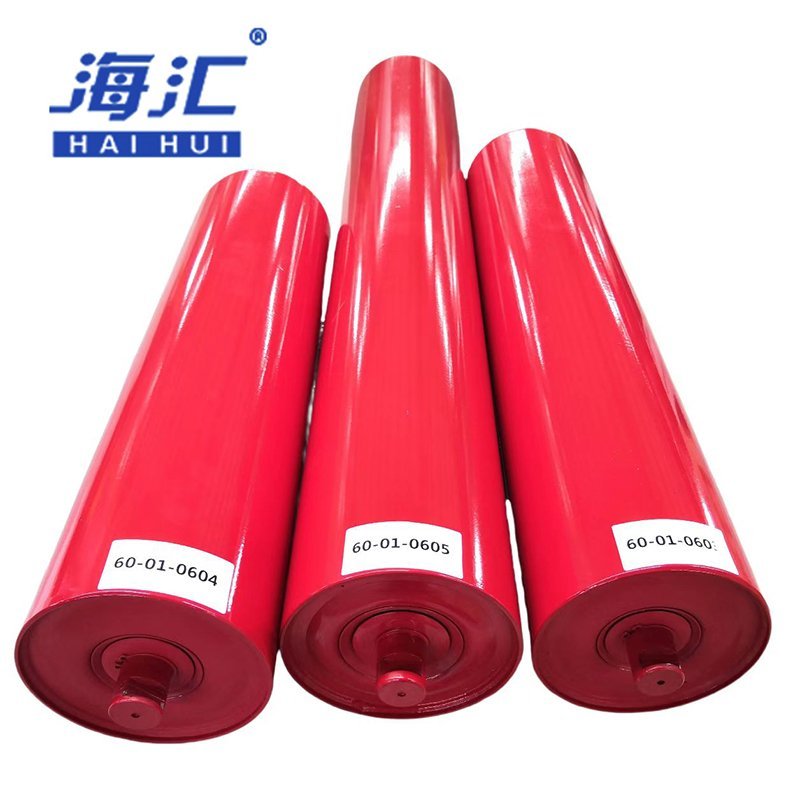
The True Cost of Cheap Rollers
| عامل التكلفة | أسطوانة عالية الجودة | أسطوانة رخيصة |
|---|---|---|
| سعر الوحدة | $120 | $80 |
| العمر المتوقع | 5,000 hours | 1,500 hours |
| العمالة المطلوب استبدالها | نفس الشيء | Same (but 3x more often) |
| Downtime cost | منخفض | مرتفع |
| Track wear | Even | Uneven (costly) |
| التكلفة الإجمالية للملكية | أدنى | Much higher |
“We did a TCO study,” a fleet superintendent told me. “The cheap rollers cost 2/3 as much upfront. Over the life of the undercarriage, they cost us three times more in downtime and track wear. We don’t buy cheap anymore.”
OEM vs. Aftermarket Heavy Equipment Rollers
بكرات OEM
- المزايا: Exact fit, known quality, full documentation
- العيوب: High price, long lead times
- الأفضل لـ: Critical machines, warranty retention
بكرات ما بعد البيع (عالية الجودة)
- المزايا: Lower price, often in stock
- العيوب: Variable quality between suppliers
- الأفضل لـ: Older machines, budget‑conscious fleets
هايهوي supplies aftermarket rollers that meet or exceed OEM specs—hardened shafts, quality bearings, proper seals, full traceability.
How to Verify Heavy Equipment Roller Supplier Credibility
1. شهادة الصلابة
- Request HRC test reports for shaft and flange
- Minimum acceptable: HRC 50 at bearing seats, HRC 45 on flange wear surface
- Test method: Rockwell C scale, documented case depth
2. Bearing Brand and Grade
- In writing: Brand (SKF, Timken, NSK) and grade
- No “equivalent” without approval—test first
3. Weld Inspection
- MPI or dye penetrant records for flange welds
- لا توجد شقوق، ولا مسامية
4. Seal Type Confirmation
- Not “heavy duty seal”—specific type (double lip, floating, etc.)
- IP rating if available
5. Spin Testing
- Roller should spin freely, no grinding, no wobble
هايهوي provides full documentation with every roller order—hardness reports, bearing certs, weld inspection records, and photos of finished rollers before packing.
الأسئلة الشائعة
1. What heavy equipment rollers need the most attention?
- Track rollers (bottom): Carry most weight, fail most often
- Carrier rollers (top): Support upper track run, less load but critical for alignment
- Flange wear: Indicates track frame alignment issues
2. How do I know if my rollers are failing?
- مرئي: Flange wear, grease leakage, flat spots
- أودابل: Squeaking, grinding, thumping as track rotates
- الأداء: Track tension issues, uneven wear, machine pulling to one side
3. What should I check before a bulk roller order?
- Shaft hardness certification (HRC 50+)
- Bearing brand and grade in writing
- Seal type (floating seals for wet conditions)
- Weld inspection records
- Sample cut‑up if you’re buying from a new supplier
When shaft, bearing, seal, and weld are built right, heavy equipment rollers become one less thing to worry about. And on a job site with production targets to hit, that‘s worth more than the price difference.
المراجع
- Association of Equipment Manufacturers – Undercarriage Components Report 2024
- ASTM E18 – Standard test methods for Rockwell hardness
- SKF – Bearing selection for off‑highway vehicles
- Haihui – Technical data sheets for heavy equipment undercarriage rollers
 English
 العربية
 Português do Brasil
 Русский
 Español