
Heavy Duty Sealed Conveyor Rollers:Stop Dust & Bearing Failure
A heavy duty sealed conveyor roller isn’t just a component—it’s a fork in the road for downtime, contamination control, and how much bearing failure your operation can stomach.
Standard rollers keep things cheap upfront, but cheap gets expensive at scale when dust kills bearings and moisture seizes seals. Environmental regulations are tightening, and sustainability goals now creep into every procurement conversation.
Haihui engineers note in their 2025 internal guides that advanced seal systems, synthetic greases, and precision bearing cartridges shift lifecycle cost, roller reliability, and contamination control into the buyer’s hands.
Key Points for Heavy Duty Sealed Conveyor Rollers
➔ Lifecycle Cost: Durable labyrinth or contact seals support extended service life in dusty or wet environments, slashing change‑out frequency and overall maintenance spend.
➔ Contamination Control: Meets CEMA, DIN, and MSHA standards; specifiers choose IP ratings and seal types to stay within safety and environmental regulations.
➔ Operational Performance: Precision bearing sealing, running torque testing, and concentricity control ensure consistent rolling resistance and belt tracking for mining, aggregate, and heavy industrial plants.
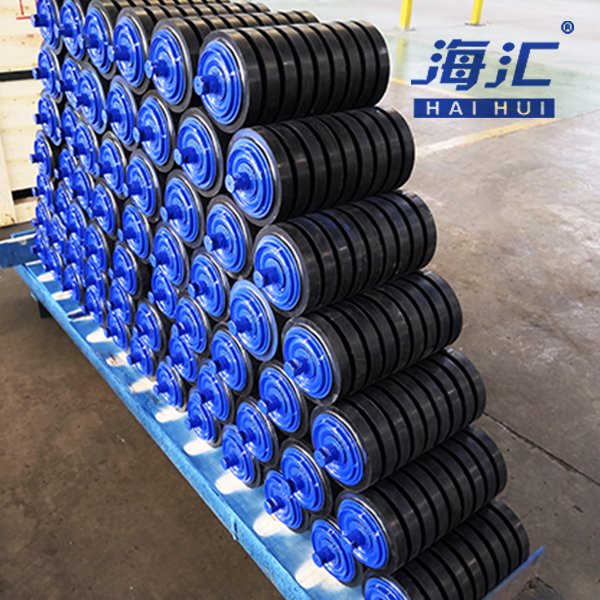
Heavy Duty Sealed vs. Standard Conveyor Rollers
Choosing between a heavy duty sealed roller and a standard unsealed roller often comes down to environment, lifetime cost, and daily maintenance tolerance. Some plants just want the lowest first cost. Others want control, durability, and long‑term value after contamination starts.
Heavy Duty Sealed Conveyor Roller
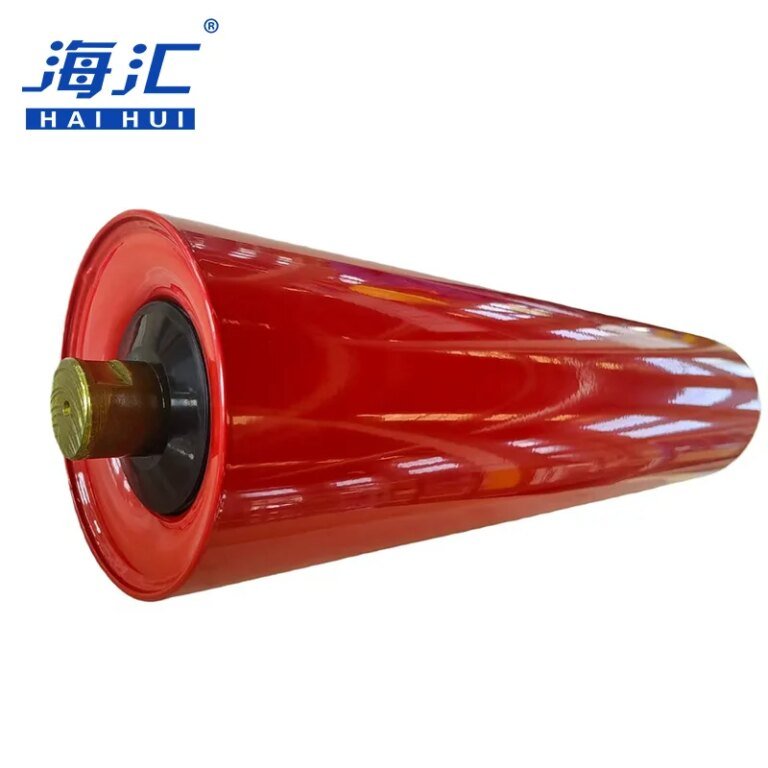
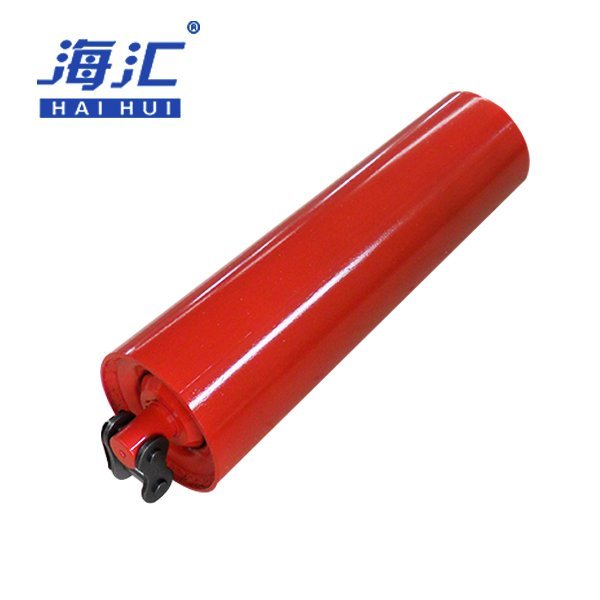
A heavy duty sealed roller isn’t just a tube with bearings; it’s a contamination control system built around multi‑labyrinth seals, synthetic grease, and tested ingress protection. The idea is simple—seal, run, last longer—but the engineering behind it matters.
- Seal options: labyrinth (non‑contact), contact lip, or triple labyrinth with flinger
- Bearing protection: sealed cartridges, stainless steel housings, or grease‑filled cavities
- Ingress protection rating: IP65 – IP69K depending on specification
- Designed for dusty, wet, or abrasive environments
At the core of a heavy duty sealed roller system:
| Performance | Environmental Impact | Cost Control |
|---|---|---|
| Smooth, consistent rolling resistance | Reduced roller change‑out waste | Lower long‑term replacement frequency |
| No bearing seizure from dust or moisture | Less grease leakage into plant | Fewer emergency maintenance calls |
| Belt tracking stays true | Extended roller service life | Predictable budgeting |
A heavy duty sealed roller feels practical in mines, cement plants, recycling facilities, and quarries where dust is constant. With proper sealing, contamination stops and belt damage shrinks.
For roller manufacturing experts like ハイフイ, the focus stays on seal integrity, grease retention, and long-term reliability. A well‑specified heavy duty sealed roller gives steady performance, handles harsh environments, and cuts down on replacement habits. It’s less “replace every year,” more “install and forget.”
Standard Conveyor Roller
A standard conveyor roller has basic labyrinth seals or no seals at all. No contamination protection. No ingress testing.
- Standard carbon steel tube
- Open bearing or single labyrinth seal
- Standard grease, no synthetic option
- Built for dry, indoor, low‑dust environments
It works like this:
- Install
- Run
- Dust enters
- Bearing contaminates
- Roller seizes
- Replace
Inside a typical standard roller:
| Component | Function | Outcome |
|---|---|---|
| Labyrinth seal | Basic dust protection | Fails in fine dust or moisture |
| Standard grease | Lubrication | Dries out or washes away |
| Open bearing | Rolling element | Contaminates quickly |
Convenience drives demand. For dry, indoor conveyors with short life expectations, a standard roller feels easy. Yet compared to a heavy duty sealed roller, change‑out costs stack up fast. Seized rollers accumulate. Belt damage adds impact.
ハイフイ recognizes both markets, but many plants now rethink “cheap upfront.” A heavy duty sealed roller offers control and longevity, while the standard roller keeps first cost low. The choice depends on your environment—and how much maintenance you’re willing to live with.
Why Switch to Heavy Duty Sealed Rollers for Harsh Environments?
Quick intro: A heavy duty sealed conveyor roller sounds like a small spec change, but in dusty or wet plants it changes the day‑to‑day grind. You get steadier belt tracking, fewer change‑outs, and cleaner maintenance logs. Below is the plain talk on why plants pick heavy duty sealed rollers and how they interact with regulations.
Why opt for heavy duty sealed rollers in mining and aggregate applications?
A heavy duty sealed roller fits harsh environments because the hardware is built for contamination resistance, not occasional protection. In practice, that means less dust ingress, fewer surprises, and better control when uptime targets are tight.
Performance and repeatability
- Seal consistency keeps rolling resistance predictable across batches, which helps belt tracking stay stable.
- A good heavy duty sealed system reduces “roller seized after three months” issues that show up with standard open bearings.
Durability in harsh jobs
- For mines, quarries, and cement plants, a roller that survives dust, mud, and temperature swings matters.
- Multi‑labyrinth seals or contact lips increase durability without coddling the component.
Sustainability and plant efficiency
- Longer roller life cuts replacement waste and reduces steel consumption, supporting sustainability goals without slowing production.
- ハイフイ positions its heavy duty sealed solutions—including triple labyrinth seals and synthetic greases—as a way to keep efficiency high while lowering material churn.
How do seal ratings impact cost and waste reduction?
Seal rating changes the math fast. The better the seal, the more the upfront hardware cost gets spread out over years, and the less scrap the plant pays to haul away.
Cost per year drops with higher seal protection
- After a few years of service, a heavy duty sealed roller is “paid for” compared to replacing unsealed rollers every 6–12 months.
- Less waste, less hassle – lower replacement frequency means simpler maintenance planning and fewer roller disposals.
Operational reality check
- If replacement timing is inconsistent, you can lose savings through unplanned downtime, so plan seal protection like you plan bearing life.
| Seal Type | Avg. cost per roller (USD) | Est. service life (years) | Waste reduction vs. standard |
|---|---|---|---|
| Single labyrinth (baseline) | 50 | 1.0 | 0% |
| Double labyrinth | 70 | 2.0 | 50% |
| Contact lip (single) | 80 | 2.5 | 60% |
| Triple labyrinth + flinger | 100 | 4.0 | 75% |
| Contact lip + labyrinth (dual) | 120 | 5.0 | 80% |
Quick notes that plants actually care about:
- Fewer change‑outs improves maintenance efficiency and lowers labor costs.
- Predictable roller life can stabilize inventory planning and tighten budget forecasting.
ハイフイ emphasizes its heavy duty sealed innovation—such as IP69K‑rated seal systems—as a way to achieve “same application, lower replacement frequency,” which is exactly how plant operators talk.
Which regulations and standards govern heavy duty sealed rollers?
Rules don‘t care if it’s dusty; they care if it‘s safe. A heavy duty sealed roller and a standard roller both sit under CEMA, DIN, and MSHA frameworks, but harsh environments get extra scrutiny because seal failure introduces contamination risk.
Industry and safety standards
- CEMA (Conveyor Equipment Manufacturers Association) defines roller classifications and application guidelines.
- DIN 22107 in Europe covers idler specifications and testing.
- MSHA in the U.S. governs rollers used in underground mining.
Contamination control requirements
- Ingress protection (IP) ratings define dust and moisture resistance (IP65, IP66, IP67, IP69K)
- Seal material compatibility with application dust type
- Grease retention and relubrication intervals
Seal‑specific requirements
- Labyrinth gap tolerance for fine dust environments
- Contact lip pressure for wet or muddy conditions
- Flinger design for extreme contamination
Practical takeaway
- A heavy duty sealed roller program should be set up like an investment, not a consumable. ハイフイ highlights this by offering IP test reports alongside their rollers, ensuring plant operators have the documentation they need so maintenance routines don’t get skipped.
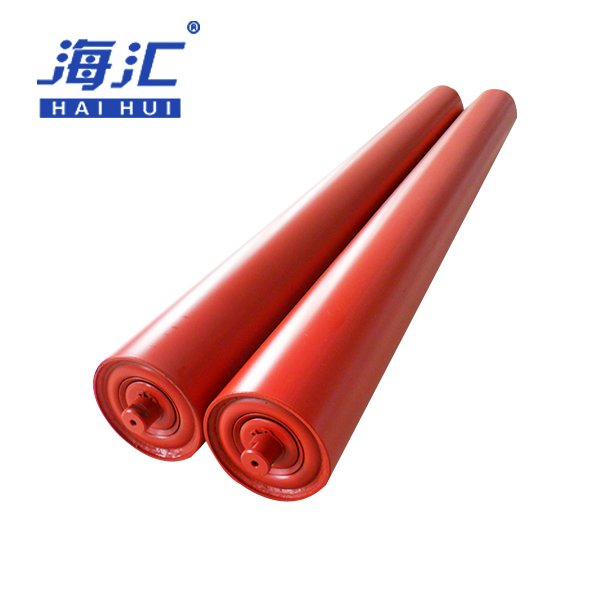
How to Maintain Heavy Duty Sealed Rollers: A 4‑Step Guide
Maintaining heavy duty sealed rollers isn‘t rocket science, but it does demand attention. From inspecting seal condition to monitoring running torque, each step affects service life. If you work with heavy duty sealed rollers, getting the basics right keeps contamination out and belt tracking smooth.
Step 1 – Inspecting Seal Condition and Integrity
A solid inspection routine keeps the roller reliable and your heavy duty sealed roller ready for another year of service.
- Inspect seals for cracking, hardening, or damage
- Check labyrinth gaps for dust packing
- Verify flinger condition (if equipped)
Inside the inspection:
- Rotate roller and listen for grinding or roughness
- Check seal lip contact pressure (contact seals)
- Measure running torque with a spring gauge
When servicing heavy duty sealed rollers, pay attention to the seal interface—that‘s where contamination enters. With ハイフイ systems, seal tolerances are tight, so small defects get caught early.
Step 2 – Verifying Grease Retention and Condition
Proper grease retention defines how well the roller survives long service intervals. The inspection process must balance grease type, fill volume, and operating temperature.
Typical Technical Benchmarks
| Test Item | Standard Range | Purpose |
|---|---|---|
| Grease type | Lithium complex or synthetic | Temperature stability |
| Fill volume | 30–50% of bearing cavity | Prevents churning or drying out |
| Running torque | ≤1.5 Nm (114mm roller) | Smooth operation |
After grease inspection, spin the roller to detect roughness. For any heavy duty sealed roller, grease retention protects both bearing life and belt tracking.
Step 3 – Checking Bearing Condition and Running Torque
The bearing assembly affects the entire roller lifespan.
- Listen for grinding, rumbling, or rough spots during spin test
- Compare running torque to baseline values
- Check for end play or axial movement
A heavy duty sealed roller only performs as well as its bearing protection. ハイフイ engineers design seal systems to reduce contamination ingress that compromises bearing life.
Step 4 – Monitoring Belt Tracking and Roller Alignment
Fine belt tracking monitoring controls belt wear, edge damage, and overall conveyor efficiency.
- Observe belt tracking over time
- Check roller alignment to belt centerline
- Measure idler sag or tilt
“Global demand for low‑maintenance conveyor components continues to expand through 2025, supported by innovation in seal and bearing technology,” notes recent analysis from Grand View Research (2025).
Dialing in the maintenance schedule ensures consistent performance across dusty, wet, and abrasive environments. A heavy duty sealed roller that spins freely saves power, cuts belt wear, and simply feels right in the conveyor line.
References
- Grand View Research – Conveyor Component Market Analysis
- CEMA – Conveyor Equipment Manufacturers Association standards
- DIN 22107 – Idlers for belt conveyors
- IP Ratings – Ingress protection standards (IEC 60529)
- MSHA – Mine Safety and Health Administration
- ASTM D395 – Rubber compression set test
- Haihui – Technical specifications for heavy duty sealed conveyor rollers
 English
 العربية
 简体中文
简体中文 Nederlands
 Français
 Deutsch
 Bahasa Indonesia
 Italiano
 日本語
日本語 한국어
한국어 Bahasa Melayu
 Polski
 Português do Brasil
 Русский
 Español
 Türkçe