
Rodillos de cinta transportadora de alta resistencia: el abastecimiento a granel es un acto de confianza ciega
Buying heavy duty conveyor rollers in bulk isn‘t just a parts list exercise—it’s a trust fall with your entire shift’s productivity on the line. One seized bearing, one thin wall, and suddenly your belt drags like a stuck pig or the roller shells out after three months. For maintenance managers, that’s not a hiccup—that’s a midnight phone call and a whole crew standing around. Price tags matter, sure, but tube wall thickness, bearing grade, and seal integrity matter more when tons per hour won’t wait and your spare parts budget is already blown.
The global conveyor roller market was valued at over $6 billion in 2024, according to industry sources cited by Modern Bulk Handling—steady replacement demand, tight margins, zero room for rollers that fake it.
So before you sign off on a bulk roller order, check the tube spec, the bearing brand, the seal type, and the weld quality. Because in this business, cutting corners doesn’t save money—it adds walk‑time and frustration.
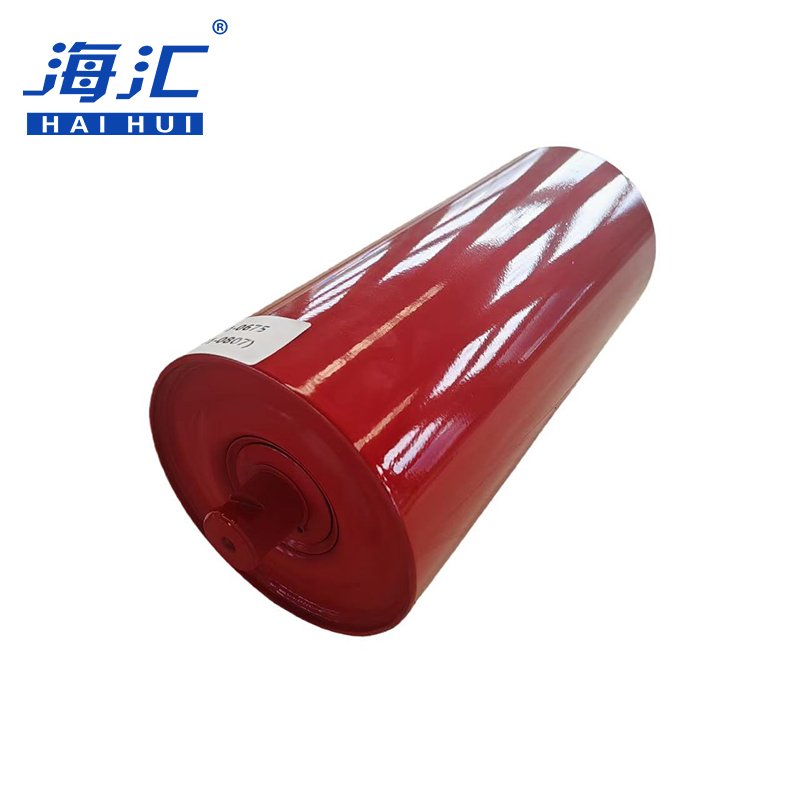
Quick Answers: Heavy Duty Conveyor Rollers Essentials
➔ Tubos y paredes: Specify S235 or S355 steel, verify wall thickness (±0.3 mm tolerance), and demand certified material traceability.
➔ Rodamiento y eje: Choose deep groove ball bearings (P6 or P5 grade), confirm shaft straightness (≤0.2 mm/m), and document grease fill.
➔ Sellado y protección: Specify labyrinth or contact seals, verify ingress protection (IP65 minimum), and confirm running torque.
➔ Fabricación y equilibrio: Asegurarse de que la soldadura sea concéntrica, de que se realice el equilibrado dinámico (ISO 1940 G-16) y de que se lleve a cabo la prueba de rotación 100% antes del envío.
How Do Tubes, Bearings, and Seals Impact Roller Life?
Service life is not just luck. It comes down to tube stiffness, bearing quality, and seal design. For teams sourcing heavy duty rollers in bulk, these small details quietly decide whether your conveyor runs for years or turns into a replacement‑every‑six‑months headache.
Tube Wall Thickness for High‑Impact Applications
When buyers look at heavy duty rollers, tube wall often gets overlooked. That’s risky. On every roller, rigidity starts with steel grade and wall thickness. I’ve seen plants buy cheap rollers and watch them bend under a heavy load within weeks.
Tipos de acero y sus funciones
- S235 (acero dulce): Good for light duty, dry goods, low impact. Fine for distribution centers.
- S355 (mayor resistencia): Better yield strength, handles impact, suitable for most heavy duty applications.
- Tubo endurecido (inducción superficial): Extreme wear resistance, longer life in abrasive environments.
Wall thickness recommendations
| Diámetro del rodillo | Carga ligera (mm) | Alta resistencia (mm) | Resistencia al impacto (mm) |
|---|---|---|---|
| 89 mm | 2.0 | 2.5 | 3.0 |
| 114 mm | 2.5 | 3.2 | 4.0 |
| 133 mm | 3.0 | 4.0 | 5.0 |
| 159 mm | 3.5 | 4.5 | 5.5 |
“We used to buy standard 2.5mm wall rollers,” one plant manager told me. “After crushing a dozen under a heavy load, we switched to 4mm. Haven’t bent one since.”
Por qué es importante el espesor de la pared
- Thicker wall = more dent resistance (obvious, but you’d be surprised how often people skimp)
- Thinner wall = lighter, cheaper, but a single impact can oval the tube—then the bearing binds and it’s done
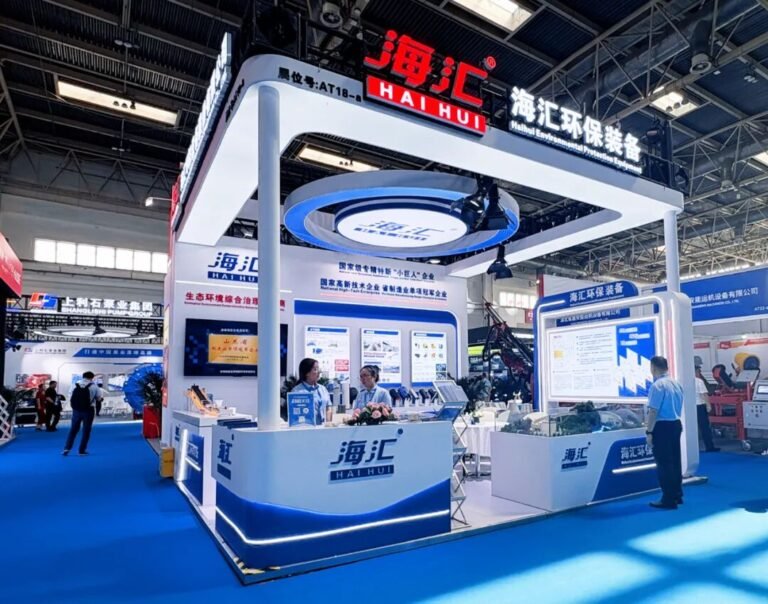
Brands ordering heavy duty rollers in bulk often request cut‑and‑measure samples before full production. Haihui supports wall thickness verification on random samples—you pick the pieces, they cut them open right there.
Bearing Grade and Shaft Fitment
The bearing is the heart of a roller. A cheap bearing fails silently—rolls fine empty, seizes under load. I’ve pulled apart rollers that looked perfect on the outside but had bearings full of rust and dust.
Opciones de rodamientos
- Series 6202, 6204 y 6206: Common sizes for 89–159 mm rollers
- Grade P0 (normal): Basic precision, fine for slow conveyors
- 6.º de Primaria: Tighter tolerance, lower runout, recommended for medium speed
- 5.º de Primaria: High precision, for fast belts and demanding applications
Shaft fitment
- Shaft tolerance: h7 or h6 depending on application
- Concentricity: ≤0.1 mm between shaft and tube centerline
- Shaft straightness: ≤0.2 mm per meter—any more, and the roller wobbles
Grasa y lubricación
- Lithium complex grease (NLGI 2) is standard
- Fill volume: 30–50% of bearing cavity—too much, and it overheats; too little, and it dries out
- Operating temperature range: –20°C to +120°C for standard grease
Haihui uses SKF or FAG bearings as standard, with lower‑cost options available only on request. Their shop foreman told me, “We lost too many customers with no‑name bearings. Now we don‘t compromise.”
Seal Types and Contamination Resistance
The seal is the roller’s first defense against dust, water, and fine material. I’ve seen rollers fail in six months simply because the wrong seal was spec’ed for the environment.
Seal families
- Labyrinth seal (non‑contact): Low drag, good for dry, clean environments. Spins easy, but doesn’t keep out fine dust.
- Contact seal (rubber lip): Higher drag, much better contamination protection. Standard for heavy duty.
- Double seal (labryrinth + contact): Best of both worlds—used in mining and recycling.
Ingress protection ratings
| Tipo de junta | Clasificación IP | Typical Environment |
|---|---|---|
| Laberinto | IP54 | Indoor, dry, light dust |
| Contacto labial | IP65 | Outdoor, moderate dust/moisture |
| Doble sellado | IP66+ | Partículas finas húmedas, embarradas y abrasivas |
“A roller can have the thickest tube and best bearings,” said a Haihui application engineer, “but if dust gets past the seal, it’s just a matter of time. Weeks, not months.”
Realización de pruebas de par y de rotación
- Low torque = less belt drag = lower power consumption
- Spin test: Roller should coast for several seconds after a sharp flick
- Cold start torque: Higher initially, but should smooth out within a minute
For high-volume roller orders, Haihui spins every roller before packing—not a random sample, every single one. They‘ve got a simple rule: if it doesn’t spin freely, it doesn’t ship.
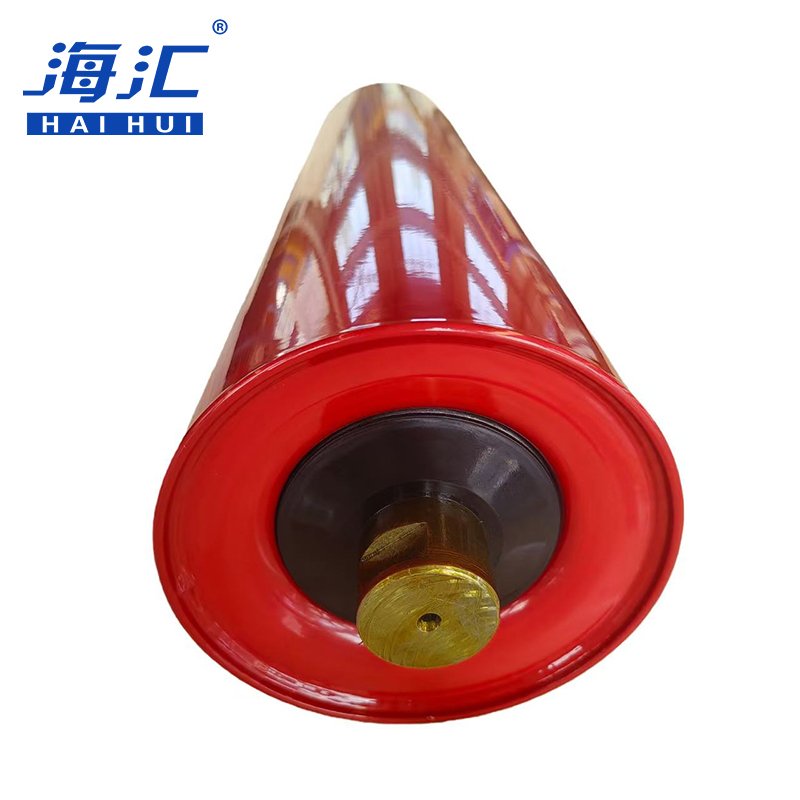
Steel Grade vs. Roller Tube Cost Trade‑offs
Choosing between tube grades isn’t just about strength; it shapes weight, weldability, and how long the roller survives impact.
| Calidad del tubo | Límite elástico (MPa) | Calidad de la soldadura | Índice de costes | Mejor uso |
|---|---|---|---|---|
| S235 | 235 | Bien | 1.0 | Uso ligero, en interiores |
| S355 | 355 | Muy bien | 1.2 | Uso intensivo, uso general |
| S355 templado | 800+ | Fair (pre-weld anneal) | 1.8 | Impacto extremo |
For most bulk handlers, S355 hits the sweet spot: good strength without breaking the bank. I’ve seen S235 rollers fold under a heavy load—never again.
OEM vs. Off‑The‑Shelf Rollers: Pros & Cons
Rodillos OEM
- Personalización: Tube length, shaft ends, bearing spacing, seal type—everything.
- Control de calidad: Inspección de soldaduras, comprobación de la concentricidad, ensayo de rotación 100%.
- Plazo de entrega: Muestras → producción en serie (normalmente entre 4 y 6 semanas).
- Ideal para: Long conveyors, critical paths, or when standard sizes don’t fit.
Rodillos estándar
- Disponibilidad: Tallas en stock, plazos de entrega cortos (1-2 semanas).
- Coste: Precio unitario más bajo, sin gastos de utillaje.
- Compensación: Longitudes fijas, solo juntas estándar, sin modificaciones en el eje.
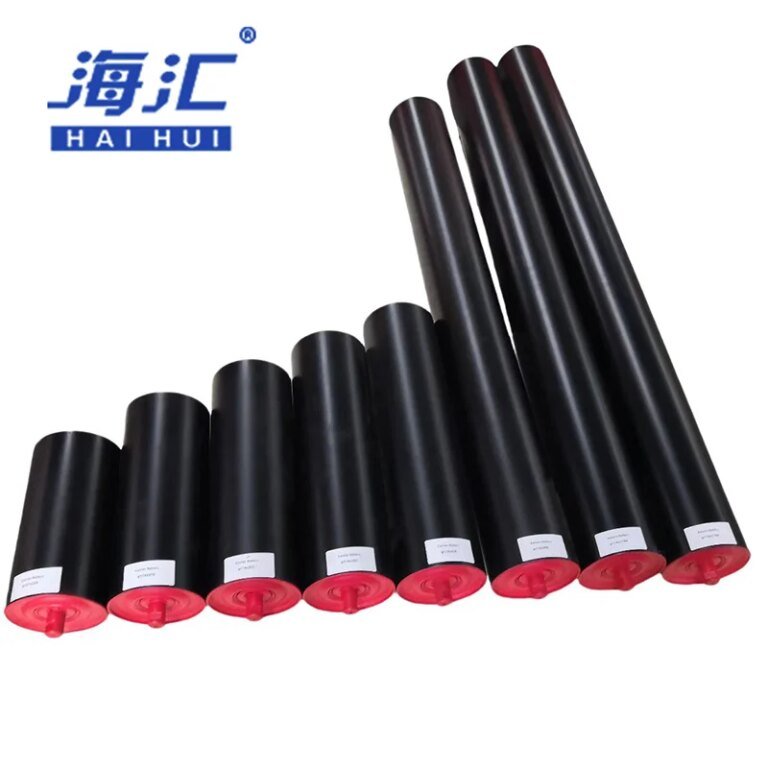
Haihui keeps ready‑to‑ship stock for common roller sizes (89, 114, 133 mm) with standard wall and bearings. I’ve seen them ship a pallet of 200 rollers in five days when another supplier quoted four weeks.
4 Shipping Considerations for Bulk Roller Orders
1. Estrategias de envasado a granel
- Capa primaria: Wax coating or light oil for rust protection—skip this, and you’ll get surface rust.
- Capa secundaria: Fundas de cartón o espuma entre las capas para evitar arañazos.
- Capa terciaria: Palés flejados con protectores de esquinas.
2. Envíos paletizados
- Distribución uniforme del peso: los palés desequilibrados se vuelcan durante el transporte.
- Ejes de rodillos paralelos a la dirección del palé para garantizar la estabilidad.
- Fijación reforzada (dos bandas en cada sentido).
3. Optimización de la carga de contenedores
| Contenedor | Rodillos estándar (89 mm x 1000 mm) | Peso aproximado (kg) |
|---|---|---|
| 20 pies | 1,600 | 4,800 |
| 40 pies | 3,500 | 10,500 |
| 40 pies HC | 3,800 | 11,400 |
4. Plazo de entrega y envíos internacionales
- Fabrication cycle (cutting, welding, bearing pressing, spin testing) — typically 3–5 weeks.
- Inspección final y embalaje (añadir 1 semana).
- Sea freight + customs clearance buffer (10–15 days extra). Port delays aren’t getting shorter.
Haihui sends photos of packed containers before sealing—you get to see how your rollers are loaded. Small gesture, saves a lot of worry.
How to Verify Heavy Duty Roller Supplier Credibility
1. Evaluar la norma ISO 9001 y los certificados de materiales
- Request mill test reports for tube steel (S235, S355, etc.).
- Comprueba la marca y la calidad del rodamiento (SKF, FAG, NSK o equivalente).
- Check grease specification and fill volume.
2. Inspeccionar la soldadura y la concentricidad del tubo
| Proceso | Indicador clave | Rango aceptable |
|---|---|---|
| Soldadura de tubos | Penetration | Full penetration, no stitch welds |
| Concentricidad | Runout between shaft and tube | ≤0.5 mm |
| Soldadura del extremo | Prueba visual + prueba de pulsación | Sin interrupciones, sonido nítido |
3. Revisar los registros de las pruebas de rotación y de par
- Prueba de giro: el rodillo debe girar libremente, sin chirridos ni oscilaciones.
- Par de funcionamiento: medido en fábrica y registrado por lote.
- Muestra aleatoria extraída para la verificación del espesor de la pared.
Haihui publishes quarterly quality summary reports—defect rates, return reasons, corrective actions. You don’t have to beg for data.
Preguntas frecuentes
1. What types of heavy duty rollers suit different bulk handling industries?
- Minería: Heavy wall (4–5 mm), double seals, hardened tube option, P6 bearings.
- Áridos: S355 tube, contact seals, standard wall (3–4 mm).
- El sector de la transformación alimentaria: Stainless steel tube, smooth ends, food‑grade grease.
- Reciclaje: Impact‑resistant tube, double seals, sacrificial outer sleeve option.
2. How do bearings and seals affect heavy duty roller durability?
- Bearings: P6 grade minimum for medium speed, brand name (SKF/FAG) for heavy duty.
- Seals: Contact or double seal for dusty/wet environments. Labyrinth only for clean indoor duty.
- Verificación: Prueba de giro + medición del par.
3. What should buyers check before signing a long‑term roller contract?
- Wall thickness tolerance and material certificate.
- Compromiso por escrito respecto a la marca y el grado de los rodamientos.
- Tipo de junta y índice de protección IP.
- Spin test acceptance criteria (e.g., “coast time ≥5 seconds”).
- Quality hold points (in‑process inspection, final audit).
When tube, bearing, and seal align, heavy duty rollers become boringly reliable—and that‘s the best compliment a maintenance manager can give.
Referencias
- Manipulación moderna de mercancías a granel: estimación del mercado de componentes para cintas transportadoras en 2024
- ISO 1940 – Vibraciones mecánicas – Requisitos de calidad del equilibrado
- DIN 22102 – Conveyor belts – Idlers
- Haihui – Technical data sheets for heavy duty conveyor rollers
- SKF – Bearing selection for bulk handling applications

 English
 العربية
 Português do Brasil
 Русский
 Español