Конвейерные ролики для тяжелых условий эксплуатации: оптовые закупки — это шаг в неизвестность
- Как рамы, валики и уплотнения влияют на срок службы натяжных роликов?
- Компромиссы между маркой стали и стоимостью каркаса
- Оригинальные (OEM) и готовые (Off‑The‑Shelf) натяжные ролики: преимущества и недостатки
- 4 аспекта, которые следует учитывать при отправке крупных заказов на натяжные ролики
- Как проверить надежность поставщика прочных натяжных роликов
- Часто задаваемые вопросы
Покупка конвейерные ролики повышенной прочности Массовое производство — это не просто заполнение списка деталей, а риск, на который вы идете, ставя на карту всю линию конвейера и каждую последующую смену технического обслуживания. Один заклинившийся натяжной ролик, одна погнутая рама, один пересохший подшипник — и вдруг конвейерная лента начинает смещаться вбок, изнашивается кожух или вся конструкция начинает греметь, как грузовой поезд на плохих рельсах. Для руководителей технического обслуживания это не просто небольшое неудобство — это остановка производства, сращивание ленты и три дня объяснений директору завода, почему производство не выполнило план.
По данным отраслевых источников, на которые ссылается издание «Modern Bulk Handling», в 2024 году объем мирового рынка роликов для конвейеров превысил $4,5 миллиарда; это обусловлено стабильным спросом на замену, низкой рентабельностью и отсутствием места на рынке для некачественных роликов.
Поэтому, прежде чем утвердить заказ на партию натяжных роликов, проверьте толщину рамы, уплотнение подшипника, толщину стенки ролика и сварной шов кронштейна. Ведь в этой отрасли экономия за счет упрощения технологии не приводит к снижению затрат — она превращает простой ролик в «пожирателя» ремня.
Краткий справочник: Основные сведения о роликах для конвейеров повышенной прочности
➔ Рама и кронштейн: Укажите раму из стали S355 или S235, проверьте толщину кронштейнов (не менее 5 мм для тяжелых условий эксплуатации) и убедитесь в целостности сварных швов.
➔ Роликовая трубка и подшипник: Выбирайте трубы из стали S355 с толщиной стенки ≥3 мм, подшипники с глубокой канавкой (класс P6) и лабиринтные или контактные уплотнения.
➔ Герметизация и защита: Укажите степень защиты не ниже IP65, проверьте рабочий крутящий момент и убедитесь в наличии смазки (литиевый комплекс, NLGI 2).
➔ Настройка и обучение: Стандартные углы наклона желоба (20°, 35°, 45°), ударные ролики в зонах нагрузки, саморегулирующиеся ролики для выравнивания ленты.
Как рамы, валики и уплотнения влияют на срок службы натяжных роликов?
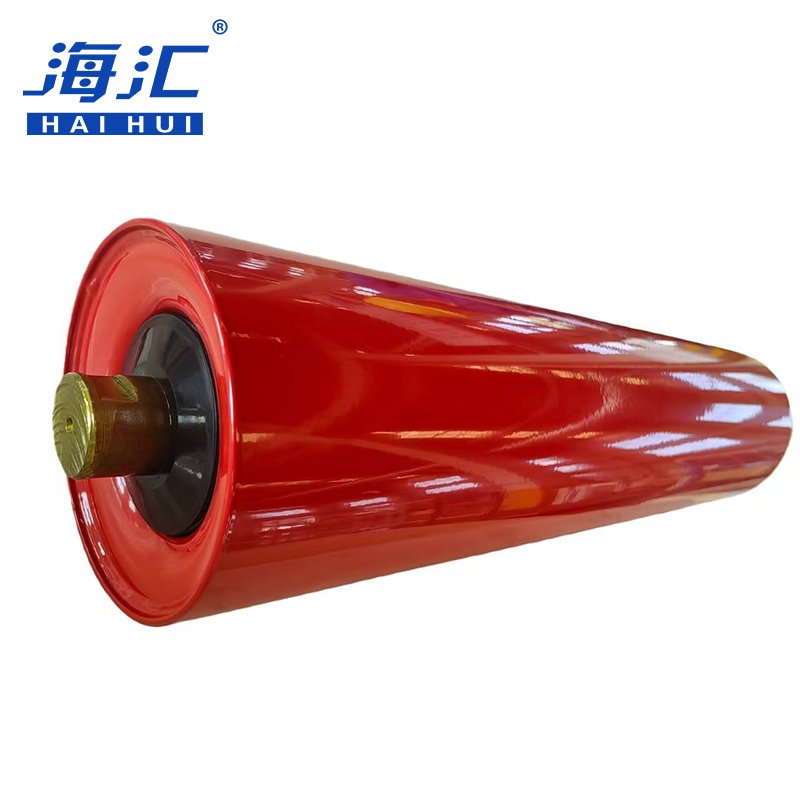
Срок службы — это не просто вопрос удачи. Он зависит от жесткости рамы, прочности труб роликов, качества подшипников и конструкции уплотнений. Для предприятий, закупающих прочные опорные ролики оптом, именно эти мелкие детали незаметно определяют, будет ли ваш конвейер работать годами или превратится в «денежную яму», разрушающую ленту.
Конструкция рамы и кронштейнов для зон, подверженных сильным ударам
Когда покупатели выбирают прочные натяжные ролики, они часто упускают из виду раму. Это ошибка. В любой комплектации натяжных роликов именно рама принимает на себя основную нагрузку — и я не раз видел, как дешевые рамы гнутся, словно мокрый картон, под тяжелым камнем.
Марки сталей для каркасов и их назначение
- S235 (мягкая сталь): Подходит для легких работ, использования в помещении и в чистых условиях. Не подходит для работы с тяжелыми горными породами.
- S355 (повышенной прочности): Более высокий предел текучести, устойчивость к ударам, стандартное исполнение для большинства сверхтяжелых условий эксплуатации.
- Оцинкованное покрытие: Обеспечивает защиту от коррозии в условиях повышенной влажности или при эксплуатации на открытом воздухе.
Рекомендации по толщине кронштейнов
| Тип натяжного ролика | Легкая нагрузка (мм) | Для тяжелых условий эксплуатации (мм) | Ударная нагрузка (мм) |
|---|---|---|---|
| Опорный ролик | 3.0 | 4.0 | 5.0 |
| Возвратная шкив | 3.0 | 4.0 | 4.0 |
| Ударный натяжной ролик | 4.0 | 5.0 | 6.0 |
“Мы однажды попробовали использовать более дешёвые рамы”, — рассказал мне начальник отдела технического обслуживания. “Через два месяца кронштейны погнулись, валки сместились, а край ремня износился. Больше так не будем”.”
Почему важна жесткость рамы
- Жесткая рама обеспечивает параллельность роликов. При неправильном выравнивании роликов ремень смещается относительно центра.
- Слабые кронштейны прогибаются под нагрузкой, после чего болты ослабляются, и всё смещается.
- Погнутая рама — настоящий кошмар при ремонте в полевых условиях: её не так-то просто выпрямить.
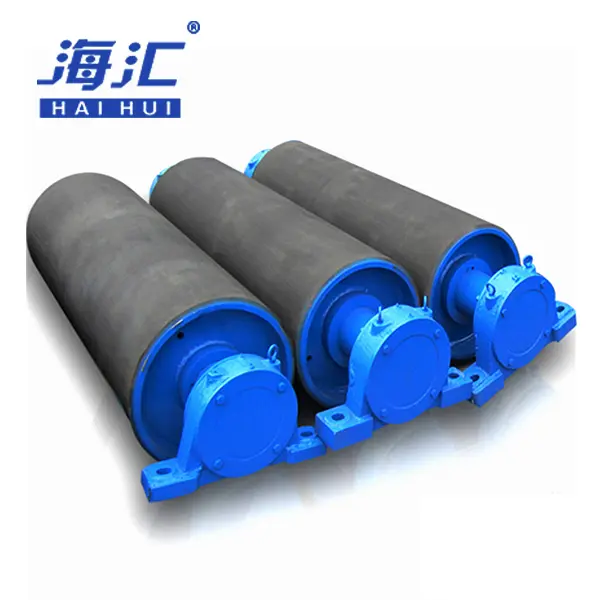
Компании, заказывающие оптовые партии прочных натяжных роликов, часто запрашивают образцы рамы, изготовленные по индивидуальным размерам, перед запуском серийного производства. Хайхуэй По вашему запросу вам вырежут заготовку для кронштейна. У них прямо в мастерской есть плазменный резак.
Толщина стенок роликовых труб
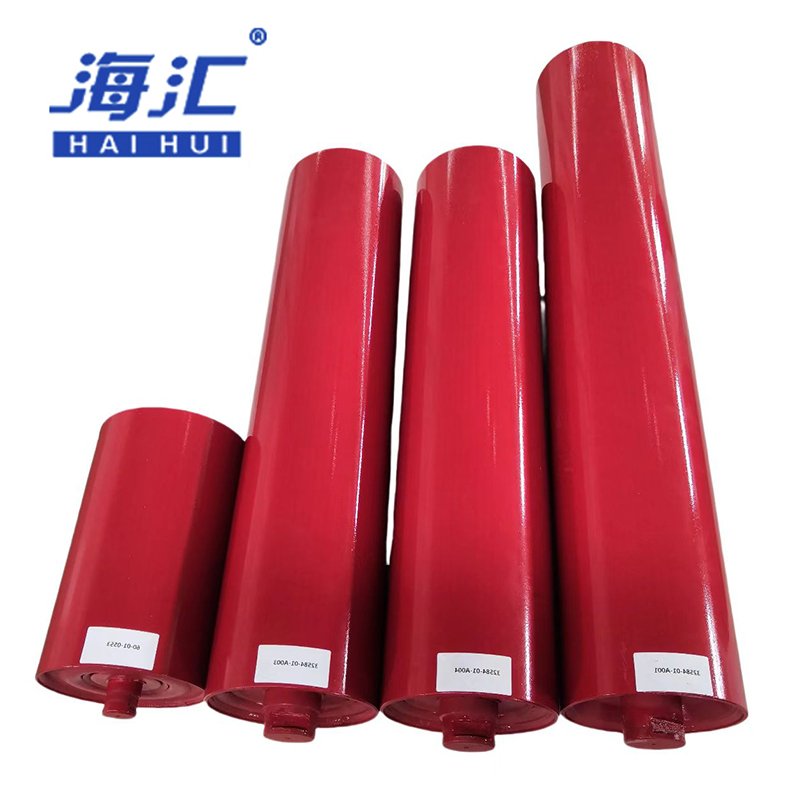
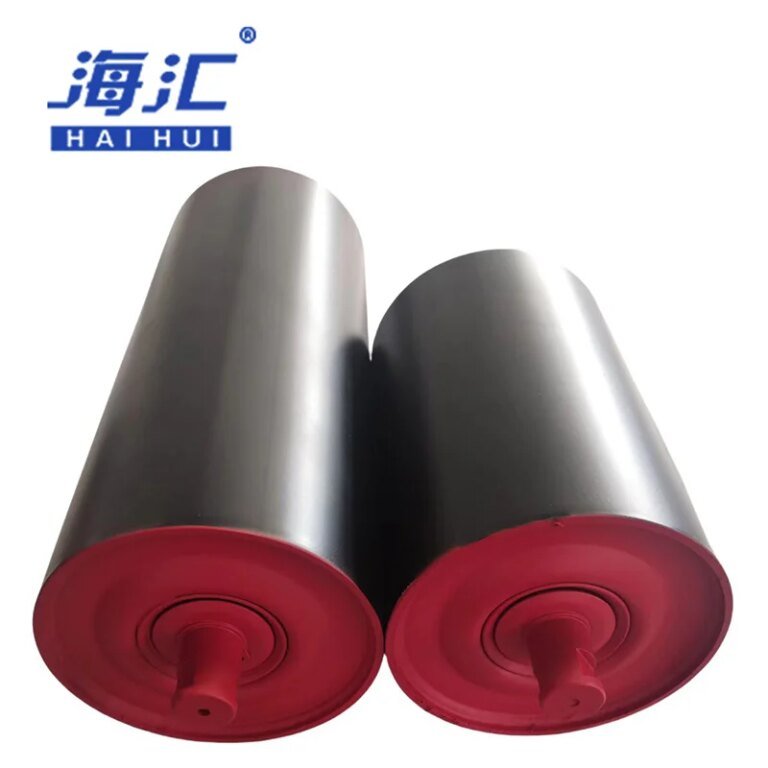
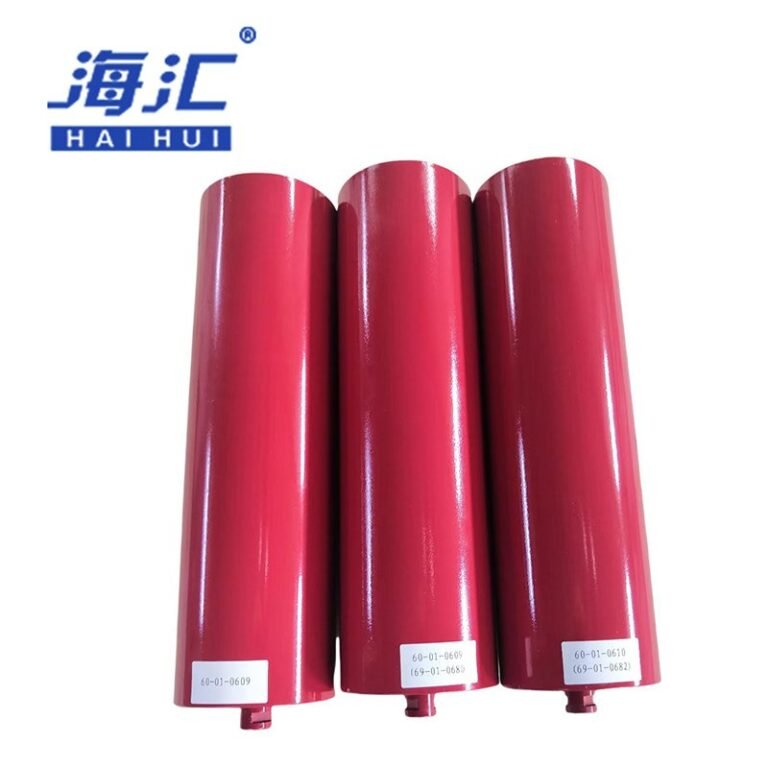
Роллерная трубка — это та часть, которая непосредственно соприкасается с ремнем. Тонкие трубки изгибаются под нагрузкой, а изгиб трубки приводит к неравномерному износу покрытия ремня.
| Диаметр ролика | Стандартная нагрузка (мм) | Для тяжелых условий эксплуатации (мм) | Ударная нагрузка (мм) |
|---|---|---|---|
| 89 мм | 2.0 | 2.5 | 3.0 |
| 114 мм | 2.5 | 3.2 | 4.0 |
| 133 мм | 3.0 | 3.5 | 4.5 |
| 159 мм | 3.0 | 4.0 | 5.0 |
Руководитель завода по производству щебня однажды рассказал мне: “Раньше мы покупали дешевые ролики толщиной 2,5 мм для наших натяжных роликов с внутренним диаметром 133 мм. Через полтора года половина из них была помята и изношена. Перешли на ролики толщиной 3,5 мм. Это было семь лет назад — и они до сих пор работают”.”
Хайхуэй В качестве стандартного материала для прочных натяжных роликов используется труба марки S355. Если вы спросите, вам предложат трубу марки S235, но при этом вас обязательно предупредят.
Класс подшипников и типы уплотнений
Подшипник — это ‘сердце» натяжного ролика. Дешевый подшипник выходит из строя незаметно: вхолостую вращается нормально, а под полной нагрузкой заклинивает. Мне доводилось разбирать натяжные ролики, которые снаружи выглядели идеально, но внутри их подшипники были забиты мелкой пылью и ржавчиной.
Варианты подшипников
- Серии 6202, 6204, 6206: Стандартные размеры рулонов 89–159 мм
- Класс P0: Базовая точность, подходит для лент с низкой скоростью
- 6-й класс: Более узкий допуск, рекомендуется для работы в тяжелых условиях
- 5-й класс: Высокая точность, для высокоскоростных лент (свыше 3 м/с)
Семьи тюленей и места их обитания
| Тип уплотнения | Степень защиты по стандарту IP | Перетащить | Идеально подходит для |
|---|---|---|---|
| Лабиринт (бесконтактный) | IP54 | Низкий | Сухое, чистое помещение |
| Контактная кромка | IP65 | Средний | На открытом воздухе, умеренная запыленность |
| Двойное уплотнение | IP66+ | Средне-высокий | Влажные, грязные, абразивные мелкие частицы |
“Условия окружающей среды определяют характер уплотнения”, — сказал один Хайхуэй инженер-технолог. “Я видел, как на предприятиях тратят лишние средства на толстые трубы и качественные подшипники, а потом экономят на уплотнениях. Внутрь попадает пыль, подшипник выходит из строя через полгода, а вину возлагают на натяжной ролик”.”
Смазка и смазывание
- Стандарт на литиевую комплексную смазку (NLGI 2)
- Объем заливки: 30–50% полости подшипника — при переполнении происходит перегрев, при недозаливке — пересушивание
- Диапазон рабочих температур: от –20 °C до +120 °C для стандартной смазки
- Доступна версия с возможностью повторной смазки для эксплуатации в экстремальных условиях
При заказе больших партий натяжных роликов, Хайхуэй проводит испытания на вращение каждого ролика перед сборкой в рамы — причём не выборочно, а каждый ролик без исключения. Неисправные подшипники выявляются до того, как они выйдут из строя в эксплуатации.
Конфигурация натяжного ролика и угол наклона желоба
Стандартные углы наклона желоба зависят от условий эксплуатации, и их неправильный выбор приводит к разливу материала и проблемам с выравниванием ленты.
| Угол наклона желоба | Типичные области применения | Диапазон ширины ремня |
|---|---|---|
| 20° | Небольшая нагрузка, небольшой объем | 400–800 мм |
| 35° | Общие работы по перегрузке насыпных грузов | 650–1400 мм |
| 45° | Высокая вместимость, высококачественные материалы | 1000–2000 мм |
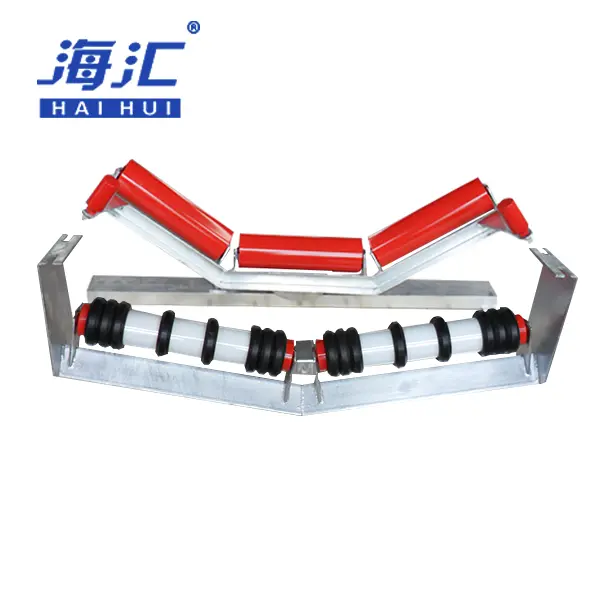
Ударные натяжные ролики: Резиновые кольца вращаются в точках нагрузки. Поглощают энергию падения. Защищают ленту от проколов.
Саморегулирующиеся натяжные ролики: Шарнир для центрирования ленты. На длинных конвейерах он оправдывает каждую вложенную в него копейку.
“Угол наклона 35° вполне подходит для большинства сыпучих грузов”, — сказал мне один опытный монтажник. “Но если ширина вашей ленты превышает 1200 мм и вы транспортируете песок, выбирайте угол 45°. Одно только сокращение потерь окупит затраты на модернизацию‘.”
Возвратные ролики
- Плоский или V-образный возврат (10°) в зависимости от системы очистки ремня
- V-образная форма способствует самоочищению и уменьшает накопление материала
Компромиссы между маркой стали и стоимостью каркаса
Выбор класса прочности рамы зависит не только от прочности; он влияет на вес, свариваемость и долговечность натяжного ролика при ударах.
| Класс рамы | Предел текучести (МПа) | Качество сварки | Индекс затрат | Наилучшее применение |
|---|---|---|---|---|
| S235 | 235 | Хорошо | 1.0 | Для легких нагрузок, для использования в помещении |
| S355 | 355 | Очень хорошо | 1.3 | Для тяжелых условий эксплуатации, общего назначения |
| Оцинкованная сталь S355 | 355 | Очень хорошо | 1.6 | Влажная среда, открытый воздух, коррозионная среда |
Для большинства предприятий по перевалке сыпучих грузов сталь марки S355 с оцинкованным покрытием является оптимальным решением для влажных условий эксплуатации. Я видел, как на одном из прибрежных предприятий рамы из обычной стали за два года покрылись ржавчиной, а оцинкованные служат целое десятилетие.
Оригинальные (OEM) и готовые (Off‑The‑Shelf) натяжные ролики: преимущества и недостатки
Направляющие ролики OEM
- Настройка: Ширина рамы, расстояние между валками, угол наклона желоба, концы валов — всё.
- Контроль качества: Контроль сварных швов, проверка концентричности, испытание на вращение 100%.
- Срок выполнения заказа: Изготовление образцов → серийное производство (обычно 4–8 недель).
- Идеально подходит для: Длинные конвейеры, ограниченное пространство или нестандартная ширина ленты.
Готовые натяжные ролики
- Наличие: Стандартные размеры, короткие сроки поставки (1–2 недели).
- Стоимость: Более низкая цена за единицу, отсутствие платы за изготовление пресс-форм.
- Компромисс: Фиксированная ширина рамок, только стандартное расстояние между рулонами.
Хайхуэй Имеет в наличии готовые к отгрузке запасы роликов стандартных размеров (ролики 89, 114, 133 мм) с углом наклона 35° и рамами из стали S355. Я видел, как они за неделю отгружали целый поддон из 200 роликов.
4 аспекта, которые следует учитывать при отправке крупных заказов на натяжные ролики
1. Стратегии оптовой упаковки
- Первичный слой: Картонные втулки или пенопласт между натяжными роликами — предотвращают появление царапин.
- Вторичный слой: Поддоны с обвязкой и угловыми брусками.
- Третичный слой: Упаковать в стретч-пленку для защиты от влаги.
2. Грузы на поддонах
- Равномерное распределение веса — неравномерно загруженные поддоны опрокидываются и повреждают рулоны.
- Направляющие вложены друг в друга для экономии места.
- Усиленная обвязка (по две ленты в каждом направлении).
3. Оптимизация загрузки контейнеров
| Контейнер | Стандартные натяжные ролики (диаметр 89 мм, угол наклона 35°) | Приблизительный вес (кг) |
|---|---|---|
| 20 футов | 400–500 | 5,000–6,000 |
| 40 футов | 850–1,000 | 10,500–12,500 |
| 40 футов (HC) | 900–1,100 | 11,000–13,000 |
4. Сроки выполнения заказа и международная доставка
- Изготовление (резка, сварка, сборка, испытания на вращение) — как правило, 3–6 недель.
- Окончательная проверка и упаковка (добавьте 1 неделю).
- Морские перевозки + резерв на таможенное оформление (10–20 дней). Ситуация с перегруженностью портов не улучшается.
Хайхуэй перед запечатыванием отправляет фотографии поддонов — вы можете точно увидеть, как упакованы ваши ролики. Мелочь, но это позволяет избежать споров по поводу “повреждений при транспортировке”.”
Как проверить надежность поставщика прочных натяжных роликов
1. Провести оценку сертификатов по стандарту ISO 9001 и сертификатов на материалы
- Запросите заводские протоколы испытаний стали для каркаса (S235, S355).
- Убедитесь в соответствии марки и класса подшипников (SKF, FAG, NSK или аналогичные).
- Уточните в письменной форме тип уплотнения — не ограничивайтесь формулировкой “уплотнение для тяжелых условий эксплуатации”.”
2. Проверить сварные швы рамы и соосность валков
| Проверить | Ключевой показатель | Допустимый диапазон |
|---|---|---|
| Сварной шов рамы | Визуальный осмотр + пробное нажатие | Полное проникновение, без зазоров |
| Соосность валков | Биение между седлами подшипников | ≤0,3 мм |
| Выравнивание кронштейнов | Точность угла наклона желоба | ±1° |
3. Проанализировать результаты испытаний на вращение и записи о крутящем моменте
- Проверка вращения: ролик должен вращаться свободно, без скрипа и люфта.
- Рабочий крутящий момент: измеряется на заводе, фиксируется на уровне партии.
- Вырезание случайной пробы для проверки толщины стенки.
Хайхуэй ежеквартально публикует сводки по качеству — показатели брака, причины возвратов, корректирующие меры. Не нужно выпрашивать данные. На производстве у них есть ‘стена бракованных деталей“, куда выставляются некондиционные образцы, чтобы их могли увидеть все.
Часто задаваемые вопросы
1. Какие типы прочных натяжных роликов подходят для различных отраслей, занимающихся перевалкой сыпучих грузов?
- Горнодобывающая промышленность: Усиленная рама (кронштейны 5–6 мм), желоб под углом 45°, двойные уплотнения, подшипники P6.
- Агрегаты: Рама из стали S355, желоб под углом 35°, контактные уплотнения, стандартная толщина стенок (рулоны толщиной 3–4 мм).
- Пищевая промышленность: Рама из нержавеющей стали, гладкая поверхность, пищевая смазка, герметичные подшипники.
- Переработка отходов / отходы: Ударные ролики в зоне нагрузки, защитные резиновые кольца, двойные уплотнения.
2. Как подшипники и уплотнения влияют на долговечность опорных роликов, предназначенных для работы в тяжелых условиях?
- Подшипники: класс P6 как минимум для условий интенсивной эксплуатации, подшипники известных брендов (SKF/FAG) для критически важных участков.
- Уплотнения: контактное или двойное уплотнение для запыленных/влажных условий эксплуатации. Лабиринтное уплотнение — только для чистых помещений.
- Проверка: испытание на вращение + измерение крутящего момента + выборочная разборка.
3. На что следует обратить внимание покупателям перед подписанием долгосрочного контракта на поставку холостых шкивов?
- Толщина рамы кронштейна (указана в мм, а не в виде расплывчатого описания типа “усиленная”).
- Письменное подтверждение марки и класса подшипников.
- Тип уплотнения и класс защиты по стандарту IP.
- Сертификат на толщину стенок рулона и материал.
- Критерии приемки испытания на вращение (например, “время свободного хода ≥ 4 секунд”).
- Контрольные точки качества — контроль в процессе производства, итоговый контроль, выборочная разделка.
Когда рама, ролик, подшипник и уплотнение выровнены, прочные натяжные ролики становятся до скуки надежными. А на конвейерной линии именно такая «скука» и нужна — никаких неожиданностей, никаких звонков посреди ночи, никакого износа краев ленты без веской причины.
Ссылки
- Современные технологии перегрузки сыпучих грузов — оценка рынка компонентов конвейеров на 2024 год
- DIN 22107 — Натяжные ролики для ленточных конвейеров
- ISO 1537 — Коричневые ленточные конвейеры — Направляющие ролики
- Haihui — Технические паспорта роликов для конвейеров, предназначенных для работы в тяжелых условиях
- SKF — Подбор подшипников для транспортировки сыпучих материалов
 English
 العربية
 Português do Brasil
 Русский
 Español