Os melhores tipos de roletes de guia de correia e seus princípios de funcionamento
- Pontos-chave da Melodic para o rolo de acompanhamento da correia
- Por que isso é importante
- 68%: A relação entre o tempo de inatividade da esteira transportadora e o desalinhamento da correia
- Projeto estrutural: Mecanismos de guia com coroa versus mecanismos de guia pivotantes
- Desafios relacionados ao monitoramento da tensão da correia e do desequilíbrio de carga
- Interferências em ambientes adversos: poeira, umidade e vibração
- Problemas ocultos decorrentes de desvios na instalação e deformações da estrutura
- 3 principais vantagens dos roletes de acompanhamento da Haihui Belt
- Rolo coroado x rolo pivotante: comparação da adaptabilidade a diferentes cenários
- Perguntas frequentes sobre o rolo-guia da correia
- Como um rolo de alinhamento de correia corrige automaticamente o desvio da correia transportadora?
- Em quais condições de trabalho é necessário utilizar roletes de alinhamento de correia profissionais em vez de roletes comuns?
- Como fazer a manutenção dos roletes de alinhamento da correia para garantir uma correção precisa a longo prazo?
- Faça parceria com a Haihui para obter soluções confiáveis de rastreamento de esteiras transportadoras
- Referências
O desvio da correia transportadora é uma das causas mais subestimadas de paradas não planejadas, falha prematura da correia e derramamento de material com consequente desperdício. Mesmo um pequeno desalinhamento lateral desgasta gradualmente as bordas da correia, interrompe o fluxo de material e cria condições de operação inseguras em linhas de mineração, portuárias, de logística e de processamento. Enquanto os roletes padrão de transportadores simplesmente suportam o peso da correia, os roletes profissionais de alinhamento da correia proporcionam correção ativa em tempo real, mantendo as correias centralizadas diante de mudanças dinâmicas de carga, vibração e tensão flutuante.
A maioria dos operadores de transportadores negligencia a precisão do alinhamento da correia até que ocorram danos permanentes na correia ou a paralisação da linha. Na realidade, sistemas de roletes de alinhamento de correia devidamente configurados eliminam 90% dos problemas comuns de desvio da correia, prolongam a vida útil da correia e estabilizam a consistência operacional do transportador a longo prazo. Abaixo, apresentamos um guia industrial objetivo que aborda os princípios de funcionamento, os principais tipos, os pontos críticos em campo e o retorno sobre o investimento (ROI) prático dos roletes de alinhamento de correia em conformidade com as normas.
Pontos-chave da Melodic para o rolo de acompanhamento da correia
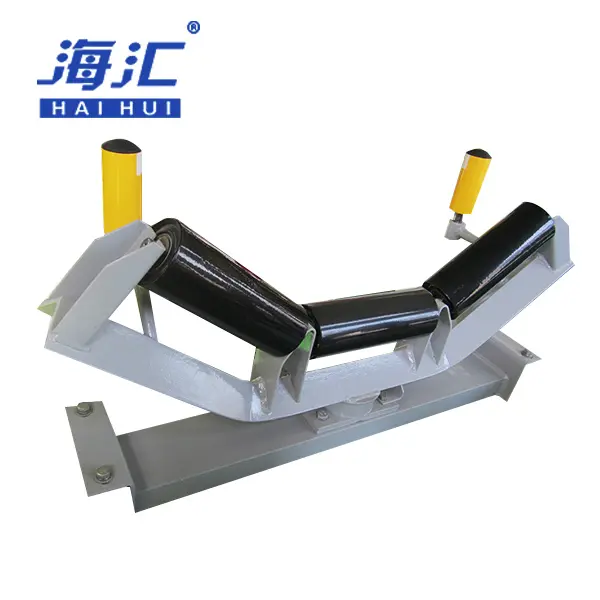
Correção Ativa de Alinhamento: O projeto estrutural com auto-giração e coroa detecta automaticamente o desvio da correia e aplica uma força de direção para restaurar a posição central da esteira.
Adaptação dinâmica à carga: Compensa o carregamento irregular do material, a vibração da estrutura e a inconsistência na tensão, fatores que costumam causar o desvio da correia.
Durabilidade dos materiais e das estruturas: As configurações em aço de alta resistência e polímero antidesgaste resistem à abrasão, à corrosão e ao impacto cíclico contínuo em ambientes industriais adversos.
Confiabilidade dos rolamentos vedados: A vedação multicamadas à prova de poeira e à prova d'água evita o emperramento do rolamento, garantindo uma rotação flexível e precisão de rastreamento a longo prazo.
Conformidade Regulatória e Operacional: As rigorosas normas de tolerância dimensional e equilíbrio dinâmico atendem aos requisitos de segurança e estabilidade operacional das esteiras transportadoras industriais.
Por que isso é importante
Uma rápida reflexão sobre a realidade: quando o desvio da correia não é corrigido, os danos se propagam muito além de um simples desalinhamento. Isso gera trabalhos repetitivos de manutenção, acelera os ciclos de substituição da correia, reduz a eficiência da produção e aumenta os riscos à segurança no local de trabalho.
Perda operacional causada pelo desvio da correia não corrigido
A maioria dos sistemas de transportadores sofre com um desvio leve e crônico que os operadores ignoram até que ocorra uma falha visível. Esse desalinhamento de longo prazo gera perdas operacionais invisíveis, mas cumulativas, que corroem as margens de lucro de forma constante.
O que é ainda pior, em termos simples
O atrito frequente na borda da correia desgasta gradualmente as camadas de borracha, causando desfiamento e rasgos
O desvio descontrolado provoca derramamento de material, desperdiçando matérias-primas e aumentando os custos com mão de obra de limpeza
A tensão lateral contínua deforma a estrutura interna da correia, reduzindo significativamente sua vida útil total
O desvio recorrente obriga a ajustes manuais frequentes, reduzindo a taxa de utilização da linha
Um desvio acentuado leva ao travamento repentino da correia e à paralisação, prejudicando os cronogramas de produção contínua
O que se perde (e não é apenas a integridade da correia)
Tempos de inatividade não planejados geram gargalos na produção e atrasos na entrega dos pedidos
A substituição frequente das correias aumenta os custos de aquisição de equipamentos a longo prazo
O ajuste manual do rastreamento aumenta o risco de erros humanos e a mão de obra necessária
O transporte instável de material reduz a uniformidade do produto e a eficiência geral da linha
A mentalidade de que “um pequeno desvio é inofensivo” acaba se traduzindo em grandes perdas operacionais anuais
Defeitos estruturais dos roletes comuns sem função de alinhamento
Os roletes padrão para transportadores planos oferecem apenas suporte passivo, sem qualquer capacidade de correção. Quando ocorre um desequilíbrio de tensão ou uma carga irregular, os roletes comuns não conseguem resistir ao deslocamento lateral da correia.
A questão do material (breve e direta)
A estrutura plana única não oferece nenhuma compensação de autoalinhamento
O suporte fixo rígido não consegue se adaptar às mudanças dinâmicas na operação da correia
A estrutura de vedação comum está sujeita ao entupimento por poeira e à paralisação da rotação
Onde as perdas se manifestam
Os roletes comuns amplificam o desvio em vez de corrigi-lo durante a vibração e as flutuações de carga
A rotação com atrito causa aquecimento local devido ao atrito da correia e envelhecimento acelerado
O desalinhamento prolongado leva a danos por fadiga irregulares na correia
Aqui está um resumo conciso das diferenças operacionais típicas entre os tipos mais comuns de roletes:
| Tipo de rolo | Capacidade de correção ativa | Desempenho antipó | Efeito do controle de derrapagem | Estabilidade da vida útil |
|---|---|---|---|---|
| Rolo plano padrão | Não | Geral | Fraco, com tendência a se desviar | Instável |
| Rolo autoalinhante comum | Básico | Médio | Média | Geral |
| Rolo de acompanhamento da correia Haihui | Correção dinâmica total | Excelente | Eliminação de desvio 98% | Altamente estável |
Riscos à segurança decorrentes do desalinhamento prolongado da correia
Além da perda de equipamentos, o desvio da correia não corrigido acarreta riscos ocultos à segurança que ameaçam a estabilidade das operações no local e a segurança do pessoal.
Como isso se transforma em um risco real
Um desvio acentuado da correia provoca uma colisão da correia com a estrutura do transportador, causando vibração estrutural e danos ao equipamento
O empilhamento e o derramamento de materiais criam riscos de piso escorregadio e aumentam a pressão para a limpeza no local
O atrito anormal da correia gera alta temperatura, acelerando o envelhecimento da borracha e aumentando os riscos ocultos de incêndio
Um emperramento repentino da correia pode causar sobrecarga no motor e falha mecânica
Condições instáveis de transporte aumentam a taxa de falhas do equipamento e a frequência de manutenções de emergência
Onde se acumulam os riscos de derrapagem
O atrito contínuo nas bordas causa danos invisíveis na camada interna da correia, levando a uma ruptura repentina
Os impactos causados por desvios repetidos afrouxam os parafusos da estrutura da esteira transportadora e comprometem a estabilidade estrutural
O funcionamento instável aumenta o desgaste do equipamento e a probabilidade geral de falha
68%: A relação entre o tempo de inatividade da esteira transportadora e o desalinhamento da correia
De acordo com as estatísticas de dados operacionais de transportadores industriais, cerca de 68% das paradas não planejadas dos transportadores são causadas pelo desvio contínuo da correia e pelas falhas decorrentes disso. A solução principal consiste em substituir os roletes comuns passivos por sistemas ativos de roletes de alinhamento da correia, a fim de obter uma correção automática em tempo real.
Projeto estrutural: Mecanismos de guia com coroa versus mecanismos de guia pivotantes
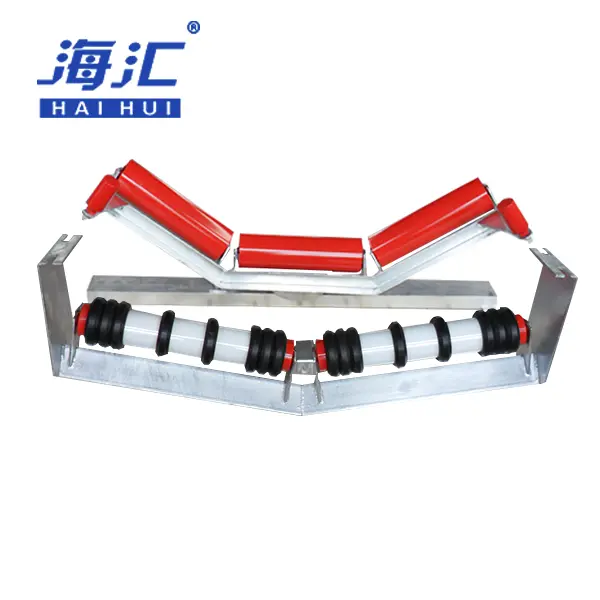
Os roletes profissionais de alinhamento de correia dividem-se principalmente em dois tipos: o tipo autoalinhável com coroa e o tipo de correção automática com pivô, adaptando-se a diferentes comprimentos de transportador, velocidades da correia e condições de trabalho.
Rolo-guia com coroa
Adota uma estrutura curva com a parte central mais alta e as bordas mais baixas, aproveitando o princípio físico de que a correia se desloca automaticamente em direção à área de maior diâmetro. Quando ocorre um leve desvio, a tensão assimétrica puxa a correia de volta ao centro de maneira constante. É adequada para linhas de transporte de alta velocidade, com baixa vibração e estáveis.
Rolo giratório com rastreamento automático
Equipado com uma base giratória flexível e uma estrutura de suporte deslocada. Quando o desvio da correia provoca uma diferença de pressão lateral, o rolo se inclina automaticamente e gera uma força de direção contrária para empurrar a correia de volta à trajetória central. Apresenta excelente desempenho em condições de trabalho com cargas pesadas, alta vibração e flutuações frequentes.
Por que isso é importante para a operação na prática
Os dois tipos de estrutura abrangem todos os cenários de transportadores industriais, resolvendo tanto problemas de desvio leve e regular quanto de desvio grave e irregular
A correção mecânica ativa não requer intervenção manual, garantindo um rastreamento automático e estável 24 horas por dia
Evita falhas no rastreamento causadas por atrasos nos ajustes artificiais e erros operacionais
Desafios relacionados ao monitoramento da tensão da correia e do desequilíbrio de carga
A distribuição desigual da carga é a causa mais comum do desvio da correia na produção industrial. A carga assimétrica leva a uma tensão inconsistente da correia em ambos os lados, resultando em um deslocamento lateral contínuo.
Principais pontos críticos
O desvio instantâneo da carga não pode ser detectado e corrigido por roletes comuns fixos
As variações dinâmicas de tensão exigem correção adaptativa em tempo real, em vez de ajuste estático
As paradas e partidas frequentes, bem como as mudanças de velocidade, agravam a instabilidade do percurso da correia
Os roletes de alinhamento da correia Haihui adotam uma estrutura de resposta dinâmica flexível, capaz de detectar mudanças sutis na tensão em tempo real e aplicar uma força de correção equilibrada, resolvendo de forma eficaz a instabilidade de alinhamento causada por flutuações de carga e tensão.
Interferências em ambientes adversos: poeira, umidade e vibração
Os ambientes de mineração, cimento, portos e transporte ao ar livre são repletos de poeira, ar úmido e vibração mecânica contínua, o que facilmente causa emperramento dos rolamentos de rolos, rotação rígida e falhas no alinhamento.
Problemas de interferência ambiental
O acúmulo de poeira impede a rotação do rolamento, fazendo com que a função de correção automática deixe de funcionar
O ar úmido causa ferrugem nos rolamentos internos e corrosão estrutural
A vibração prolongada afrouxa os suportes fixos e altera os ângulos de instalação
A Haihui equipa todos os roletes de alinhamento de correia com vedação labiríntica multicamadas e tratamento anticorrosivo geral, garantindo rotação flexível e alinhamento preciso em ambientes adversos.
| Fator de interferência | Manifestações comuns de falha | Solução de Otimização Haihui |
|---|---|---|
| Grande acúmulo de poeira | Rotação travada, falha no rastreamento | Estrutura de vedação à prova de poeira com várias camadas |
| Alta umidade e umidade do ar | Ferrugem no rolamento, rotação com dificuldade | Tratamento anticorrosivo por galvanização em toda a superfície |
| Vibração contínua | Desvio angular, correção instável | Suporte fixo reforçado e design que evita o afrouxamento |
| Flutuação dinâmica da carga | Desvio recorrente da correia | Estrutura de correção adaptativa, flexível e articulada |
Problemas ocultos decorrentes de desvios na instalação e deformações da estrutura
A deformação da estrutura da esteira transportadora, a base de instalação irregular e a altura horizontal inconsistente são causas ocultas, a longo prazo, do desvio da correia. Os roletes comuns não conseguem compensar os erros de instalação, enquanto os roletes de alinhamento de alta precisão podem corrigir o desvio parcial da estrutura por meio de uma correção dinâmica.
3 principais vantagens dos roletes de acompanhamento da Haihui Belt
A Haihui otimiza a estrutura mecânica, a configuração dos materiais e a tecnologia de vedação com o objetivo de resolver os três principais problemas dos sistemas de transporte tradicionais — desvio fácil, baixa durabilidade e manutenção inconveniente —, criando roletes-guia de correia de alto nível de estabilidade e de nível industrial.
Rastreamento dinâmico totalmente automático, sem intervenção manual
Os roletes de alinhamento da correia Haihui contam com uma estrutura puramente mecânica para a indução e correção automáticas, sem elementos de controle eletrônico, sem consumo de energia e sem atrasos na resposta. Seja um desvio leve sob carga estável ou um grande deslocamento sob mudança repentina de carga, eles conseguem empurrar rapidamente a correia de volta à trajetória central, garantindo uma operação estável 24 horas por dia, sem necessidade de supervisão.
Resiliência em ambientes adversos e longa vida útil
Adota um corpo de rolo em tubo de aço sem costura de alta resistência, eixo integral de precisão e graxa lubrificante resistente a altas temperaturas, combinado com um sistema de vedação em labirinto de múltiplos estágios à prova de poeira e água. Resiste efetivamente à poluição por poeira, à corrosão causada pela umidade e ao impacto mecânico contínuo, evitando falhas comuns, como rotação emperrada, ferrugem e falha no alinhamento. A vida útil contínua é muito superior à dos rolos autoalinhantes comuns.
Redução significativa dos custos operacionais e aumento da eficiência
O desempenho estável no alinhamento elimina o desgaste das bordas da correia e a perda por derramamento de material, reduzindo significativamente a frequência de substituição da correia e o trabalho de limpeza no local. Isso evita paradas não planejadas causadas por falhas de desvio, melhora a eficiência da operação contínua do transportador e gera benefícios mensuráveis de redução de custos a longo prazo para as empresas.
💡 Precisa de um desempenho estável no alinhamento de esteiras transportadoras? A Haihui oferece serviços profissionais completos de personalização de roletes de alinhamento para esteiras, orientação na seleção e suporte técnico para instalação. Oferecemos entrega rápida de amostras e atendemos pedidos OEM em grande volume. Entre em contato conosco hoje mesmo para obter sua solução técnica exclusiva e um orçamento.
Rolo coroado x rolo pivotante: comparação da adaptabilidade a diferentes cenários
As duas estruturas mais comuns de roletes de alinhamento da correia têm seus próprios cenários de aplicação. A escolha criteriosa, com base no comprimento da esteira transportadora, na velocidade da correia e nas características da carga, pode maximizar a eficiência do alinhamento e a vida útil.
Rolo-guia com coroa
Principais vantagens
Estrutura simples e confiável, sem desgaste do suporte giratório
Força de correção estável, adequada para operação contínua de longo prazo
Baixa frequência de manutenção e longo ciclo de vida útil
Cenários mais adequados
Linhas de transporte de carga leve em velocidade média e alta
Alimentação estável de material e equipamentos com baixa vibração
Sistemas de transporte horizontal de longa distância
Limitações
Baixa capacidade de correção em caso de desvio repentino e acentuado da correia
Desempenho adaptativo limitado sob flutuações extremas de carga
Rolo giratório com rastreamento automático
Principais vantagens
Resposta dinâmica forte, sensível ao desvio instantâneo
Ampla faixa de correção, adaptável a desvios acentuados
Ajuste flexível do ângulo, compatível com condições de trabalho complexas
Cenários mais adequados
Transporte de cargas pesadas em mineração, portos e transporte de materiais a granel
Condições de trabalho caracterizadas por flutuações frequentes de carga e alta vibração
Linhas de transportadores inclinados de curta distância
Limitações
O suporte móvel apresenta um leve desgaste devido ao uso prolongado
Requisitos de maior precisão no nível da instalação
Perguntas frequentes sobre o rolo-guia da correia
Como um rolo de alinhamento de correia corrige automaticamente o desvio da correia transportadora?
Os roletes de alinhamento da correia se baseiam em princípios físicos puramente mecânicos para a correção automática. A estrutura abaulada utiliza o equilíbrio de tensão por diferença de altura para centralizar a correia, enquanto a estrutura pivotante detecta as variações de pressão lateral causadas pelo desvio da correia e se inclina automaticamente para gerar uma força de direção contrária. Ambas as estruturas realizam correções dinâmicas em tempo real, sem necessidade de ajuste manual ou controle elétrico, mantendo a correia funcionando de forma estável ao longo da trilha central.
Em quais condições de trabalho é necessário utilizar roletes de alinhamento de correia profissionais em vez de roletes comuns?
Todas as linhas de transporte com carga instável, partidas e paradas frequentes, operação em longas distâncias, ambiente adverso com poeira e umidade, e erros de instalação da estrutura devem ser equipadas com roletes de alinhamento de correia profissionais. Os roletes passivos comuns não conseguem compensar os problemas de desvio dinâmico, o que acabará por causar desgaste da correia, derramamento de material e perdas decorrentes de paradas na produção.
Como fazer a manutenção dos roletes de alinhamento da correia para garantir uma correção precisa a longo prazo?
A manutenção diária inclui, principalmente, a limpeza regular do pó para evitar o entupimento dos rolamentos, a inspeção visual da flexibilidade de rotação dos roletes e da firmeza dos suportes, a inspeção regular da integridade das vedações para impedir a entrada de umidade e poeira, e a substituição oportuna dos roletes desgastados e envelhecidos. A manutenção padronizada permite manter a precisão de rastreamento acima de 98% por um longo período e prolongar a vida útil do equipamento.
Faça parceria com a Haihui para obter soluções confiáveis de rastreamento de esteiras transportadoras
Como fabricante profissional de equipamentos acessórios para transportadores, a Haihui se dedica à pesquisa, desenvolvimento e produção de roletes de alinhamento de correia de alta precisão. Com base em uma tecnologia de produção consolidada e em um rigoroso sistema de controle de qualidade ISO 9001, fornecemos roletes de alinhamento de alta estabilidade, resistentes ao desgaste e com baixa taxa de falhas para sistemas de transportadores industriais em todo o mundo.
Oferecemos personalização completa, otimização estrutural para condições especiais de operação, testes rápidos de amostras e fornecimento em grandes lotes. Nossa equipe profissional de engenharia oferece orientação gratuita sobre a adaptação às condições de operação e instalação, para ajudar os clientes a resolver completamente os problemas de desvio da correia, reduzir os custos operacionais e melhorar a eficiência da produção.
Atendimento rápido: proposta de solução técnica em 1 dia, suporte personalizado para desenhos e resposta eficiente no pós-venda.
Garantia de qualidade: rigorosa inspeção por amostragem na fábrica, testes completos de desempenho e garantia de qualidade de longo prazo.
Pedidos flexíveis: Aceitamos pedidos experimentais em pequenos lotes e produção personalizada em grande escala.
👉 Entre em contato com a Haihui hoje mesmo para otimizar seu sistema de rastreamento de correias transportadoras e eliminar as perdas decorrentes de paradas causadas por desvio.
Referências
Regras básicas de alinhamento de correias transportadoras – Guia Técnico da Belt Power Industrial
Princípio de funcionamento do rolo autoalinhável – Manual profissional da Gram Conveyor
Especificação Técnica da Tecnologia Antidesvio para Transportadores Industriais – Norma da Indústria Mecânica
Princípio de autoalinhamento do rolo coroado – Documento técnico da Dorner Conveyors
Norma de vedação e anticorrosão para rolos transportadores em ambientes adversos
Guia para a Melhoria da Eficiência Operacional de Transportadores – Instituto de Pesquisa de Equipamentos Industriais
Sistema de Gestão da Qualidade de Peças Mecânicas Industriais ISO 9001
Pesquisa sobre a tecnologia de correção de carga dinâmica em transportadores de correia
 English
 العربية
 Português do Brasil
 Русский
 Español