
Chemical Plant Conveyor Roller:Stop Corrosion & Costly Downtime
Chemical Plant Conveyor Rollers: The $200 Component That Can Shut Down a $2M Reactor
A chemical plant conveyor roller looks harmless enough—just a steel tube with bearings, right? Wrong. One seal failure, one wrong bearing clearance, and suddenly aggressive vapors creep in, the bearing seizes, and your entire batch process screeches to a halt while maintenance scrambles with a torch and a come‑along. For plant engineers, that’s not a bad Tuesday—that’s a lost batch, a contaminated product line, and a very uncomfortable call to the production VP.
“We saved forty bucks on a roller once,” a chemical plant maintenance supervisor told me, shaking his head. “Forty bucks. Then we lost an entire shift——about $200,000 in production——pulling seized rollers out of a sulfur conveyor. Smartest dumb decision we ever made.”
According to Grand View Research, the global chemical conveyor components market continues steady growth through 2026, driven by corrosion-resistant material demand and stricter safety audits. As a Haihui senior engineer put it in a 2025 internal briefing, “In a chemical plant, a conveyor roller isn‘t just a component——it’s a containment vessel with a batch ticket attached.”
So before you sign off on a bulk roller order for your chemical plant, check the seal type, the shaft hardness, the bearing clearance, and the tube material. Because in this environment, cutting corners doesn‘t save money——it contaminates product and stops the line.
Quick Answers: Chemical Plant Conveyor Rollers
➔ Material & Corrosion Resistance: Specify stainless steel 304/316, Hastelloy, or heavy‑duty coated carbon steel based on chemical exposure (acids, caustics, solvents).
➔ Seal & Bearing Protection: Choose PTFE or Viton contact seals (IP66+), C3 or C4 bearing clearance, and verify shaft hardness (HRC 50-55) to prevent contamination ingress.
➔ Compliance & Safety: Ensure rollers meet ATEX (for hazardous areas), ISO 9001, and plant‑specific chemical resistance certifications.
➔ Use & Procurement: Match roller grade to chemical exposure level; optimize bulk stocking, corrosion-resistant packaging, and JIT delivery for cost-effective plant uptime.
Types Of Chemical Plant Conveyor Rollers
Not all conveyor rollers survive a chemical plant. From sulfuric acid spills to caustic soda dust, each environment eats standard components alive. If you handle chemical conveyors daily, knowing the difference saves product, plant, and your team‘s sanity.
Stainless Steel 316 Rollers for Acidic & Caustic Environments
When corrosion resistance is non‑negotiable, this style of roller stands alone.
Core structure
- Body formation – Seamless or welded 316 stainless steel tube
- Material properties – Excellent resistance to sulfuric, hydrochloric, and nitric acids; withstands caustic soda and chlorine exposure
Protective performance
- Interior defense – Passivated surface; optional PTFE lining for extreme chemical compatibility
- Corrosion resistance – 1000+ hours salt spray; survives chemical splash without pitting
Industrial application
- Ideal for – Fertilizer plants, acid regeneration, chlorine production, mining chemical leaching
- Why chemical plants choose them – No rust bleed, no coating to fail, no product contamination risk
As a specialized chemical conveyor component manufacturer, Haihui recommends this build for high-corrosion applications where standard carbon steel rollers would fail within months.
Heavy‑Duty Coated Carbon Steel Rollers for General Chemical Service
For less aggressive environments or where budget is a constraint, coated carbon steel offers a cost‑effective alternative.
The tube is standard S355 carbon steel, then prepared with abrasive blasting and coated with epoxy, polyurethane, or PTFE. That multi‑layer coating system resists chemical attack. Simple idea. Smart execution.
For chemical plants handling bulk powders or moderate-corrosion materials:
- Secure coating adhesion prevents under-film corrosion
- Thick film (150-250µm) provides barrier protection
- Compatible with standard idler frames
Industrial buyers like these rollers because they handle incidental chemical exposure without the premium cost of stainless. Rollers stored in covered areas stay protected. No rust bleed. No premature failure.
In fast‑moving fertilizer blending plants, this structure keeps rollers dependable and budget‑friendly.
Hastelloy / Inconel Rollers for Extreme Chemical Service
When nothing else survives, exotic alloys answer the call. That’s where Hastelloy and Inconel shine.
Material properties
- Hastelloy C-276 – Outstanding resistance to pitting, crevice corrosion, and stress cracking in high‑chloride and acidic environments
- Inconel 625 – Excellent oxidation resistance, high strength at elevated temperatures
Why operations switch to exotic alloy rollers:
- Eliminate roller replacement from chemical attack
- Survive high-temperature chemical processing (up to 1000°F)
- Zero risk of coating failure (no coating to fail)
Specialty chemical and pharmaceutical plants prefer these rollers for critical process conveyors where any downtime is unacceptable. High upfront cost, but decades of service life.
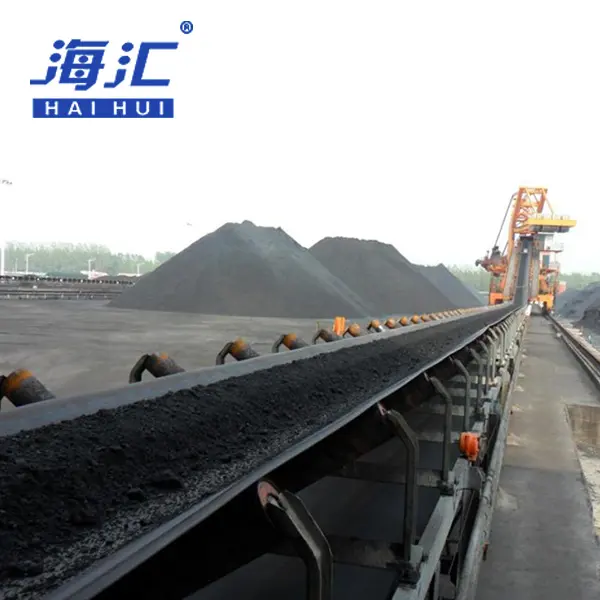
5 Key Factors When Sourcing Chemical Plant Conveyor Rollers
Sourcing chemical plant rollers isn‘t just a price game. It’s about chemical compatibility, seal integrity, batch traceability, and delivery that doesn‘t leave you scrambling. If you’re comparing chemical conveyor roller suppliers, look at the five checks below and keep it practical. Haihui is a good benchmark for how a steady supplier should show proof, not promises.
1. Chemical Compatibility Testing
When demand spikes for corrosion-resistant rollers, compatibility shows up in hard data, not fancy brochures.
High‑exposure reality check
- Chemical exposure testing – 30, 90, 180 days immersion in representative process chemicals (sulfuric acid, sodium hydroxide, solvents)
- Seal material compatibility – PTFE, Viton, EPDM, or FKM based on chemical resistance charts
- Coating integrity – No blistering, softening, or delamination after exposure
Manufacturing output you can verify
- Capacity by material type (304SS, 316SS, coated carbon), not averaged totals
- Salt spray test records (1000+ hours for stainless)
Production capabilities that protect quality
- Automated welding for stainless tubes
- Certified material traceability (mill certs for every lot)
If a supplier can‘t share chemical compatibility test data, that’s a loud signal.
2. Seal Integrity and IP Rating for Harsh Environments
In chemical plants, seal failure is contamination failure.
Key checks that don‘t waste your day:
- Demand IP66 or IP67 rating (dust‑tight and protected against high‑pressure washdowns)
- Specify seal material – PTFE or Viton for aggressive chemical exposure; EPDM for caustics; FKM for high heat
- Confirm seal design – Triple labyrinth with contact lips for fine chemical dust; double contact seals for liquid splash
3. Bearing Clearance and Shaft Hardness
The bearing is the roller‘s heart. In a chemical plant with temperature swings and vibration, a cheap bearing fails fast.
Bearing options for chemical service
| Bearing Grade | Accuracy | Chemical Suitability | Best For |
|---|---|---|---|
| P0 (standard) | Normal | Mild environments | Light duty, clean service |
| P6 | Tighter | General chemical | Moderate exposure, medium speed |
| P5 | High precision | Severe chemical | High speed (>2.5 m/s), corrosive areas |
Shaft requirements
- Material – 304SS, 316SS, or 42CrMo4 with corrosion‑resistant coating
- Hardness – HRC 50-55 for bearing seats (if carbon steel)
- Straightness – ≤0.2 mm per meter
- Surface finish – ≤0.8 µm Ra for bearing seats
4. Material Traceability and Batch Certification
This part is paperwork‑heavy, but it saves you later when auditors ask questions. With chemical plant roller suppliers, push for clean proof on material origin and batch traceability.
Quick checks that don‘t waste your day:
- Ask for mill test reports for tube steel (304SS grade, 316SS grade, carbon steel chemistry)
- Confirm material certification for seals (PTFE, Viton, EPDM batch numbers)
- Spot‑check regulatory compliance – ATEX certification if applicable, ISO 9001, chemical resistance declarations
5. Logistics Management for Chemical‑Grade Components
You can have perfect rollers, but if delivery slips, your maintenance window slips too.
Supply chain efficiency that’s visible
- Forecast sharing rules and order cutoffs
- Safety stock agreements for core chemical roller SKUs
Shipping coordination that prevents surprises
- Corrosion‑resistant packaging (VCI paper, desiccant, sealed bags)
- Export docs accuracy, especially material certs and country of origin
On‑time delivery you can measure
- OTIF definition, monthly tracking, root‑cause notes for misses
Haihui is worth a look if you need steady chemical plant roller supply, but still compare it against other suppliers using the same scorecard.
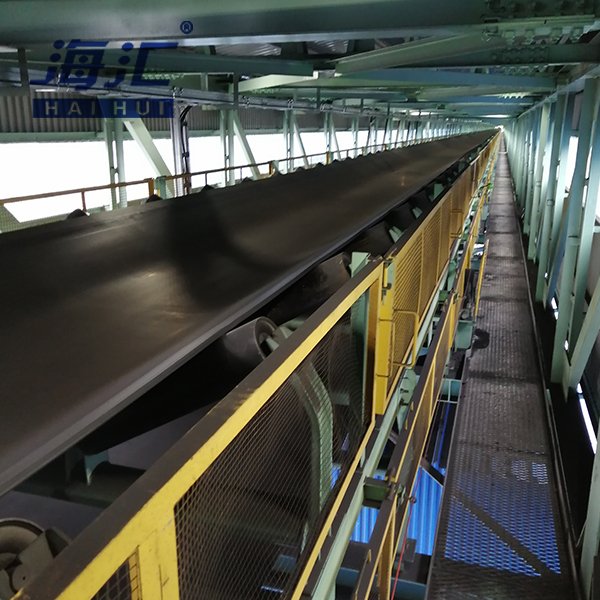
Corrosion Resistance Levels Explained
Choosing the right material grade isn‘t just factory talk—it shapes chemical survival, product purity, safety, and replacement frequency. For chemical plants working with roller suppliers, understanding what’s inside the metal and seals matters just as much as price.
Stainless Steel 304 vs. 316 vs. Carbon Steel Coated
When sourcing from chemical plant roller suppliers, the difference between 304SS, 316SS, and coated carbon steel directly affects corrosion life and long‑term reliability.
| Material Type | Chemical Resistance Rating (1-5) | Salt Spray Hours | Typical Chemical Exposure |
|---|---|---|---|
| Carbon steel (epoxy coated) | 2 | 300-500 | Mild acids, dry powders, incidental splash |
| Stainless steel 304 | 4 | 1000+ | Organic acids, caustic dust, food processing |
| Stainless steel 316 | 5 | 1500+ | Sulfuric acid, chlorides, seawater, aggressive chemicals |
| Hastelloy C-276 | 5+ | 2000+ | Extreme acid, high‑chloride, high‑temperature |
From a practical standpoint:
- 304SS offers excellent general chemical resistance at moderate cost
- 316SS adds molybdenum for chloride and acid resistance
- Coated carbon steel works for mild chemical exposure but carries coating failure risk
Higher alloy content = better chemical survival.
Seal Materials for Chemical Compatibility
Inside the roller, seals are the first line of defense. Without proper seal material, chemicals attack the bearing, and failure follows.
Key seal material options:
- PTFE (Teflon) – Excellent chemical resistance to almost all chemicals; higher cost, less flexible
- Viton (FKM) – Outstanding resistance to oils, solvents, and acids; good high‑temperature performance
- EPDM – Excellent for caustics and water‑based chemicals; poor for oils and solvents
- Nitrile (Buna‑N) – Good for oils and fuels; poor for acids and ozone
Performance checklist:
✓ Seal material compatibility with specific plant chemicals
✓ IP66 or IP67 rating for dust and liquid ingress
✓ Verified seal integrity after thermal cycling
ATEX Compliance for Hazardous Areas
Many chemical plants have classified hazardous areas. Rollers used in these zones must meet ATEX or equivalent standards.
Key requirements:
- Anti‑static seals and bearings to prevent spark generation
- Documented material conductivity
- Temperature classification (T4, T5, T6 based on auto‑ignition temperature of present gases)
Haihui supplies ATEX‑certified rollers for Zone 1, 2, 21, and 22 hazardous areas.
Chemical Plant Rollers vs. Standard Aggregates Rollers
When you‘re specifying chemical plant rollers, the cheapest quote can feel like a win—until corrosion, seal failure, or contamination starts messing with your production. This quick comparison keeps it real on cost and quality, without the fluff.
Cost
Cost is rarely “just cost” with chemical plant rollers; it‘s a bundle of trade-offs that show up later in product quality, change‑out frequency, and plant downtime.
- Material cost – Stainless 316 costs 3-4x carbon steel; Hastelloy 8-10x. But one contamination event costs more than the difference.
- Seal quality – PTFE/Viton seals cost more than nitrile but survive chemical exposure that would destroy standard seals in weeks.
- Manufacturing efficiency – Welding stainless requires different procedures than carbon; automated welding ensures consistency.
| Cost driver (per 100 rollers) | Low‑quote scenario | Typical scenario (Haihui) |
|---|---|---|
| Material (304SS) | $5,000 | $5,500 |
| Seal type | Nitrile | PTFE / Viton |
| Bearing clearance | C3 | C4 with FKM seals |
| Salt spray testing | None | 1000+ hours documented |
| Service life (years) | 1-2 | 8-12 |
Quality
Quality is what keeps “good enough” from turning into a product recall, especially when your conveyor handles active pharmaceutical ingredients or food‑grade chemicals.
A simple, street‑smart checklist helps when you’re auditing chemical roller suppliers:
- Look for consistent surface finish on stainless—streaks and pitting mean poor material quality.
- Verify seal material certification, not just “chemically resistant.”
- Ask how ATEX compliance is maintained when seal materials change.
- Request proof of salt spray testing, not one‑off “sample” tests.
- Confirm material traceability for every lot.
Haihui tends to share test records upfront; if your shortlisted chemical roller suppliers hesitate, that hesitation is the signal.
4 Steps to Implement Chemical Plant Conveyor Rollers
Implementing chemical plant rollers sounds simple, yet the real work hides in the details. From material selection to seal verification, every move affects product purity and roller life. When specified right, chemical rollers become efficient, compliant, and easy to maintain.
Step 1 – Assess Chemical Exposure and Select Material Grade
When reviewing chemical plant rollers, material selection drives everything.
Material foundation
- Exposure analysis – Identify all chemicals the roller will contact (acids, bases, solvents, salts)
- Material selection – 304SS for moderate exposure, 316SS for chlorides/acids, coated carbon for mild
- Seal material – PTFE for universal resistance, Viton for acids/solvents, EPDM for caustics
Performance validation
- Chemical immersion testing – Confirm material survival in worst‑case chemical exposure
- Salt spray testing – 1000+ hours for stainless, 500+ for coated carbon
Step 2 – Select Compatible Seal and Bearing Configuration
Compatibility inside chemical rollers often decides service life.
Sealing system
- Seal material – PTFE or Viton based on chemical exposure
- IP rating – IP66 minimum; IP67 for washdown areas
- Seal design – Triple labyrinth with contact lips for fine chemical dust
Bearing configuration
- Clearance – C4 for high heat or chemical plant temperature swings
- Lubrication – High‑temp, chemically inert grease (fluorinated or synthetic)
- Housing – Sealed stainless cartridge option for extreme environments
Step 3 – Align Roller Specifications with Plant Compliance
Production rhythm matters just as much as design.
Compliance planning
- ATEX certification – Required for hazardous classified areas (Zone 1, 2, 21, 22)
- Material traceability – Mill certs for every lot, batch numbers for seals
- ISO compliance – ISO 9001 certified facility; ISO 14001 for environmental
Operational coordination
- Lead time – Align with plant maintenance schedule
- Supply chain – Buffer corrosion‑resistant roller stock
- Delivery timelines – Sync with plant outage windows
Step 4 – Perform Seal Integrity and Material Verification
Before installation, validation must be systematic.
Mechanical verification
- Seal inspection – Verify seal material, no damage or deformation
- Hardness testing – HRC 50-55 for carbon steel bearing seats
- Concentricity check – ≤0.3mm runout for smooth operation
Quality screening
- Visual inspection – Identify pitting, scratches, or coating voids
- Material verification – Confirm stainless grade (304 or 316) with PMI gun
Final confirmation
- Quality control – Approve batch reports with chemical compatibility data
- Performance validation – Confirm IP rating and ATEX certification before installation
Careful checks lock in safe, reliable chemical plant rollers that perform as expected.
FAQs
How do chemical plant conveyor rollers differ from standard aggregate rollers?
A chemical plant roller carries higher stakes. Material must resist specific chemical attack, not just abrasion. Seals must prevent vapor ingress, not just dust. Bearings must survive temperature swings and potential chemical contamination. Standard aggregate rollers fail fast in chemical service—often within weeks or months.
What materials and certifications matter most for chemical conveyor rollers?
- Materials – 316SS for acids/chlorides, 304SS for general chemical, PTFE/Viton seals
- Certifications – ATEX for hazardous areas, ISO 9001, material traceability (mill certs per lot)
- Testing – Chemical immersion, salt spray (1000+ hours for stainless)
Why does seal selection determine roller life in chemical plants?
The seal is the roller‘s first line of defense. Nitrile or standard rubber seals swell, soften, or crack when exposed to aggressive chemicals. PTFE and Viton seals resist chemical attack, maintaining integrity for years. A failed seal means contaminated bearings—and a seized roller that shuts down your conveyor.
What should buyers check before signing a long‑term chemical roller contract?
- Chemical compatibility test data (immersion results, salt spray hours)
- Seal material certification (PTFE, Viton, EPDM—not “chemically resistant” vague language)
- ATEX certification if applicable
- Material traceability (mill certs per lot)
- IP rating (IP66 minimum)
When material, seal, and bearing align with chemical exposure, rollers become one less thing to worry about. And in a chemical plant, that‘s worth more than the price difference.
References
- Grand View Research – Chemical Conveyor Components Market Analysis
- CEMA – Conveyor Equipment Manufacturers Association
- ASTM B117 – Salt spray testing standard
- ATEX Directive 2014/34/EU – Equipment for explosive atmospheres
- ISO 9001 – Quality management systems
- NACE International – Corrosion standards
- Haihui – Technical data sheets for chemical plant conveyor rollers
 English
 العربية
 简体中文
简体中文 Nederlands
 Français
 Deutsch
 Bahasa Indonesia
 Italiano
 日本語
日本語 한국어
한국어 Bahasa Melayu
 Polski
 Português do Brasil
 Русский
 Español
 Türkçe