Конвейерные ролики для горнодобывающей промышленности: предотвращение запыления и выхода подшипников из строя
Конвейерный ролик для горнодобывающей промышленности — это не просто деталь, а перекресток, от которого зависят время безотказной работы, безопасность и то, сколько отказов подшипников сможет выдержать ваше подземное предприятие.
Стандартные ролики позволяют сэкономить на начальном этапе, но в долгосрочной перспективе эта экономия обходится дорого, поскольку пыль забивает уплотнения, а вода вымывает смазку. Требования техники безопасности становятся всё более строгими, а вопросы экологической устойчивости теперь неизменно поднимаются в каждом обсуждении закупок.
Инженеры компании Haihui в своих руководствах по подземному оборудованию на 2025 год отмечают, что кованые валы, многолабиринтовые уплотнения и высокотемпературные смазки позволяют покупателю самостоятельно влиять на стоимость жизненного цикла, надежность роликов и контроль загрязнения.
Основные моменты Конвейерные ролики для горнодобывающей промышленности
➔ Стоимость жизненного цикла: Кованые валы и тройные лабиринтные уплотнения обеспечивают увеличенный срок службы в условиях подземной эксплуатации, где присутствуют пыль и вода, что позволяет значительно сократить частоту замены и общие расходы на техническое обслуживание.
➔ Безопасность и соблюдение нормативных требований: Соответствует стандартам MSHA, CEMA и ISO; проектировщики выбирают огнестойкие материалы и классы герметичности, чтобы обеспечить соблюдение требований горнодобывающей отрасли.
➔ Операционные показатели: Герметизация прецизионных подшипников, испытания крутящего момента в рабочем режиме и контроль соосности обеспечивают стабильное сопротивление качению и точное следование ленты на подземных угольных, горных и калийных шахтах.
Конвейерные ролики горного назначения и стандартные конвейерные ролики
Выбор между катком для горнодобывающей промышленности и стандартным катком для щебня часто зависит от условий эксплуатации, совокупной стоимости владения и допустимого объема ежедневного технического обслуживания. Некоторые горнодобывающие предприятия стремятся лишь к минимальной первоначальной стоимости. Другие же придают большое значение возможности управления, долговечности и сохранению ценности оборудования в долгосрочной перспективе после появления загрязнений.
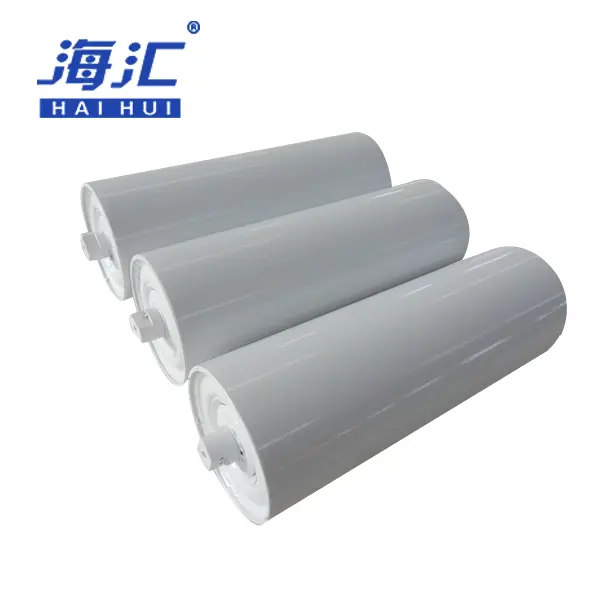
Конвейерный ролик для горнодобывающей промышленности
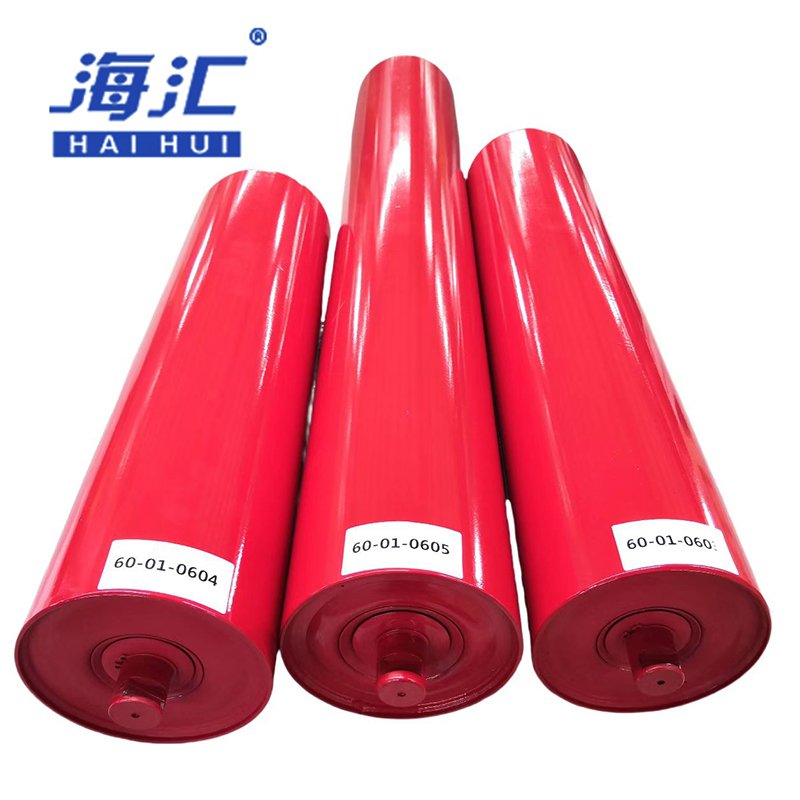
Конвейерный ролик для горнодобывающей промышленности — это не просто труба с подшипниками; это сверхпрочная система защиты от загрязнений, построенная на основе кованых валов, тройных лабиринтных уплотнений и проверенной защиты от проникновения пыли. Идея проста — уплотнить, обеспечить работу, продлить срок службы — но инженерные решения, лежащие в ее основе, имеют большое значение.
- Вариант вала: кованная сталь C45 или 42CrMo4 для работы в условиях высоких ударных нагрузок
- Вариант уплотнения: тройной лабиринт с внешним отбойником
- Защита подшипников: зазор C4, высокотемпературная смазка, герметичные картриджи
- Степень защиты: IP66 – IP69K в зависимости от технических характеристик
- Предназначено для: подземная добыча угля, твердых горных пород, калийных руд и тяжелого щебня
Основные элементы системы конвейерных роликов для горнодобывающей промышленности:
| Производительность | Безопасность и соблюдение нормативных требований | Контроль затрат |
|---|---|---|
| Плавный и стабильный уровень сопротивления качению | Огнестойкие материалы, одобренные MSHA | Более низкая долгосрочная частота замены |
| Отсутствие заклинивания подшипников из-за попадания пыли или воды | Снижение риска возникновения искр в результате трения | Реже возникает необходимость в экстренной замене |
| Система слежения за ремнем работает надежно под землей | Увеличение срока службы роликов | Предсказуемое бюджетное планирование |
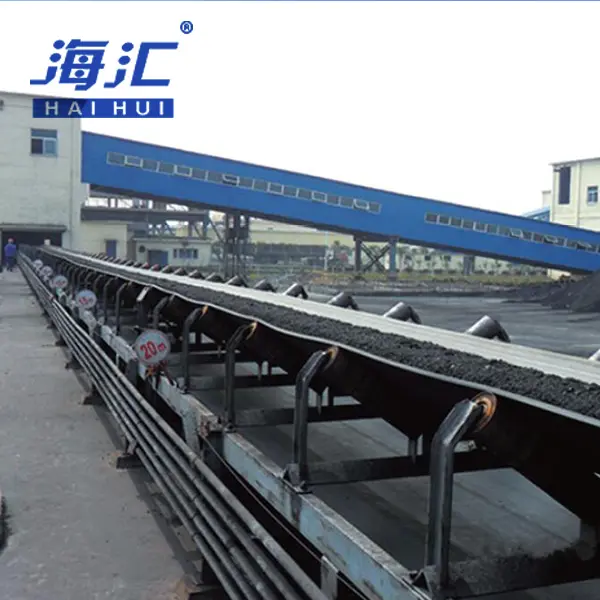
Горный ролик отлично зарекомендовал себя в подземных угольных шахтах, туннелях в твердых породах и на калийных рудниках, где постоянно присутствует пыль и никогда не иссякает вода. При надлежащем уплотнении загрязнение прекращается, а износ ленты сокращается.
Для таких экспертов в области производства роликов, как Хайхуэй, при этом основное внимание уделяется прочности кованого вала, многоуплотнительным системам и долговечной надежности. Правильно подобранный горнодобывающий ролик обеспечивает стабильную работу, выдерживает суровые условия подземной эксплуатации и сокращает частоту замен. Это не ‘замена каждый квартал“, а скорее ”установил и забыл“.”
Стандартный конвейерный ролик
Стандартный конвейерный ролик оснащён простыми лабиринтными уплотнениями или не имеет уплотнений вовсе. Сертификат для использования в горнодобывающей промышленности отсутствует. Испытания на проникновение пыли не проводились.
- Стандартная труба из углеродистой стали
- Открытый подшипник или одиночное лабиринтное уплотнение
- Стандартная смазка, без варианта для высоких температур
- Предназначено для использования в сухих, надземных условиях с низким уровнем запыленности
В шахте это работает следующим образом:
- Установить
- Пробегайте в течение нескольких недель
- Пыль забивает лабиринт
- Уплотнение неисправно
- Загрязнение подшипников
- Заклинивание ролика
- Экстренная замена
- Повторить
Внутри типичного стандартного ролика в подземной шахте:
| Компонент | Функция | Результат в шахте |
|---|---|---|
| Однокамерное лабиринтное уплотнение | Базовая защита от пыли | Неэффективен при использовании мелкой угля или горной пыли |
| Стандартная смазка | Смазка | Быстро вымывается или быстро сохнет |
| Открытый подшипник | Подшипник | Загрязняется в течение нескольких недель |
Удобство в эксплуатации стимулирует спрос на стандартные ролики. Для краткосрочного применения на поверхности они кажутся простым решением. Однако по сравнению с роликами горнодобывающего класса затраты на их замену быстро накапливаются. Количество заклинившихся роликов растёт. Повреждения ленты усугубляют ситуацию. Бригады технического обслуживания испытывают разочарование.
Хайхуэй Признает особенности обоих рынков, однако многие горнодобывающие предприятия сейчас пересматривают подход “дешево изначально”. Конвейерный ролик для горнодобывающей промышленности обеспечивает контроль и долговечность, тогда как стандартный ролик позволяет снизить первоначальную стоимость. Выбор зависит от условий эксплуатации — и от того, с каким объемом незапланированных простоев вы готовы мириться.
Почему стоит перейти на конвейерные ролики для горных работ при подземном добыче?
Краткое введение: Ролик для горнодобывающего конвейера может показаться незначительным изменением технических характеристик, но в подземных угольных или горных шахтах он кардинально меняет повседневную работу. Вы получаете более стабильное ведение ленты, меньшее количество замен и более чистые журналы безопасности. Ниже в доступной форме объясняется, почему шахты выбирают ролики горнодобывающего класса и как это соотносится с нормативными требованиями.
Почему стоит выбирать горные ролики для подземной добычи угля и твердых горных пород?
Шахтный ролик подходит для эксплуатации в суровых подземных условиях, поскольку его конструкция рассчитана на устойчивость к загрязнениям, а не на эпизодическую защиту. На практике это означает меньшее проникновение пыли, меньше непредвиденных ситуаций и лучший контроль при выполнении жестких производственных планов.
Производительность и воспроизводимость
- Однородность уплотнителя обеспечивает предсказуемое сопротивление качению во всех партиях, что способствует стабильному ходу ленты на длинных подземных конвейерах.
- Качественная система, предназначенная для условий горнодобывающей промышленности, позволяет избежать проблем типа “заклинивание ролика через шесть недель”, которые возникают при использовании стандартных подшипников открытого типа.
Долговечность в тяжелых условиях эксплуатации
- Для подземных угольных шахт и туннелей, проложенных в твердых породах, важно, чтобы ролик был устойчив к воздействию пыли, воды и перепадам температуры.
- Кованые валы и тройные лабиринтные уплотнения повышают долговечность, не требуя при этом особого ухода за деталью.
Безопасность и соблюдение нормативных требований
- Материалы, одобренные MSHA, снижают риск возникновения искр в результате трения.
- Огнестойкая смазка и уплотнения соответствуют требованиям норм пожарной безопасности для подземных объектов.
- Увеличение срока службы роликов снижает риск воздействия на работников в опасных зонах при их замене.
Устойчивое развитие и эффективность работы рудника
- Увеличение срока службы валков позволяет сократить отходы, связанные с их заменой, и снизить потребление стали, что способствует достижению целей в области устойчивого развития без замедления темпов производства.
- Хайхуэй позиционирует свои решения для горнодобывающей промышленности — в том числе кованые валы и тройные лабиринтные уплотнения — как способ поддерживать высокую эффективность при одновременном снижении износа материалов.
Как модернизация уплотнений и валов влияет на снижение затрат и объема отходов?
Модернизация уплотнений и валов быстро меняет расчеты. Чем качественнее деталь, тем больше первоначальные затраты на оборудование распределяются на долгие годы и тем меньше расходов несет рудник на вывоз отходов.
Годовая стоимость снижается при использовании компонентов более высокого класса
- Через пару лет ролик, предназначенный для работы в горнодобывающей промышленности, “окупается” по сравнению с заменой стандартных роликов каждые 4–6 месяцев.
- Меньше отходов, меньше хлопот — более редкая замена означает упрощение планирования технического обслуживания и сокращение количества утилизируемых роликов.
Проверка на соответствие реальным условиям эксплуатации
- Если график замены не соблюдается, вы можете лишиться экономии из-за незапланированных простоев. Планируйте замену уплотнений и замену валов так же, как вы планируете срок службы подшипников.
| Класс компонента | Средняя стоимость одного валика (долл. США) | Расчетный срок службы (месяцы) | Сокращение объема отходов по сравнению со стандартом |
|---|---|---|---|
| Стандарт C45, однокамерный лабиринт (базовый вариант) | 65 | 4 | 0% |
| C45 кованая, с двойным лабиринтом | 90 | 10 | 60% |
| 42CrMo4, кованый, с тройным лабиринтом | 120 | 18 | 78% |
| 42CrMo4, кованая, тройной лабиринт + отбойник | 150 | 30 | 87% |
| Закаленная сталь 42CrMo4, система уплотнений класса защиты IP69K | 200 | 48 | 92% |
Краткое изложение того, что действительно важно для нас:
- Уменьшение количества замен повышает безопасность (сокращается время пребывания в опасных зонах).
- Возможность точно прогнозировать срок службы роликов позволяет стабилизировать планирование запасов и повысить точность бюджетного прогнозирования.
Хайхуэй подчеркивает свои инновации в горнодобывающей отрасли — такие как кованые валы из стали 42CrMo4 и уплотнительные системы класса защиты IP69K — как способ достижения “того же объема добычи при меньшей частоте замены”, что в точности соответствует формулировкам операторов горнодобывающих предприятий.
Какие нормативные акты и стандарты регулируют использование конвейерных роликов в горнодобывающей промышленности?
Правила не учитывают, есть ли пыль; они учитывают, безопасно ли это. И горный, и стандартный ролики подпадают под требования стандартов CEMA, DIN и ISO, однако в подземных шахтах к ним предъявляются более строгие требования, поскольку выход ролика из строя чреват повреждением ленты и риском возникновения искр от трения.
Промышленные стандарты и стандарты безопасности
- MSHA (Управление по безопасности и гигиене труда в горнодобывающей промышленности) – устанавливает требования к роликам, используемым в подземных угольных шахтах США. Требуется применение огнестойких материалов.
- CEMA (Ассоциация производителей конвейерного оборудования) – определяет классификацию роликов и рекомендации по их применению в горнодобывающей промышленности.
- DIN 22107 – Технические характеристики и испытания европейских натяжных роликов.
Требования к контролю загрязнения
- Классы защиты по системе IP определяют степень защиты от пыли и влаги (для подземной добычи полезных ископаемых требуется как минимум IP66)
- Совместимость материала уплотнения с угольной пылью, калийной солью или мелкими частицами твердой горной породы
- Сохранение смазки и интервалы повторной смазки
Требования к валу и материалу
- Кованая сталь (C45 или 42CrMo4) для высоких ударных нагрузок
- Закаленные седла подшипников (HRC 50–55)
- Защита от коррозии для калийных или подземных шахт
Практические выводы
- Программа по обслуживанию конвейерных роликов в горнодобывающей промышленности должна рассматриваться как обеспечение важнейшего оборудования для обеспечения безопасности, а не как расходные материалы. Хайхуэй подчеркивает это, предоставляя вместе с роликами документацию MSHA и протоколы испытаний IP, что гарантирует, что у операторов шахт будут все необходимые документы, благодаря чему процедуры безопасности не будут игнорироваться.

Как обслуживать ролики конвейера на горнодобывающих предприятиях: руководство из 4 шагов
Техническое обслуживание горнодобывающих роликов — это не ракетостроение, но требует внимания. От проверки состояния уплотнений до контроля рабочего крутящего момента — каждый шаг влияет на срок службы. Если вы работаете с роликами горнодобывающих конвейеров, правильное соблюдение основных принципов позволит предотвратить попадание загрязнений и обеспечить плавную работу ленты под землей.
Шаг 1 — Проверка состояния уплотнения и пылезащитной прокладки
Регулярный тщательный осмотр обеспечивает надежную работу ролика и готовность вашего горнодобывающего ролика к следующему кварталу эксплуатации.
- Проверьте уплотнения на наличие трещин, затвердевания или повреждений
- Проверьте, не забиты ли зазоры лабиринта пылью (часто встречается в угольных шахтах)
- Проверьте состояние флингера (если имеется) — здесь скапливается грязь и мелкие частицы
В ходе проверки:
- Поверните ролик и прислушайтесь, нет ли скрежета или неровностей
- Проверить давление прижима кромки уплотнения (контактные уплотнения)
- Измерение крутящего момента во время работы с помощью пружинного датчика
- Сравнить с исходными значениями, полученными в ходе заводских испытаний
При обслуживании горнодобывающих роликов обращайте внимание на место соединения уплотнения — именно оттуда проникают загрязнения. При Хайхуэй В этих системах допуски на герметичность очень жесткие, поэтому даже мелкие дефекты выявляются на ранней стадии.
Этап 2 — Проверка способности удерживать смазку и эксплуатационных характеристик при высоких температурах
Надлежащее удержание смазки определяет, насколько хорошо ролик выдерживает длительные межсервисные интервалы в условиях высоких температур и запыленности в шахтах. При проведении осмотра необходимо учитывать соотношение между типом смазки, объемом заправки и рабочей температурой.
Типичные технические показатели для майнинга
| Тестовый вопрос | Стандартный ассортимент | Цель |
|---|---|---|
| Тип смазки | Высокотемпературный синтетический или литиевый комплексный | Устойчивость в условиях высоких подземных температур |
| Объем наполнения | 40–60% полости подшипника | Предотвращает износ, обеспечивает смазку |
| Рабочий крутящий момент | ≤2,0 Нм (ролик 133 мм) | Плавная работа под нагрузкой |
После проверки смазки вращайте ролик, чтобы выявить неровности. Для любого горнодобывающего ролика удержание смазки обеспечивает как долговечность подшипников, так и правильное ведение ленты.
Шаг 3 — Проверка состояния вала и подшипников
Кованый вал и подшипниковый узел влияют на общий срок службы валика. В горнодобывающей промышленности ударные нагрузки чрезвычайно сильны.
- Во время проверки центрирования обратите внимание на скрежет, гул или неровности
- Сравнить крутящий момент во время работы с исходными значениями
- Проверить наличие осевого зазора или осевого перемещения
- Проверьте седла подшипников вала на наличие износа или царапин
Эффективность работы горнодобывающего валика зависит от сохранности его вала и защиты подшипников. Хайхуэй Инженеры разрабатывают системы кованых валов и уплотнений, чтобы снизить риск попадания загрязнений и выдерживать ударные нагрузки, которые привели бы к поломке стандартных валов.
Шаг 4 — Контроль выравнивания ленты и выравнивания роликов в подземных условиях
Точный мониторинг положения ленты позволяет контролировать износ ленты, повреждения кромок и общую эффективность конвейера в длинных подземных галереях.
- Следите за выравниванием ремня на протяжении времени (еженедельный обход)
- Проверьте выравнивание роликов по отношению к осевой линии ремня
- Измерение провисания или наклона натяжного ролика
- Частота замены фильтров в разбивке по участкам (зона подачи дробилки и зона выхода)
“Мировой спрос на конвейерные компоненты, предназначенные специально для горнодобывающей промышленности, будет продолжать расти вплоть до 2025 года благодаря инновациям в области технологий уплотнений и кованых валов”, — отмечается в недавнем анализе компании Grand View Research (2025).
Правильная настройка графика технического обслуживания обеспечивает стабильную работу в условиях запыленных, влажных и подверженных сильным ударам подземных сред. Свободно вращающийся ролик горнодобывающего конвейера экономит энергию, снижает износ ленты и просто создает ощущение уверенности в штреке — даже на глубине одной мили под землей.
Ссылки
- Grand View Research — Анализ рынка компонентов для горнодобывающих конвейеров
- MSHA — Стандарты Управления по безопасности и гигиене труда в горнодобывающей промышленности (30 CFR)
- CEMA — Ассоциация производителей конвейерного оборудования — Применение в горнодобывающей промышленности
- DIN 22107 — Натяжные ролики для ленточных конвейеров
- Классы защиты IP — Стандарты защиты от проникновения (IEC 60529)
- ASTM D395 — Испытание резины на остаточную деформацию при сжатии
- Haihui – Технические характеристики роликов для горнодобывающих конвейеров
 English
 العربية
 Português do Brasil
 Русский
 Español