Premium Return Idler Roller Types & Buying Guide
If your conveyor system lives or dies by stable operation, return idler rollers aren’t a minor accessory—they’re the performance backbone. Buyers want steady rotation, anti-adhesion performance, and zero unexpected downtime, and you need a supplier who won’t compromise on craftsmanship under harsh working conditions.
Solid structural design, reliable sealing systems, and precise roller concentricity—that’s what keeps belt deviation, abnormal wear and frequent replacement costs off your radar.
Grand View Research reports in 2025 that durable conveyor accessory demand continues rising across mining, port logistics, cement and industrial conveying sectors.
Lyrical Notes: Mastering Return Idler Roller Selection
➔ Survey core types—from standard return idlers and spiral self-cleaning idlers to rubber-coated and fully sealed heavy-duty models
➔ Ensure operational safety with dustproof sealing, anti-corrosion treatment, industrial-grade materials and standardized quality compliance
➔ Score cost savings by leveraging flexible lead times, batch bulk pricing, customized specs and complete technical drawing support
➔ Guarantee long-term performance via rotation resistance tests, load-bearing validation, and strict dimensional accuracy checks
Types Of Return Idler Rollers Explained
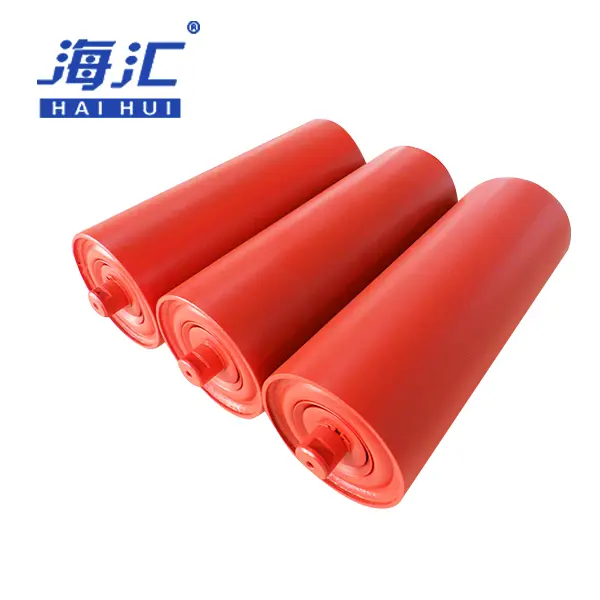
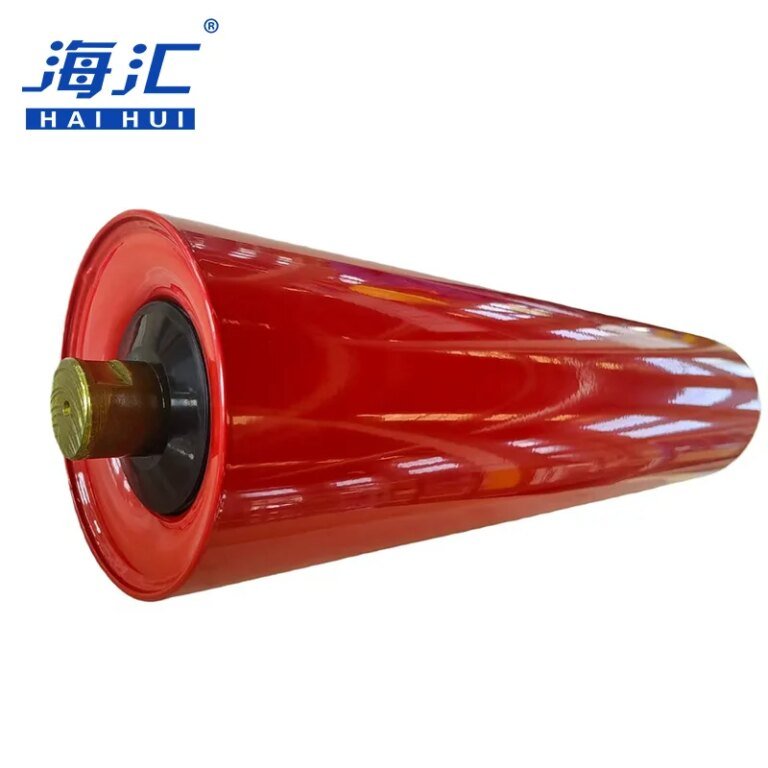
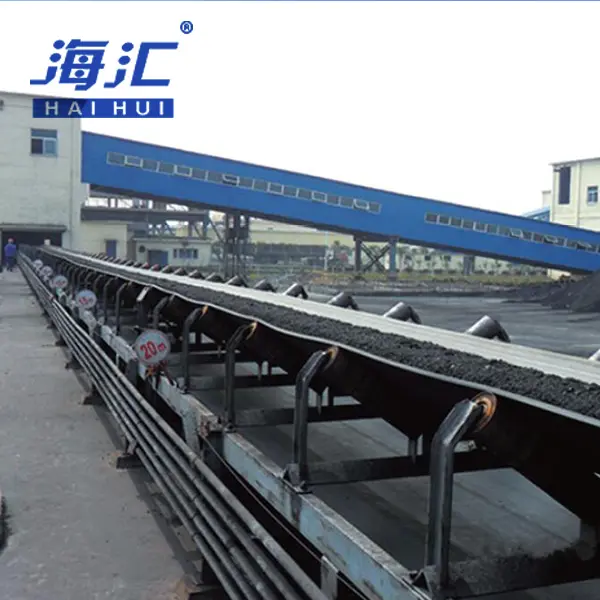
Return idler rollers are installed on the return side of belt conveyors, supporting the empty belt and maintaining stable belt operation. When people talk about conveyor return system stability, they often rely on well-matched return idler rollers with targeted structural designs. This guide breaks down how different return idler rollers are built, why structural differences matter, and how reasonable roller selection reduces conveyor maintenance pressure.
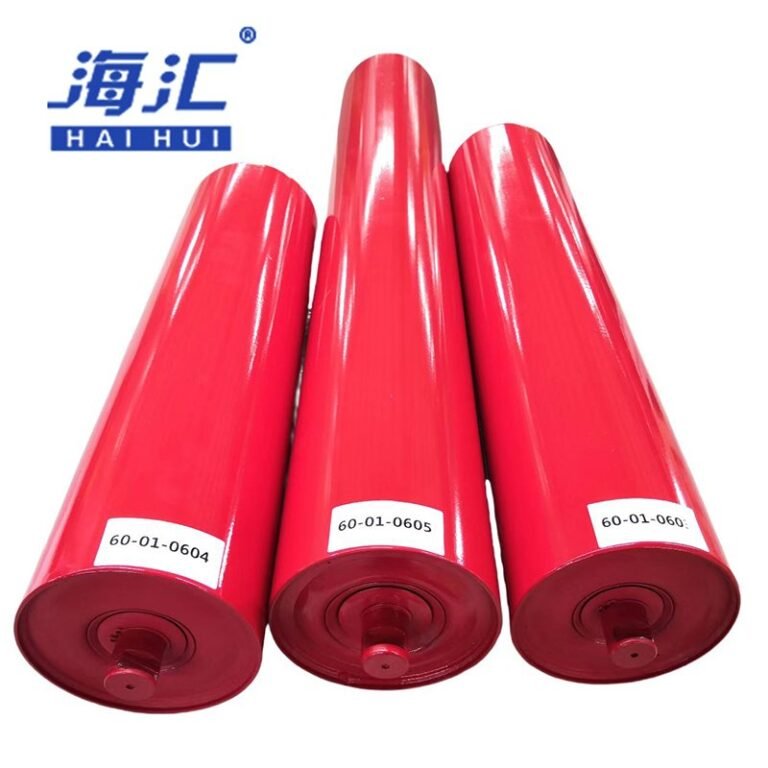
Standard Straight Return Idler Rollers For General Conveying
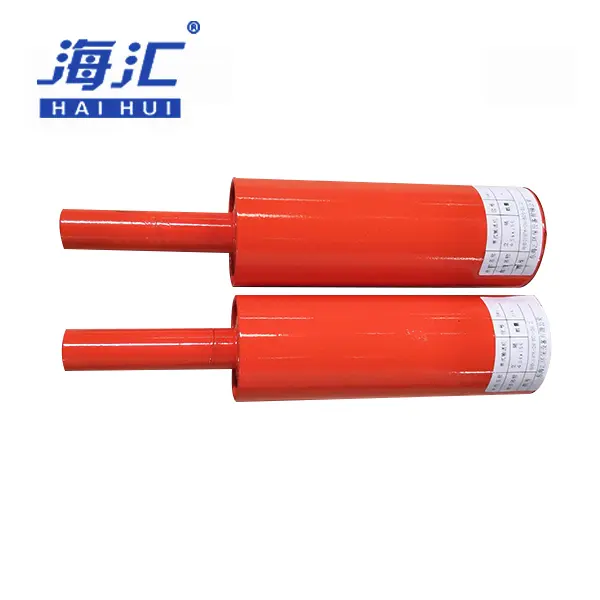
In conventional industrial scenarios, standard straight return idler rollers look structurally simple. In actual operation, their integrated structure and balanced performance ensure basic conveyor return system stability:
Core Structural Parts
1.1 Roller Body
Made of high-quality seamless steel tube with uniform wall thickness. Provides stable load-bearing capacity for the return belt and maintains linear operation track.
1.2 Shaft & Bearing Assembly
Equipped with high-precision sealed bearings and anti-aging lubricating grease. Ensures low-resistance flexible rotation and reduces conveyor operating power consumption.
1.3 Basic Sealing Structure
Standard labyrinth sealing design blocks ordinary dust and moisture, adapting to clean and dry indoor working conditions.
Functional Benefits
- Stable rotation with low operational resistance
- Uniform stress to avoid local belt wear
- Cost-effective and easy for daily replacement
These standard return idler rollers are widely used in food processing, packaging logistics and general factory conveying lines.
According to Smithers’ 2025 global conveyor accessory outlook, demand for standard industrial conveyor rollers maintains steady growth, driven by the expansion of automated conveying equipment.
Explore Haihui’s full range of standard return idler roller solutions to match your general conveying line needs.
Spiral Self-Cleaning Return Idler Rollers For Dusty Conditions
Dusty working conditions such as mines, cement plants and coal yards easily cause material adhesion on the return belt, leading to belt deviation and roller abrasion. Spiral self-cleaning return idler rollers are professionally designed to solve this pain point.
Unique Structural Design
1.1 Spiral Convex Surface
The roller surface is processed with continuous spiral strips. During rotation, it can automatically sweep away adhered dust, fine materials and debris on the belt surface without manual cleaning.
1.2 Reinforced Welding Process
The spiral structure is firmly welded with the roller body, avoiding peeling or deformation during long-term high-load operation.
Performance Advantages
- Real-time self-cleaning to prevent material accumulation
- Effectively correct slight belt deviation
- Greatly reduce manual maintenance frequency
Applicable Scenarios
Mining, cement processing, coal transportation, chemical dust workshops and other harsh dusty environments.
Brands like Haihui focus on scenario-oriented roller design, making spiral return idler rollers a reliable choice for high-dust industrial conveying lines. View our self-cleaning roller series for harsh working conditions.
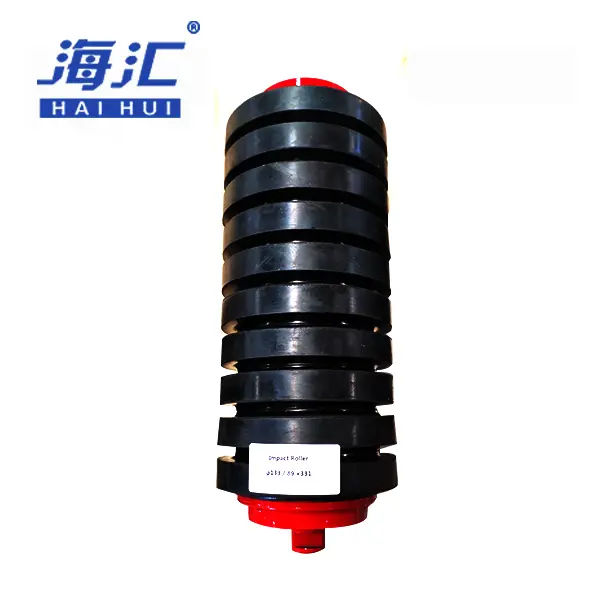
Rubber-Coated Return Idler Rollers For Anti-Slip & Buffering
High-speed conveying lines and slippery belt surfaces often cause belt slipping and unstable operation. Rubber-coated return idler rollers adopt composite structure of steel body and rubber layer to upgrade overall performance.
Composite Manufacturing Process
1.1 Steel Roller Base
High-rigidity steel tube ensures structural stability and compression resistance, preventing roller bending and deformation.
1.2 Vulcanized Rubber Coating
High-elastic anti-wear rubber layer is tightly bonded to the steel body through high-temperature vulcanization. No peeling or cracking after long-term operation.
Core Performance
- Increase friction coefficient to prevent belt slipping
- Buffer conveyor operation vibration to reduce belt fatigue wear
- Protect the return belt from rigid scratch damage
Application Areas
High-speed logistics conveying, grain transportation, and lightweight material conveying scenarios requiring anti-slip and buffering effects.
Fully Sealed Heavy-Duty Return Idler Rollers For Harsh Environments
Humid, corrosive and heavy-load working conditions put forward higher requirements for roller sealing and durability. Fully sealed heavy-duty return idler rollers adopt multi-layer protection structure to adapt to extreme industrial environments.
Professional Sealing System
1.1 Multi-Layer Labyrinth Sealing
Internal and external double-layer isolation structure completely isolates dust, water vapor and corrosive gas, avoiding bearing jamming and rusting.
1.2 Enhanced Bearing Protection
Fully enclosed bearing cavity with high-temperature and waterproof lubricating grease to ensure flexible rotation in humid environments.
Performance Metrics
- Excellent waterproof, dustproof and anti-corrosion performance
- Strong heavy-load resistance for long-term continuous operation
- Ultra-long service life and low failure rate
Applicable Scenarios
Port wharves, wet mines, chemical corrosive workshops and outdoor open-air conveying lines.
Are Your Return Idler Rollers Qualified And Reliable?
Choosing qualified return idler rollers is not just a simple purchasing task. It’s about conveyor operational stability, lower maintenance costs, and long-term equipment safety. From raw material selection to finished product testing, every detail determines the actual service effect of return idler rollers. Inferior rollers will cause belt deviation, abnormal noise, severe wear and frequent shutdown maintenance.
Understanding Material Grade And Structural Compliance
When sourcing bulk return idler rollers, priority should be given to material quality and structural standardization.
Core Roller Materials
High-quality seamless steel tube: uniform wall thickness, stable mechanical strength, not easy to bend and deform.
Anti-aging rubber material: wear-resistant, anti-slip, no toxic precipitation, suitable for long-term industrial use.
High-precision bearings: low resistance, high temperature resistance, long service life.
Safety & Production Standards
Comply with national conveyor accessory industry standards, with standardized structural size and load-bearing parameters.
Batch production follows ISO 9001 quality management system to ensure consistent product performance.
Quality Traceability
Haihui tracks every batch of return idler rollers, with complete raw material inspection records and production process files, realizing full product traceability and audit-ready quality documents. Contact us to obtain official compliance certification reports.
Rotation, Load And Dimensional Accuracy Testing
Strict quality testing is the core to avoid roller failure in actual operation. Key inspection indicators include rotation resistance testing, static and dynamic load-bearing verification, concentricity detection and dimensional tolerance calibration.
At Haihui, we combine automated testing equipment with manual professional inspection to eliminate defective products. Every return idler roller will pass strict rotation flexibility test and anti-wear detection before delivery, ensuring stable and consistent performance of bulk orders.
Industrial-Grade Sealing And Anti-Corrosion Treatment
For return idler rollers used in outdoor and harsh environments, sealing performance and anti-corrosion capability are the key to service life.
Haihui adopts multi-layer labyrinth sealing technology and professional galvanizing or electrostatic spraying anti-corrosion process, which effectively resists oxidation, rust and chemical corrosion. Even in high humidity and dusty environments, it can maintain long-term stable operation.
Expert Tip: Inferior single-layer sealing rollers are easy to enter dust and water, leading to bearing stuck and roller scrapping in a short time. Choosing multi-layer sealed industrial-grade rollers can greatly reduce later maintenance costs.
Request a professional custom solution proposal in just 24 hours.
4 Cost-Saving Negotiation Tips For Return Idler Roller Bulk Orders
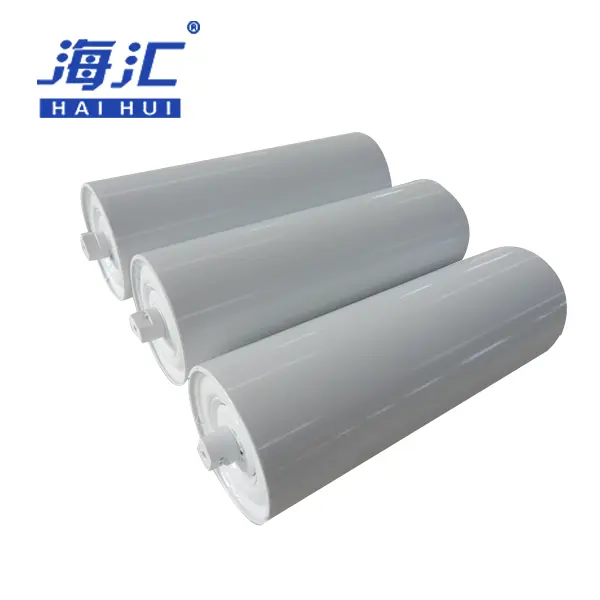
Bulk purchasing return idler rollers seems straightforward, but real long-term cost savings are hidden in detailed order planning and supplier matching.
Tip 1 – Leverage Flexible Lead Time For Lower Bulk Prices
Reserving orders in off-peak production seasons and arranging staggered delivery can effectively avoid peak processing fees. Stable order planning helps factories arrange production reasonably, thus giving more favorable bulk quotation discounts.
Tip 2 – Optimize Pallet Packaging To Reduce Freight Costs
Standardized pallet stacking and scientific container loading can maximize single shipment volume, reduce unit freight and avoid transit damage. Optimized packaging greatly improves overall order cost performance.
Tip 3 – Confirm Working Condition Parameters Early To Avoid Rework Costs
Clarify on-site environment (dust, humidity, load), belt width and installation spacing in the early stage of ordering. Accurate parameter matching avoids performance mismatch and secondary customized rework costs.
Tip 4 – Provide Technical Drawings For Precise Customization
Submitting detailed CAD drawings and dimensional requirements helps Haihui’s R&D team optimize production cutting plans, reduce material waste, and improve product qualification rate, bringing invisible cost savings for bulk orders.
FAQs about Return Idler Roller
What types of return idler rollers are suitable for industrial conveyor lines?
Standard straight idlers for clean and conventional conveying lines; spiral self-cleaning idlers for dusty mining and cement scenarios; rubber-coated idlers for high-speed anti-slip conveying; fully sealed heavy-duty idlers for humid and corrosive outdoor working conditions. You can select targeted models according to actual on-site environments.
How to ensure long-term stable operation of return idler rollers?
It relies on high-quality raw materials, standardized sealing structure, strict factory testing and scientific installation spacing. Adopting industrial-grade anti-corrosion and dust-proof design, cooperating with regular daily inspection and maintenance, can effectively extend the service life of return idler rollers.
What should buyers prepare for OEM/ODM customized orders?
Confirm customized diameter, length, installation size, surface treatment process and working condition parameters. Haihui supports flexible MOQs, covering small-batch trial production and large-batch bulk orders. We provide one-stop services from design, production to packaging and delivery.
Ready to upgrade your conveyor return system? Get a free professional quotation from Haihui now.
References
Global Conveyor Accessory Industry Report – Grand View Research
Industrial Conveyor Roller Market Outlook – Smithers
ISO 9001 Quality Management Standard – iso.org
Conveyor Roller Structural Design Specification – astm.org
Mining Conveyor Equipment Maintenance Standard – corrosionpedia.com
Industrial Steel Material Performance Standard – worldsteel.org
Mechanical Product Sealing Technology Guideline – sciencedirect.com
Bulk Industrial Goods Supply Chain Optimization – supplychainbrain.com
Harsh Environment Mechanical Protection Standard – unece.org
 English
 العربية
 简体中文
简体中文 Nederlands
 Français
 Deutsch
 Bahasa Indonesia
 Italiano
 日本語
日本語 한국어
한국어 Bahasa Melayu
 Polski
 Português do Brasil
 Русский
 Español
 Türkçe