Rodillos para cintas transportadoras mineras: el abastecimiento subterráneo es un acto de confianza ciega
- ¿Cómo influyen los tubos, los rodamientos y las juntas en la vida útil de los rodillos mineros?
- Compensaciones entre el tipo de acero y el espesor de la pared en la minería
- Rodillos para minería OEM frente a rodillos estándar: ventajas e inconvenientes
- 4 aspectos a tener en cuenta en el envío de pedidos al por mayor de rodillos para minería
- Cómo comprobar la fiabilidad de un proveedor de rodillos para minería
- Preguntas frecuentes
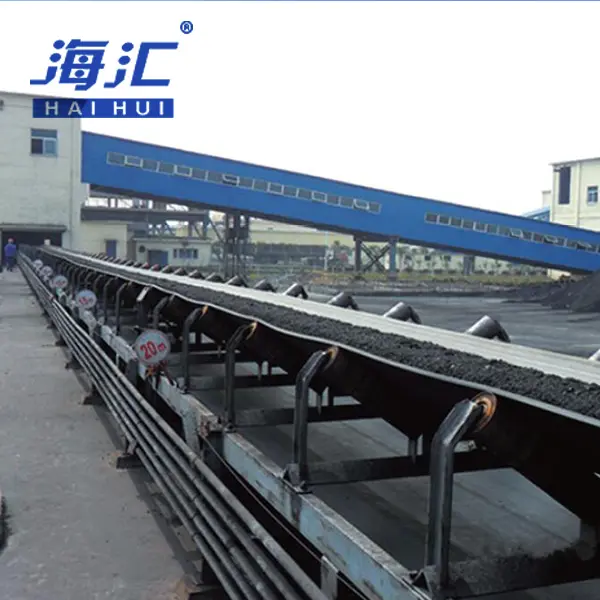
Comprar rodillos para cintas transportadoras mineras La compra a granel no es solo una cuestión de aprovisionamiento: es una apuesta de confianza con todo tu calendario de producción subterránea y todas las auditorías de seguridad que se derivan de él. Un rodillo atascado, un tubo colapsado, un cojinete que se quema por el polvo… y, de repente, la cinta se detiene, la sección se paraliza y los frentes de tajo largo se van derrumbando como fichas de dominó. Para los responsables de mantenimiento subterráneo, eso no es un mal día: es un turno perdido, una reparación de la cinta transportadora y un montón de explicaciones que dar al jefe de producción.
El mercado mundial de rodillos para cintas transportadoras mineras se valoró en más de $2.8 mil millones en 2024, según fuentes del sector citadas por Coal Age y Modern Bulk Handling: demanda cautiva, condiciones de funcionamiento extremadamente duras y tolerancia cero hacia los rodillos que no soporten el polvo.
Así que, antes de dar el visto bueno a un pedido al por mayor de rodillos para minería, comprueba el espesor de la pared del tubo, la estanqueidad del cojinete, la dureza del eje y la integridad de las soldaduras. Porque, bajo tierra, tomar atajos no supone un ahorro de dinero, sino que pone en peligro a las personas y detiene el flujo de carbón.
Respuestas rápidas: Aspectos básicos de los rodillos transportadores para minería
➔ Tubos y paredes: Especificar acero S355 o S450, con un espesor de pared ≥4 mm para impactos fuertes, y trazabilidad certificada del material.
➔ Rodamiento y eje: Elija rodamientos de ranura profunda (grado P6 como mínimo), un eje endurecido por inducción (HRC 50-55) y una rectitud comprobada.
➔ Sellado y protección: Especificar juntas de triple laberinto o de contacto, protección contra la entrada de agua y polvo IP66+ y llenado de grasa documentado (para altas temperaturas, NLGI 2).
➔ Fabricación y ensayos: Asegurarse de que la soldadura sea concéntrica, de que se realice el equilibrado dinámico (ISO 1940 G-16) y de que se lleve a cabo la prueba de rotación 100% antes del envío. El recubrimiento ignífugo es opcional, pero se recomienda para minas con presencia de gases.
¿Cómo influyen los tubos, los rodamientos y las juntas en la vida útil de los rodillos mineros?
La vida útil bajo tierra no se reduce únicamente a las especificaciones técnicas. Depende de la resistencia del tubo, la durabilidad de los cojinetes, la integridad de las juntas y la forma en que el rodillo hace frente a los tres enemigos de las cintas transportadoras subterráneas: el polvo, la humedad y los impactos fuertes. Para los equipos que adquieren rodillos para minería al por mayor, estos pequeños detalles determinan si la cinta funciona durante un año o se avería cada trimestre.
“Una vez probamos unos rodillos más baratos”, me contó un supervisor de mantenimiento del metro. “Al cabo de tres meses, las juntas fallaron, los rodamientos se quemaron y nos pasamos dos turnos sacando treinta rodillos de una galería. Nunca más”.”
Espesor de la pared de la tubería para impactos subterráneos de gran intensidad
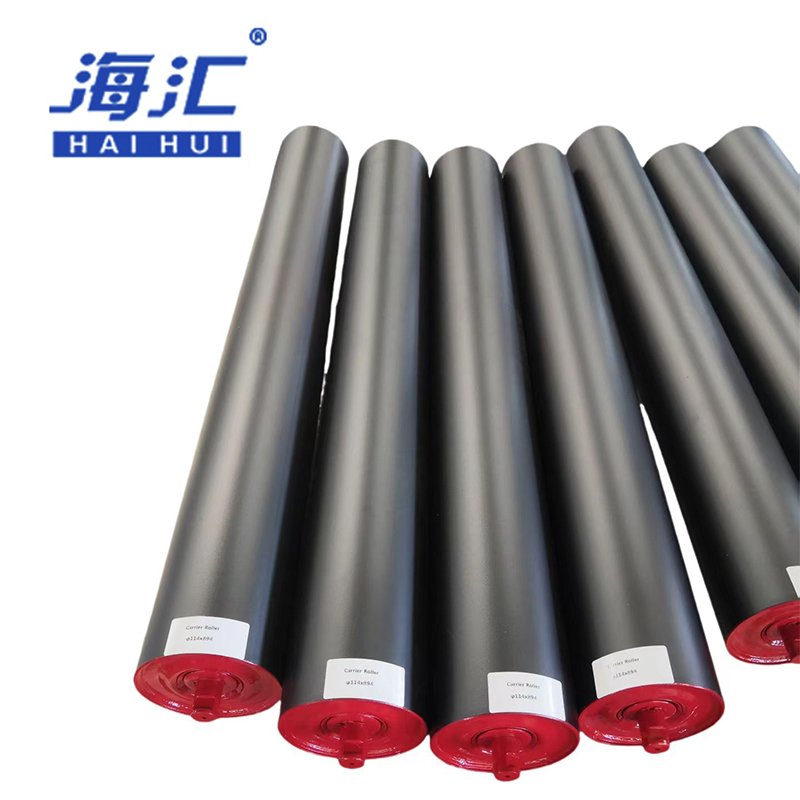
En la minería, el tubo de rodillos soporta un desgaste que aplastaría los componentes estándar de las cintas transportadoras. Las rampas de descarga, el mineral grumoso, las altas velocidades de la cinta… Los tubos delgados simplemente no resisten.
Calidades de acero para rodillos mineros
- S355 (estructural): Norma mínima para la mayoría de las aplicaciones subterráneas. Buen límite elástico, soldable.
- S450 (alta resistencia): Mayor rendimiento, mayor resistencia a los impactos, ideal para las vías de acceso de los frentes de tajo largo.
- Tubo endurecido (superficie por inducción): Resistencia extrema al desgaste; mayor durabilidad en minerales abrasivos. Es más caro, pero dura entre 2 y 3 veces más que el modelo estándar.
Recomendaciones sobre el espesor de las paredes en el sector minero
| Diámetro del rodillo | Carbón/roca blanda (mm) | Roca dura/mineral (mm) | Longitud de la pared (mm) |
|---|---|---|---|
| 114 mm | 3.2 | 4.0 | 4.5 |
| 133 mm | 3.5 | 4.5 | 5.0 |
| 159 mm | 4.0 | 5.0 | 5.5 |
| 178 mm | 4.5 | 5.5 | 6.0 |
“He sacado rodillos de una mina de roca dura que parecían plátanos, tenían exactamente la forma de un plátano‘, dijo un montador con veinte años de experiencia bajo tierra. ”Cambiamos a un grosor de pared de 5 mm en los rodillos de 159 mm. Solo se ha doblado uno en los últimos cuatro años. Haz tú los cálculos“.”
Por qué es importante el espesor de las paredes en el subsuelo
- Una pared más gruesa = resiste el impacto del mineral grumoso que cae sobre la cinta transportadora
- Una pared más delgada = abolladuras, luego desalineación de los cojinetes y, finalmente, agarrotamiento —a menudo en cuestión de semanas—
- El espesor uniforme de la pared evita la deformación ovalada bajo una carga elevada de la cinta transportadora
Las marcas que realizan pedidos al por mayor de rodillos para minería suelen solicitar muestras cortadas y medidas antes de iniciar la producción a gran escala. Haihui Si lo solicitas, te cortarán un rodillo de prueba. Tienen una sierra de cinta en el taller y no tienen ningún reparo en usarla.
Calidad de los rodamientos y templado de ejes
El rodamiento es el corazón del rodillo. En una mina subterránea polvorienta y húmeda, un rodamiento barato se estropea rápidamente. He visto rodamientos que por fuera parecían estar en perfecto estado, pero que por dentro tenían las pistas de rodadura completamente obstruidas con polvo fino de carbón.
Opciones de rodamientos para la minería
| Calidad de los rodamientos | Precisión | Aplicación típica | Coste |
|---|---|---|---|
| P0 (estándar) | Normal | Cintas transportadoras cortas, para cargas ligeras | Bajo |
| P6 | Más ajustado | La mayoría de las aplicaciones subterráneas | Medio |
| P5 | Alta precisión | Transportadores largos de alta velocidad (>3,5 m/s) | Alto |
Requisitos del eje
- Material: 40Cr o 42CrMo4 para uso intensivo
- Dureza: Endurecido por inducción hasta alcanzar una dureza de HRC 50-55 en los asientos de los cojinetes
- Rectitud: ≤0,15 mm por metro; si se supera este valor, el rodillo vibra
- Protección contra la corrosión: Galvanizado con zinc o recubrimiento epoxi para minas submersas
“Un eje flexible es la pesadilla de los rodamientos”, dice uno Haihui Me lo explicó un ingeniero: “El anillo interior del rodamiento gira sobre el eje, lo desgasta, luego el ajuste se afloja y todo el rodillo se tambalea. Endurecemos todos los ejes de minería hasta un mínimo de HRC 52”.”
Grasas y lubricantes para entornos mineros
- Grasa de complejo de litio para altas temperaturas (NLGI 2) con aditivos de presión extrema
- Volumen de llenado: 40–60% de la cavidad del rodamiento —superior al estándar, ya que los rodamientos para minería se calientan mucho—
- Rango de funcionamiento: de –30 °C a +150 °C para minas profundas
- Opción de relubricación para posiciones críticas en el tajo largo
Tipos de juntas para el polvo y el agua subterráneos
La junta es la primera línea de defensa del rodillo. En una mina de carbón, el polvo está por todas partes: es fino, abrasivo e implacable. En una mina de roca dura, el agua y las partículas finas son los enemigos mortales.
Familias de sellos para la minería
| Tipo de junta | Clasificación IP | Resistencia al polvo | Resistencia al agua | Ideal para |
|---|---|---|---|---|
| Triple laberinto | IP65 | Alto | Moderado | Minas de carbón a cielo abierto |
| Labio de contacto (doble) | IP66 | Muy alto | Alto | Roca dura, terreno resbaladizo |
| Sello cuádruple (laberinto + contacto) | IP67 | Extremo | Extremo | Tajo largo, alto nivel de polvo, alto nivel de agua |
“Solíamos utilizar juntas de contacto estándar en una planta de tratamiento de carbón”, me comentó un responsable de planificación de mantenimiento. “El polvo fino se colaba al cabo de seis meses. Cambiamos a juntas de triple laberinto y ahora aguantan tres años. El mismo cojinete, el mismo tubo, solo que con una junta mejor”.”
Realización de ensayos de par y rotación para rodillos de minería
- Un par de arranque bajo es fundamental en las cintas transportadoras subterráneas largas: una resistencia elevada implica un mayor consumo de potencia
- Prueba de giro: el rodillo debe seguir girando por inercia durante varios segundos tras un giro enérgico.
- Par de arranque en frío: especificado a –10 °C para minas situadas en regiones más frías
Para pedidos de gran volumen de rodillos para minería, Haihui Comprueban que todos los rodillos giren correctamente antes de embalarlos. No solo una muestra, sino todos y cada uno de ellos. Tienen una regla muy sencilla: si no gira con soltura, no se lleva a la mina.
Compensaciones entre el tipo de acero y el espesor de la pared en la minería
La elección entre los distintos grados de tubos y el espesor de la pared no solo tiene que ver con la resistencia; también influye en el peso, la soldabilidad, la resistencia a los impactos y el coste total de propiedad.
| Calidad del tubo | Límite elástico (MPa) | Resistencia a la abrasión | Índice de costes | Mejor uso |
|---|---|---|---|---|
| S355 (3,5 mm) | 355 | Moderado | 1.0 | Carbón, uso medio |
| S355 (4,5 mm) | 355 | Bien | 1.2 | Hard rock, en general |
| S450 (4,5 mm) | 450 | Bien | 1.4 | Tajo largo, alto impacto |
| S450 endurecido (5,0 mm) | 800+ | Excelente | 2.0 | Mineral abrasivo de alto impacto |
En la mayoría de las minas subterráneas, el S355 con un espesor de pared de 4-5 mm es la opción ideal. He visto minas en roca más dura en las que se utiliza el S450 con tubos endurecidos: el coste inicial es mayor, pero dura años más que el estándar.
Rodillos para minería OEM frente a rodillos estándar: ventajas e inconvenientes
Rodillos OEM
- Personalización: Ancho exacto del bastidor, distancia entre rodillos y extremos de los ejes para su estructura de poleas tensoras.
- Control de calidad: Inspección de soldaduras, comprobación de la concentricidad, ensayo de rotación 100%, verificación de la dureza.
- Plazo de entrega: Muestras → producción en serie (normalmente entre 6 y 10 semanas).
- Ideal para: Vías de acceso a las galerías de tajo largo, tramos críticos de cintas transportadoras o cuando los tamaños estándar no son adecuados.
Rodillos estándar
- Disponibilidad: Tallas en stock, plazos de entrega cortos (2-3 semanas).
- Coste: Precio unitario más bajo, sin gastos de ingeniería.
- Compensación: Longitudes fijas, solo juntas estándar, sin personalización del eje.
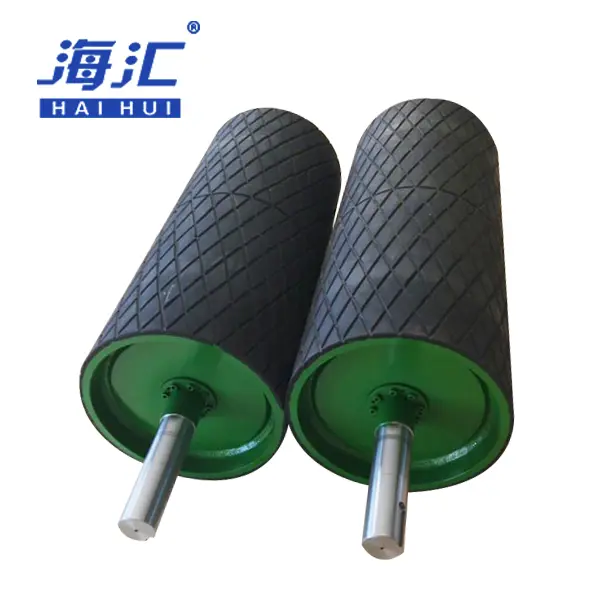
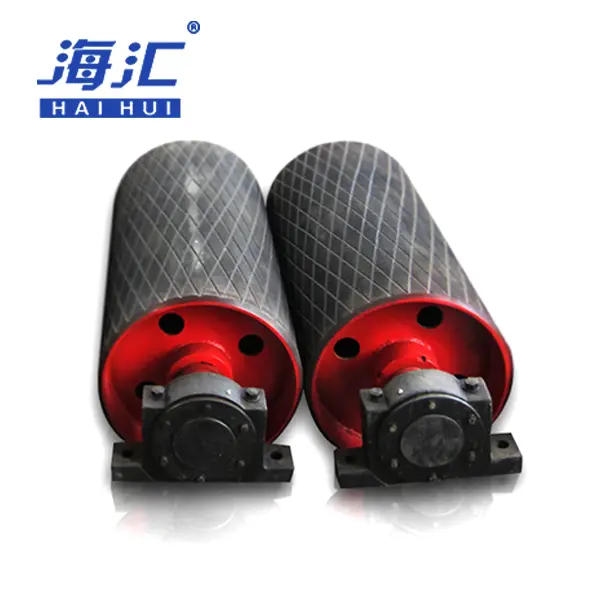
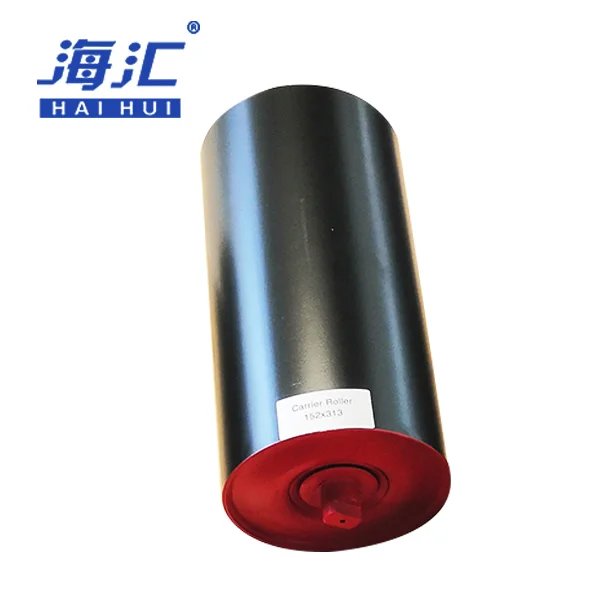
Haihui Dispone de existencias listas para enviar de rodillos para minería de tamaños habituales (114, 133 y 159 mm) con paredes gruesas y juntas de laberinto triples. He visto cómo enviaban un palé de 150 rodillos en diez días, mientras que un competidor había presupuestado ocho semanas.
4 aspectos a tener en cuenta en el envío de pedidos al por mayor de rodillos para minería
1. Estrategias de envasado a granel
- Capa primaria: Recubrimiento anticorrosivo o cera: la humedad del subsuelo acelera la corrosión.
- Capa secundaria: Fundas de cartón + espuma entre los rodillos.
- Capa terciaria: Palés flejados con protectores de esquinas y envueltos en film estirable.
2. Envíos paletizados para el acceso a la mina
- Distribución uniforme del peso para el acceso a galerías mineras estrechas.
- Los rodillos se apilan con cuidado para evitar que se abollen los tubos.
- Cintas reforzadas para caminos de transporte en condiciones difíciles.
3. Optimización de la carga de contenedores
| Contenedor | Rodillos estándar (133 mm x 1200 mm) | Peso aproximado (kg) |
|---|---|---|
| 20 pies | 300–350 | 4,000–4,500 |
| 40 pies | 700–800 | 9,000–10,500 |
| 40 pies HC | 750–850 | 9,500–11,000 |
4. Plazos de entrega y logística en emplazamientos remotos
- Fabricación (corte, soldadura, templado, prensado de rodamientos, ensayo de rotación): normalmente entre 5 y 8 semanas.
- Inspección final y embalaje (añadir 1 semana).
- Transporte marítimo + transporte terrestre hasta la mina (añadir entre 2 y 4 semanas, dependiendo de la ubicación). En el caso de las minas remotas, el plazo es aún mayor.
Haihui Ofrece entregas por etapas para pedidos grandes —la mitad ahora y la otra mitad el mes que viene—, de modo que no tienes que inmovilizar capital ni espacio de almacén subterráneo.
Cómo comprobar la fiabilidad de un proveedor de rodillos para minería
1. Evaluar las certificaciones ISO 9001 y de seguridad minera
- Solicite los informes de ensayo de fábrica correspondientes al acero para tubos (S355, S450, etc.).
- Confirme por escrito la marca y la calidad de los rodamientos (SKF, FAG, NSK o equivalentes).
- Comprueba el certificado de dureza del eje (valor HRC y método de ensayo).
- Confirma las especificaciones del tipo de junta, no te limites a indicar “junta de alta resistencia”.”
2. Comprobar la soldadura del tubo, la dureza del eje y la concentricidad
| Comprobar | Indicador clave | Rango aceptable |
|---|---|---|
| Soldadura de tubos | Penetración + visual | Penetración total, acabado suave |
| Dureza del eje | HRC en los asientos de los rodamientos | 50–55 |
| Concentricidad | Desviación entre los asientos de los cojinetes | ≤0,25 mm |
| Soldadura del extremo | Prueba visual + prueba de pulsación | Sin interrupciones, sonido nítido |
3. Revisar los registros de las pruebas de rotación, el par y los lotes
- Prueba de giro: el rodillo debe girar libremente, sin chirridos ni oscilaciones.
- Par de funcionamiento: medido en fábrica y registrado por lote.
- Corte de una muestra aleatoria para comprobar el espesor de la pared; pide que te enseñen las fotos.
Haihui Publica informes trimestrales de resumen de calidad para los clientes del sector minero: índices de defectos por yacimiento, análisis de causas raíz y medidas correctivas. En el taller tienen un tablón de ‘lecciones aprendidas“ donde se exponen los productos defectuosos devueltos tras su uso en el terreno.
Preguntas frecuentes
1. ¿Qué tipos de rodillos para minería son adecuados para las distintas aplicaciones subterráneas?
- Extracción de carbón (método de tajo largo): Paredes gruesas (5–5,5 mm), juntas de laberinto triples, rodamientos P6, eje endurecido por inducción.
- Roca dura / mineral: Tubo S450, espesor de pared de 4,5-5 mm, juntas de contacto dobles, cojinetes P5 en correas de alta velocidad.
- Preparación y procesamiento del carbón: De alta resistencia estándar (paredes de 4 mm), juntas de laberinto triples, buena resistencia a la abrasión.
- Potasa / mineral blando: Recubrimiento resistente a la corrosión, pared gruesa de serie, grasa apta para uso alimentario, si procede.
2. ¿Cómo influyen los rodamientos y las juntas en la durabilidad de los rodillos mineros en las explotaciones subterráneas?
- Rodamientos: grado P6 como mínimo para la mayoría de las minas; de marcas reconocidas (SKF/FAG) para las vías críticas.
- Juntas: laberinto triple para polvo de carbón seco; juntas dobles de contacto para roca dura húmeda.
- Verificación: Prueba de rotación + medición del par + corte aleatorio. Si de verdad quieres saberlo, extrae una muestra tras 1.000 horas.
3. ¿Qué deben comprobar los compradores antes de firmar un contrato a largo plazo de alquiler de rodillos para minería?
- Certificado del espesor de la pared del tubo y del material (solicita S355 o S450, no “equivalente”).
- Especificación por escrito de la dureza del eje (HRC 50-55 como mínimo).
- Marca y calidad de los rodamientos: nada de “C&U” genérico, a menos que los hayas probado.
- Tipo de sellado y índice de protección IP (IP66 como mínimo para la mayoría de las minas).
- Criterios de aceptación de la prueba de giro (por ejemplo, “tiempo de inercia ≥ 5 segundos, sin irregularidades”).
- Puntos de control de calidad: inspección de soldaduras durante el proceso, ensayos de dureza y auditoría final.
Cuando el tubo, el eje, el cojinete y la junta se adaptan a las condiciones subterráneas, los rodillos mineros dejan de ser un motivo de preocupación. Y en un frente de tajo largo, donde están en juego las primas de producción, eso vale más que la diferencia de precio.
Referencias
- Coal Age – Informe actualizado sobre el mercado de componentes para cintas transportadoras subterráneas 2024
- Manipulación moderna de materiales a granel: informe sobre la demanda de rodillos para la minería
- DIN 22107 – Rodillos de apoyo para cintas transportadoras
- ISO 1940 – Vibraciones mecánicas – Requisitos de calidad del equilibrado
- Haihui – Fichas técnicas de rodillos para cintas transportadoras mineras
- SKF – Selección de rodamientos para aplicaciones subterráneas
 English
 العربية
 Português do Brasil
 Русский
 Español