
Mining Conveyor Idlers:Stop Dust & Bearing Failure
Mining conveyor idlers aren‘t just pipe with bearings anymore—they’re precision load‑carriers quietly supporting belts, absorbing impact, and carrying tons of ore underground, shift after shift.
Haihui engineers in 2025 emphasize seal integrity, concentricity tolerance, and batch traceability as non‑negotiables, noting procurement failures often start with overlooked dust ingress paths.
Pick wrong specs, you get belt wander, seized bearings, unplanned downtime; pick right, idler strings scale cleanly—this guide shows how mines keep supply tight and consistent.
Key Points in a Nutshell: Mining Conveyor Idlers
➔ Material & Design: Heavy‑gauge steel tubes (S355 or forged C45) with triple‑labyrinth seals and forged shafts ensure durability, dust resistance, and full load support underground.
➔ Seal & Bearing Precision: High‑quality deep‑groove bearings (C4 clearance) and multi‑labyrinth seals deliver consistent rolling resistance and controllable belt tracking.
➔ Grease Choices: High‑temperature lithium‑complex or synthetic grease for underground heat; proper fill volume prevents churning or dry‑out.
➔ Quality & Compliance: Review MSHA certifications, CEMA test reports, and material traceability to guarantee true‑running, regulation‑compliant idlers.
➔ Use & Ordering: Match idler grade to tonnage and dust level; optimize bulk stocking, palletizing, and just‑in‑time delivery for cost‑effective consistency.
What Makes Mining Conveyor Idlers Special?
Mining conveyor idlers are the workhorse of any underground belt system, and the “mining” part isn‘t just about extra steel. With better seal design, tighter concentricity, and controlled bearing clearance, mining idlers run quieter and last longer in dust and water. Haihui leans into that heavy‑duty mindset for daily underground operations and maintenance‑free intervals.
Heavy‑Gauge Innovation with Forged Steel
When idlers get down to underground duty, the steel choice matters a lot, because impact loads can be brutal and dust is everywhere. Haihui uses smart spec decisions so an idler stays straight on the belt and true under load.
Material picks, matched to real mine use
- S355 steel tube: Good for heavy duty, moderate impact. Reliable, cost‑effective for most underground applications.
- Forged C45 or 42CrMo4 shaft: Brings higher shock resistance for crusher feed and heavy impact zones. Handles the tough stuff without bending.
Innovation in precision manufacturing
- Tighter concentricity tolerances (≤0.3 mm) help bearing alignment stay consistent.
- Automated welding and straightening reduce shell distortion that can ruin idler performance.
Why it shows up in your results
- Longer mean time between failures (MTBF) underground.
- Less “mid‑shift panic” when a seized idler burns through your belt cover.
Triple Labyrinth Seals for Fine Dust
The magic of mining idlers often comes down to a well‑designed seal labyrinth with external flinger. In real life, that means you can run in fine coal dust or hard rock fines without feeling like you’re gambling.
Key control points for idler performance underground:
- Labyrinth gap (≤0.5 mm) controls dust ingress and grease retention.
- External flinger deflects material before it reaches the seal.
- Bearing clearance (C4) affects how easily the idler spins under load and heat.
For long, trouble‑free runs underground, consistent quality wins. Keep the idlers turning, monitor housing temps, and let the bearings stabilize; mining idlers are made for that kind of patient, reliable duty. If you want a heavy‑duty idler that behaves, Haihui aims for predictable running torque instead of random hot spots.
Standardized Shaft Ends and Housings
Standardization isn‘t a vibe; it’s a set of feature choices that keep mining idlers interchangeable, ready, and less annoying in your underground stores area. Haihui treats component dimensions like they have to survive real maintenance calls, not just a drawing board.
Design that travels well underground
- Shaft ends: Standard sizes (25, 30, 35, 40mm) fit common mine frame brackets.
- Housings: Precision‑formed bearing housings with consistent bolt spacing.
Convenience you notice fast
- Interchangeable across conveyor sections; no special parts needed for different mine zones.
- Easier one‑person handling for quick change‑outs in tight entries.
Where it pays off
- Longwall gate roads, crusher feed belts, mainline conveyors—mining idlers that stay ready make maintenance feel less like a fire drill.
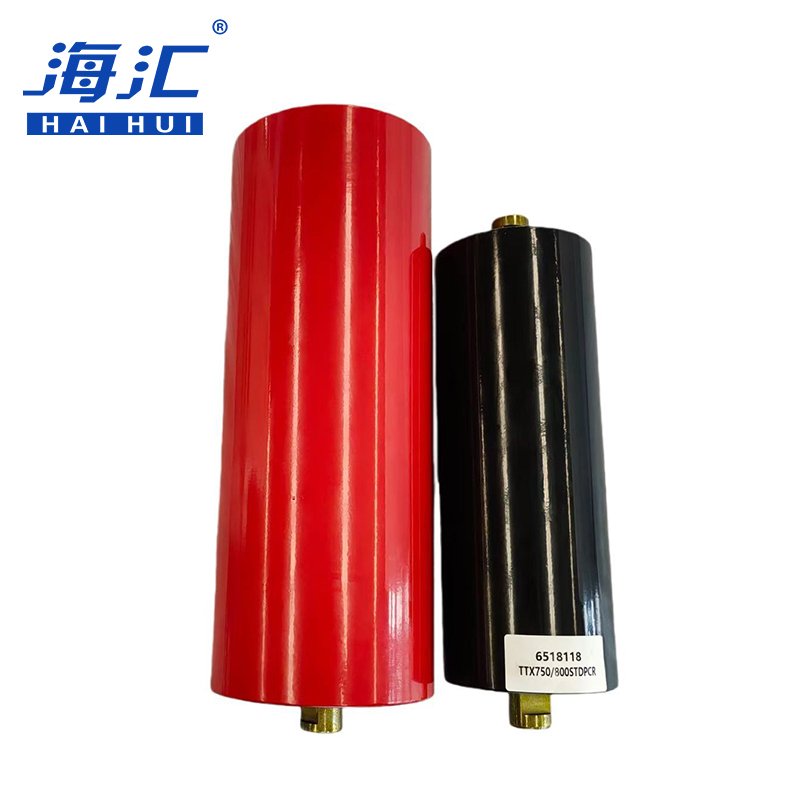
5 Essential Features of Mining Conveyor Idlers
Mining / conveyor / idlers sounds simple, but the details decide if your belt tracks clean or turns into a frayed, mistracking mess underground. This run‑down keeps it real for mining idlers—from seal design to bearing clearance—so your belt lands right and stays put.
Feature 1: Heavy‑Gauge Steel Tube for Underground Loads
With mining idlers, a thicker tube and proper grade cut denting and deflection without wrecking the belt. It still has to keep roundness even under impact, maintain straightness, and avoid that wobbly feel that ruins belt alignment.
A quick way to sanity‑check it in the real world:
- Tube wall feel: less “oil‑canning” when you walk the belt.
- Straightness check: watch for visible wobble, not runout.
Feature 2: Triple Labyrinth Seal for Fine Coal Dust
For mining idlers, the seal choice is a reliability deal‑breaker. A triple labyrinth with flinger lowers contamination ingress in fine coal dust or hard rock fines where material hangs around and wears parts fast.
Safe‑use basics underground
- In dusty environments: Prefer triple labyrinth with external flinger to stop fine material before it reaches the bearing.
Feature 3: C4 Bearing Clearance and Consistent Running Torque
The “feel” of mining idlers comes from the hardware: the bearing clearance, the seal, and the grease working as one mechanism. When that setup is dialed in, rolling resistance stays predictable and belt drag doesn‘t wander.
If you’re buying mining idlers for continuous operation, that consistent bearing response saves power and belt wear.
Feature 4: Forged Shaft and Corrosion Protection
Inside mining idlers, shaft failure is the quiet enemy. Forged C45 or 42CrMo4 shafts resist bending under shock load. Good coating or zinc protection prevents rust that can contaminate the bearing cavity and mess with seal fit.
On the surface you install: strong shaft material keeps the idler straight even after years of impact.
Feature 5: MSHA and CEMA Standards Compliance
With mining idlers, you want confidence that the idler in month eighteen behaves like the idler in week one. MSHA flame‑resistant requirements and CEMA standards back that up through testing, quality control, and realistic load cycles.
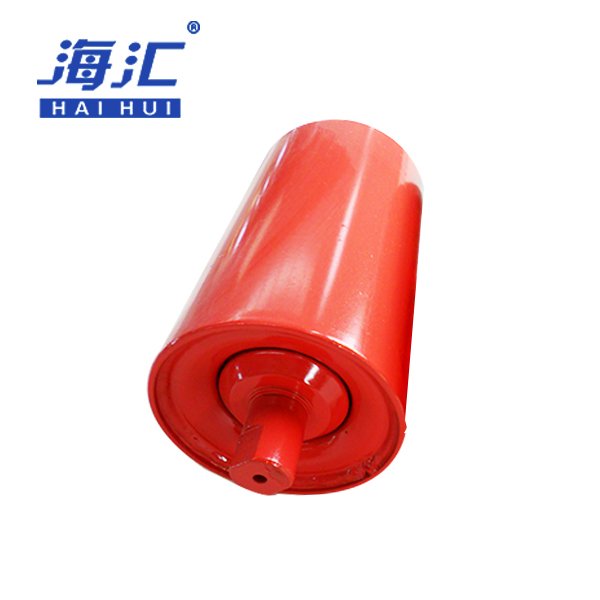
How to Spot Quality in Mining Conveyor Idlers
If you buy mining idlers for underground conveyors, the “good stuff” is usually hiding in paperwork and process notes.
Reviewing Material Certs and Bearing Specs
- Start with the mill certificate basics: steel grade, wall thickness, straightness tolerance.
- Track the compliance side for mining idlers: confirm the stated bearing clearance (C4) matches your duty cycle.
Examining Seal Integrity, Running Torque, and QA Records
- For mining idlers, idler quality is a factory habit, not luck.
- Key paperwork to ask for: seal drag test results, running torque logs, and quality assurance summaries.
- Tight manufacturing records that connect a tube batch, a bearing lot, and an assembly shift.
Verifying MSHA Certification and Batch Traceability
- Confirm MSHA flame‑resistant approval is current and applicable to your mine.
- Follow the “who made this idler” thread: batch traceability should tie together tube steel, bearing lot, seal supplier, and assembly date.
Buying Guide: Mining Conveyor Idlers
Mining idlers sound simple, but the little details bite: tonnage, dust level, and even the seal type can make a “nice installation” turn into a belt‑eating mess underground. This guide breaks down how to pick mining idlers for longwall gate roads, crusher feed belts, or mainline conveyors. You‘ll also see where Haihui fits when you need consistent OEM runs.
Determine Your Application: Longwall, Crusher Feed, or Mainline
- Start with the zone, not the price; crusher feed behaves differently than a tail section.
- Match use‑case to idler series.
Compare Seal Types: Labyrinth vs. Flinger vs. Contact
| Seal Type | Dust Resistance | Moisture Resistance | Best For Underground |
|---|---|---|---|
| Single labyrinth | Poor | Poor | Not recommended for mining |
| Triple labyrinth | Good | Moderate | Dry coal dust |
| Triple labyrinth + flinger | Excellent | Good | Fine coal dust, dry rock |
| Contact lip + labyrinth | Very Good | Excellent | Wet mines, potash |
Choose the Right Bearing Clearance for Load and Heat
- For mining idlers, the bearing clearance is the “steering wheel” of thermal stability.
- C3 – standard for surface conveyors, not recommended underground.
- C4 – for high ambient heat, heavy impact, or long underground conveyors.
Optimize Bulk OEM Orders with Efficient Stocking and Logistics
- If you‘re ordering mining idlers at scale, cost isn’t just materials; it‘s how clean your supply chain runs.
- One‑Stop Efficiency: Haihui offers everything from standard stocking programs to custom shaft lengths.
- Ready to start? We provide a 1‑day solution proposal including drawings, materials, and quotes.
- Need to test first? We offer free sample idlers for selected sizes. Experience the Haihui difference today.
References
- Steel tube standards – worldsteel.org
- MSHA – Mine Safety and Health Administration (30 CFR)
- CEMA – Conveyor Equipment Manufacturers Association – Mining standards
- Bearing clearance and fitment – SKF / FAG
- Haihui – Internal test specifications for mining conveyor idlers

 English
 العربية
 简体中文
简体中文 Nederlands
 Français
 Deutsch
 Bahasa Indonesia
 Italiano
 日本語
日本語 한국어
한국어 Bahasa Melayu
 Polski
 Português do Brasil
 Русский
 Español
 Türkçe