
يُعد الشراء بالجملة لبكرات النقل الفولاذية مغامرة محفوفة بالمخاطر
قد يبدو شراء بكرات النقل الفولاذية بكميات كبيرة أمرًا بسيطًا — إلى أن ينثني أنبوب رفيع واحد، أو يتعطل محمل واحد، فتتعطل فجأة خط الحزام بأكمله بينما يهرع فريق الصيانة حاملين عتلات وقطع غيار لا تتناسب تمامًا. بالنسبة لمديري المصانع، هذا ليس مجرد يوم ثلاثاء سيئ — بل هو نوبة عمل ضائعة، وغطاء حزام ممزق، وأمر شراء على وشك أن يثير الكثير من الأسئلة المحرجة.
بلغت قيمة سوق بكرات النقل الفولاذية العالمية أكثر من $5.5 مليار في عام 2024، وفقًا لمصادر في القطاع — وذلك بفضل الطلب المستمر على استبدال البكرات، والهوامش الربحية الضئيلة، وعدم التسامح مطلقًا مع البكرات التي لا تتحمل الاستخدام المكثف اليومي.
لذا، قبل الموافقة على طلب شراء أسطوانات بالجملة، تحقق من سماكة الأنبوب، ومانع تسرب المحمل، واستقامة العمود، وجودة اللحام. لأنه في هذا المجال، لا يؤدي التهاون في الجودة إلى توفير المال، بل يحول الأسطوانة البسيطة إلى مشكلة صيانة متكررة لا تنتهي.
إجابات سريعة: أساسيات بكرات النقل الفولاذية
➔ الأنابيب والمواد: يجب تحديد الفولاذ من النوع S235 أو S355، بسمك جدار يتراوح بين 2.5 و4 مم حسب الاستخدام، مع ضمان إمكانية تتبع مصدر المواد المعتمدة.
➔ المحامل والأعمدة: اختر محامل ذات أخدود عميق (درجة P0 أو P6)، وعمودًا مسحوبًا على البارد أو مشكّلًا بالخراطة، مع التأكد من استقامته (≤0.2 مم/م).
➔ الختم والحماية: حدد ما إذا كانت الأختام من النوع المتاهة أو التلامسية (IP54–IP65)، وشحم الليثيوم المركب (NLGI 2)، وحجم التعبئة الموثق.
➔ التصنيع والتوازن: ضمان اللحام المتحد المركز، والموازنة الديناميكية (ISO 1940 G-16)، واختبار الدوران 100% قبل الشحن.
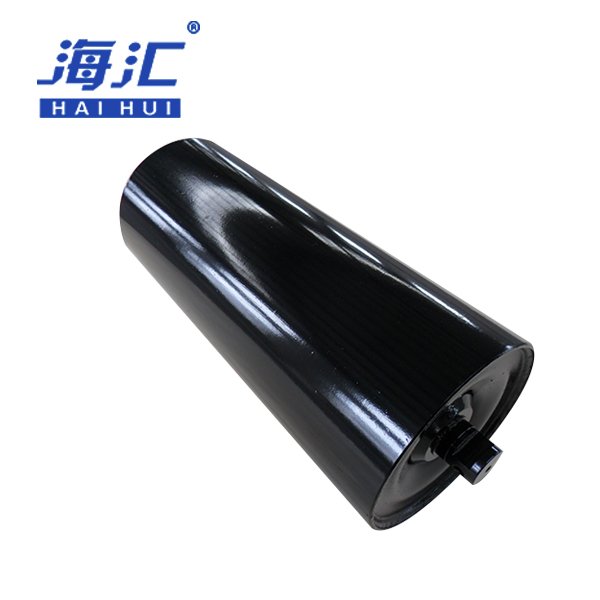
كيف تؤثر الأنابيب والمحامل والموانع على عمر الأسطوانات الفولاذية؟
العمر التشغيلي ليس مجرد مسألة حظ. بل يعتمد على صلابة الأنبوب، وجودة المحامل، وتصميم مانع التسرب، ومدى قدرة الأسطوانة على تحمل الغبار والصدمات اليومية. وبالنسبة للفرق التي تشتري الأسطوانات الفولاذية بكميات كبيرة، فإن هذه التفاصيل الصغيرة هي التي تحدد ما إذا كان الناقل سيستمر في العمل لسنوات أم سيصبح روتينًا شهريًّا لتغيير قطع الغيار.
“قال لي أحد مديري الصيانة: ”اشترينا ذات مرة بكرات رخيصة. أنابيب رخيصة، ومحامل رخيصة، وموانع تسرب رخيصة. وفرنا دولارين لكل بكرة. لكننا أنفقنا عشرين ضعف ذلك المبلغ على تكاليف العمالة لاستبدالها. كان ذلك أذكى قرار غبي اتخذناه على الإطلاق“.”
سماكة جدار الأنبوب لمستويات التحمل المختلفة
أنبوب الأسطوانة هو الذي يدعم الحزام فعليًّا ويحمل الحمولة. فالأنابيب الرقيقة تتعرض للانثناء، وهذا يؤدي إلى تآكل الحزام بشكل غير متساوٍ. وتآكل الحزام غير المتساوي يعني استبداله قبل الأوان — وهو ما يؤدي إلى ارتفاع التكاليف بسرعة.
أنواع الفولاذ وأدوارها
- S235 (فولاذ هيكلي خفيف): مناسبة للأعمال الخفيفة، والبيئات الجافة، والأنشطة ذات التأثير المنخفض. مناسبة لمراكز التوزيع، وليست مناسبة للصناعات الثقيلة.
- S355 (قوة أعلى): يتميز بمقاومة انثناء أعلى، ويتحمل الصدمات المعتدلة، وهو المعيار القياسي لمعظم التطبيقات الصناعية العامة.
- أنبوب مُصلب (تحريض سطحي): مقاومة فائقة للتآكل، وعمر تشغيلي أطول في البيئات الكاشطة مثل مسابك المعادن أو منشآت إعادة التدوير.
توصيات بشأن سماكة الجدران حسب الغرض
| قطر الأسطوانة | الحمولة الخفيفة (مم) | الواجب العام (مم) | الحمل الثقيل (مم) |
|---|---|---|---|
| 63 ملم | 1.5 | 2.0 | 2.5 |
| 76 ملم | 1.8 | 2.2 | 2.8 |
| 89 ملم | 2.0 | 2.5 | 3.0 |
| 114 ملم | 2.5 | 3.0 | 3.5 |
| 133 ملم | 3.0 | 3.5 | 4.0 |
“قال لي أحد مهندسي المصنع: ”لقد رأيت بكرات ذات جدار سميك يبلغ 2.5 ملم على ناقل الركام الثقيل. وقد استمرت في العمل لمدة أربعة أشهر تقريبًا قبل أن تبدأ في اتخاذ شكل البيضة. ثم تحولنا إلى بكرات بسمك 3.5 ملم، ولم تنحني أي منها منذ عامين“.‘
لماذا يُعد سمك الجدار عاملاً مهمًا؟
- كلما زادت سماكة الجدار، زادت مقاومة الأنبوب للانبعاج وطالت مدة صلاحيته
- كلما كان الجدار أرق = كلما كان الأنبوب أخف وزناً وأرخص ثمناً، لكن الصدمات قد تؤدي إلى تشوه الأنبوب بشكل بيضاوي — مما يتسبب في انحشار المحامل وتوقف الأسطوانة عن الدوران
- تفاوت سماكة الجدار (رداءة جودة الأنبوب) = اهتزاز، ضوضاء، تعطل مبكر للمحامل
غالبًا ما تطلب العلامات التجارية التي تطلب بكرات فولاذية بكميات كبيرة عينات مقطوعة ومقاسة قبل بدء الإنتاج الكامل. هايهوي سيقومون بقطع أسطوانة تجريبية لك عند الطلب. ولا يتردد موظفو المتجر في ذلك — فهم يمتلكون منشارًا شريطيًّا ويعرفون كيفية استخدامه.
درجة جودة المحامل وجودة الأعمدة
المحمل هو قلب الأسطوانة. قد يعمل المحمل الرخيص بشكل جيد على منضدة العمل، لكن بمجرد تعريضه للحمل في ظل وجود الغبار والاهتزازات، فإنه يتعطل بسرعة.
خيارات المحامل للبكرات الفولاذية
| درجة المحمل | الدقة | تطبيق نموذجي | التكلفة |
|---|---|---|---|
| P0 (قياسي) | عادي | أحزمة خفيفة الاستخدام وبطيئة الحركة | منخفض |
| P6 | أكثر إحكامًا | صناعي عام، سرعة متوسطة | متوسط |
| P5 | دقة عالية | ناقلات طويلة عالية السرعة (>2.5 م/ث) | مرتفع |
متطلبات العمود
- المواد: C45 أو 40Cr لمعظم الاستخدامات
- الاستقامة: ≤0.2 مم لكل متر — إذا زاد هذا القياس، فإن الأسطوانة تهتز
- تشطيب السطح: ≤0.8 ميكرومتر Ra لمقاعد المحامل
- الحماية من التآكل: طلاء بالزيت الخفيف أو الفوسفات للاستخدام الداخلي؛ طلاء بالزنك للاستخدام الخارجي
“العمود الملتوي يدمر المحامل من الداخل إلى الخارج”، كما قال أحدهم هايهوي قال لي المهندس: “تحدث انحرافات في الحلقة الداخلية للمحمل، فتتحرك الكرات بشكل غير متساوٍ، مما يؤدي إلى ارتفاع درجة الحرارة وظهور ضوضاء، ثم انحشار المحمل في النهاية. نحن نفحص كل عمود باستخدام مقياس الاستقامة. ولا نعتمد على التقدير البصري أبدًا”.”
الشحوم والتزييت
- معيار شحم الليثيوم المركب (NLGI 2)
- درجة حرارة التشغيل: من –20 درجة مئوية إلى +120 درجة مئوية
- حجم التعبئة: 25–40% من تجويف المحمل — بكمية كافية للتزييت، دون أن تكون زائدة لدرجة أن يتحرك الزيت بشكل مفرط أو يتسبب في ارتفاع درجة الحرارة
- خيار قابل لإعادة التشحيم للناقلات الطويلة أو البيئات ذات درجات الحرارة العالية
أنواع الموانع المخصصة لمختلف البيئات
يُعد مانع التسرب خط الدفاع الأول للمحور الأسطواني ضد الغبار والأوساخ والرطوبة. فإذا كان مانع التسرب غير مناسب، فإن المحمل سينتهي عمره الافتراضي مبكرًا.
عائلات الفقمة وأماكن عملها
| نوع الختم | تصنيف IP | السحب | الأفضل لـ |
|---|---|---|---|
| المتاهة (بدون تلامس) | IP54 | منخفض | جاف، نظيف، داخل المبنى، غبار خفيف |
| شفة تلامس مفردة | IP55 | منخفض إلى متوسط | غبار عام داخل المباني، وغبار عرضي |
| حافة تلامس مزدوجة | IP65 | متوسط | في الهواء الطلق، مع وجود غبار ورطوبة معتدلين |
| المتاهة الثلاثية | IP65 | منخفض إلى متوسط | مناولة البضائع السائبة الجافة، الغبار الناعم |
“قال أحدهم: ”يمكن استخدام الأختام المتاهية في الناقلات الداخلية الجافة»، هايهوي خبير التطبيقات. “لكن بمجرد إضافة الرطوبة أو الغبار الناعم، تصبح الأختام الملامسة ضرورية. لقد رأينا مصانع تنفق أموالاً طائلة على المحامل ثم تبخل في شراء الأختام — فيتسرب الغبار، فتتوقف المحامل عن العمل في غضون أشهر.”
إجراء اختبارات عزم الدوران والدوران
- انخفاض عزم الدوران عند بدء التشغيل يعني انخفاض مقاومة الحزام وانخفاض استهلاك الطاقة
- اختبار الدوران: يجب أن تدور الأسطوانة بحرية، دون أي عوائق، وتستمر في الدوران دون دفع لعدة ثوانٍ
- يختلف عزم الدوران المبدئي المقبول باختلاف القطر ونوع مانع التسرب — يرجى الاستفسار عن المواصفات
بالنسبة لطلبات الأسطوانات ذات الكميات الكبيرة،, هايهوي نقوم باختبار الدوران لكل أسطوانة قبل تعبئتها. وليس مجرد عينة عشوائية — بل كل أسطوانة على حدة. وإذا لم تدور بسلاسة، فلن يتم شحنها. الأمر بسيط.
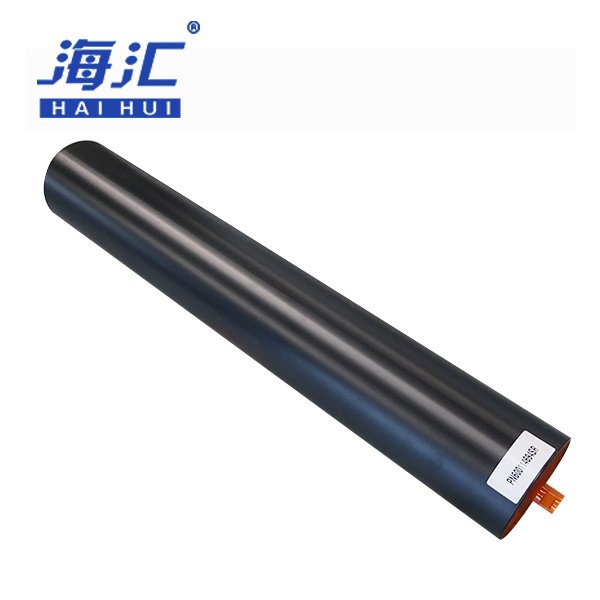
المفاضلة بين درجة الصلب وسماكة الجدار
لا يقتصر الاختيار بين درجات الفولاذ وسماكة الجدران على مسألة القوة فحسب؛ بل إنه يؤثر أيضًا على الوزن، وقابلية اللحام، ومقاومة الصدمات، والتكلفة الإجمالية للملكية.
| درجة الأنابيب | حد الخضوع (ميغا باسكال) | جودة اللحام | مؤشر التكلفة | أفضل استخدام |
|---|---|---|---|---|
| S235 (2.5 مم) | 235 | جيد | 1.0 | أعمال خفيفة، داخلية، جافة |
| S235 (3.0 مم) | 235 | جيد | 1.2 | الاستخدام العام، الصدمات الخفيفة |
| S355 (3.0 مم) | 355 | جيد جدًا | 1.4 | الخدمة الشاقة، التأثير المعتدل |
| S355 (3.5 مم) | 355 | جيد جدًا | 1.7 | الاستخدام الشاق، الصدمات الشديدة |
بالنسبة لمعظم التطبيقات الصناعية العامة، يُعد الفولاذ S355 بسمك جدار يتراوح بين 3 و3.5 ملم الخيار الأمثل — فهو يتمتع بقوة جيدة وتكلفة معقولة، ويستمر لسنوات.
البكرات الفولاذية المصنعة حسب الطلب مقابل البكرات الجاهزة: الإيجابيات والسلبيات
بكرات OEM
- التخصيص: الطول الدقيق، أطراف العمود، المسافة بين المحامل، نوع مانع التسرب.
- مراقبة الجودة: فحص اللحامات، والتحقق من التراكز، واختبار الدوران 100%.
- المهلة الزمنية: مرحلة العينات → الإنتاج بالدفعات (عادةً ما يستغرق ذلك من 4 إلى 6 أسابيع).
- الأفضل لـ: الناقلات المصممة حسب الطلب، أو المساحات الضيقة، أو عندما لا تناسب الأحجام القياسية.
بكرات جاهزة للاستخدام
- التوافر: مقاسات متوفرة في المخزون، ومهل تسليم قصيرة (1–2 أسبوع).
- التكلفة: سعر الوحدة أقل، ولا توجد رسوم أدوات.
- المفاضلة: أطوال ثابتة، وأختام قياسية فقط، دون إجراء أي تعديلات على العمود.
هايهوي تحتفظ الشركة بمخزون جاهز للشحن من البكرات الفولاذية ذات الأحجام الشائعة (89، 114، 133 ملم) المزودة بجدران ومحامل قياسية. وقد رأيتهم يشحنون منصة نقالة تحتوي على 300 بكرة في غضون أسبوع.
4 اعتبارات تتعلق بشحن طلبات الأسطوانات الفولاذية بالجملة
1. استراتيجيات التعبئة والتغليف بالجملة
- الطبقة الأولية: مانع الصدأ أو الزيت الخفيف — تأمين رخيص.
- الطبقة الثانوية: أغطية من الورق المقوى أو رغوة بين الطبقات لمنع حدوث خدوش.
- الطبقة الثالثة: منصات نقالة مربوطة بشرائط ومزودة بألواح زاوية.
2. الشحنات الموضوعة على منصات نقالة
- توزيع متساوٍ للوزن — فالمنصات غير المتوازنة تنقلب أثناء النقل.
- محاور البكرات موازية لاتجاه المنصة لضمان الثبات.
- أشرطة تثبيت معززة (شريطان في كل اتجاه).
3. تحسين عملية تحميل الحاويات
| حاوية | بكرات قياسية (89 مم × 1000 مم) | الوزن التقريبي (كجم) |
|---|---|---|
| 20 قدمًا | 1,600–1,800 | 4,800–5,500 |
| 40 قدمًا | 3,500–3,800 | 10,500–11,500 |
| 40 قدمًا (HC) | 3,800–4,200 | 11,500–12,500 |
4. المدة الزمنية المطلوبة والشحن الدولي
- التصنيع (القطع، اللحام، ضغط المحامل، اختبار الدوران) — عادةً ما يستغرق ذلك من 3 إلى 5 أسابيع.
- الفحص النهائي والتعبئة (يُضاف أسبوع واحد).
- الشحن البحري + فترة احتياطية للتخليص الجمركي (10–15 يومًا).
هايهوي ترسل صورًا للتعبئة قبل الإغلاق — لتتمكن من رؤية كيفية تعبئة الأسطوانات بالضبط. أمر بسيط، لكنه يوفر الكثير من الخلافات.
كيفية التحقق من مصداقية موردي الأسطوانات الفولاذية
1. تقييم شهادات ISO 9001 وشهادات المواد
- اطلب تقارير اختبار المصنع الخاصة بأنابيب الصلب (S235، S355).
- تحقق من العلامة التجارية ودرجة جودة المحامل (SKF، FAG، NSK، أو ما يعادلها).
- تأكد من مواصفات نوع الختم كتابةً — وليس مجرد عبارة “ختم قياسي”.”
2. فحص لحام الأنابيب ومدى تناسقها
| تحقق | المؤشر الرئيسي | النطاق المقبول |
|---|---|---|
| لحام الأنابيب | الاختراق + المرئي | اختراق كامل، لمسة نهائية ناعمة |
| التراكز | الانحراف بين مقاعد المحامل | ≤0.3 مم |
| لحام الطرف النهائي | الفحص البصري + اختبار النقر | لا توجد فجوات، صوت قوي |
3. مراجعة سجلات اختبار الدوران وسجلات عزم الدوران
- اختبار الدوران: يجب أن تدور الأسطوانة بحرية، دون أي صرير أو اهتزاز.
- عزم الدوران أثناء التشغيل: يُقاس في المصنع، ويُسجل على مستوى كل دفعة.
- عينة عشوائية مقطوعة للتحقق من سماكة الجدار — يرجى طلب الصور.
هايهوي تنشر ملخصات ربع سنوية عن الجودة — معدلات العيوب، وأسباب الإرجاع، والإجراءات التصحيحية. ولن تضطر إلى التوسل للحصول على البيانات.
الأسئلة الشائعة
1. ما هي أنواع البكرات الفولاذية التي تناسب مختلف التطبيقات الصناعية؟
- مراكز التوزيع: أنبوب من نوع S235، سماكة الجدار 2.0–2.5 مم، موانع تسرب متاهية، محامل P0.
- الركام / مناولة المواد السائبة: أنبوب من نوع S355، سماكة الجدار 3.0–3.5 مم، أختام تلامس مزدوجة، محامل P6.
- المصاهر / البيئات الكاشطة: أنبوب مقوى، وموانع تسرب تلامسية، ومحامل P6، وفترات استبدال متكررة.
- في الهواء الطلق / في ظروف رطبة: S355 مطلي بالزنك، مع أختام تلامس مزدوجة (IP65)، وخيار إعادة التشحيم.
2. كيف تؤثر المحامل وموانع التسرب على متانة البكرات الفولاذية؟
- المحامل: P0 للأحمال الخفيفة، P6 للاستخدامات الصناعية العامة، P5 للسرعات العالية.
- الأختام: أختام من نوع «المتاهة» للأماكن الداخلية الجافة، وأختام تلامسية للحماية من الغبار والرطوبة، وأختام مزدوجة للظروف القاسية.
- التحقق: اختبار الدوران + قياس عزم الدوران + قطع عشوائي.
3. ما الذي يجب على المشترين التحقق منه قبل توقيع عقد طويل الأجل لشراء بكرات فولاذية؟
- سماكة جدار الأنبوب وشهادة المواد (S235 مقابل S355 كتابةً).
- العلامة التجارية ودرجة جودة المحمل — لا يُسمح باستخدام بدائل عامة دون موافقة.
- نوع مانع التسرب ودرجة الحماية IP.
- معايير قبول اختبار الدوران (على سبيل المثال، “زمن الدوران الحر ≥4 ثوانٍ، وعدم سماع صوت احتكاك”).
- نقاط مراقبة الجودة — الفحص أثناء التصنيع، والتدقيق النهائي، وتقطيع العينات العشوائية.
عندما يتم اختيار الأنابيب والمحامل والموانع بشكل صحيح، تصبح البكرات الفولاذية موثوقة بشكل ممل. وفي خط الإنتاج، هذا ‘الملل» هو أمر رائع — فلا مفاجآت، ولا مكالمات في منتصف الليل، ولا مشاكل في مسار الحزام دون سبب وجيه.
المراجع
- التعامل الحديث مع البضائع السائبة – تقديرات سوق الأسطوانات الفولاذية لعام 2024
- DIN 22107 – بكرات التوجيه للناقلات الحزامية
- ISO 1940 – الاهتزازات الميكانيكية – متطلبات جودة الموازين
- Haihui – أوراق البيانات الفنية الخاصة بأسطوانات النقل الفولاذية
- SKF – اختيار المحامل للتطبيقات الصناعية
 English
 العربية
 Português do Brasil
 Русский
 Español